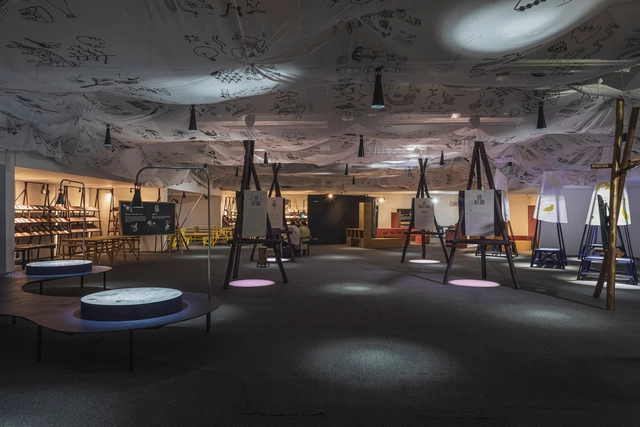
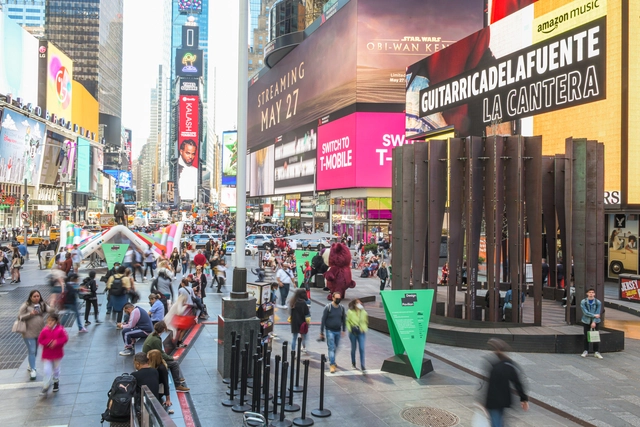
The exhibition "Intervención / Intersección," curated by Su Wu at the Rockefeller Center, reflects on the history of intellectual and creative porosity between Mexico and elsewhere. This is MASA's first exhibition in New York, featuring functional works by prominent Mexico-based designers, architects, and artists alongside canonical artworks that themselves suggest what artists have long sought in the country.
Paint is synonymous with color, even when it is white. It is the simplest way to restore and correct imperfections on any surface, whether interior or exterior. Without detracting from this significant aesthetic benefit, paint also possesses composition-based properties that turn an attractive, well-finished project into a healthy building—one with a lower environmental impact throughout its life cycle.
The first stage of the Architectural Visualization Award has come to an end. 40 finalists, 10 from each category: Exterior, Interior, Conceptual and Real-Time Rendering were selected by the official ArchDaily jury.
As the design world prepares for one of the most anticipated events of the year, Designboom, Architonic, and ArchDaily which make up DAAily platforms have put together for the visitors of Milan Design Week 2022, a unique, storytelling-programmed space, designed by architects and designers for architects and designers. This year, DAAily platforms are taking the opportunity to take to the stage together from 7 to 10 June at the Swiss Corner at Piazza Cavour / Via Palestro 2, hosting curated talk series and gathering spots, along with immersive art installations.
Selected among five invited architects including OMA, Snøhetta, 3XN, and Toyo Ito & Associates., the BIG-designed building for the Basque Culinary Center, is a new food tech hub located in San Sebastian, Spain. TheGastronomy Open Ecosystem (GOe) is in fact a 9,000 m2 project that seeks to push forward the art and science of gastronomic innovation, bringing together food start-ups, researchers, and chefs. Currently in progress, the building will focus on the development of alternative proteins, agricultural robotics, the prevention of food waste, and much more.
In these fast-paced and constantly evolving times, architecture has been adapting to new building technologies and complexities to serve today’s world needs. Teams of experts from all areas, architecture, engineering, construction, and a long list of professionals, come together to bring these solutions to our built environment. At ArchDaily we have been highlighting these actors in the architecture we curate and publish every day, but we often come across other types of projects, in which we spot different needs, and ways of building in certain places and communities, that equally require a highly qualified team, specific local techniques, and knowledge that are worth sharing.
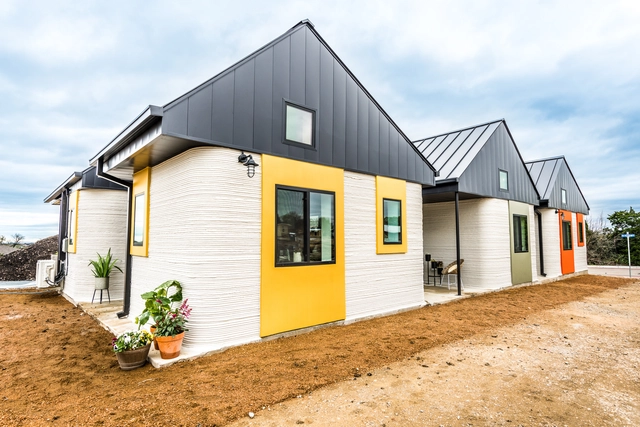
In recent years, the construction industry has faced unprecedented challenges. A lack of skilled workers is driving up costs of labor, there is a global housing shortage, and the effects of climate change around the world are clearer than ever. Therefore, questioning traditional construction methods and pushing the limits of innovation has become a top priority, forcing the industry to implement new technologies as they get on board the digital transformation era. There is one innovation, however, that looks particularly promising: 3D construction printing. Although relatively recent, the technology has already been successfully tested in numerous structures, houses and apartment buildings, reshaping residential construction as we know it. Hence, 3D printing could very well be a viable alternative for more efficient, sustainable and cost-effective mass housing solutions in the near future, positively impacting people’s lives and contributing to greener, healthier cities.
No matter what your kitchen type is, one thing is for sure: the need for cabinets. Designing a project that is functional and can incorporate all the equipment, food and ingredients can be a difficult task depending on the available area. Often, along with countertops and other coverings, cabinets are responsible for setting the tone of this environment, revealing the importance of a good design.
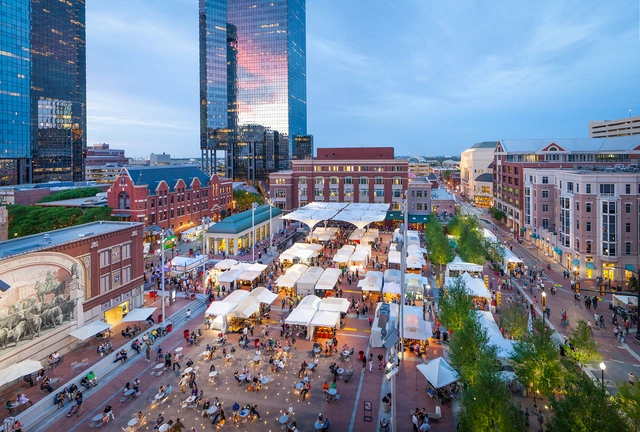
Sundance Square, a new central place for the city of Fort Worth, TX, USA. Image Courtesy of PPS
Public spaces play a significant role in organizing the life of every community but defining what differentiates them from other spaces within the city is not an easy task. Once these spaces start to settle into the collective memory of the local communities, they become key elements that concentrate the mental image of a city. While this process usually happens with urban spaces, monuments and isolated architectural elements can also become markers for the urban life of an area. So, what happens when dramatic events like fires, war, or even the pandemic alter that image?
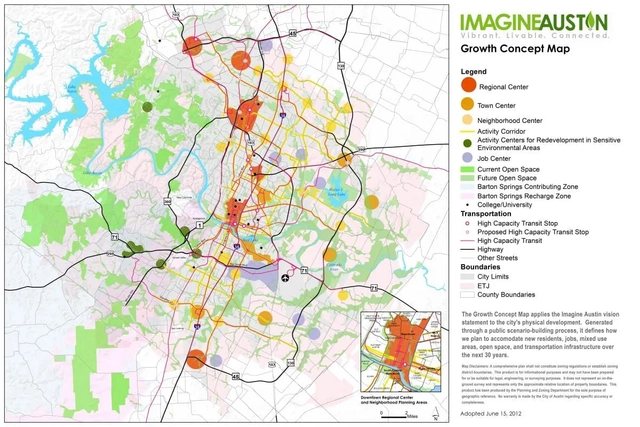
Imagine Austin Growth Concept Map / City of Austin. Image Courtesy of The Dirt
“The planning practices of the past are inadequate for today’s challenges,” said David Rouse, ASLA, a landscape architect and planner, at the American Planning Association‘s National Planning Conference in San Diego. Rapid technological change, socio-economic inequities, natural resource depletion, and climate change are forcing planning and design professionals to adapt. “How can the practice of planning evolve to be more sustainable and equitable?”
https://www.archdaily.com/982475/planners-must-now-anticipate-the-unanticipatedJared Green
In case you missed the memo: customisation of furniture and furnishings is one of the most significant developments in the interiors industry today. I don’t exaggerate when I say that every conversation I engage in with design brands includes a discussion around the notion of customisation – so much so that my internal thesaurus is replete with synonyms for the word, since this usually leads to me writing it a lot.
Customisation is often billed as the ultimate modern luxury, but is it for everyone? I mean, I’m all for expressing individuality in our interiors, but I’m also reminded of the paralysis I feel when confronted by a takeaway menu, stateside. When palate-pleasing involves seemingly limitless choice, which way to go? With a lack of professional culinary skills, the chance of making a wrong turn grows. This doesn’t matter so much when it’s compiling an acceptable sandwich filling, but when it’s the bones of a building or the decoration within, the choice needs to endure; it needs to be right.
https://www.archdaily.com/982461/flooring-finesse-with-a-personal-touch-beauflors-customisable-designsEmma Moore
During the ceremony, the winning films in the two competition categories, feature films and short films, were announced. Learn more about each of them below.
Looking ahead to the future of our built environment, a one-size-fits-all approach simply won’t do. Issues like rising sea levels, temperatures, and water scarcity in urban communities need localized solutions that take into account questions of sustainability, culture, and public health. Having investigated vernacular infrastructure across indigenous communities for her book Lo-TEK. Design by Radical Indigenism, designer Julia Watson is an expert in local, nature-based technologies that are inherently adaptable and resilient. We talk to her about the future of our cities, building materials, and her latest project for Our Time on Earth – a five year, world-touring exhibition that just opened at London's Barbican Centre to investigate how radical, collaborative ideas for the way we live can get us to a much improved place by 2040.
Located somewhere between opacity and transparency, translucent surfaces allow rays of light to partially pass through them, creating a "blurred" aspect to what is seen on the other side. This is an effect widely used in art, as in the works of the Icelandic–Danish artist Olafur Eliason, for example, who works with optical illusions through light and colorful and transparent surfaces. But it is also admired by contemporary architects, such as the Japanese office SANAA, or European offices such as Barozzi / Veiga or Lacaton & Vassal, among many others.
In buildings, when using translucent surfaces with materials such as polycarbonate or glass, elements become visually lighter and highlight interiors or even the building's structure, without intruding on inhabitants' privacy. Chairs, lamps, pots: there are several everyday objects that use translucency for aesthetics and lightness. In the bathroom, however, this is not so common. Usually made of porcelain, the traditional pieces used in this space are opaque and at times are not so flexible to allow for a designer's vision.
With a mission to support, empower, and grow the city's design sector, New York's annual design festival, the NYCxDESIGN presented a selection of architectural installations, talks, and events to celebrate global creative accomplishments, share new ideas, and inspire through design. This year, the festival returned for its tenth edition, running from May 10th - 20th. Having been a special anniversary, this year showcased New York's creative diversity and talent, putting on display its designers, makers, manufacturers, innovative design businesses, as well as world-class cultural and academic design institutions.
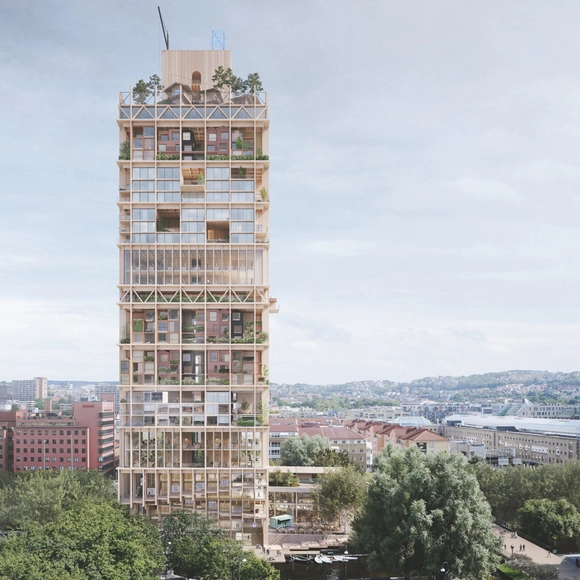
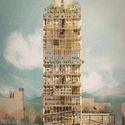
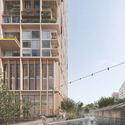
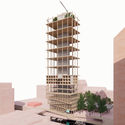
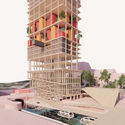
Haptic and Ramboll conceptualize a novel structure that hopes to eradicate the need for demolition. The timber high-rise construction is built for maximum flexibility and longevity, being able to change its configuration and, consequently, its functions to adapt to the city’s changing needs. The design concept is based on the idea of maximizing the potential of sites in inner-city neighborhoods. To exemplify the regenerative potential of this model, the architects have applied the concept to a tight urban area in the center of Oslo, Norway.
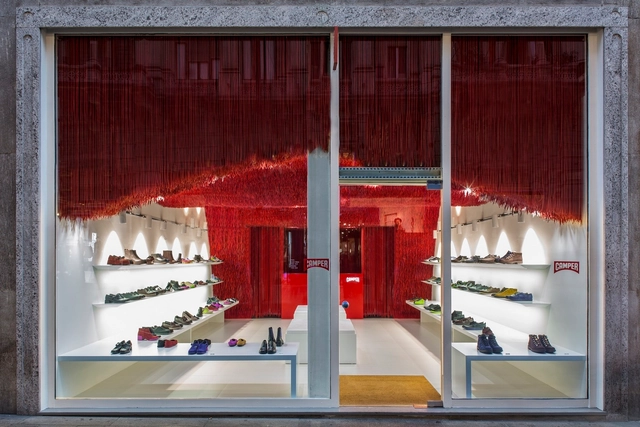
Creating a showcase is more than just displaying products, just as designing a store goes beyond a showcase. Both charges reinforce the concept of a collection, attract customers and improve a brand’s image. It is no coincidence that many architects work in the Visual Merchandising area along with graphic and interior designers, retailers, and stylists, to design a spatial experience that generates a unique narrative and brings greater customer engagement to the store.
Lisbon city counsil almost unanimously approved the proposal of free public transport for young people up to 18 years old, higher education students up to 23 years old and people over 65 years old.
This free pass, which should encourage the use of public transport, is valid for residents of the city. The decision was announced by the mayor Carlos Moedas.
The topic of cannabis can be rather taboo in some instances, as countries around the world have differing views on the legalization of marijuana products based on their cultural and religious beliefs. In the United States specifically, it’s been a long contended issue that each state has, for now, been left to decide on how they want to handle. Each year, more and more states (now totaling 18 and the District of Columbia out of 50), have legalized the recreational sale and use of a limited amount of cannabis, but it remains illegal on a federal level.
Today there are enormous application possibilities when it comes to textile technology, and as new developments emerge within the sector, this number will continue to grow. A current example from the world of architecture neatly demonstrates the improvements that can be realised in relation to the quality of air, work and life in general if one is prepared to explore alternative ways of doing things. The project involves a recently developed curtain-type textile facade that can not only reduce a building's solar cooling load by up to 78%, but can even gather nitrogen oxide particles from the air and convert them in an environmentally friendly way by means of a special coating.
The results of the Design Educates Awards 2022 have been announced. These annual awards recognize the best projects that address complex social and environmental contexts while offering educational value. The awards seek out designs that will have a lasting impact on users and the environment, highlighting the world's best ideas and realizations that can educate.
“Reading for Life” is the name of the pavilion of the Mayor’s Office of Bogotá designed by Yemail Arquitectura for this latest edition of the Bogotá International Book Fair (FILBO). Welcoming over 30,000 visitors, the pavilion made a significant impact by presenting a narrative that allowed visitors to understand the Colombian capital from different perspectives. It took into account the city’s rural composition while proposing a future with a more organic connection, where the diversity of the neighborhood, water, air, land, and all the cities found in reading, community, and nature coexist in a single space.
.jpg?1653495822&format=webp&width=640&height=580)

















._Image_by_Zupagrafika.jpg?1653259487 "Orła Białego prefab panel estate in Poznań (Brutal Poland). . Image © Zupagrafika")












.jpg?1653161266&format=webp&width=640&height=580)