Urban planning is often based on the assumption of ongoing demographic and economic growth, but as some environments face urban shrinkage, a new array of strategies comes into play.The shrinking city phenomenon is a process of urban decline with complex causes ranging from deindustrialization, internal migration, population decline, or depletion of natural resources. Referencing the existing research on the topic, the following showcases approaches to this phenomenon in different urban environments, highlighting the need to develop new urban design frameworks to address the growing challenge.
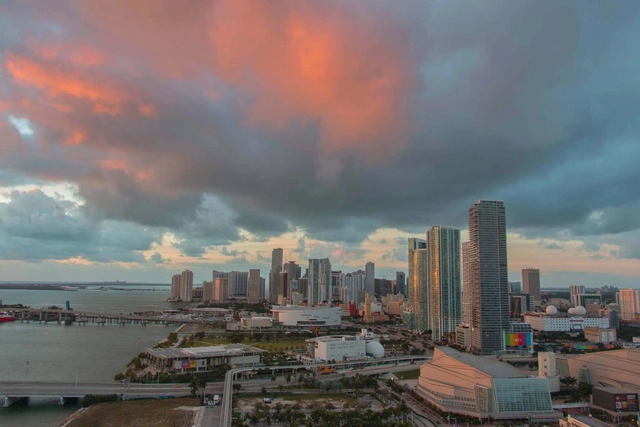
Earlier this month, the city of Miami released a draft version of its comprehensive plan to combat the effects of climate change. The so-called Stormwater Master Plan (SWMP) will be implemented to alleviate the threat of flooding throughout the city, improve the quality of water in Biscayne Bay, and fortify its coastline against stronger and more frequent storm surges over the next 40 years, at an overall cost estimate of $3.8 billion.
The process of building and construction involves many different stages and collaborators. To better understand the dynamics of cooperation, relationships, and business between offices and external partners in the architecture and construction ecosystem we have run a survey called “What's the Collaborative Network Behind the Process of Building“. We also talked with various architects and professionals on the most important aspects of selecting the partners as well as the process of being selected.
Bruce Jilk in his essay ‘Place Making and Change in learning environments” showcases a radical view of contemporary education which, he argues, is outdated and does not meet the needs of the modern world. Instead of providing for a world of individuals operating within a wider urban environment, schools have become internalized ghettos of childhood, cutting off from communities they are supposed to serve, centrally administered in a “one size fits all” ethos. Designers and architects around the world have always been seeking a more flexible architectural model which will allow much more creativity within the learning process and the environments which serve it.
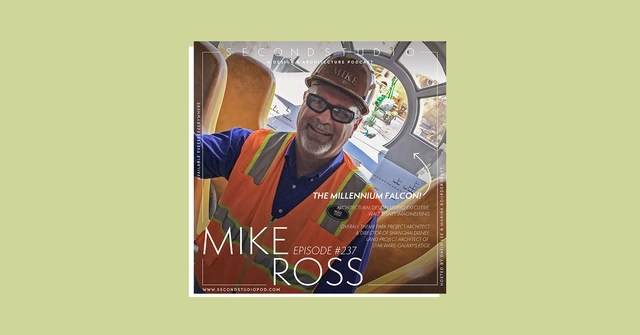
The Second Studio (formerly The Midnight Charette) is an explicit podcast about design, architecture, and the everyday. Hosted by Architects David Lee and Marina Bourderonnet, it features different creative professionals in unscripted conversations that allow for thoughtful takes and personal discussions.
A variety of subjects are covered with honesty and humor: some episodes are interviews, while others are tips for fellow designers, reviews of buildings and other projects, or casual explorations of everyday life and design. The Second Studio is also available on iTunes, Spotify, and YouTube.
This week David and Marina are joined by Mike Ross, the Architectural Design Studio Executive at Walt Disney Imagineering, to discuss the design and construction of theme parks and theme park buildings, the Disney design process, technology's impact on how they build, creating theme parks in other countries, and much more.
https://www.archdaily.com/964830/the-second-studio-podcast-interview-with-mike-ross-architectural-design-studio-executive-at-walt-disney-imagineeringThe Second Studio Podcast
The global landscape of today has been moulded by centuries and centuries of human migration. This movement of people, of individuals and communities travelling far away from their place of origin to eke out better lives for themselves, has seen the evolution of the architectural and urban character of cities – moulded by the diverse influences fuelled by migration. This has meant that around the world, enclaves have popped up in cities, migrants carving out spaces for themselves which have a different character to other areas of a city.
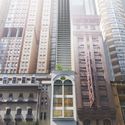
Australian architecture firm Durbach Block Jaggers has unveiled a design for the Pencil Tower Hotel in Sydney. Designed to be the country's thinnest skyscraper, the project would rise at 410 Pitt Street with a height-to-width ratio of 16:1. With 173 hotel rooms with six suites on each floor, the 100-metre-high tower would be built in the downtown area with street frontage only 6.4 meters wide.
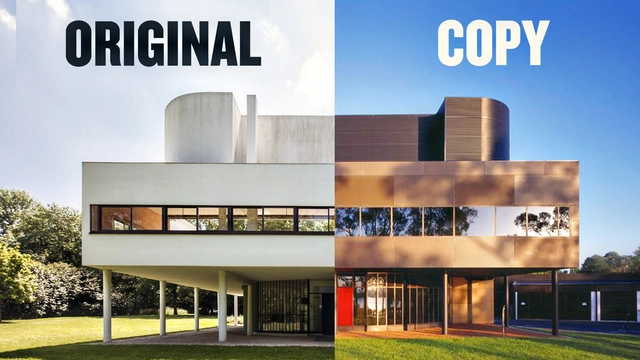
Copying happens all the time in architecture. From students copying the lessons of established examples, repeating model houses, overtly referencing elements from the past, to literally making blueprints, the act of copying is an important tool for architects. Rarely is copying seen as a truly negative or forbidden activity like it might be in other creative disciplines. This video breaks down the how and why architects copy. It covers some postmodern precedents like the Sainsbury Wing, Vanna Venturi House, Villa Dall'Ava by Rem Koolhaas, as well as the more recent examples like the Eyebeam competition and the David Childs lawsuit. All of these examples serve to highlight the wide range of copies in architecture, from the creative and clever to the lazy and malicious.
Shopping malls and retail centers are dead- or so they say. Although much of how we shop was put on pause by the COVID-19 pandemic, and we experienced the surge in e-commerce focused purchases, some of your favorite stores are faced with reimagining themselves in a new way. As the pressure for high-density housing continues to rise, and big-box centers and shopping malls are left empty, is there a way that the place where you once purchased a new outfit could be transformed into your next apartment?
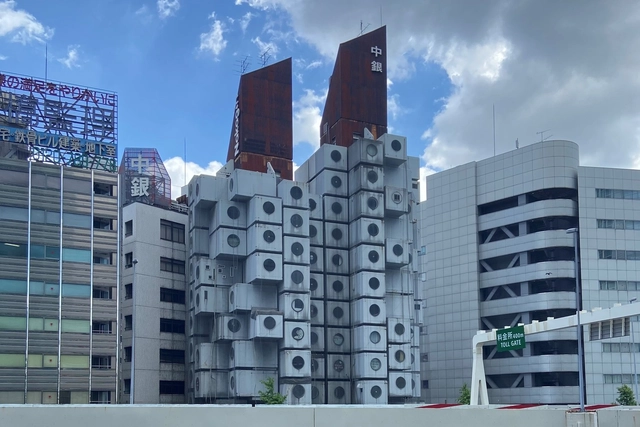
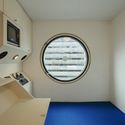
After ongoing uncertainties about the future state of the The Nakagin Capsule Tower Building, Kisho Kurokawa Architects and Urban Design Office Chiyoda-ku, have decided to dismantle the iconic architecture and regenerate its capsules as accommodation units and museum installations across the world. The regeneration plan follows the initial concept of "Metabolism", re-configurating the elements instead of complete demolition.
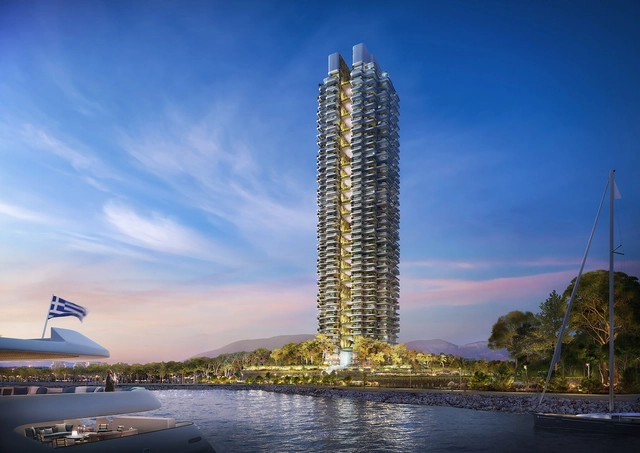
Foster+Partners has unveiled its design for Marina Tower, a residential project set to become the tallest building in Greece. Located in Ellinikon, on the outskirts of Athens, the project is part of a larger development plan meant to transform the site of the former airport into several new neighbourhoods centred around a large coastal park. The 200-metre tall tower at the heart of the masterplan showcases a permeable relationship between interior and exterior spaces in tune with the Mediterranean climate while also featuring various water elements and extensive greenery.
Briefly, structural masonry is a construction system in which the walls of the building perform a structural function, using masonry units arranged in a way that is self-supporting and load-bearing. The walls will evenly distribute the load to the foundation and later into the ground.
Stacked in layers, the bricks, blocks, or stones may or may not be connected by a binder (mortar) and steel reinforcements that heavily influence the mechanical properties of the wall, dimensioned to resist active forces.
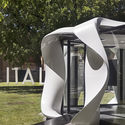
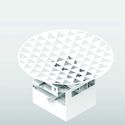
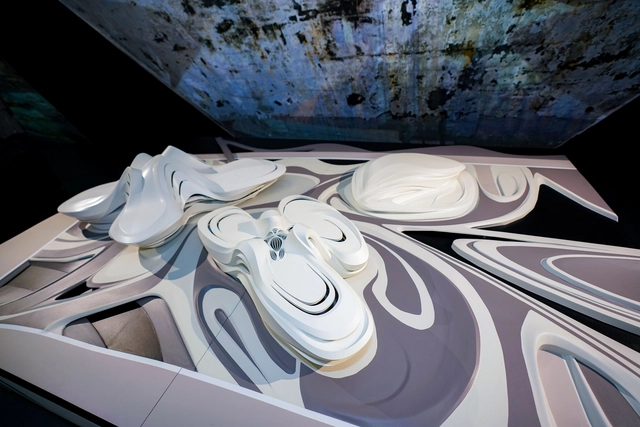
Zaha Hadid Architects has been invited to exhibit at the 17th International Architecture Exhibition - La Biennale di Venezia. Titled ‘High-performing Urban Ecologies', the installation responds to the theme of Resilient Communities by displaying the Alis Meeting Pod, a modular structure of ZHA’s Unicorn Island Masterplan that is currently under construction in Chengdu, China. The installation is on display at the Giardino delle Vergini at the entrance of the Italian Pavilion.
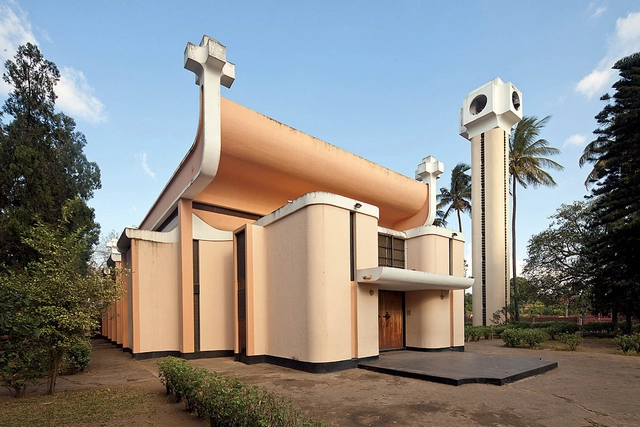
Amancio d'Alpoim Miranda Guedes, known as Pancho Guedes was an architect, painter, sculptor, and educator that is revered as one of the earliest post-modernist architects in Africa. Throughout his career, he has contributed to more than 500 building designs which were often characterized as eclectic, bringing together Lusophone African influence with his unique surrealist and experimental artistic style. It is said that having worked mainly in Mozambique, Angola, South Africa, and Portugal, Pancho Guedes was less well known than he ought to have been in the rest of the world, as he is a leading figure in modern African architecture.
Courtesy of Seoul Biennale of Architecture and Urbanism
Under the theme of "Crossroads: Building the Resilient City", the 2021 Seoul Biennale of Architecture and Urbanism explores cities through architecture, design, and urban planning by highlighting "the virtues and dialogue of crossroads of knowledge" through exhibitions, installations, and events, that tackle the city of tomorrow led by architect Dominique Perrault. With more than 100 participating cities across five continents and installations by world renowned architects and designers, the Seoul Biennale will take place at various locations across the city from September 16 until October 31st, 2021.
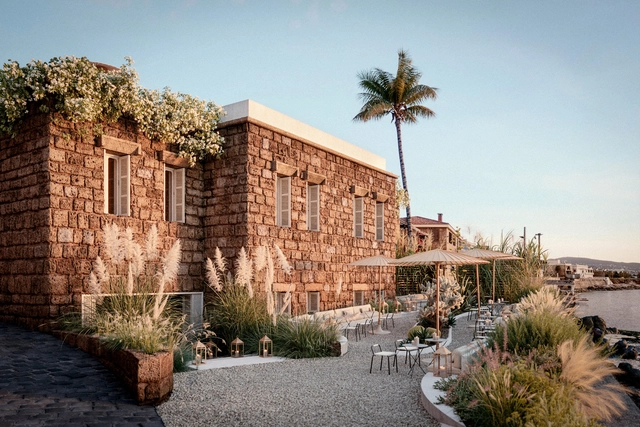
Batroun Boutique Hotel . Image Courtesy of Carl Gerges Architects
Last year, Archdaily inaugurated its first edition of Young Practices, an initiative meant to highlight emerging offices that pursue architectural innovation. Carl Gerges Architects is a Lebanese practice whose body of work is a careful consideration of culture, context, and heritage. Villa Nadia and Batroun Boutique Hotel are two of the studio’s unbuilt projects that showcase the assemblage of architectural tradition and contemporary design, informed by a poetic sensibility and a deep understating of the local social, environmental and historical landscape.
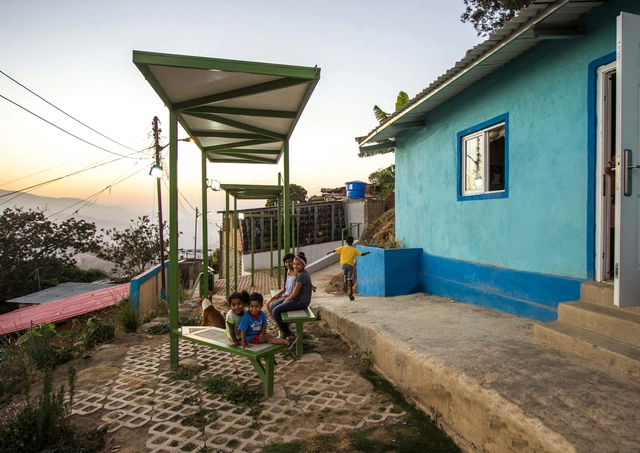
Plaza Estacional, Caracas. Gabriel Visconti Stopello AGA estudio. Fotografía: José Bastidas.. Image Cortesía de Jeannette Sordi
Throughout the world's cities, in the midst of current and projected crises-- environmental, health, economic, and otherwise--one question looms: How can we prepare our urban centers' most vulnerable sectors?
Current data paints a bleak picture of cities and the impact of climate change. With urban populations skyrocketing as people around the globe seek opportunities for a better life in the world's urban centers, cities have become gluttons for energy and other resources while simultaneously producing more emissions than ever before. On top of this, 3 out of 5 cities are at high risk for natural disasters.
Products with natural germ-repelling properties—like certain woods and copper—and those with textures that help avoid bacterial growth will be common materiality considerations for commercial interiors specification following the COVID-19 pandemic.. Image Courtesy of Marin Architects
In this week's reprint from Metropolis, Amanda Schneider, president of ThinkLab, the research division of SANDOW, explores how "designers can help create healthy, safe interiors with thoughtful surface and filtration selections". Asking how we can have sanitized surfaces, without having to deep clean them regularly, the author discusses the materiality of healthy safe interiors.
Twelve big-picture architectural initiatives addressing some of the world’s most pressing challenges have won the first of this year’s World Architecture Festival (WAF) Awards. The 2021 WAFX Awards celebrate project proposals from across the world tackling today’s global issues, ranging from pandemic control and the climate emergency, to social equity, cultural identity, aging populations, and food supply.
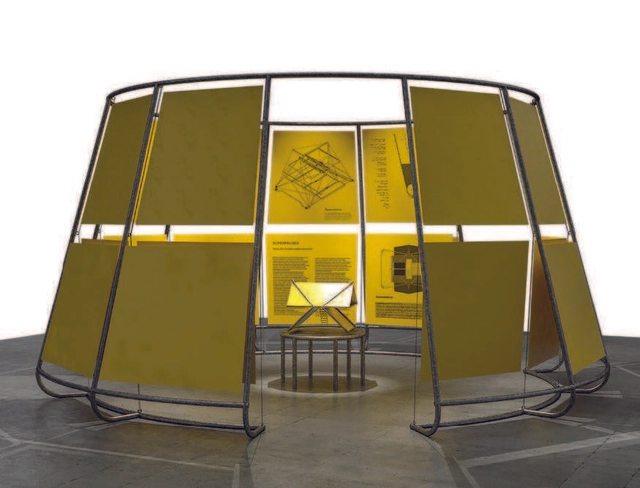
The first exhibition by Zaha Hadid Architects 'ZHA Close Up – Work & Research' at the Modern Art Museum in Shanghai is now open to visitors. The exhibition displays an in-depth look at the evolution of Zaha Hadid Architects’ projects over the last 40 years, from the MAXXI Museum and the Leeza SOHO in Beijing, to the studio’s current ongoing projects across the world. The exhibition is the first by the architect to be held in in mainland China and will run until August 29, 2021.
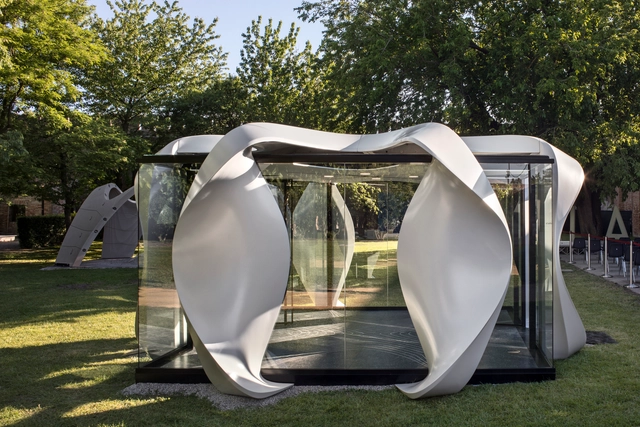
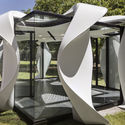
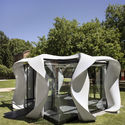
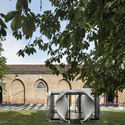
HANNAH office, founded by Leslie Lok and Sasa Zivkovic, is a US-based architecture and research practice that has been experimenting with digital design and fabrication techniques across all types of projects ranging from furniture to urbanism. Both professors at Cornell University College of Architecture, Art, and Planning, Leslie and Sasa lead a studio with a focus on innovative design, where technology plays a crucial role in their work, combined with a sharp study of materials, new applications, and construction techniques, resulting in highly creative projects.
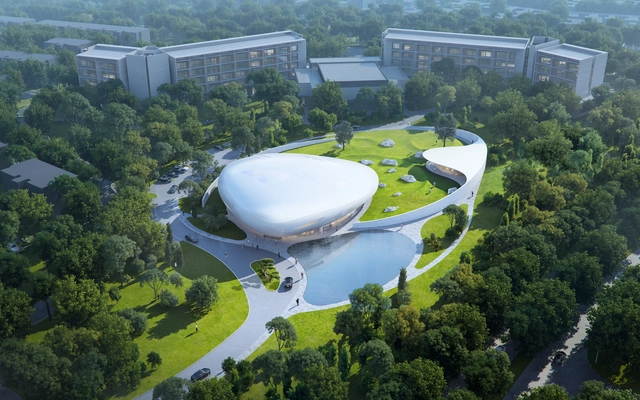
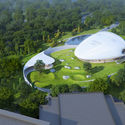
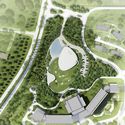
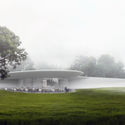
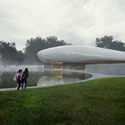
MAD Architects, led by Ma Yansong, has unveiled its design for the Aranya “Cloud Center” in Qinhuangdao, China. The floating-like design will offer Aranya, a vibrant seaside arts and culture community, a new multi-purpose public space with a a variety of functions and sculptured landscapes imagined as a “white stone garden".
Curved shapes have always sparked architects' fascination for evoking nature's beauty, fluidity, dynamism, and complexity. To replicate these shapes, however, is no easy task. From their two- or three-dimensional representation to their execution in their final materials, this represents an enormous difficulty, which requires technical expertise and a great amount of knowledge to achieve strong results. Thinking of new ways to produce organic shapes from natural materials is even more complicated.
In addition to this, working with a natural material such as wood carries its own set of peculiarities. Factors such as the species of wood, where the tree grew, what climate it faced, when it was cut, how it was sliced or dried, among many other variables, largely influence the final result. But it's hard for other materials to compare to the beauty and warmth that wooden surfaces bring to the built environment. If the appropriate processes are used, wood can be curved and remain in the desired shape - and for this, there is a number of known techniques which Australian company, Sculptform, has perfected.
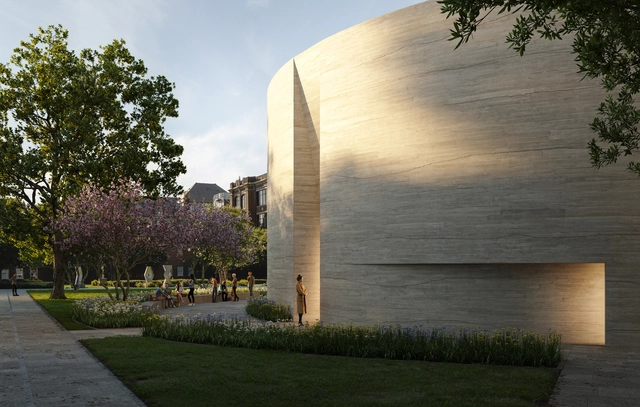
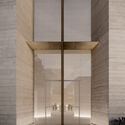
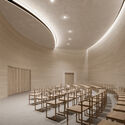
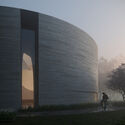
Trahan Architects broke ground on the new Chapel of St. Ignatius and Gayle and Tom Benson Jesuit Center at the Loyola University in New Orleans. The new spiritual site and the community gathering space draw on elements of the Jesuit tradition, central to the University's heritage. Through the circular design, the light-filled interior space and the predominance of natural materials, Trahan Architects creates a space of universal spirituality at the heart of the campus.






































.jpg?1625518957&format=webp&width=640&height=580)
.jpg?1625519477 "© Andy Chen")
.jpg?1625519474 "© Andy Chen")
.jpg?1625518958 "© Andy Chen")
.jpg?1625519242 "Courtesy of HANNAH")
.jpg?1625518957)