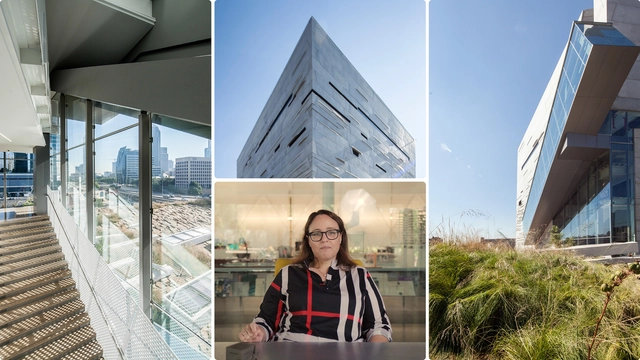
Morphosis has joined DesignClass, a growing collection of online classes featuring innovators from architecture, design, and creative leadership. Each class aims to build "curious and creative confidence" in future generations of creative professionals. Delving into design process, logic, and architecture, the new class focuses on how to translate ideas into dynamic architecture with one of the leading practices today.
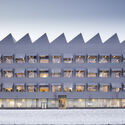
Hydro Healing Center, Yerevan, Armenia, 2015. Image Courtesy of Nishan Kazanian
What follows this short introduction is my unusually personal interview with a Lebanese-American architect and artist Nishan Kazazian. His work is inspired by numerous sources that come from many directions such as Kintsugi, the Japanese art of putting broken pottery pieces back together, primary color geometric abstractions evocative of Russian Constructivism, as well as paintings by Piet Mondrian and Paul Klee. Yet, a stronger inspiration comes from his memories of home and family history. Layering and superimposition of cultures and languages were constantly present in his life since childhood and remain guiding forces to Kazazian, who is both a licensed architect and a professional artist.
Spaces create living environments, and the design of the room has a direct effect on people's moods and behavior. The winners of this year's iF Design Awards show how high-tech materials, elements, and shapes shine in their uniqueness and create a very special atmosphere.
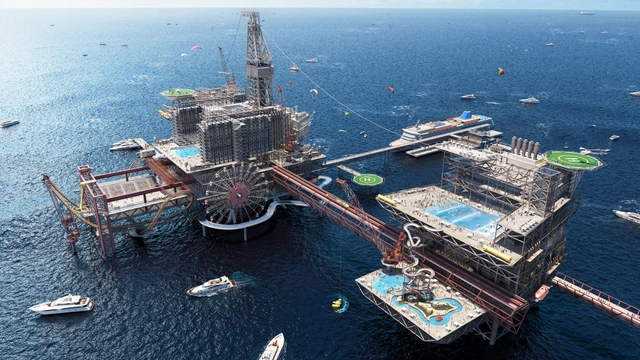
Saudi Arabia's Public Investment Fundhas announced that it will convert an oil rig into a 150,000 square meter amusement park and resort located in the Arabian Gulf. Titled "THE RIG.", the project is expected to be the world's first touristic destination built on offshore oil platforms, featuring three hotels, eleven world-class restaurants, roller coaster rides, and extreme sports and activities like bungee jumping and skydiving, all accessible via a ferry, yacht, cruise, or helicopter.
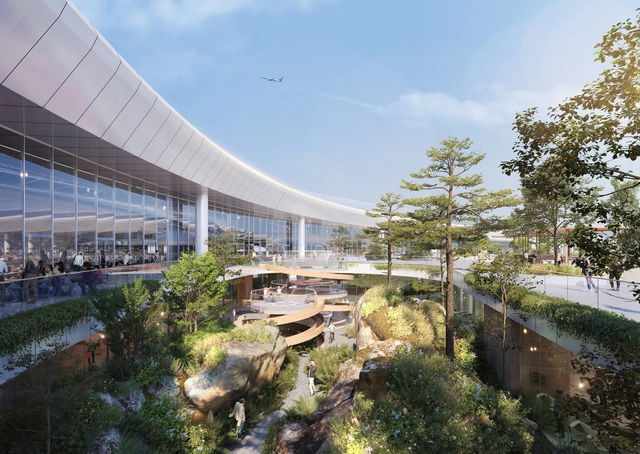
Nordic Office of Architecture won the interior design competition for the new Chongqing Jiangbei International Airport Terminal 3B in China with a concept that integrates experiential programmes and references the identity of the Chinese city. Created in collaboration with UDG, ADC and Lichtvision, the project aims to facilitate intuitive wayfinding while providing travellers with a series of interactive spaces and attractions along their journey.
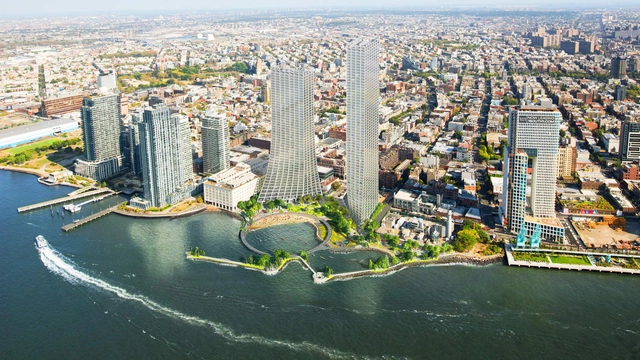
In this week's reprint from the Architect's Newspaper, author Patrick Sisson tackles the implication and participation of communities in New York in shaping their built environment, especially their waterfront. He also asks about the roles of representation and if "the city’s community boards and Uniform Land Use Review Procedure act more like gatekeepers than catalysts for equitable development?" especially that a lot of new developments are labeled as housing projects.
For Alape, perfecting the material, glazed steel – not only in visual terms but also as a haptic experience, as with the Aqua surface series – is particularly important. Image Courtesy of Alape
For 125 years, German brand Alape has been perfecting the visual as well as haptic experience of washbasins and washstands made of glazed steel.
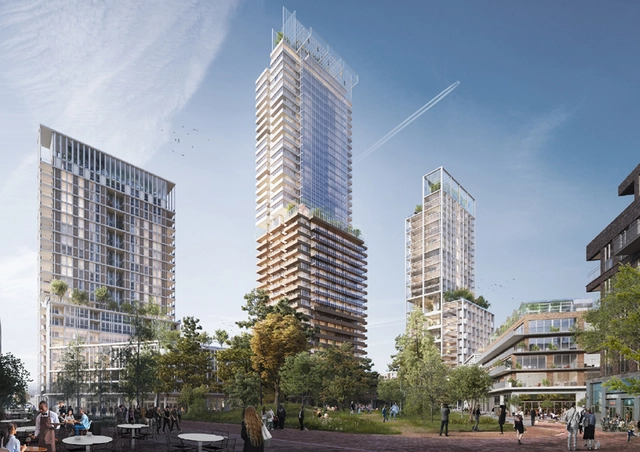
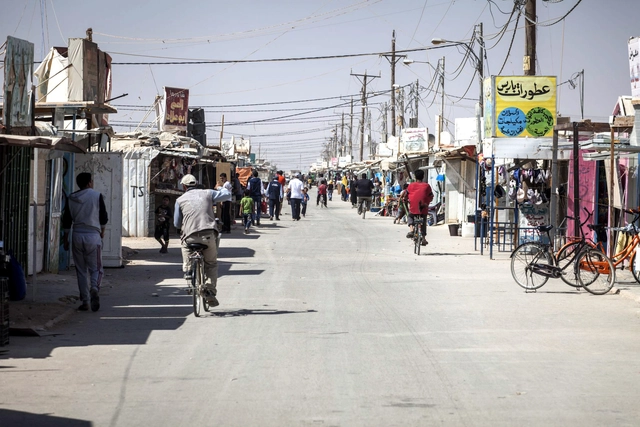
It is projected that by 2025, the world’s population will reach over 8.1 billion people- and a large majority of those people will be heavily concentrated in cities. While much of the focus has been on preparing and reconfiguring our already hyper-dense urban to absorb even more people, in the peripheral, smaller cities and towns around the globe have experienced significant expansion, and have defined themselves as “up-and-coming”. Places that were perhaps once overlooked are putting themselves on the map for their rapid growth, economic vitality, and affordability, among other characteristics.
The Second Studio (formerly The Midnight Charette) is an explicit podcast about design, architecture, and the everyday. Hosted by Architects David Lee and Marina Bourderonnet, it features different creative professionals in unscripted conversations that allow for thoughtful takes and personal discussions.
A variety of subjects are covered with honesty and humor: some episodes are interviews, while others are tips for fellow designers, reviews of buildings and other projects, or casual explorations of everyday life and design. The Second Studio is also available on iTunes, Spotify, and YouTube.
This week David and Marina discuss the differences between architecture school and architecture practice. The two cover school projects vs real buildings; design process; teamwork; architecture concepts; personal growth; clients vs employers vs teachers; the pace of architecture; academic and professional career paths; skill sets; and what the differences mean for students, recent graduates, and the profession.
https://www.archdaily.com/970706/the-second-studio-podcast-on-the-differences-between-architecture-school-and-architecture-practiceThe Second Studio Podcast
COP26, The United Nations Climate Change Conference, is scheduled to be held in Scotland soon, in the last week of October 2021. Against the backdrop of this conference is a heightened global awareness of climate change, as discussions take place on how a sustainable, more equal future can be achieved. The present and future state of architecture is a key component of this conversation, as criticism is levelled at architecture firms that “greenwash” and questions are raised on if the term “sustainability” is increasingly merely being used as today’s buzzword.
Architectural photographer and short filmmaker Kevin Siyuan released his latest architectural short film titled "A Wes Anderson-ish Singapore", a short motion picture that features buildings by world renowned architects built around the country. The 30-minute documentary was released as part of Singapore Archifest's virtual exhibition: Singapore Through My Eyes, and focuses on the urban planning, architecture, neighborhoods, parks, and green spaces, and how the people of Singapore have adapted to the pandemic.
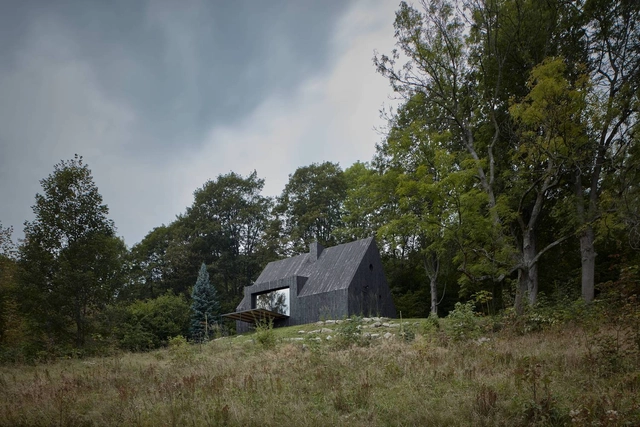
There’s been a recent popular interest in and adoption of an aesthetic born from agrarian retreats called cottagecore. It harkens back to the days of Laura Ingalls Wilder and other simpler times of settlers, pioneers, and traditional European settlements. Cottagecore includes flowers, woods, warm tones, thatched roofs, worn furniture, and other objects and motifs associated with country living. The restorative power of cottages and retreats has long been recognized, but their popularity and renewed interest coincide with the pandemic as our lives are marked by excessive time spent indoors and communicating solely through electronic mediums.
Most homeowners know that mold can spell serious trouble and hefty remediation bills. But did you know invisible mold can destroy your house silently? It sounds scary, and left unchecked it can be, but there are a few things you can do to prevent it from taking over your home. Mold grows anywhere as long as there is moisture and any organic matter that it can feed off. In most homes, the basement provides an excellent place for mold to multiply quickly. Not only does mold quickly multiply, but it can also cause health problems such as stuffy noses, headaches, coughs, and allergies.
We will start by looking at how you can identify mold, deal with invisible mold, identify the products to use and not to use when dealing with mold, and determine when to hire a mold treatment expert.
https://www.archdaily.com/970600/invisible-mold-can-destroy-architecture-silently-how-to-treat-mold-in-buildingsSam Smith
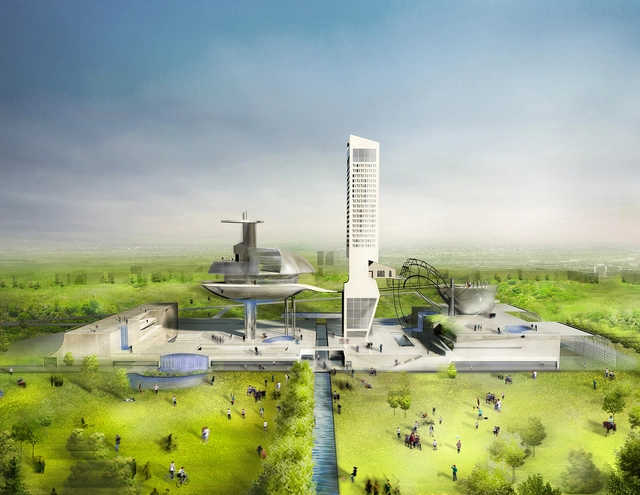
HENN has won two major architecture competitions in Germany to design the Brainergy Hub in Jülich and the German Language Forum in Mannheim. The office's Brainergy Hub proposal features a circular design dedicated to renewable energy research, whereas the Language Forum proposal stands as an inviting open space that promotes communication and interaction through unique learning experiences.
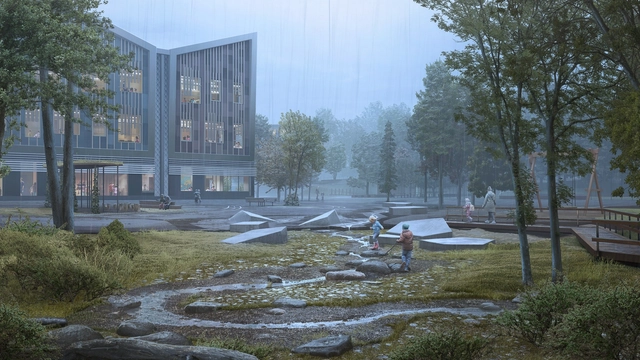
LINK Arkitektur has revealed the design of a school that integrates the local climate conditions and challenges within the educational process. Located in Torslanda near Gothenburg, Sweden, where it rains every other day during the school year, the project uses water as a resource for both play and learning, taking a disruptive situation and turning it into an opportunity for understanding nature and the state of the environment.
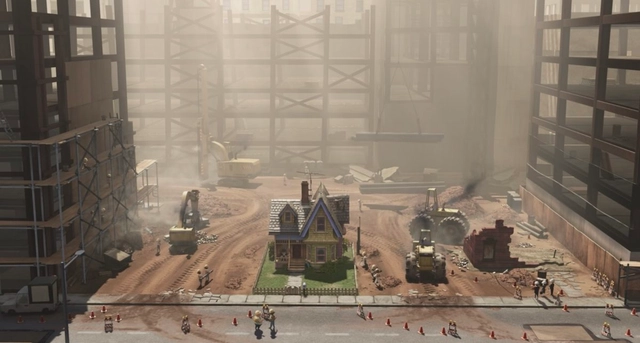
For anyone who has weathered the pandemic while simultaneously raising a toddler: I feel your pain. In my house, toys are no longer organized by function or size; they’re relegated to piles, tossed in corners, buried beneath other things. And yet, despite pangs of homesickness for our beloved Brooklyn, we have found solace in our newfound suburbanization: backyard, vegetable garden, washer/dryer … even a second kid on the way! As we settled into our new routines in the land of sprawl, the pandemic struck and, like countless parents, we subscribed to Disney+. And although I was familiar with Pixar, watching the studio’s movies in this unprecedented context felt like experiencing them anew.
https://www.archdaily.com/970661/the-subversive-urbanism-of-pixar-moviesJustin R. Wolf
Over the course of more than 70 years, American office furniture manufacturer Haworth has developed a unique understanding of how our surroundings help humans thrive in the workplace. Image Courtesy of Haworth
Office furniture specialist Haworth embraces awareness, analysis and imagination in its quest to create workspaces that have a positive impact on our lives.
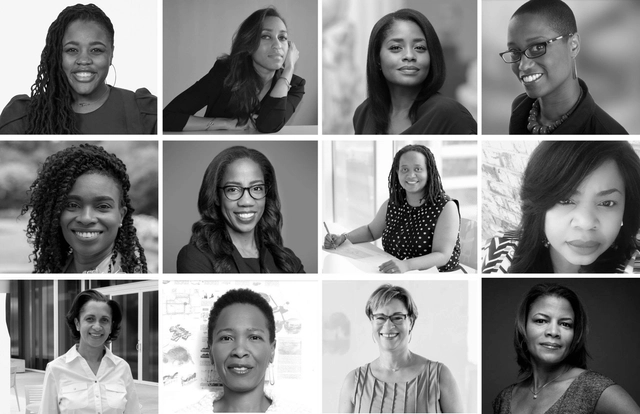
FIRST 500 is a global initiative documenting the achievements of Black women architects, and now the organization has launched a new website. Serving as a digital archive, the website aims to raise awareness about Black women architects and their accomplishments, provide resources for students, practitioners and aspiring architects, and build a community for Black women in the field.
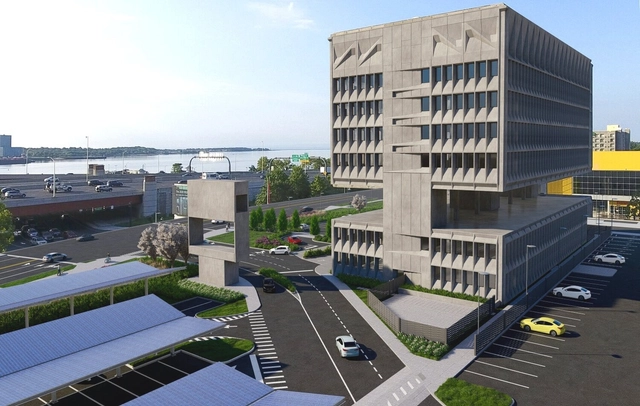
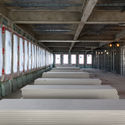
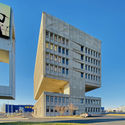
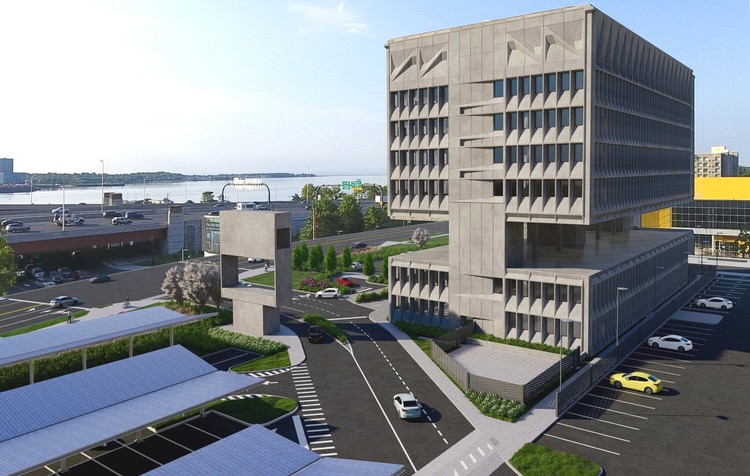
Marcel Breuer’s Pirelli Tire Building, a beacon of Brutalist architecture in the United States, is being reimagined as a hotel by development company Becker and Becker. After being abandoned for years, the structure was sold to architect and developer Bruce Redman Becker in 2020 with plans to transform it into a sustainable 165-room hotel. The sculptural concrete structure aims to be a model for passive design hotels using its unique architectural features and innovative adaptive reuse techniques.
The two Belgian practices BOGDAN & VAN BROECK and BC Architects & Studies are currently designing a care centre for drug users in Brussels, which would provide this vulnerable group with a safe and welcoming environment accessible 24/7. Featuring temporary residencies and community spaces, the building neighbouring the city’s port functions as a contemporary version of an inn, bringing a domestic character to an underwise sterile institutional program.
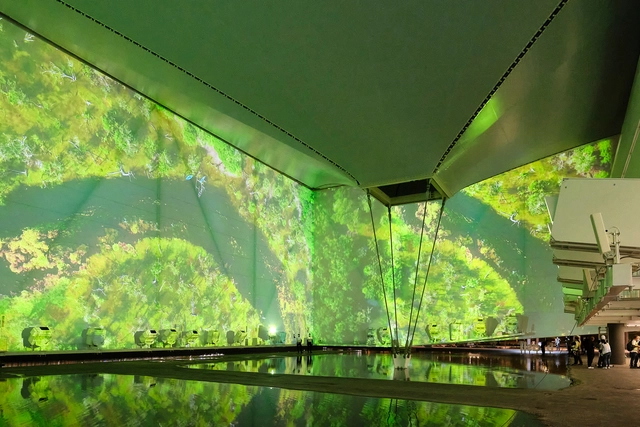
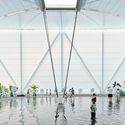
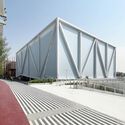
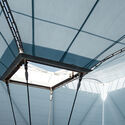
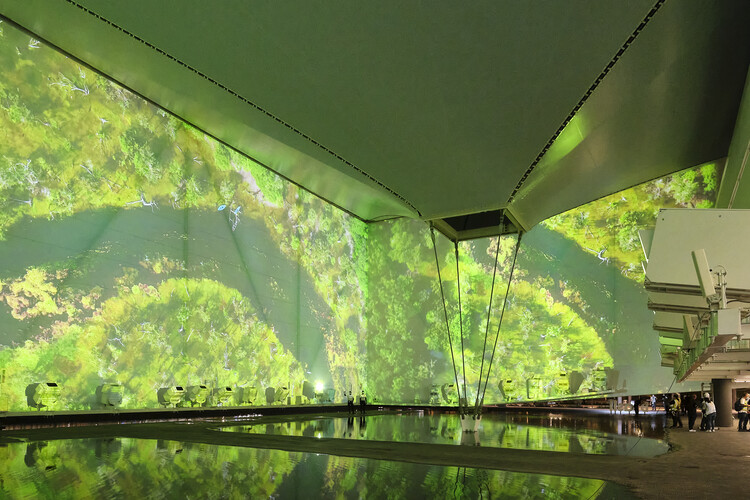
Designed by JPG.ARQ, MMBB Arquitetos, and Ben-Avid, the Brazil Pavilion at Expo 2020 Dubai offers a sensory experience that connects visitors of the World Expo with Brazilian biomes and cultural heritage.
"Architecture encompassed my interest in reality and societal issues," says architect Dorte Mandrup, in an extensive conversation with Louisiana Channel, in which the founder and creative director of Dorte Mandrup Arkitekter reflects on formative years and the values of her architecture practice. Four years in the making, the film takes viewers on a journey through Dorte Mandrup's architecture, with compelling footage telling the story of designs such as the Ilulissat Icefjord Centre, Jaegersborg Water tower, or Ama'r Children's Culture House. Through the portrait film, the architect touches on numerous topics such as sustainability and climate change, the relationship of the built environment with the landscape, and as well as the profession itself and its present transformations and challenges.
Estadio Municipal de Balaídos, Vigo, Spain / Pedro de la Puente Crespo. Image Cortesia de STACBOND
The task of rehabilitating buildings has been increasingly encouraged and celebrated for some reasons: first, by renovating and not demolishing, a large part of the material resources present are used, reducing the use and exploitation of raw materials and, in certain cases, the memory and the original urban fabric are preserved. A good rehabilitation also incorporates the modernization of the building to increase its energy efficiency, readjustment of facilities and the correction of pathologies, making it coherent with the demands of current users. For the building's owners and users, this means a better quality of life and, also very important, an appreciation of it. An element that plays a fundamental role in rehabilitation is the façade, which combines aesthetics and performance.



















.jpg?1634887210&format=webp&width=640&height=580)
.jpg?1634887251 "Brainergy Hub. Image Courtesy of HENN")
.jpg?1634887182 "German Language Forum. Image Courtesy of HENN")
.jpg?1634887186 "German Language Forum. Image Courtesy of HENN")
.jpg?1634887229 "Brainergy Hub. Image Courtesy of HENN")
.jpg?1634887210)