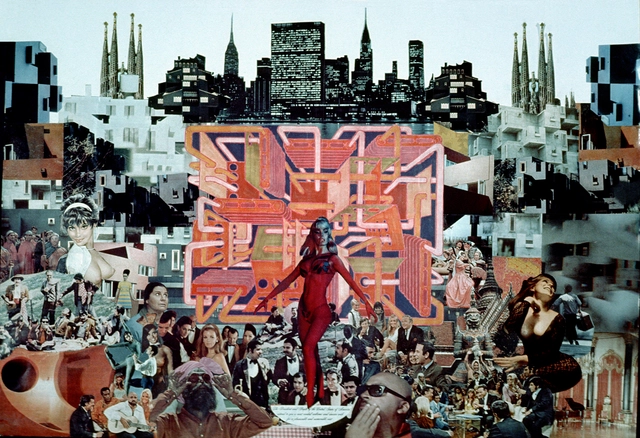
La ciudad en el espacio. Image Cortesía de Ricardo Bofill Taller de Arquitectura
It was 1968 when Ricardo Bofill Architecture Workshop's published a kind of manifesto in reaction to the pressing demands of a society in constant transformation. The idea of the City in Space saw the light of day for the first time and was proclaimed as an absolute architecture, capable of resolving all the complexities of its contemporaneity through a unique open, flexible and three-dimensional model.
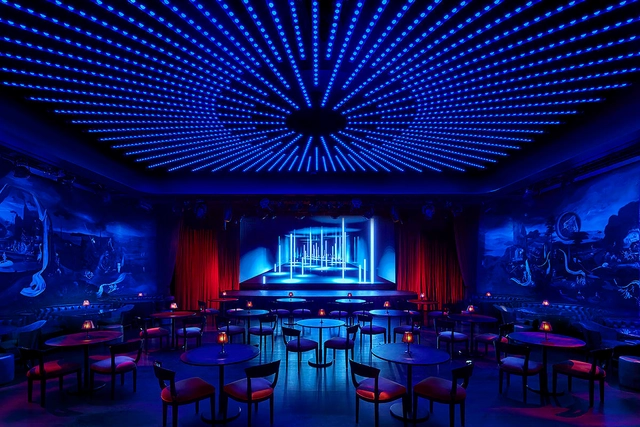
Statement interiors leave a lasting impression on both frequent and infrequent users, whether with striking pieces of furniture, oversized lighting, or even a bold feature wall. The very best creations, however, don’t need to beg for attention to be recounted afterward, they let praise come to them with a peacocking presence so extravagant, it’s impossible not to take notice.
In the architectural conversations taking place today, sustainability is a key topic of interest. Architecture firms embrace the term as a key part of their design ethos, and architecture schools globally have integrated designing “green” architecture as a core component of their curriculums. This sustainability conversation has also filtered down into more individual actions one can take within their immediate context. Online, for instance, guides abound on how you can make your home more eco-friendly and energy-efficient.
The tech industry in Japan has continued to serve as a pivotal driving force in Japan, with the whole country being well known for its technological innovations in various industries. As of late, most industries and companies have begun to shift their focus to the topic of sustainable development, with the inclusion of using these very technologies to work towards zero energy goals.
Artificial intelligence systems endeavor to replicate or mimic human intelligence by combining datasets with iterative processing algorithms to learn from patterns and experience. From Siri, Alexa and other smart assistants to conversational bots and email spam filters, what once seemed like a technology pulled from science fiction has become ubiquitous in our daily lives.
ImageJewel Changi Airport by Safdie Architects. Image Courtesy of Jewel Changi Airport
Safdie Architects is a research-oriented architecture and urban design studio active in a wide variety of project types, scales, and sectors. Safdie Architects’ global practice is directed from its headquarters in Boston, Massachusetts, with satellite offices in Jerusalem, Shanghai, and Singapore. Projects are designed, managed, and executed by a global team that hovers around 65 people! The practice is organized as a partnership and operates in the model of an intimate design studio environment. The firm's partners – many of whom joined Safdie shortly after graduation – have been working together for decades.
Advances in biotechnology and material science are opening new material opportunities, with the potential of fundamentally changing the connection between the built environment and the natural world. Building materials and construction account for 11% of greenhouse gas emissions. The AEC industry can contribute to curbing climate change in the following years, and the re-evaluation of commonplace building materials is one of the most critical steps. Bioengineered materials, which grow, produce energy, self-heal, are the next frontier in biology and material science and potentially a path towards a new kind of architecture. Although innovation in these fields is still far away from mainstream commercial use, it promises to dramatically change the image of the built environment.
American architect Gyo Obata, FAIA, co-founder of renowned architecture firm HOK, has passed away on March 8 at the age of 99. The news was announced by the office through a statement, honoring the architect's legacy and highlighting his holistic approach which "helped drive HOK’s ongoing expansion into new specialty practices, market sectors and geographic regions".
'Future Cites' exhibition was recently inaugurated at the Future Design Arts Centre in Chengdu, examining how the work of Zaha Hadid Architects has redefined urban landscapes around the world. The monographic show highlights the trends and innovations shaping contemporary urbanism and traces the ideas and concepts that defined ZHA's body of work. The exhibition displays the office's ongoing research and various urban design approaches, presented through visualizations, architectural models and video projections.
As the city continues to evolve and transform, dead edges in the cityscape begin to emerge, subsequently reducing the level of activity in our built environment. These 'dead edges' refer to the areas that lack active engagement, they remain empty and deprived of people, since they no longer present themselves as useful or appealing. As the Covid-19 pandemic draws to an ultimate close, the first issue we may face post-pandemic is to revive our urban environment. A kiss of life into a tired and outdated cityscape...
The focal element in creating an active and healthy urban environment is by increasing vitality through placemaking. Creating diverse and interesting places to reside, thrive, and work. Here are five regenerative strategies that animate the cityscape and ultimately produce resilient, attractive, and flexible environments.
Although it was originally published in 2019,this essay by Randy Nishimura, lightly updated, serves as a rebuttal of sorts to Duo Dickinson’s recent Common Edge piece, “The Architectural Pandemic of the ‘Stick Frame Over Podium’ Building.” Dickinson likens the building type to a plague; Nishimura offers a contrarian’s perspective.
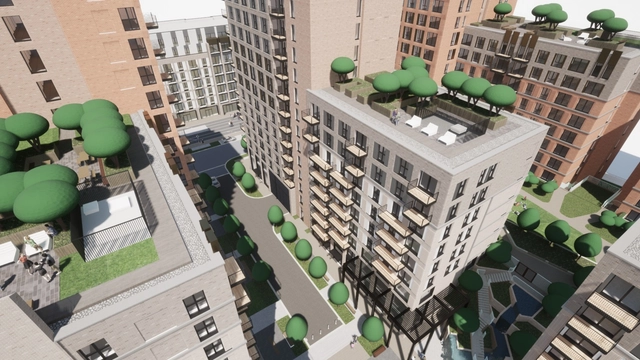
A recent spate of articles bemoaning the proliferation of 5-over-1 apartment buildings caught my attention. Outlets such as Bloomberg, Common Edge, Crosscut, and Curbed have all commented on the building type, the common thread being a reproach for their ubiquity, sameness, and inexpensive construction. Some of the critiques rightfully point to the confluence of multiple factors—evolving building codes, a lack of developable land, rising construction costs, and an acute lack of affordable housing—that have given rise to countless examples of the type across the country. The same dynamics are in play here in my hometown of Eugene, Oregon, so we naturally have our share of 5-over-1 developments.
The talk "How to Win Work" - Business Development for Architects, is hosted by Sara Kolata with the following guests: UNStudio's director Filippo Francesco Lodi, London practice owner Simone de Gale, author of "The Business of Architecture" book and practice owner, Kathy Denise Dixon and Jeronimo Van Schendel of the IE School of Architecture and Design. All four experts are speakers at Disrupt Symposium, taking place 1-5th May 2022, online. https://www.disruptsymposium.com/
Mies Crown Hall Americas Prize announced the full list of jurors for its fourth edition, chaired by Sandra Barclay of Barclay and Crousse Architecture, and just released the nominated projects comprising 200 built works in North and South America, for MCHAP 2022 and 50 projects for MCHAP.emerge 2022.
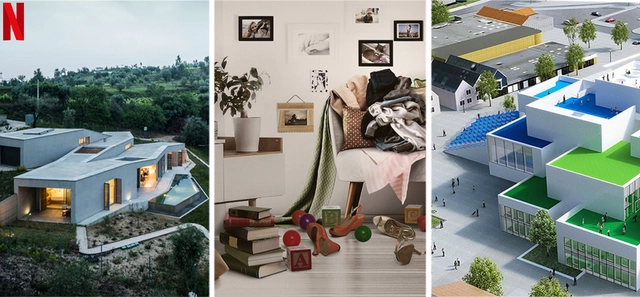
With over 3,000 categories and entertainment genres in the span of 25 years, Netflix has offered its users an array of content, ranging from feature films and sitcoms to documentaries and competition shows. Among these numerous genres is a selection dedicated to architecture and design enthusiasts, one that gives them access to the minds of the world's greatest designers and highlights unique projects from across the world. Whether you're looking for design inspiration or searching for something new to watch, we have selected 10 must-see architecture and design-related documentaries, TV shows, and films currently streaming on Netflix.
“I’ve always been quite interested in keeping up with what’s happening on a technical front,” said Nick Lawrence, a practice director at A&Q Partnership in London. The architect, who studied engineering in undergraduate school, leads the building information modeling (BIM) effort at A&Q Partnership and says his studies greatly influenced his interest in information modeling.
His interest extends beyond personal. Relying on BIM framework has been crucial for A&Q Partnership, who work on large, multi-building commercial and residential projects.
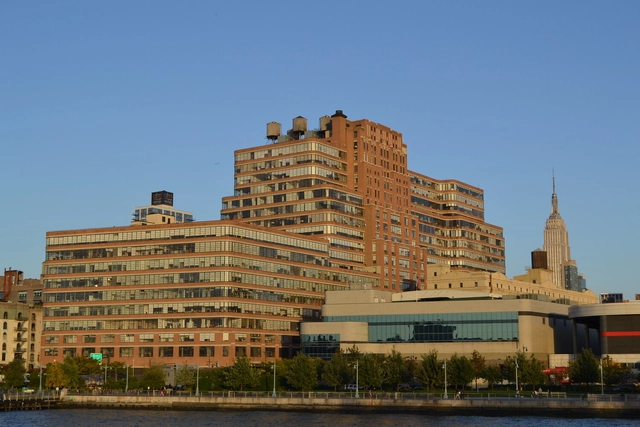
David Adjaye Associates has been commissioned to design an exhibition with rare and previously unreleased work of Jean-Michel Basquiat, to be hosted at the Starrett-Lehigh Building in West Chelsea, New York. "Jean-Michel Basquiat: King Pleasure" is the first show organized by the artist's family after his death and will feature over 200 paintings, drawings and artefacts, together with recreations of Basquiat's New York art studio and the Michael Todd VIP Room of the Palladium nightclub, for which the artist created two paintings.
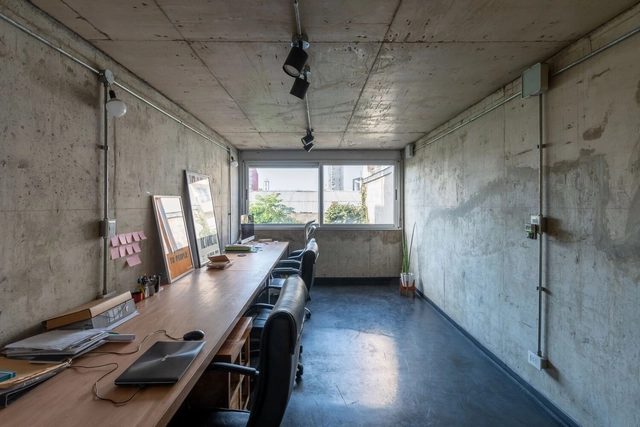
Pipes, wiring and ducts of different materials in walls, ceilings and roofs make up all the spaces we walk through and inhabit. They represent the set of networks and equipment necessary for the development of life in our buildings, providing services such as water, electricity or gas, among many others. According to the regulations in each country and the use defined in each space, the installations can be left visible, giving a certain character and aesthetic to interior spaces.
Take a second to imagine a building or a room. Chances are you are envisioning flat rectangular surfaces and straight lines. Whether it be walls, beams or windows, most architectural elements come in standard and extremely practical orthogonal shapes. However, the pandemic has shed light on designs that are not only functional, but also that improve our mood and well-being. In that sense, the power of curved, free-flowing surfaces is unmatched, which explains why they have been making a comeback as a modern design trend. Adopting beautiful nature-inspired shapes, organic curls and bends energize rooms and make users feel good. In fact, neuroscientists have shown that this affection is hard-wired into the brain; in a 2013 study, they found that participants were most likely to consider a space beautiful if it was curvilinear instead of rectilinear. In short, humans love curves.
Functionality, good ventilation, comfortable lighting, and access to views are some of the important required characteristics that make for human comfort in inhabited or occupied spaces. Nonetheless, those elements are becoming harder to achieve within smaller city dwellings. Architects and individuals, therefore, turn towards design solutions to create more agreeable and personalized settings.
An initial solution to upscale and widen spaces is to reduce the amount of standard solid partitions or walls and replace them with alternative means of spatial separation.
It is crucial to consider the future environmental impact of everything we create. Climate change remains high on the global agenda, and every industry must take part in the goal of reaching Net Zero. One of the more challenging industries concerns construction, which plays a vital role in the process of decarbonization and is constantly encountered with challenges to become greener. Therefore, it demands innovative techniques and development of data to find new and sustainable processes. One solution is to introduce and design both cleaner and more efficient materials. Bricks are a good example, as they can be used in building constructions to ensure a circular process and minimize carbon emissions, being an extremely durable material that can be produced with more sustainable techniques.
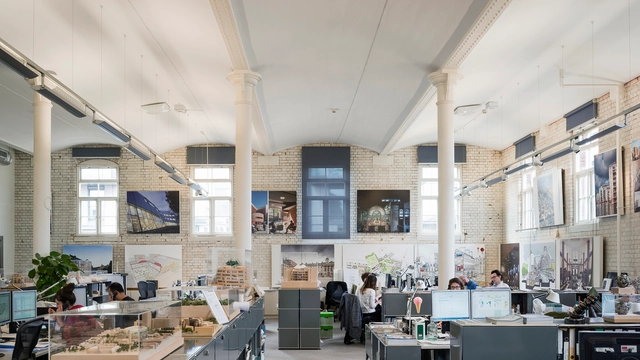
Moving forward with his "ultra-marathon of photoshoots", architectural photographer Marc Goodwin is putting together an Atlas of Architectural Atmospheres by Arcmospheres, a project that seeks to document diverse architecture and design studios from around the world. Since 2016, the architectural photographer has been traveling "far and wide to capture the atmospheres of architecture studios in order to produce an online and print resource for the architecture community", and after a two-year hiatus due to the pandemic, Goodwin resumed his project with an exploration of Berlin's architecture offices, capturing the work environment of renowned firms such as Hesse, LAVA, JWA, and FAR frohn&rojas, to name a few.
Shigeru Ban Architects designed a wellness retreat on Japan’s Awaji Island. The project features a bridge-like wooden structure suspended above the lush landscape, providing visitors with a zen experience. The Vierendeel timber girder allows for a 21-metre span and a significant cantilever on one end of the 90-metre long structure. The Zenbo Seinei retreat, which will focus on meditation and healthy food, is currently under construction and is set to open this spring.
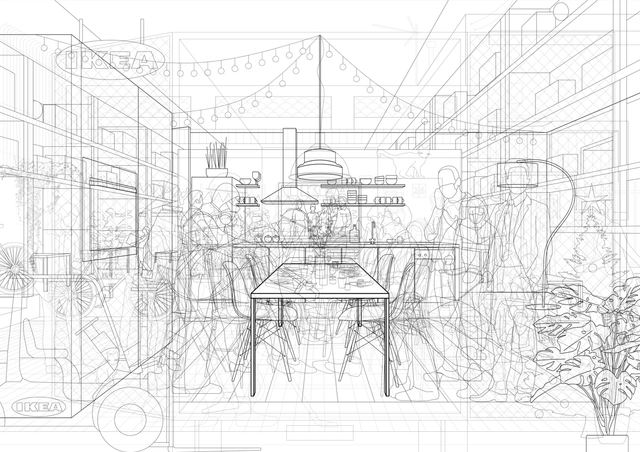
Poner la mesa. Image Cortesía de Florencia Köncke y Paula Olea Fonti
Setting the Table is an illustrated reflection by architects Florencia Köncke and Paula Olea Fonti. In the following paragraphs, the authors develop a first approach to the study of the table as "the centre of our notion of domesticity"(1). In the relationship between space, objects and people and as a social catalyst for gathering and exchange.
https://www.archdaily.com/977914/setting-the-table-from-the-ordinary-table-to-the-extraordinary-tableFlorencia Köncke + Paula Olea Fonti
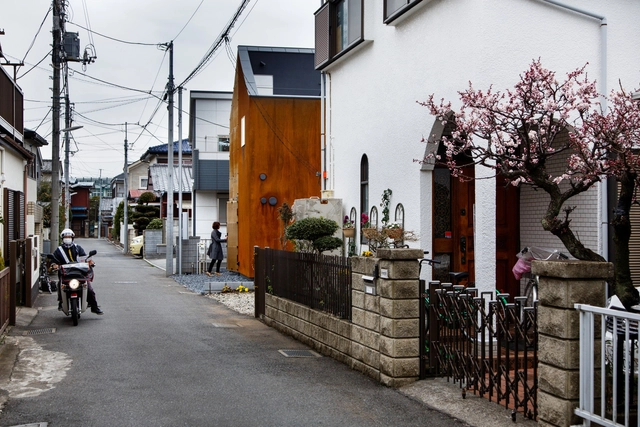
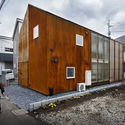
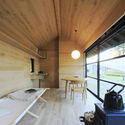
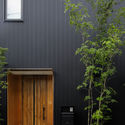
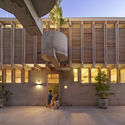
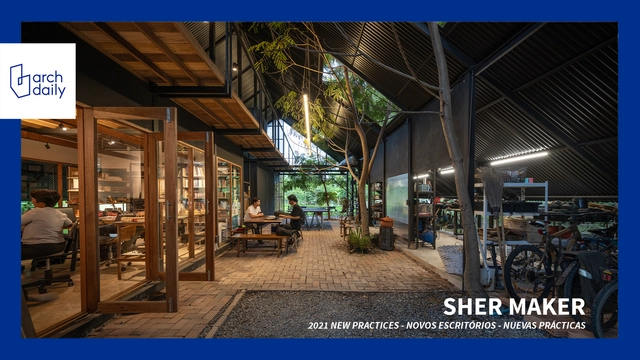
The culturally-significant town of Chiang Mai, northern Thailand, is an area of rich history and religion, preserving traces of walls, moats, and temples from a past that dates back to the 13th century. Between its lush trees and scenic landscapes sits architectural design studioSher Maker's workshop and office, a locally-sourced space that accentuates the process and meaning behind building construction. Their workspace is no different than their portfolio; having an interest in the origins of architectural formations, the context of local materials and technologies, as well as the atmosphere that surrounds the building both physically and atmospherically, the team translated their design approach to create their own working space.










.jpg?1646943619&format=webp&width=640&height=580)








.jpg?1646941882&format=webp&width=640&height=580)












.jpg?1646659724 "Courtesy of Sher Maker")


