

-
Architects: PH TIPO CASA
- Area: 214 m²
- Year: 2019


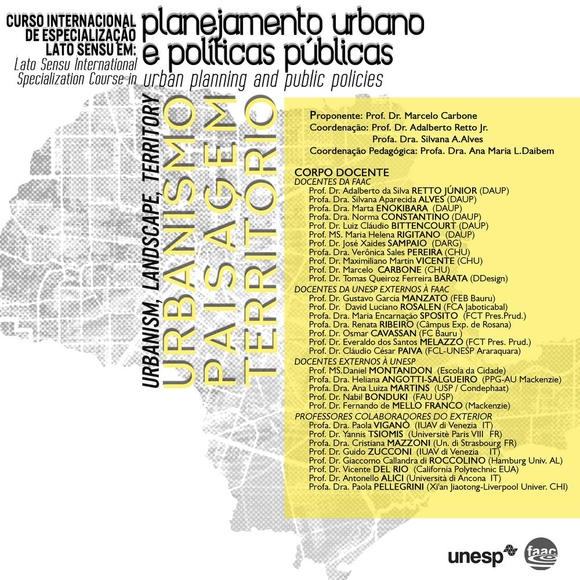
The proposal for the International Lato Sensu Specialization Course in URBAN PLANNING AND PUBLIC POLICY: URBANISM, LANDSCAPE, TERRITORY is structured as a research itinerary with a dual objective. First, it aims to create a think tank on contemporary urbanism as an interdisciplinary activity that encompasses urban and territorial policies, moving beyond the rigid dichotomy between planning and design. Second, by establishing relationships with the environment through research, reflection, and action, the course aims to link academic investigation with diverse public policies, based on the production of scientific knowledge systematized in a database that serves as support for Territorial and Urban Planning.
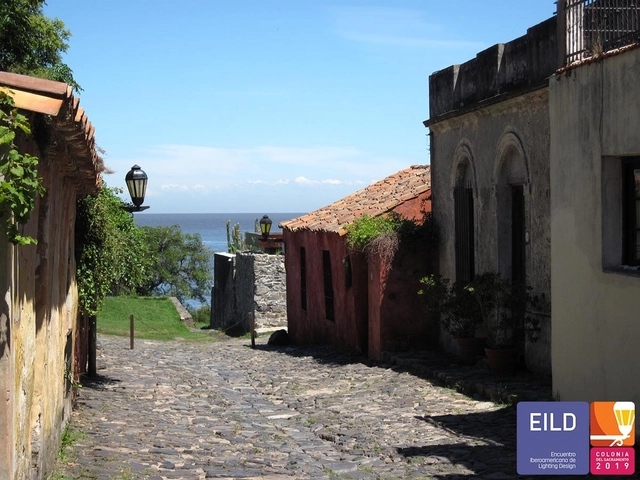
The Ibero-American Lighting Design Meeting (EILD) is a non-profit initiative led by a group of independent, active professionals. It serves as a space for reflection and the exchange of ideas among Ibero-American lighting designers, extending its influence worldwide. The spirit of the meeting promotes new ways of conveying the values of lighting design, emphasizing communication and collaboration across all disciplines related to the profession. The event began in 2010 in Valparaíso (Chile), followed by Querétaro (Mexico) in 2012, Medellín (Colombia) in 2014, and Ouro Preto (Brazil) in 2016, consistently supported by major professional lighting equipment manufacturers, associations, and national and international institutions.
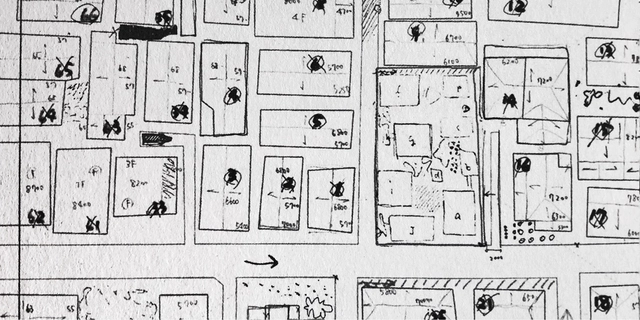
Registration Open: International Contemporary Architecture Course in São Paulo - Gabriel Kogan
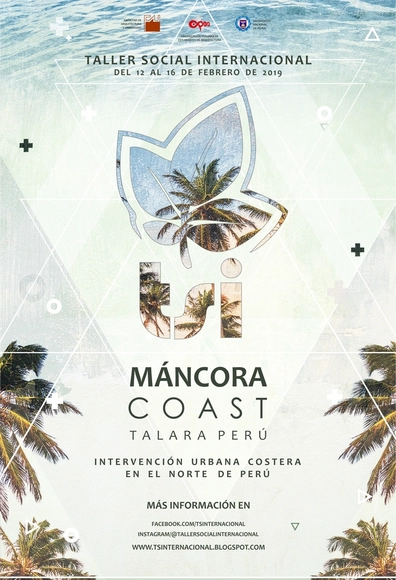
The 2019 International Social Workshop (TSI) is being held as part of the Microcoast construction workshop in Máncora, the coastal tourism capital of the Piura region. It is organized by the Peruvian Organization of Architecture Students in collaboration with the Faculty of Architecture and Urbanism at the National University of Piura, which is accredited by the Royal Institute of British Architects (RIBA).

The project consists of a scientific event and a symposium involving Japanese and Chilean participants on a topic of mutual interest. Both Japan and Chile face significant natural disasters—such as climate change, earthquakes, and tsunamis—that profoundly impact their built environments, cities, urban planning, collective memory, and society. The project focuses on a specific case study: the 2010 earthquake and subsequent tsunami in the Greater Concepción area.

The third edition of the Architecture Students Seminar (SEA), aimed at architecture students, professionals, and the general public in Ecuador, will take place on January 25–26, 2019. Organized by the National Organization of Architecture Students (ONEA Ecuador) in collaboration with the Universidad Laica Eloy Alfaro, the University of Guayaquil, the Catholic University of Santiago de Guayaquil, and the Indoamerica Technological University, the event will be hosted at the Universidad Laica Eloy Alfaro.
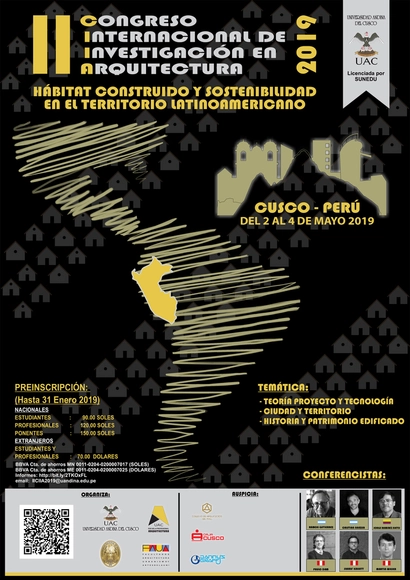
The International Congress of Architectural Research is a recently established academic initiative. Its primary objective is to promote the convergence of architects, urban planners, and students from Latin American schools and faculties, united by a shared awareness of the current importance of research in addressing the challenges facing the discipline and their implications for the development of our countries. The call for papers for the second Congress focuses on research projects centered on the theme: "Built Habitat and Sustainability in the Latin American Territory."