1. ArchDaily
  2. Urban Planning

Urban Planning: The Latest Architecture and News

Why Public Spaces are the Safest Investment for Secure Cities

Why Public Spaces are the Safest Investment for Secure Cities - Image 1 of 4Why Public Spaces are the Safest Investment for Secure Cities - Image 2 of 4Why Public Spaces are the Safest Investment for Secure Cities - Image 3 of 4Why Public Spaces are the Safest Investment for Secure Cities - Image 4 of 4Why Public Spaces are the Safest Investment for Secure Cities - More Images+ 15

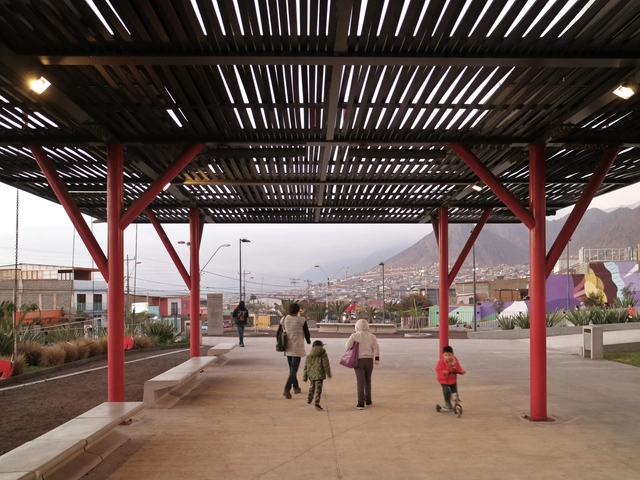
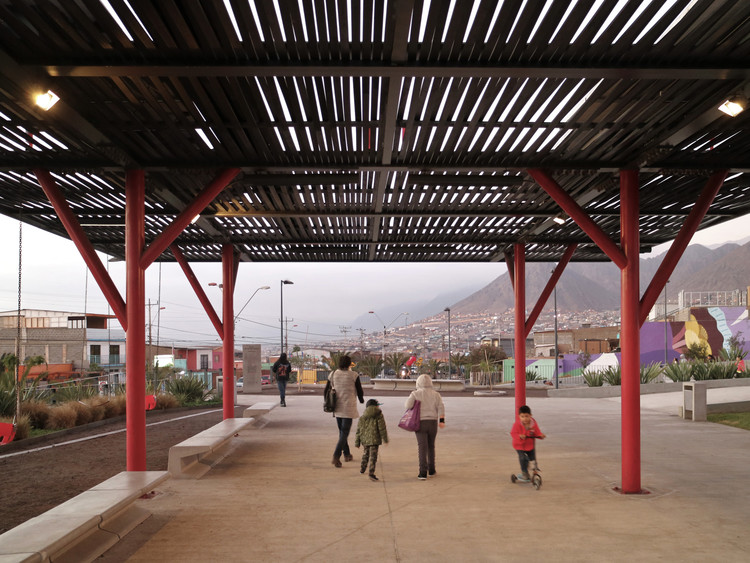
Architecture is powerful, and like nuclear energy, it all depends on how it is used. While it can create uninhabitable municipalities, it can also create safer cities that improve quality of life.

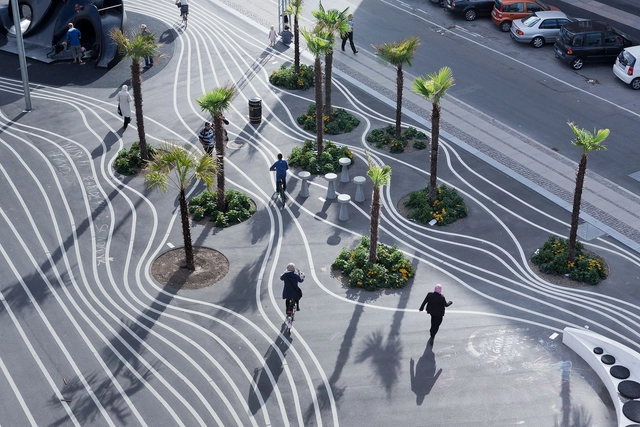
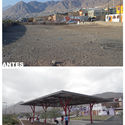
In various examples, urban design has provided a response to deteriorated or abandoned public spaces. It has shown that distribution and lighting are essential, but that it is also necessary to consider who will be using the space and how to make it an environment that generates community.
Call for Submissions - Ground Up Journal Issue 08: HOME

Ground Up, the journal of the Department of Landscape Architecture and Environmental Planning at UC Berkeley, Issue 08 seeks entries that address the idea of HOME.

Serious Question: Should We Call Them Slums?

Slum. Shanty Town. Favela. Ghetto. Barrio Marginal. Bidonville. The list goes on. 

We have the foresight to understand and predict that demand for shelter in urban environments will continue to expand, perhaps indefinitely, but certainly until the highly-cited prediction that by 2050, more than two-thirds of the global population will live in cities. With this reality, is it time to reassess the way in which we talk about different forms of urbanization?

How Cities have Rebuilt from the Ashes

Subscriber Access | 

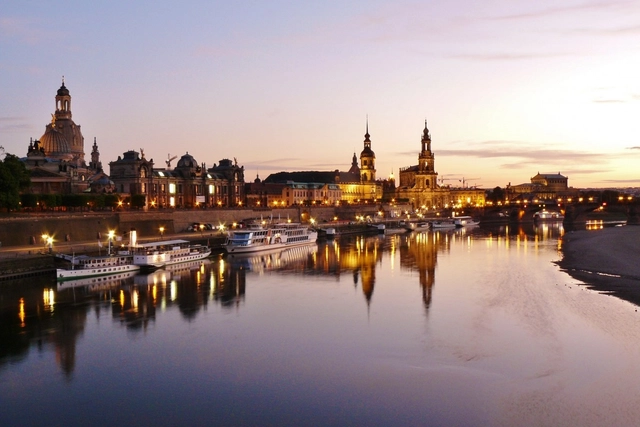
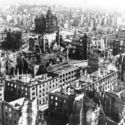
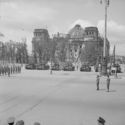
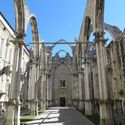
Every city has a story. Throughout history, many natural and man-made changes have altered the way cities were originally laid out. For some, the urban form developed as a result of political disputes, religious separations, or class divides. For others, a more mixed approach has allowed for uniquely mixed cultural atmospheres. And while development of cities is typically slow, occasionally cities experience dramatic and immediate changes to the urban fabric - the results of natural disaster, military conflict, or industrial catastrophe.

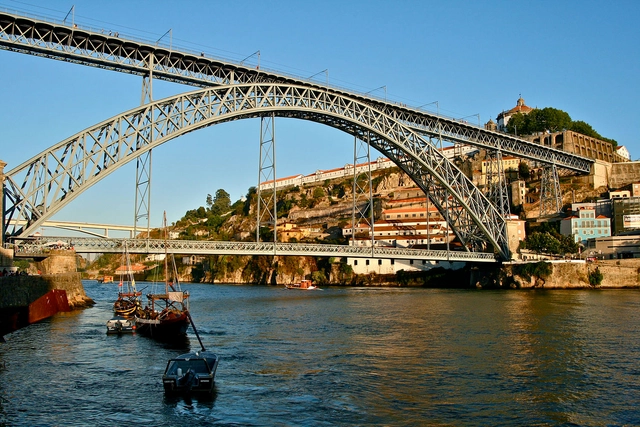
What happens next - if anything - can reveal a great deal about not just the city itself, but the local culture. Do cities rebuild exactly as they were? Or do they use disaster as an opportunity to reinvent themselves? The following is a roundup of cities that have moved past catastrophe to be reborn from the ashes.

How Cities have Rebuilt from the Ashes - Image 1 of 4How Cities have Rebuilt from the Ashes - Image 2 of 4How Cities have Rebuilt from the Ashes - Image 3 of 4How Cities have Rebuilt from the Ashes - Image 4 of 4How Cities have Rebuilt from the Ashes - More Images+ 37

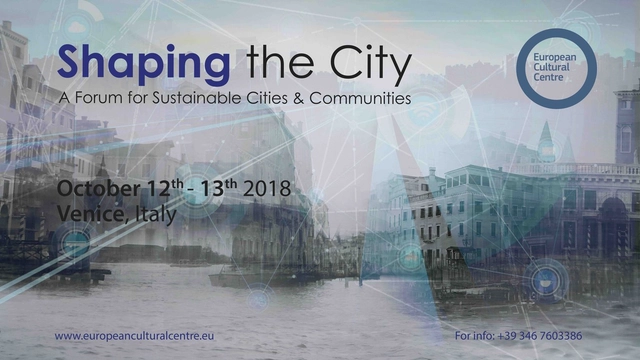
Shaping the City: A Forum for Sustainable Cities and Communities

The European Cultural Centre for the Exhibition “Time-Space-Existence” in context of the 16th Venice Architecture Biennale is organizing its first conference under the title of: “ Shaping the City : A Forum for Sustainable Cities and Communities”. It includes all participating architectural schools and universities from across the globe in TSE 2018 along with other international institutions and architecture studios.

Mind the Gap: Minimizing Data Loss Between GIS and BIM

Subscriber Access | 

An unfortunate fact of the AEC (architecture, engineering, and construction) industry is that, between every stage of the process—from planning and design to construction and operations—critical data is lost.

The reality is, when you move data between phases of, say, the usable lifecycle of a bridge, you end up shuttling that data back and forth between software systems that recognize only their own data sets. The minute you translate that data, you reduce its richness and value. When a project stakeholder needs data from an earlier phase of the process, planners, designers, and engineers often have to manually re-create that information, resulting in unnecessary rework. 

50 Planning Terms & Concepts All Architects Should Know

Subscriber Access | 

As architects, we often use a niche set of words that are sometimes unnecessarily complex and confusing to our non-architect friends. In 2015 we compiled a list of these, ranging from “typology” to “Blobitecture.” Here we’ve rounded up 50 urban planning terms that might be a bit less familiar but just as important to know.

From weird portmanteaus such as “Boomburb” to cute-sounding acronyms such as "YIMBY", here is a fun A to Z in urban planning language that will make future collaboration easier.

LA's Pershing Square Is Preparing for a Redesign—And Some Worry They Are Losing a Valuable Civic Space

Subscriber Access | 

Surrounded on all sides by "business blocks of architectural beauty and metropolitan dimensions," the intersecting planes of Pershing Square in Los Angeles provide a modernist retreat for many Angelinos in the downtown area. While to some, the square's large stucco tower and aqueduct-like water feature serve as a cultural landmark, the park has drawn negative press due to its lack of green space and abundance of drug-related activity. John Moody purposefully concentrates on the perception, memory, and identity of the space in his documentary Redemption Square—winner of the Best Urban Design Film 2017 at the New Urbanism Film Festival. Using the voice of strangers, residents and those who used to call it home, Moody guides you from the park’s formation in 1866 to its impending renewal: a “radically flat” redesign courtesy of Agence Ter and Gruen Associates.

On the Other Side of the Wall of Shame in Lima, Peru

Subscriber Access | 

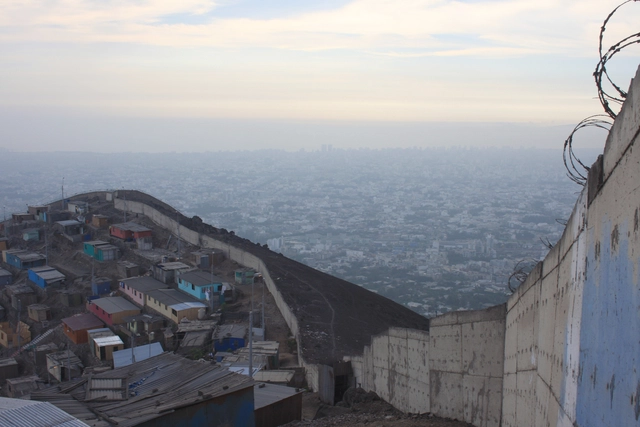
Warning: this article proposes a narrative according to the route taken from one side to the other of the wall, from the predictable to the most unpredictable. To better situate ourselves, the narrative will be told through my personal experience.

"Do you know the wall that divides the rich from the poor?," asked three Greek travelers who, after visiting the "pretty" side of Lima, suspected that something was hiding behind appearances. But, "how is it that from, even though you're from the other side of the world, you knew about the wall?" Well, news travels. And "why is this wall something that has to be seen in our city?" if it's not a cause for pride. I knew exactly what they were talking about. I spelled it out: the wall of shame. Certainly, I wasn't familiar with it in situ either, since I hadn't left my urban bubble, like many of those who live in these parts, so with the same curiosity, as a tourist of my own city, we made our way.

A Deep Dive Into the Sad Story of the Makoko Floating School

A Deep Dive Into the Sad Story of the Makoko Floating School - Image 1 of 4
© NLÉ architects

Within a week of its successor being awarded the Silver Lion at the 2016 Venice Biennale, the original Makoko Floating School collapsed. Designed by Nigerian architect Kunlé Adeyemi of NLÉ Architects, the school was located in the Lagos Lagoon in Nigeria. Now, almost two years later, Lagos-based writer Allyn Gaestel has investigated the vulnerable coastal community and architect behind the project in a remarkable narrative nonfiction piece, "Things Fall Apart."

99% Invisible Investigates the Utopian and Dystopian Histories of the Bijlmermeer

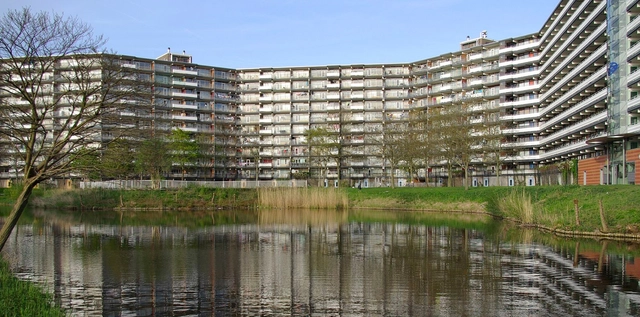
How can we plan a better city? The answer has confounded architects and urban planners since the birth of the industrial city. One attempt at answering came in the form of a spectacular modernist proposal outside of Amsterdam called the Bijlmermeer. And, as a new two-part episode by 99% Invisible reveals, it failed miserably. But, like all histories, the story is not as simple as it first appears.

This Medieval Town is Built Inside a Crater and Composed of Millions of Diamonds

From the greystone of Montreal to the limestone of Jerusalem, every city has its own iconic identity read through the city’s urban fabric. Scanning the architecture of the 1,110-year-old German town of Nördlingen, the timber frame homes, red pitched roofs, and winding streets appear identical in almost every regard to many quaint medieval communities populating the European countryside.

While the town’s appearance in the 1971 classic Willy Wonka and the Chocolate Factory may seem like its most notable claim, there is something entirely unique about the architecture of this south German locale. Nördlingen is literally made of diamonds—millions of microscopic diamonds to be exact—with the town itself constructed within an ancient impact crater.

20 Finalists Announced in International Housing Competition for Russia

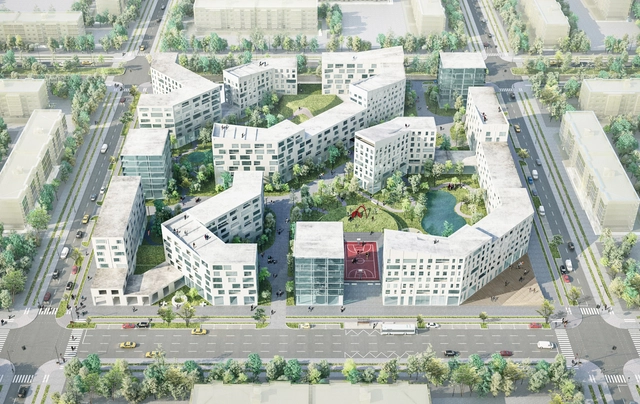
20 finalists have been announced for the Open International Competition for Standard Housing in Russia. With the plan to provide 30 million Russian residents with new homes by 2025, the competition aims to discover new innovative solutions to improve residential design and planning for the new developments. The competition was organized by the Government of Russian Federation, the National Institute for Housing Development Foundation, and the Russian Ministry of Construction working together to create a new standard for affordable housing.

20 Finalists Announced in International Housing Competition for Russia - Image 2 of 420 Finalists Announced in International Housing Competition for Russia - Image 20 of 420 Finalists Announced in International Housing Competition for Russia - Image 29 of 420 Finalists Announced in International Housing Competition for Russia - Image 30 of 420 Finalists Announced in International Housing Competition for Russia - More Images+ 35

Sharing the City: 5 Takes on How We Should Create and Use Public Space

Subscriber Access | 

On December 1st 2017, reSITE invited a handful of intellectuals to Berlin for the My City / Your City salon held in partnership with Airbnb, spending a day and night with them brainstorming about public space, sharing, and inclusiveness. To close the event, we served them a cocktail of simple questions that were not always easy to answer.

In the following text, artist Charlie Koolhaas, the architect and founding partner of Topotek 1 Martin Rein-Cano, the curator and writer Lukas Feireiss, the curator and architect Anna Scheuermann, and the professor Ivan Kucina, share their various opinions on issues ranging from how best to create public space to their thoughts on the very principle of sharing.

Playful Animation Tells the Story of Humankind’s Quest for a Perfect City

Cities are universes in themselves; furiously spawning, spewing, hissing through time and space. They are cudgeled, raked, plastered, worshipped, fought over, set on fire; they are slippery wombs that cradle wars, victories, blood and brilliant storms. The built environment has always been indicative of its inhabitants’ fears, desires, and ideals. As such, it is one of the earliest, most powerful forms of human expression. For World Cities Day 2017, the new BBC Designed section of the BBC Culture website commissioned motion graphics designer Al Boardman to create The Perfect City, an animated video covering a brief history of humankind’s quest for the "ideal" and the "perfect" in urban design. With a voiceover and script by renowned architecture critic and writer Jonathan Glancey, the video is a remarkable 2-minute overview of some prominent examples in city planning, both old and new, successful and unsuccessful.

New, Innovation-Driven, "Smart City" Will be Built Just South of Boston

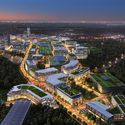
Smart cities” are the latest urban phenomenon popping up across the globe. Among the newest being realized will be Union Point, a masterplan with a commitment to innovation located just south of Boston, USA.

What is a “smart city?” It is a city in which embeds multiple data collection technologies within the city in hopes of providing a supportive and competitive advantage to the city’s residents and business. Officials then use this data to make their cities safer, healthier, and more efficient. Cities are not geniuses quite yet, but the “smart city” is rethinking the way cities are run.

New, Innovation-Driven, "Smart City" Will be Built Just South of Boston - City PlanningNew, Innovation-Driven, "Smart City" Will be Built Just South of Boston - City PlanningNew, Innovation-Driven, "Smart City" Will be Built Just South of Boston - City PlanningNew, Innovation-Driven, "Smart City" Will be Built Just South of Boston - City PlanningNew, Innovation-Driven, Smart City Will be Built Just South of Boston - More Images+ 9

Bill Gates Purchases 25,000 Acres of Land for Smart City in Arizona

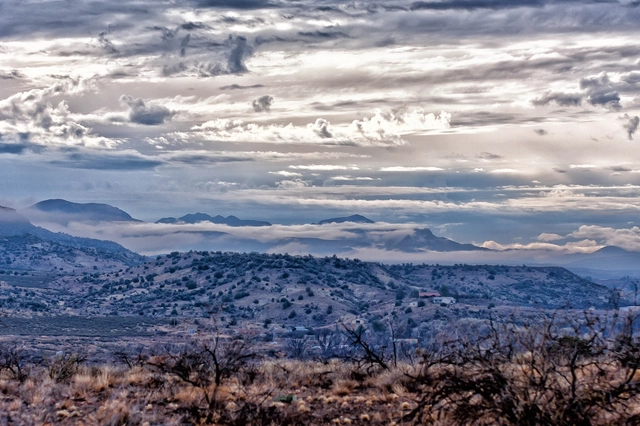
An investment firm run by Microsoft founder Bill Gates has paid $80 million for 25,000 acres of Arizona desert to serve as the site of a new “smart city.” To be known as Belmont, the city will be made up of 80,000 residences, as well offices, retail spaces and civic amenities such as schools and police stations. The city will serve as a test ground for the latest in logistical and infrastructural technologies.

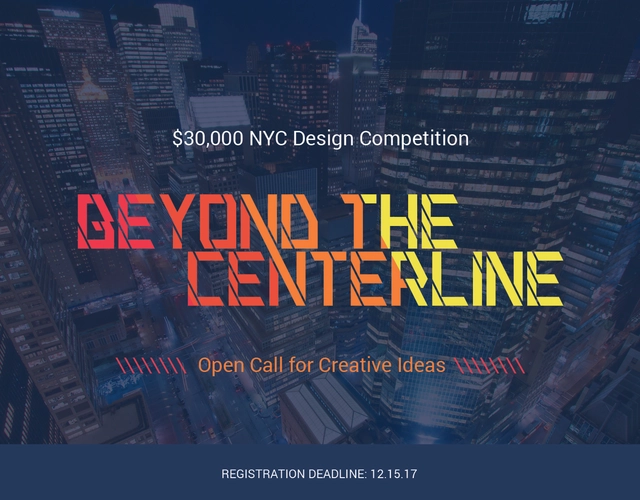
Open Call For Creative Ideas: Reinventing New York City's Park Avenue Commercial District With Design

Park Avenue, one of the world’s premiere thoroughfares, is traditionally known for its tall buildings that are home to Fortune 500 companies. The medians of Park Avenue, or the “centerlines,” are traditionally characterized by plantings and periodic sculpture installations. Park Avenue medians represent a traditional element of New York City but also provide an opportunity for reinvention. Other areas of New York City, such as the High Line, have successfully transformed into an exciting destination for city dwellers and visitors alike.