1. ArchDaily
  2. Temporary Installation

Temporary Installation: The Latest Architecture and News

Architectural Interventions and Exhibitions Taking Place at the 2022 Milan Design Week and Salone del Mobile

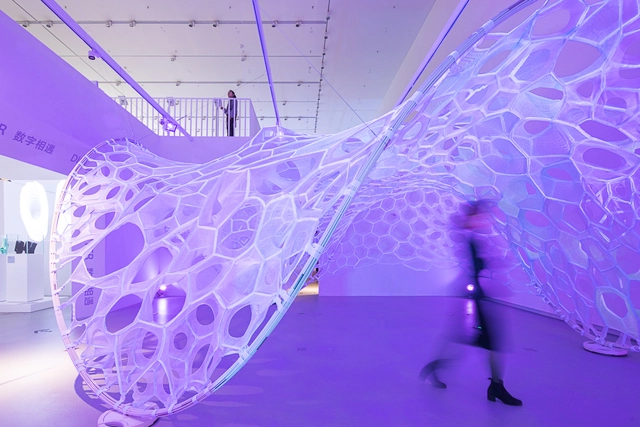
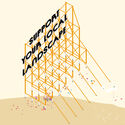
Only a few days left until the annual inauguration of Milan Design Week 2022, one of the biggest international design events which features the Fuorisalone and Salone del Mobile. From the 7th till the 12th of June 2022, the streets of Milan will be hosting an array of architectural interventions and exhibitions curated by local and international designers as part of the Fuorisalone. And at the Fiera Milano | Rho, Salone del Mobile 2022, the awaited furniture and interior design event of the year, will be celebrating its 60th anniversary with themes and projects that reflect on “inclusive” design, fostering "autonomy, comfort, movement, usability, interaction and safety for all".

Architectural Interventions and Exhibitions Taking Place at the 2022 Milan Design Week and Salone del Mobile - Image 1 of 4Architectural Interventions and Exhibitions Taking Place at the 2022 Milan Design Week and Salone del Mobile - Image 2 of 4Architectural Interventions and Exhibitions Taking Place at the 2022 Milan Design Week and Salone del Mobile - Image 3 of 4Architectural Interventions and Exhibitions Taking Place at the 2022 Milan Design Week and Salone del Mobile - Image 4 of 4Architectural Interventions and Exhibitions Taking Place at the 2022 Milan Design Week and Salone del Mobile - More Images+ 6

Brighton Festival Brings the Riwaq, a Type of Arabic Colonnade, to the Hove Seafront, in the UK

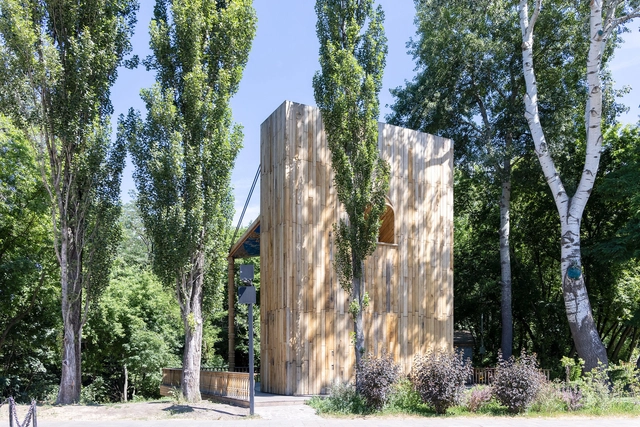
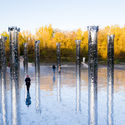
Syrian architects Marwa Al-Sabouni and Ghassan Jansiz bring an Arabic-inspired architectural element to the seafront of Hove as part of this year’s Brighton Festival. The temporary pavilion is built in the shape of the traditional arcade called The Riwaq. Conceived as a place that brings people together, the installation will host free cultural and community events, all organized as part of England’s largest annual multi-arts festival. Established in 1967, the Brighton Festival celebrates music, theatre, dance, art, film, literature, debate, and outdoor events in various locations across Brighton, Hove, and East Sussex.

Brighton Festival Brings the Riwaq, a Type of Arabic Colonnade, to the Hove Seafront, in the UK - Imagen 1 de 4Brighton Festival Brings the Riwaq, a Type of Arabic Colonnade, to the Hove Seafront, in the UK - Imagen 2 de 4Brighton Festival Brings the Riwaq, a Type of Arabic Colonnade, to the Hove Seafront, in the UK - Imagen 3 de 4Brighton Festival Brings the Riwaq, a Type of Arabic Colonnade, to the Hove Seafront, in the UK - Imagen 4 de 4Brighton Festival Brings the Riwaq, a Type of Arabic Colonnade, to the Hove Seafront, in the UK - More Images+ 8

Designed to Disassemble: How Architecture Informs Exhibition Design and Temporary Installations

Subscriber Access | 

Architecture in its broadest sense concerns itself with the uprooting of structures that are permanent, cementing themselves within the greater cultural context and history of its humanity, however, where do we place the creation of structures that are designed with the intention to be disassembled. How much meaning and value can these structures hold, knowing they were never designed to last, but to simply take up space for a moment?

Designed to Disassemble: How Architecture Informs Exhibition Design and Temporary Installations - Imagem 1 de 4Designed to Disassemble: How Architecture Informs Exhibition Design and Temporary Installations - Imagem 2 de 4Designed to Disassemble: How Architecture Informs Exhibition Design and Temporary Installations - Imagem 3 de 4Designed to Disassemble: How Architecture Informs Exhibition Design and Temporary Installations - Imagem 4 de 4Designed to Disassemble: How Architecture Informs Exhibition Design and Temporary Installations - More Images+ 28

Changing the Paradigms of Memorialization: the Ongoing Story Behind the Babyn Yar Holocaust Memorial Center

Subscriber Access | 

Babyn Yar, a ravine in the Ukrainian capital Kyiv, witnessed the killing of more than 33,000 Jewish men, women, and children, on September 29 and 30, 1941. The site of one of the largest single massacres perpetrated by occupying German troops against Jews during World War II, Babyn Yar became a symbol of the Holocaust by Bullets.

While the main tragic event took place in 1941, throughout the occupation, the site was used as a killing location by the German forces. In fact, it is reported that 70 to 100 000 people lost their lives in Babyn Yar. With no architecture to the tragedy and only a remaining “broken” landscape, people struggled with achieving memorialization and public recognition. 

Changing the Paradigms of Memorialization: the Ongoing Story Behind the Babyn Yar Holocaust Memorial Center - Image 1 of 4Changing the Paradigms of Memorialization: the Ongoing Story Behind the Babyn Yar Holocaust Memorial Center - Image 2 of 4Changing the Paradigms of Memorialization: the Ongoing Story Behind the Babyn Yar Holocaust Memorial Center - Image 3 of 4Changing the Paradigms of Memorialization: the Ongoing Story Behind the Babyn Yar Holocaust Memorial Center - Image 4 of 4Changing the Paradigms of Memorialization: the Ongoing Story Behind the Babyn Yar Holocaust Memorial Center - More Images+ 25

A Brief History of Ibiza’s Instant City

Subscriber Access | 

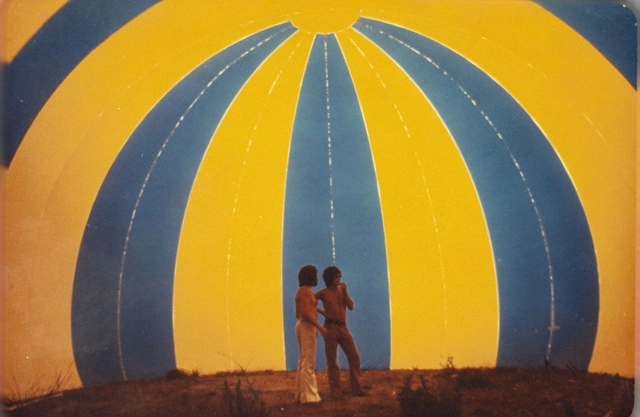
André Ricard and Daniel Giralt-Miracle, the member responsible for ADI/FAD, proposed the island of Ibiza as the venue for the ICSID Biennial Congress in 1971. That's how the story began. At that time, the so-called "Urquinaona Open Design Group" already existed in Barcelona. From the group, and with Carlos Ferrater at the head, they offered their help to the organization of the congress. They refused, as everything seemed to have already been organised. Together with Fernando Bendito, Ferrater asks about accommodation for the students. They still had nothing. They get the opportunity they were waiting for. Thousands of invitations are sent out to students all over the world. The number of replies was greater than the number of registered students.

A Brief History of Ibiza’s Instant City - Imagen 1 de 4A Brief History of Ibiza’s Instant City - Imagen 2 de 4A Brief History of Ibiza’s Instant City - Imagen 3 de 4A Brief History of Ibiza’s Instant City - Imagen 4 de 4A Brief History of Ibiza’s Instant City - More Images+ 16

The Barcelona Pavilion, an Instrument of Expression: 10 Interventions to Reflect on Contemporary Architecture

Subscriber Access | 

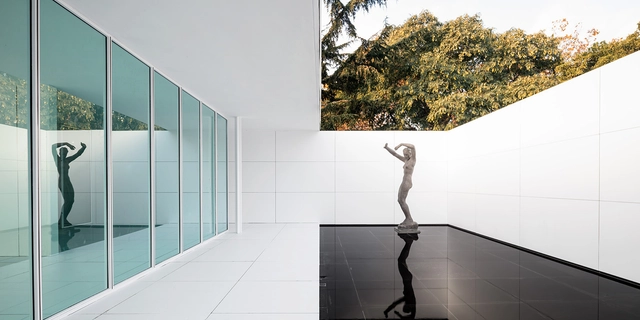
In 1929, Ludwig Mies van der Rohe and Lilly Reich design the German National Pavilion for the 1929 Barcelona International Exhibition. The official reception for the exhibition was held there, presided over by King Alfonso XIII and the German authorities. From then on, the story is well known to everyone. A symbolic work of the Modern Movement, the Pavilion has been extensively studied and interpreted, and has inspired the work of several generations of architects.

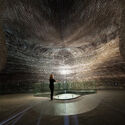
Smiljan Radic Designs Transparent Dome for Alexander McQueen Show in London

Chilean architect Smiljan Radic has designed and installed a perfectly transparent dome for Alexander McQueen's Spring / Summer 2022 fashion show earlier this week in London.

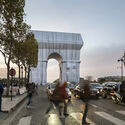
Andreas Ruby, Director of Swiss Architecture Museum Shares his Thoughts on Christo's Wrapped Arc de Triomphe

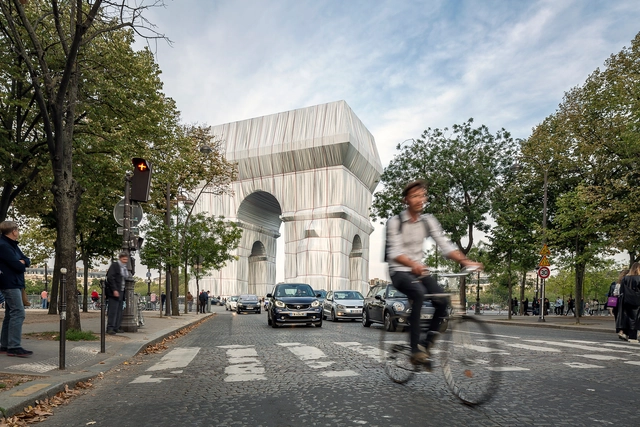
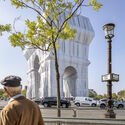
Andreas Ruby, Director of the Swiss Architecture Museum shares his thoughts on the wrapped Arc de Triomphe installation by Christo and Jeanne-Claude, in a 3 part essay, converting a monument glorifying war into a monument of decolonization. The temporary installation opened to the public on September 18, 2021, and will be dismantled starting October 3, 2021.

Andreas Ruby, Director of Swiss Architecture Museum Shares his Thoughts on Christo's Wrapped Arc de Triomphe - Image 1 of 4Andreas Ruby, Director of Swiss Architecture Museum Shares his Thoughts on Christo's Wrapped Arc de Triomphe - Image 2 of 4Andreas Ruby, Director of Swiss Architecture Museum Shares his Thoughts on Christo's Wrapped Arc de Triomphe - Image 3 of 4Andreas Ruby, Director of Swiss Architecture Museum Shares his Thoughts on Christo's Wrapped Arc de Triomphe - Image 4 of 4Andreas Ruby, Director of Swiss Architecture Museum Shares his Thoughts on Christo's Wrapped Arc de Triomphe - More Images+ 2

A Display of Ideas and Visions: The Temporary Architecture of Biennales, Festivals and World Expos

Subscriber Access | 
A Display of Ideas and Visions: The Temporary Architecture of Biennales, Festivals and World Expos - Featured Image
Helsinki Biennial Pavilion by Verstas Architects. Image © Tuomas Uusheimo

Architectural events like biennales, urban festivals or the World Expo provide a framework for research and experimentation, allowing architects to showcase their visions on an international stage, with the aim of advancing the practice and driving innovation. World Expos, in particular, allow for these lines of inquiry to unfold at an architectural scale rather than that of an installation. Within these platforms for discourse and knowledge exchange, temporary architecture becomes a medium for communicating ideas about architecture and the city, its challenges and possible lines of development.

A Display of Ideas and Visions: The Temporary Architecture of Biennales, Festivals and World Expos - Image 1 of 4A Display of Ideas and Visions: The Temporary Architecture of Biennales, Festivals and World Expos - Image 2 of 4A Display of Ideas and Visions: The Temporary Architecture of Biennales, Festivals and World Expos - Image 3 of 4A Display of Ideas and Visions: The Temporary Architecture of Biennales, Festivals and World Expos - Image 4 of 4A Display of Ideas and Visions: The Temporary Architecture of Biennales, Festivals and World Expos - More Images+ 2

Christo's Wrapped Arc de Triomphe Opens to the Public

Christo's Wrapped Arc de Triomphe Opens to the Public - Featured Image
© Jad Sylla Photography

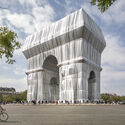
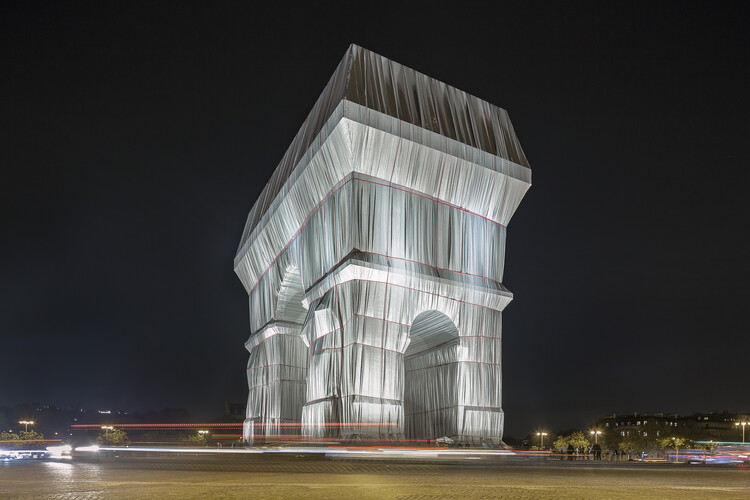
Artists Christo and Jeanne-Claude’s temporary installation, the L’Arc de Triomphe, Wrapped, opened to the public on September 18th. Twenty-five thousand square meters of recyclable silvery-blue fabric held together by 3,000 meters of red rope currently cloak the Parisian landmark transforming the urban setting, and photographer Jad Sylla captured the completed installation.

Christo's Wrapped Arc de Triomphe Opens to the Public - Image 1 of 4Christo's Wrapped Arc de Triomphe Opens to the Public - Image 2 of 4Christo's Wrapped Arc de Triomphe Opens to the Public - Image 3 of 4Christo's Wrapped Arc de Triomphe Opens to the Public - Image 4 of 4Christo's Wrapped Arc de Triomphe Opens to the Public - More Images+ 12

Bright Stripes Installation / Taller KEN + Alloy Design

Bright Stripes Installation / Taller KEN + Alloy Design - Interior Photography, Temporary Installations
© Javier Alvarez

Bright Stripes Installation / Taller KEN + Alloy Design - Exterior Photography, Temporary InstallationsBright Stripes Installation / Taller KEN + Alloy Design - Exterior Photography, Temporary InstallationsBright Stripes Installation / Taller KEN + Alloy Design - Temporary Installations, ChairBright Stripes Installation / Taller KEN + Alloy Design - Interior Photography, Temporary Installations, ChairBright Stripes Installation / Taller KEN + Alloy Design - More Images+ 10

Young Practices and Artists Reflect on the Urban Environment at Concéntrico 07

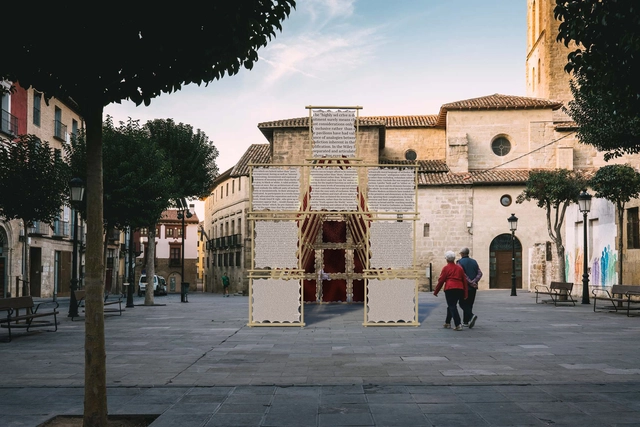
The International Architecture and Design Festival Concéntrico, now at its 7th edition, prompts an exploration of the urban environment through temporary installations inhabiting the public spaces of the city of Logroño, Spain. From September 2nd to 5th, the festival brings together an array of emerging architects and artists from all over the world to share their perspectives on urban spaces and communities.

Young Practices and Artists Reflect on the Urban Environment at Concéntrico 07 - Imagen 1 de 4Young Practices and Artists Reflect on the Urban Environment at Concéntrico 07 - Imagen 2 de 4Young Practices and Artists Reflect on the Urban Environment at Concéntrico 07 - Imagen 3 de 4Young Practices and Artists Reflect on the Urban Environment at Concéntrico 07 - Imagen 4 de 4Young Practices and Artists Reflect on the Urban Environment at Concéntrico 07 - More Images+ 1

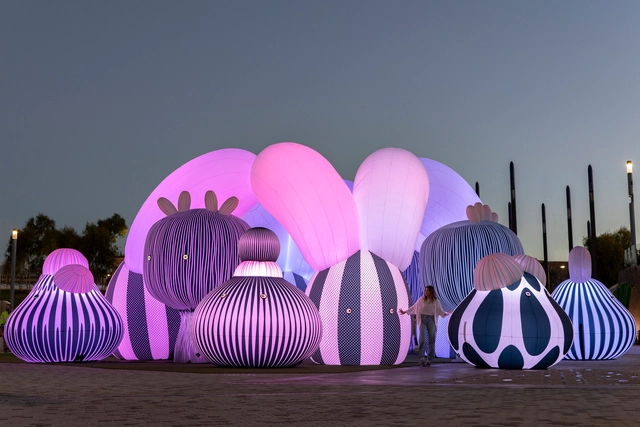
Airship Orchestra / ENESS

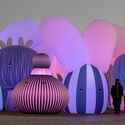
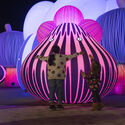
Airship Orchestra / ENESS - Interior Photography, Temporary InstallationsAirship Orchestra / ENESS - Interior Photography, Temporary InstallationsAirship Orchestra / ENESS - Exterior Photography, Temporary InstallationsAirship Orchestra / ENESS - Interior Photography, Temporary Installations, Facade, LightingAirship Orchestra / ENESS - More Images+ 8

  • Artists: ENESS
  • Area Area of this architecture project Area:  250 m²
  • Year Completion year of this architecture project Year:  2019

Functionality and Aesthetics: Examples of Ceiling Systems in Architectural Projects

Subscriber Access | 

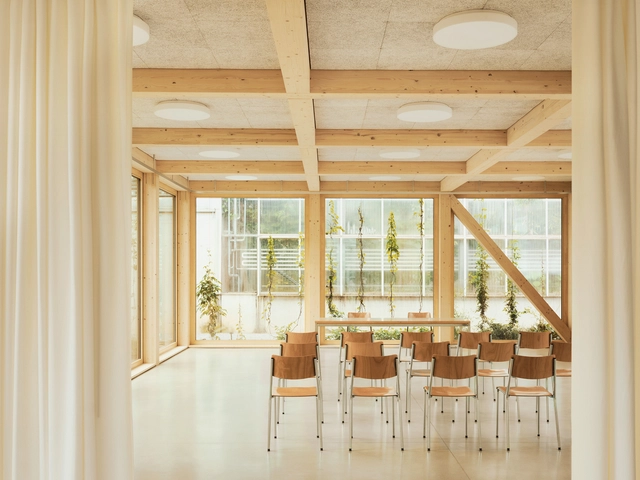
The ceiling is an important element in architecture and interior design, combining functionality with aesthetics through different materials that add layers of texture and color, providing quality and comfort in interior spaces as well as a protective surface for other building systems. 

Functionality and Aesthetics: Examples of Ceiling Systems in Architectural Projects - Image 1 of 4Functionality and Aesthetics: Examples of Ceiling Systems in Architectural Projects - Image 2 of 4Functionality and Aesthetics: Examples of Ceiling Systems in Architectural Projects - Image 3 of 4Functionality and Aesthetics: Examples of Ceiling Systems in Architectural Projects - Image 4 of 4Functionality and Aesthetics: Examples of Ceiling Systems in Architectural Projects - More Images+ 8

Minor Paradises / studiolibani + #civilarchitectureorg

Minor Paradises / studiolibani + #civilarchitectureorg - Interior Photography, Temporary InstallationsMinor Paradises / studiolibani + #civilarchitectureorg - Exterior Photography, Temporary InstallationsMinor Paradises / studiolibani + #civilarchitectureorg - Exterior Photography, Temporary InstallationsMinor Paradises / studiolibani + #civilarchitectureorg - Exterior Photography, Temporary InstallationsMinor Paradises / studiolibani + #civilarchitectureorg - More Images+ 12

Tomás Saraceno Designs Partially Mirrored and Suspended Sphere at Moscow’s Garage Museum of Contemporary Art

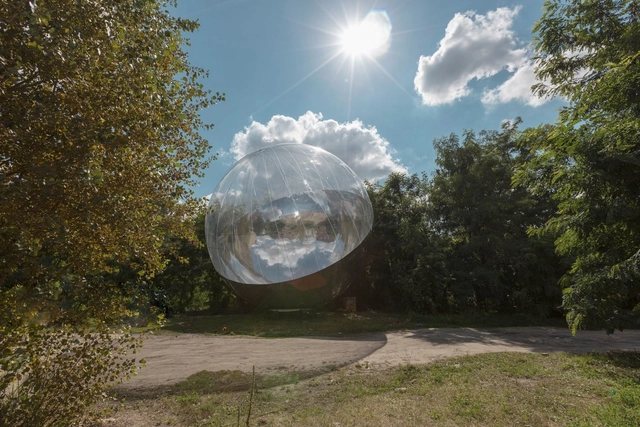
Argentine environmental artist Tomás Saraceno has recently unveiled his latest venture at Moscow’s Garage Museum of Contemporary Art. On view and remaining until February 14, 2021, the installation entitled Moving Atmospheres, is a partially mirrored sphere suspended midair in the museum’s atrium, made from ETFE.

Tomás Saraceno Designs Partially Mirrored and Suspended Sphere at Moscow’s Garage Museum of Contemporary Art - Image 1 of 4Tomás Saraceno Designs Partially Mirrored and Suspended Sphere at Moscow’s Garage Museum of Contemporary Art - Image 2 of 4Tomás Saraceno Designs Partially Mirrored and Suspended Sphere at Moscow’s Garage Museum of Contemporary Art - Image 3 of 4Tomás Saraceno Designs Partially Mirrored and Suspended Sphere at Moscow’s Garage Museum of Contemporary Art - Image 4 of 4Tomás Saraceno Designs Partially Mirrored and Suspended Sphere at Moscow’s Garage Museum of Contemporary Art - More Images

Scaffolding: From Auxiliary Equipment to Primary Function

Subscriber Access | 

Little has been said about the contribution of scaffolding to the history of construction. These structures are generally treated as mere equipment and, as a result, their records are very scarce. Without scaffolding, however, it would be almost impossible to construct most of the buildings we know. Scaffolding allows workers to reach and move materials at difficult points in a construction, providing safety and comfort. But in addition to its role as a support structure for buildings, we have also seen that scaffolding can be used for mobile, temporary, and even permanent structures. Below, we explain its history and possibilities for use.

'Body Absent', a Temporary Memorial to Raise Awareness About Human Rights

Subscriber Access | 

Human Rights Day is celebrated every year on the 10th of December. After visiting numerous sites that commemorate the scenes of regrettable crimes against humanity and violence, one common observation can be made: the place of memory is not only a building. In fact, it is more about the encounter, the appropriation, and the gesture.