.jpg?1572487908&format=webp&width=640&height=580)
Shenzhen: The Latest Architecture and News
.jpg?1572489309 "© Schran Images")
.jpg?1572487444 "© Schran Images")
.jpg?1572486968 "© Schran Images")
.jpg?1572488830 "© Schran Images")
.jpg?1572487908)
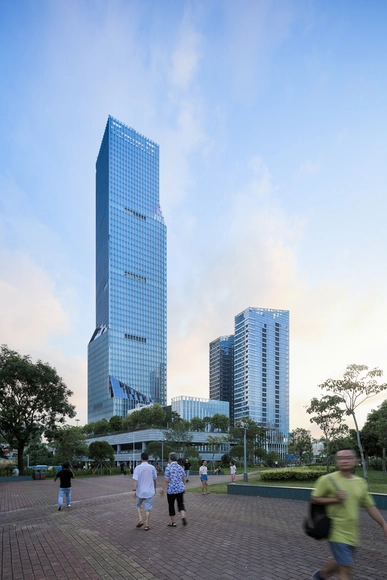
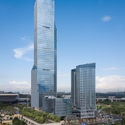
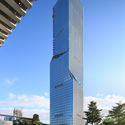
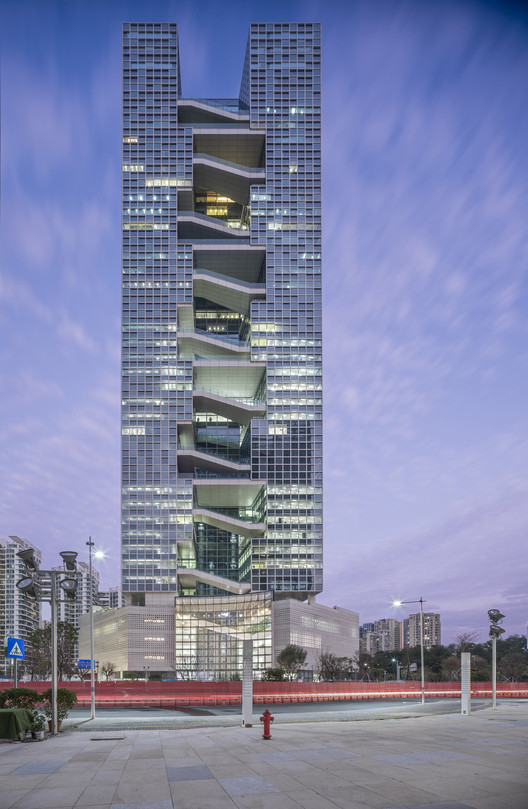
Shenzhen North Station Huide Tower / HPP Architects



-
Architects: HPP Architects
- Area: 173470 m²
- Year: 2019
-
Professionals: Tongji Architectural Design
https://www.archdaily.com/925678/shenzhen-north-station-huide-tower-hpp舒岳康 - SHU Yuekang
Urban Cinematics and the Revenge of Place / François Penz for the Shenzhen Biennale (UABB) 2019
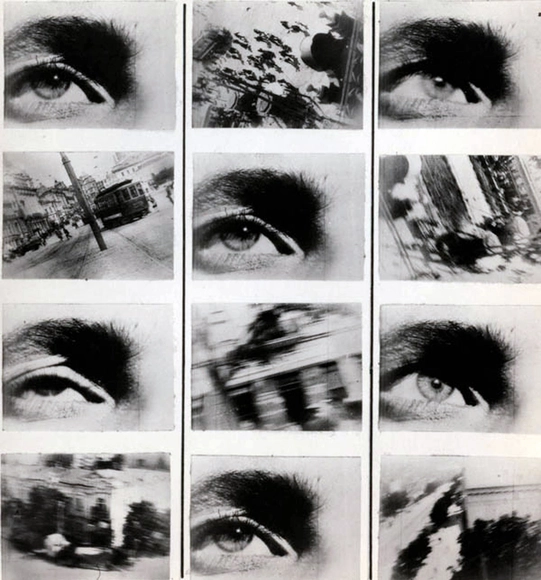
What happens when the sensor-imbued city acquires the ability to see – almost as if it had eyes? Ahead of the 2019 Shenzhen Biennale of Urbanism\Architecture (UABB), titled "Urban Interactions," ArchDaily is working with the curators of the "Eyes of the City" section at the Biennial to stimulate a discussion on how new technologies – and Artificial Intelligence in particular – might impact architecture and urban life. Here you can read the “Eyes of the City” curatorial statement by Carlo Ratti, the Politecnico di Torino and SCUT.
Ever since the Lumière brothers trained their camera on La Place des Cordeliers in Lyon in 1895, cinema has shaped our collective urban imagination. For 125 years, film has relentlessly recorded the deaths and lives of not just great American cities but of all great – and not so great – cities the world over. Film-makers have observed, expressed, characterized, interpreted and portrayed hundreds of thousands of city streets. By charting the cities’ evolution across the 20th century to present days, films are the quintessential Eyes on and of the City.
https://www.archdaily.com/927236/urban-cinematics-and-the-revenge-of-place-francois-penz-for-the-shenzhen-biennale-uabb-2019François Penz
Baidu Headquarters / Dongxiying Studio, CCDI


-
Architects: Dongxiying Studio, CCDI
- Area: 22600 m²
- Year: 2019
-
Manufacturers: AkzoNobel, Injeev, JMA, Kone, Xinyi
-
Professionals: CCDI, China State Construction 4th Engineering Division
https://www.archdaily.com/926919/baidu-headquarters-dongxiying-studio-ccdi舒岳康 - SHU Yuekang
30 Years Facade Design by VS-A
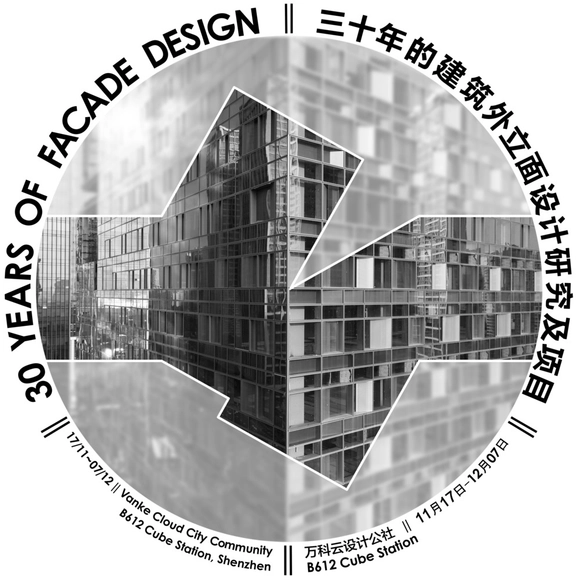
VS-A is a facade designing company that celebrates in Shenzhen it's 30th anniversary with an exhibition and 2 conferences. The first conference coincides with the opening of the exhibition, and will question what is the international approach, if there is any, with Partners from OMA, Steven Holl Architects, AREP and Jacques FERRIER.
https://www.archdaily.com/926956/30-years-facade-design-by-vs-aRene Submissions
Designing Freedom / Luigi Prestinenza Puglisi for the Shenzhen Biennale (UABB) 2019
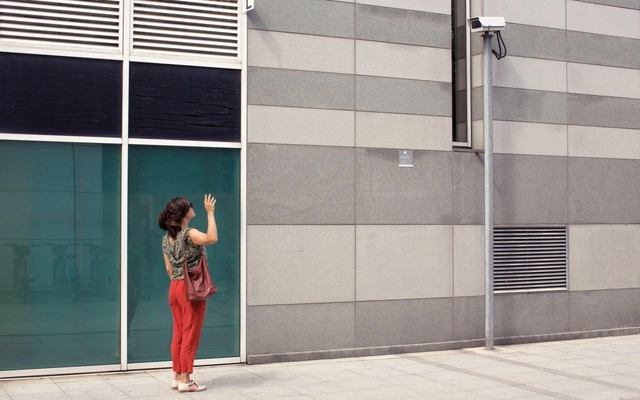
What happens when the sensor-imbued city acquires the ability to see – almost as if it had eyes? Ahead of the 2019 Shenzhen Biennale of Urbanism\Architecture (UABB), titled "Urban Interactions," ArchDaily is working with the curators of the "Eyes of the City" section at the Biennial to stimulate a discussion on how new technologies – and Artificial Intelligence in particular – might impact architecture and urban life. Here you can read the “Eyes of the City” curatorial statement by Carlo Ratti, the Politecnico di Torino and SCUT.
When the city has eyes to see, it will become the stuff of nightmares. The panopticon prophecy will come to life. Democracy will die.
The pretexts through which a thousand mechanisms that spy on us have been introduced into cities are three:
- security from thieves, criminals and terrorists;
- energy savings and performance optimization;
- the possibility of having structures that spontaneously understand our needs, without any requests on our part.
https://www.archdaily.com/926732/designing-freedom-luigi-prestinenza-puglisi-for-the-shenzhen-biennale-uabb-2019Luigi Prestinenza Puglisi
Hongling Experimental Primary School / O-office Architects
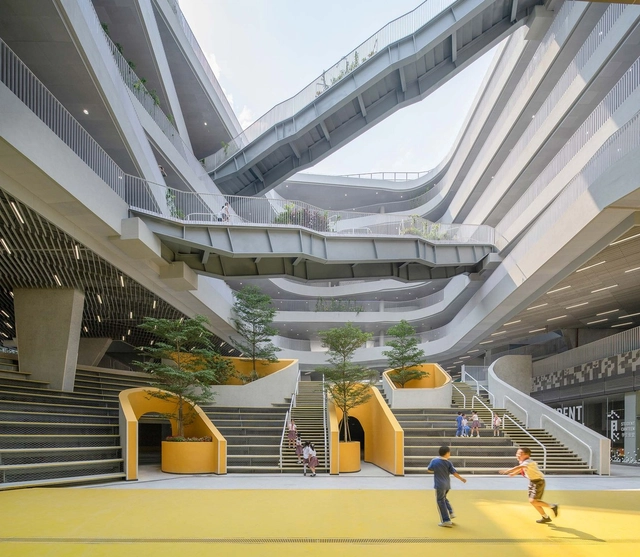


-
Architects: O-office Architects
- Area: 33721 m²
- Year: 2019
https://www.archdaily.com/926560/hongling-experimental-primary-school-o-office-architectsCollin Chen
Amateur Visual Forensics and the View from Nowhere / Dietmar Offenhuber for the Shenzhen Biennale (UABB) 2019

What happens when the sensor-imbued city acquires the ability to see – almost as if it had eyes? Ahead of the 2019 Shenzhen Biennale of Urbanism\Architecture (UABB), titled "Urban Interactions," ArchDaily is working with the curators of the "Eyes of the City" section at the Biennial to stimulate a discussion on how new technologies – and Artificial Intelligence in particular – might impact architecture and urban life. Here you can read the “Eyes of the City” curatorial statement by Carlo Ratti, the Politecnico di Torino and SCUT.
If the 1991 Gulf War marked the beginning of electronic media warfare, the recent armed conflicts in the Middle East have highlighted an equally central role of social media. Platforms such as Twitter and Facebook have long been used to galvanize protest movements, organize assemblies, and spread information. During the decade from the Arab Spring movement to the Syrian civil war, the role of social media has grown from a utilitarian infrastructure to the principal medium of conflict. Today’s version of Jean Baudrillard’s “war porn” comes as battleground footage recorded by smartphones and drones mixed with propaganda messages and pop culture references to computer games and internet memes. As documented by the journalist Abdel Bari Atwan, mercenary groups plan military operations according to their expected media impact on followers, opponents, and foreign funders. Sometimes, fights are entirely staged to collect persuasive footage.
https://www.archdaily.com/926365/amateur-visual-forensics-and-the-view-from-nowhere-dietmar-offenhuber-for-the-shenzhen-biennale-uabb-2019Dietmar Offenhuber
Carlo Ratti Discusses Architectural Innovation and the Shenzhen Biennale
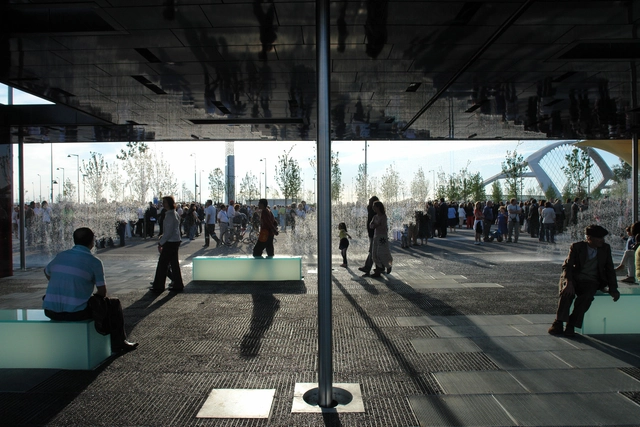
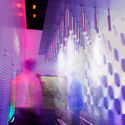
Carlo Ratti can be considered one of the great architectural innovators of our time. The founder of Carlo Ratti Associati, and Director at the MIT Senseable City Lab, Ratti champions the power of new technologies to transform both how we live, and how we design. The act of “convergence” is central to Ratti’s architectural outlook, whether it be the convergence of bits and atoms, or natural and artificial, or human and technology. Moreover, he believes that this convergence can reframe the design process, and engage citizens in discussions on what kind of city they want to live in.


https://www.archdaily.com/926026/carlo-ratti-discusses-architectural-innovation-and-the-shenzhen-biennaleNiall Patrick Walsh
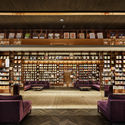
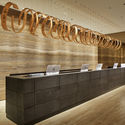
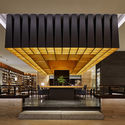
Yan Bookstore / ikg inc.



-
Architects: ikg inc.
- Area: 2475 m²
- Year: 2018
-
Manufacturers: Nemetschek, Shaw
-
Professionals: Sola Associates, uji design
https://www.archdaily.com/925947/yan-bookstore-ikg-incDaniel Tapia
Jiakeli Apartment Renovation / MOZHAO ARCHITECTS


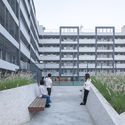


-
Architects: MOZHAO ARCHITECTS
- Area: 10000 m²
- Year: 2018
-
Manufacturers: Nippon
https://www.archdaily.com/925516/jiakeli-apartment-renovation-mozhao-architects舒岳康 - SHU Yuekang
Material Balance: Blurring Matter, Senses and Meaning / Ingrid Paoletti for the Shenzhen Biennale (UABB) 2019

What happens when the sensor-imbued city acquires the ability to see – almost as if it had eyes? Ahead of the 2019 Shenzhen Biennale of Urbanism\Architecture (UABB), titled "Urban Interactions," ArchDaily is working with the curators of the "Eyes of the City" section at the Biennial to stimulate a discussion on how new technologies – and Artificial Intelligence in particular – might impact architecture and urban life. Here you can read the “Eyes of the City” curatorial statement by Carlo Ratti, the Politecnico di Torino and SCUT.
Nowadays materials are requested to play a more engaging role in the digital society.
They can be customized down to their molecular properties and this capacity has an enormous impact on related fields of science, but they also need to be interpreted in their meaning thanks to our ‘semantic capital’, as Luciano Floridi said.
We cannot reduce materials to their property and performances as, as humans, we use them to interpret the world, they are our continuously changing material culture to find an equilibrium between nature and built environment.
https://www.archdaily.com/925609/material-balance-blurring-matter-senses-and-meaning-ingrid-paoletti-for-the-shenzhen-biennale-uabb-2019Ingrid Paoletti
EMTEK Office / Zones Design
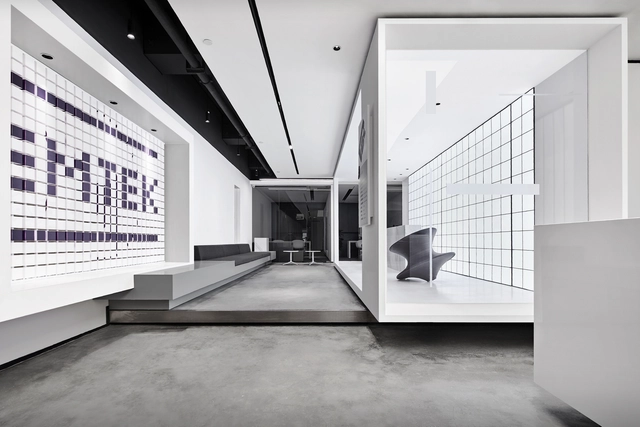

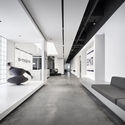
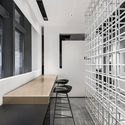
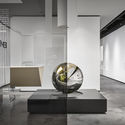
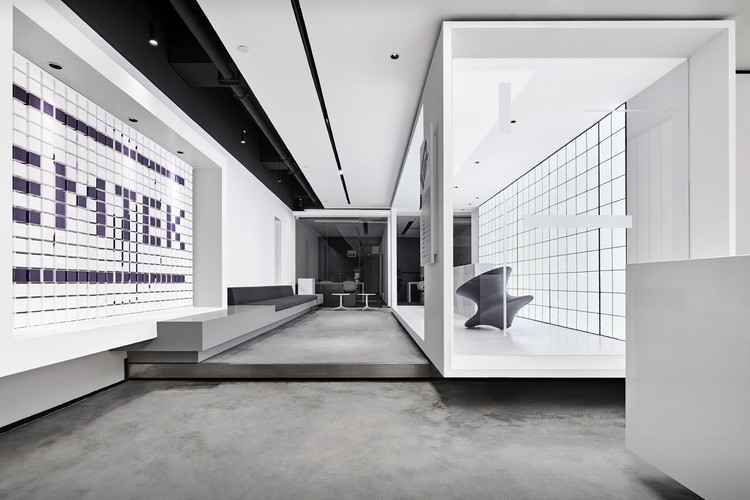
https://www.archdaily.com/925356/emtek-office-zones-design舒岳康 - SHU Yuekang
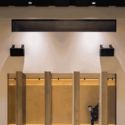
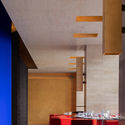
MORPH Mixed-use Space / Various Associates

.jpg?1568728971)
https://www.archdaily.com/924864/moprh-various-associates舒岳康 - SHU Yuekang
Biocities beyond the Digitial / Vicente Guallart for the Shenzhen Biennale (UABB) 2019
.jpg?1569016185&format=webp&width=640&height=580)
What happens when the sensor-imbued city acquires the ability to see – almost as if it had eyes? Ahead of the 2019 Shenzhen Biennale of Urbanism\Architecture (UABB), titled "Urban Interactions," ArchDaily is working with the curators of the "Eyes of the City" section at the Biennial to stimulate a discussion on how new technologies – and Artificial Intelligence in particular – might impact architecture and urban life. Here you can read the “Eyes of the City” curatorial statement by Carlo Ratti, the Politecnico di Torino and SCUT.
Thanks to the development of the digital world, cities can be part of natural history. This is our great challenge for the next few decades.
The digital revolution should allow us to promote an advanced, ecological and human world. Being digital was never the goal–it was a means to reinvent the world. But what kind of world?
https://www.archdaily.com/925216/subject-biocities-beyond-the-digitial-vicente-guallart-for-the-shenzhen-biennale-uabb-2019Vicente Guallart
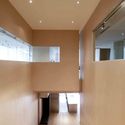
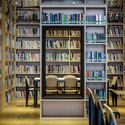
Read Cafe / Gengshang Design


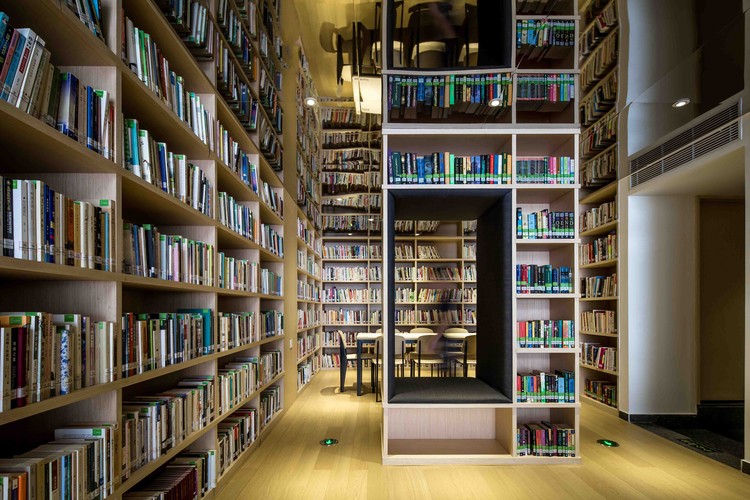
https://www.archdaily.com/890405/read-cafe-gengshang-design舒岳康 - SHU Yuekang
Tian'an Cloud Park (Phase I) / M.A.O.




https://www.archdaily.com/922541/tianan-cloud-park-phase-i-mao舒岳康 - SHU Yuekang
Call for Entries: Request for Proposal for the International Consulting on the Urban Design of the Central Area of Guangming Science City

The International Consulting on the Urban Design of the Central Area of Guangming Science City(hereinafter referred to as “this consulting”) is to find the most practical space design plan, which can reflect the characteristics of Guangming Science City and make the Central Area of Science City a "Capital of Science, Core of the Bay Area, Green City", as well as a future-oriented, international leading player in high-quality development, a new engine of scientific and technological innovation, and a good example of sustainable development, so as to provide the target population with a green, ecological and intelligent urban area suitable for living and research, and set an example of development featuring international quality and local characteristics in Guangdong-Hong Kong-Macao Greater Bay Area. At the same time, the design shall consider the land use characteristics of the Central Area at present stage, strengthen the refined space management, and provide guidelines for urban renewal and recent development and construction base on the urban design control requirements.
https://www.archdaily.com/924721/call-for-entries-request-for-proposal-for-the-international-consulting-on-the-urban-design-of-the-central-area-of-guangming-science-cityMilly Mo