

-
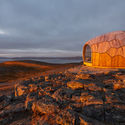
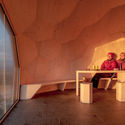
Architects: SPINN Arkitekter
- Area: 15 m²
- Year: 2018
-
Manufacturers: Kebony, Aanesland Limtre AS, Alta Skifer, Hoddø Glasservice AS, Ølen Betong
-
Professionals: Format Engineers
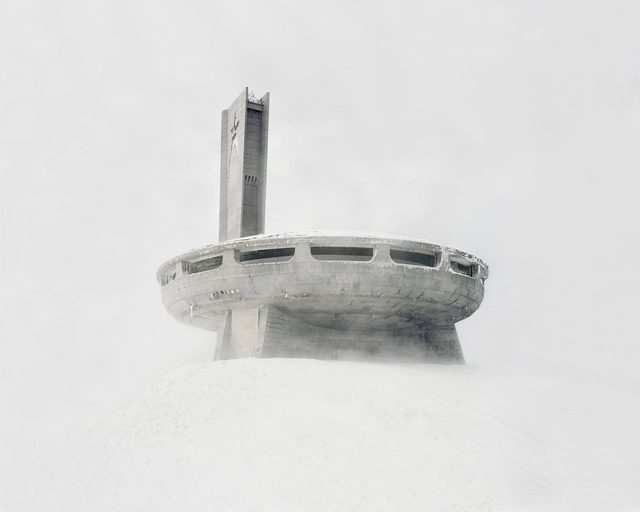
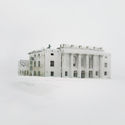
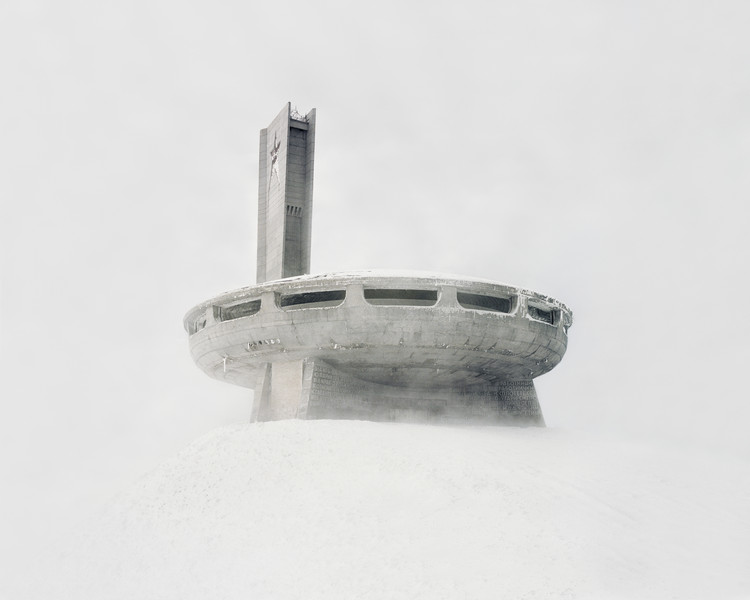
Last week, we covered the work of Moscow-based visual artist Danila Tkachenko, whose “Monuments” project appropriated abandoned Russian Orthodox churches with abstract modernist shapes. Tkachenko’s further work, “Restricted Areas” is equally as impressive, focusing on the human impulse towards utopia through technological progress.
The “Restricted Areas” photography set distills humanity’s strive to perfection through recording abandoned Soviet infrastructure. Traveling to now-deserted landscapes which once held great importance as centers of technological progress, Tkachenko captured images of “forgotten scientific triumphs, abandoned buildings of almost inhuman complexity” and a “technocratic future that never came.”
.jpg?1547114403&format=webp&width=640&height=580)
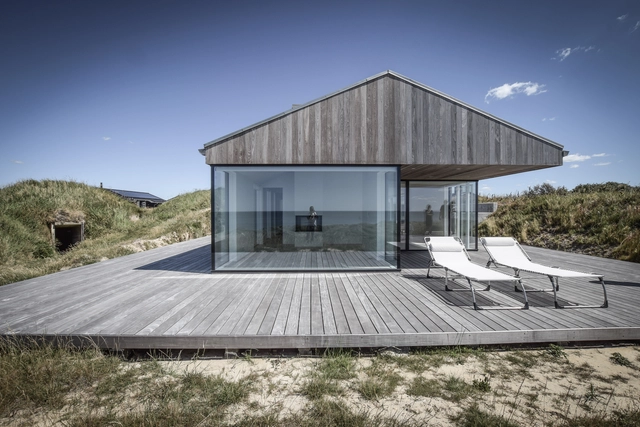

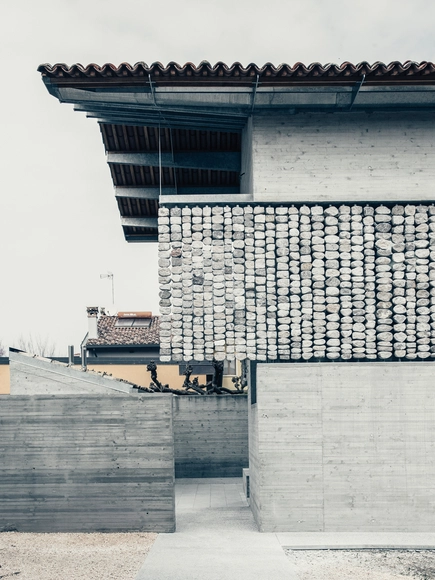
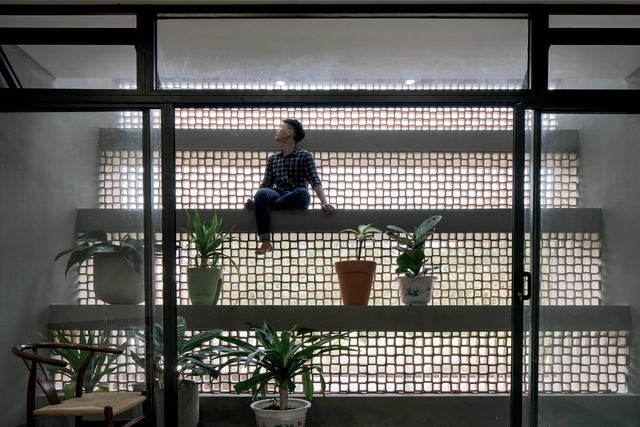
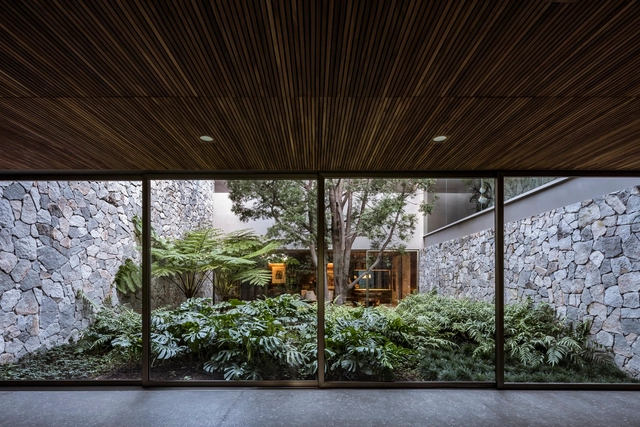
Because, for all the inspirational works across the world, we would be lost without the photographers dedicated to sharing this inspiration with us. Here we present to you the 50 most influential architectural photographs of the year.
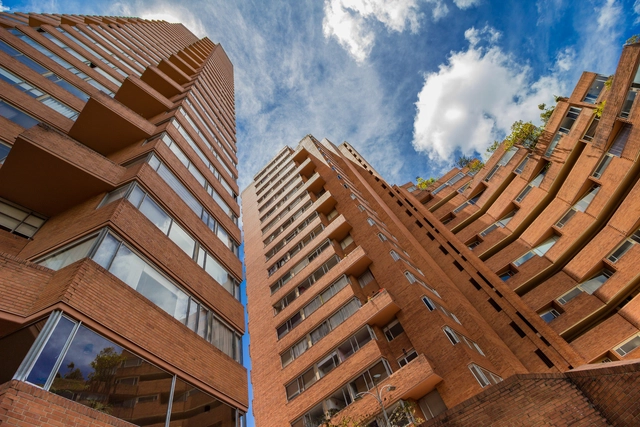
If you're an architecture aficionado, the Colombian capital of Bogota should be high on your list. The city's architecture contains bits and pieces from throughout the country's history, from colonial structures to classical designs from the time of the Republic.
If you're a first time visitor to Bogotá —or a native tourist in your own city— we recommend this architecture guide for the top 10 locations to capture the city's best works.
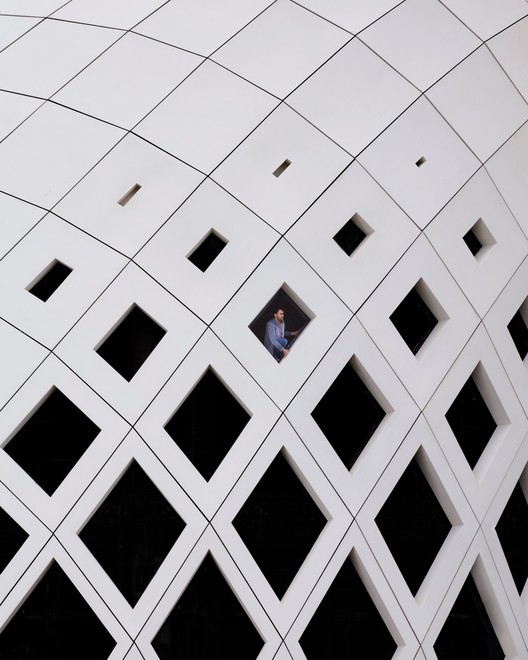
In recent years, social media (especially Instagram) has become an extremely important tool in the field of architecture. Instagram has become the go-to visual platform for showcasing a wide variety of architectural typologies and styles, city views, and stunning edifices that often go unnoticed. While these buildings may seem ordinary to the everyday passerby, they become objects of art for not only architects but those who stop to take notice of their design.
Below we have selected 13 Instagram accounts dedicated to highlighting facades and walls from around the world, showcasing the diversity of our cities.

Andres Gallardo's ongoing Urban Geometry series captures unique forms, colors, and shadows of modern architecture of various cities. The project is a personal one for Gallardo, as it has been a long-term photo series that has accompanied him throughout his journey in becoming a professional photographer, displaying his development and evolution as he captures the architectural beauty of cities such as Beijing, Helsinki, Seoul, and Copenhagen.
Below is the Copenhagen chapter of the series, a visual poem that allows us to see the city in new ways. Through flowing line and bright bursts of color, Gallardo displays an almost surreal version of the city, where the jagged forms and smooth curves of its modern architecture have replaced human presence.
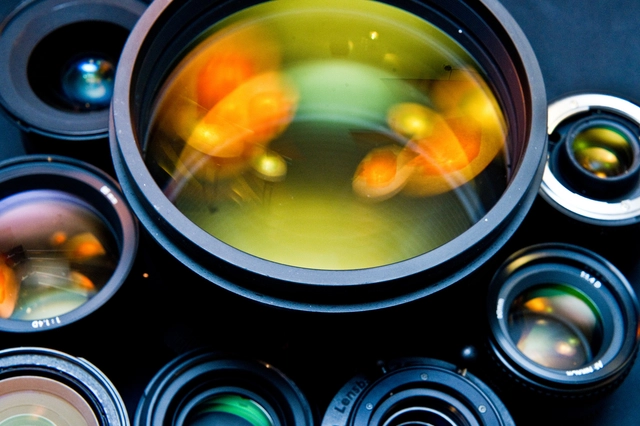
In a world rapidly transitioning toward primarily digital content creation, more and more people are beginning to experiment with various digital media. There is undoubtedly an intimate relationship between architecture and photography, and many architects enjoy experimenting with taking pictures, both of their own work and of their surrounding environment. But how do you know if you have the right gear needed to start off on the right foot? And more importantly, how can you get the most out of your equipment?
In honor of World Photography Day this month, we have put together a helpful guide to get started with lenses for architectural photography. This guide will specifically highlight the best lenses (for both DSLR and mobile) to use for your shots and why.

From the first experiments carried out by the French Joseph Niépce in 1793, and his most successful test in 1826, photography became an object of exploring and a resource for registering lived moments and places of the world. Within the broad spectrum of photographic production throughout history, architecture has frequently played a leading role on the records, be it from the perspective of photography as an art, document or, as it was often the case, an instrument for cultural construction.
Having great autonomy as a practice and of particular debate inside this theme, architectural photography has the ability to reaffirm a series of expressive features of the portrayed works, create tension in their relation to the surroundings, and propose specific or generic readings of buildings, among other investigative possibilities.







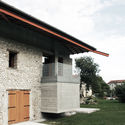
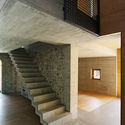

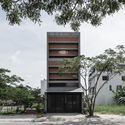
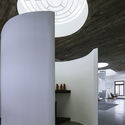
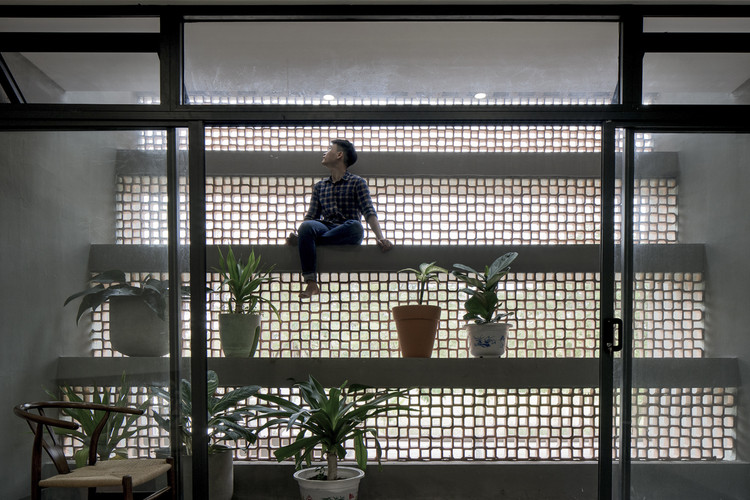
.jpg?1547114190 "© WDI Photography")
.jpg?1547114353 "© WDI Photography")
.jpg?1547114305 "© WDI Photography")
.jpg?1547114124 "© WDI Photography")
.jpg?1547114403)