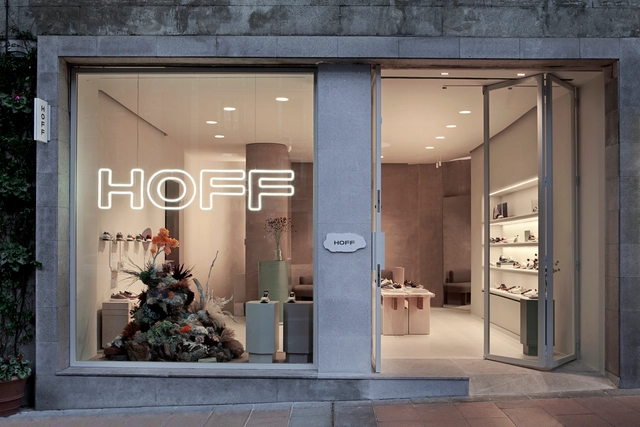
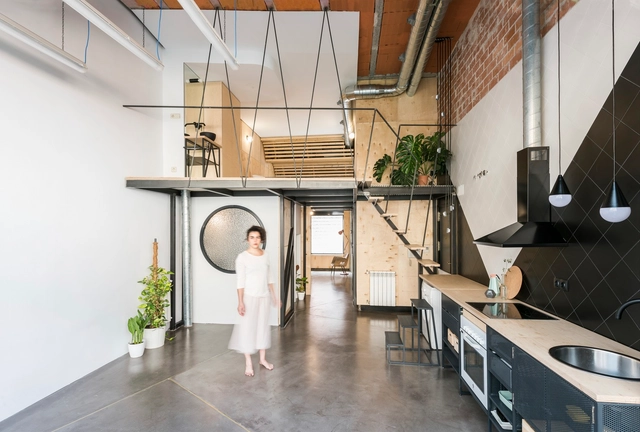
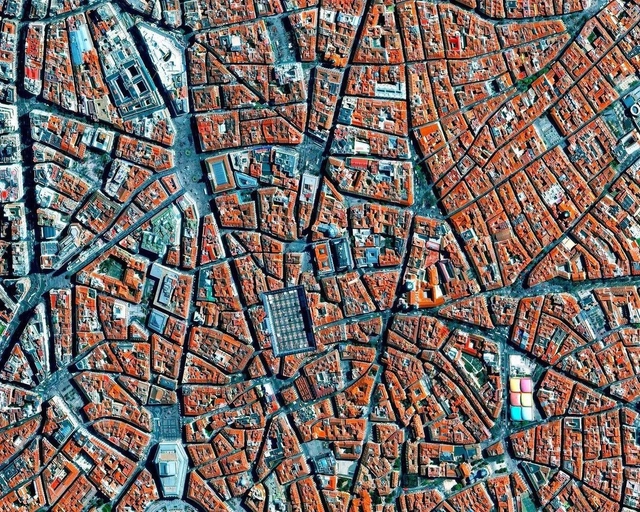
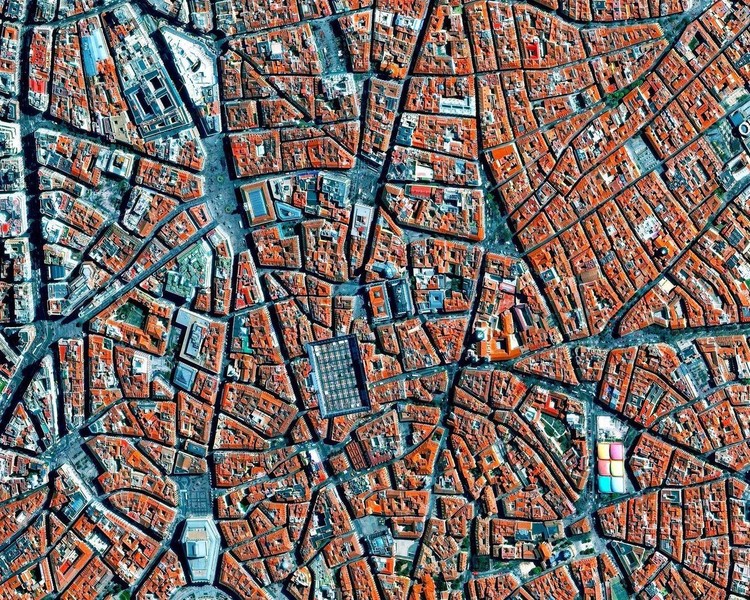
The city of Madrid can be viewed as a place that is representative of all the architectural styles found on the European continent. 16th-century Renaissance buildings and 18th-century Baroque buildings all co-exist in harmony with more modern architectural styles such as Art Deco or the expressive contemporary architecture of recent years. Iconic contemporary architecture firms such as Herzog & de Meuron and Rogers Stirk Harbour + Partners, with projects such as the BBVA Headquarters and Madrid-Barajas Airport Terminal, have all played a part in defining Madrid’s architectural character too, making for a city with highly varied and distinct streetscapes.
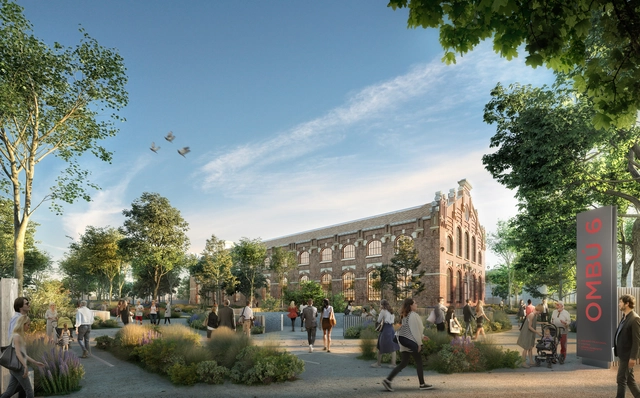
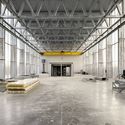
General view of the revitalised industrial building sitting in a landscaped garden. Image Courtesy of Foster + Partners
Foster + Partners is leading massive refurbishment works on a historic building in Madrid. The renovation project that will put in place an office building for Acciona, seeks to revitalize an abandoned old industrial building built in 1905, generating over 10,000 square-meters of new spaces.
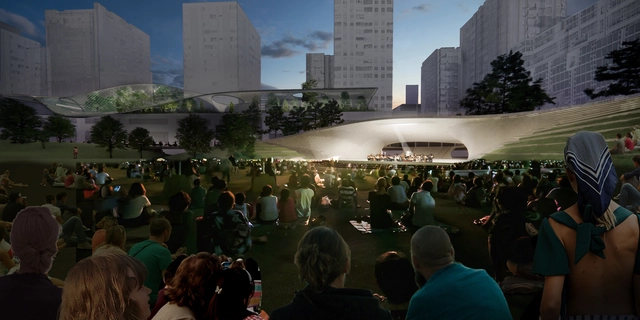
Acoustic Shell for Events at the Central Green from East. Image Cortesía de Equipo de Diseño
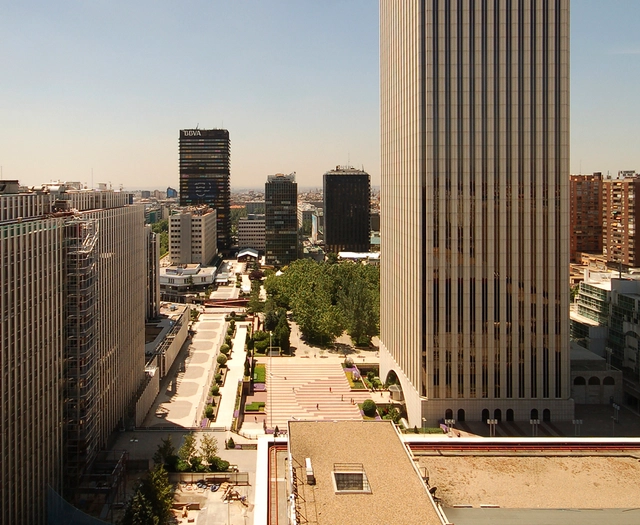
A design team comprised by Diller Scofidio + Renfro, Gustafson Bowman + Porter y B720 Fermín Vázquez Arquitectos has been chosen to lead the transformation of Madrid’s AZCA district.
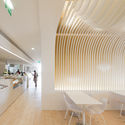
Few architectural typologies are as timeless as bakeries. A practice spanning thousands of years, the art of baking has diverse roots. Today, bakeries combine areas to gather, socialize, shop, and work. While industrialization and commercialization transformed the art of baking and baked goods, bakeries remain important community spaces for gathering and defining neighborhood identity.
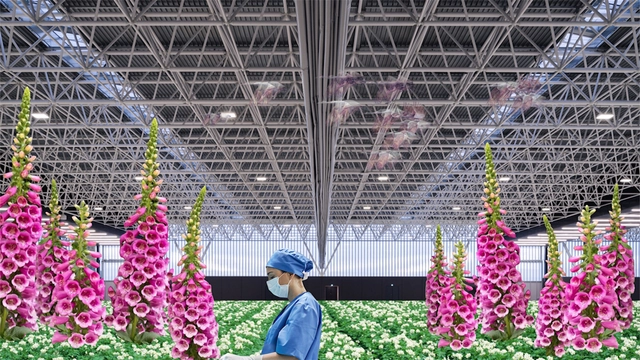
A new film by OMA / Reinier de Graaf titled “The Hospital of the Future” has been released as a part of the exhibition, Twelve Cautionary Urban Tales at Matadero Madrid Centre for Contemporary Creation. Dubbed a “visual manifesto”, the 12-minute short film questions the long-standing conventions in the field of healthcare architecture in terms of the methodology behind how hospitals are built and also why they are built in certain ways. Through an exploration of the role that disease has played in shaping cities, the film offers a lens into the future of what we might expect for healthcare design, especially as we emerge from the COVID-19 pandemic.
The RENAZCA international competition has released a shortlist for the design of the financial district of Azca in Madrid, Spain, according to El Pais. Directed by IE School of Architecture and Design Martha Thorne and Edgar González, the competition aims to transform the district into the most important economic and cultural node in the Spanish capital. The winning team will be chosen at the end of January 2021 and will have the task of transforming the sector into a "new, open, sustainable urban space connected to the city."
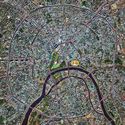
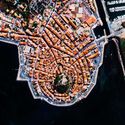
In his book Breve Historia del Urbanismo (Brief History of Urbanism), Fernando Chueca Goitia states that the medieval city appeared at the beginning of the 11th century and flourished only between the 12th and 13th centuries. According to the author, this growth was closely linked to the development of commerce that allowed permanent occupations, resulting in a city no longer composed mainly of travelers. In other words, the bourgeoisie was formed thanks to the most diverse activities - craftsmen, tradesmen, blacksmiths, longshoremen - which stimulated the development of the medieval city.