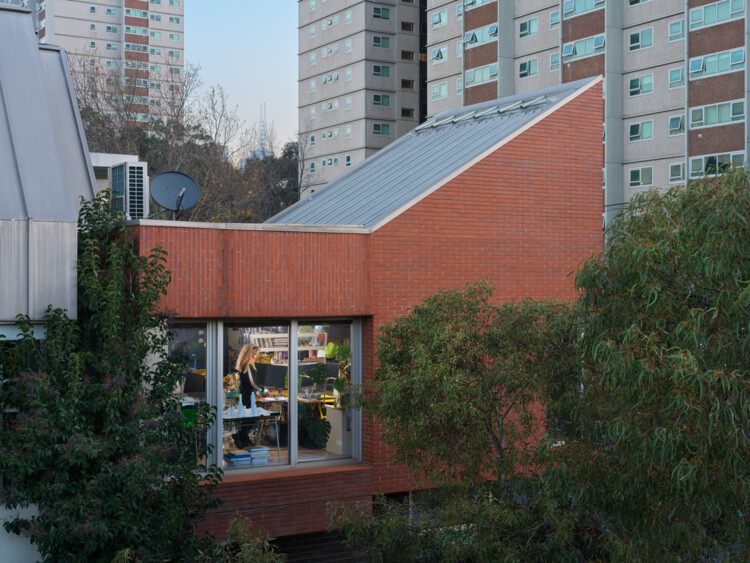
Every housing crisis eventually becomes a land question, and every land question eventually becomes a values question. The United States' West Coast has arrived at that point. As cities from Los Angeles to Seattle search for parcels to build the affordable housing they have promised for years, they keep landing on the same answer: the park or the greenbelt. What looks like a zoning decision is a referendum on which form of wellbeing a city is willing to sacrifice for another.
A week of architecture news has highlighted the growing connections between environmental change, public systems, and the evolving role of architectural practice. Extreme weather events in different regions have drawn attention to the vulnerability of settlements, infrastructure, and territorial networks, while new approaches to housing demonstrate how changes in procurement, construction, and governance can influence architectural outcomes. At the same time, the recognition of established practitioners points to the lasting impact of architectural ideas across generations, as the profession continues to engage with questions of resilience, systemic change, and the broader conditions shaping the built environment.
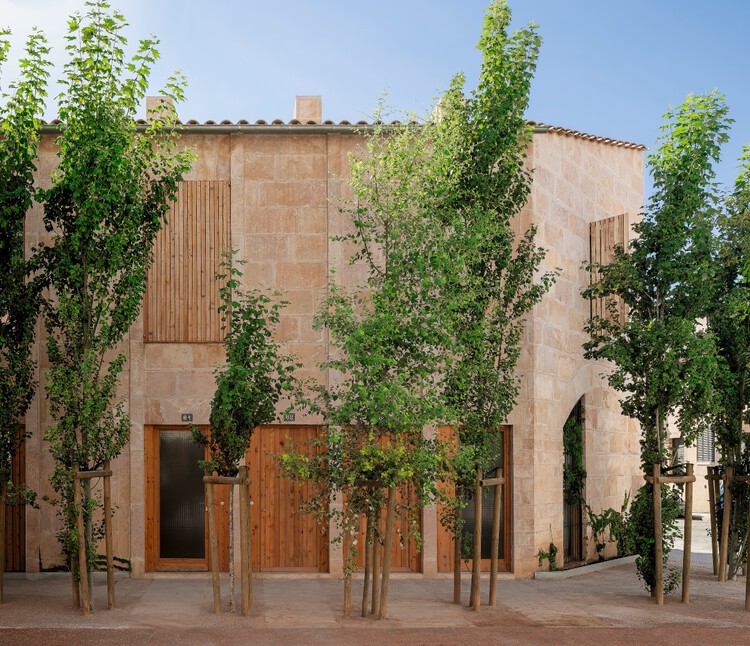
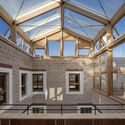
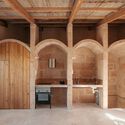
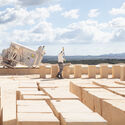
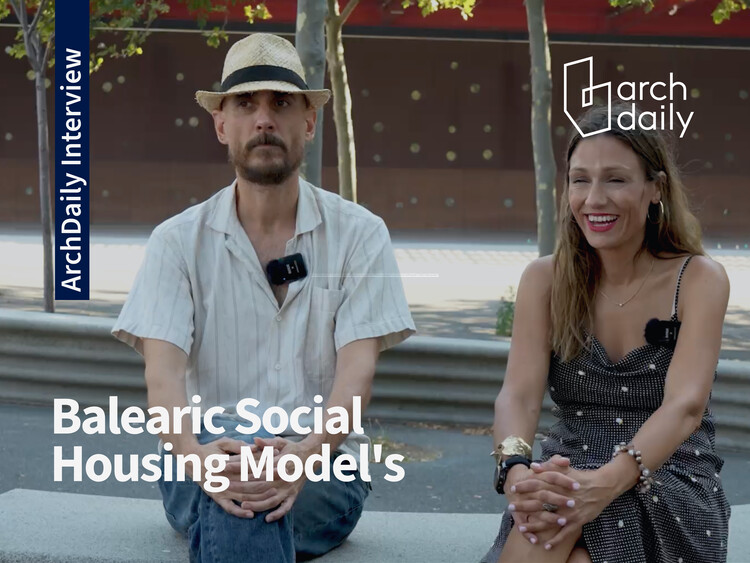
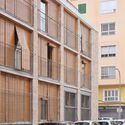
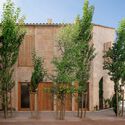
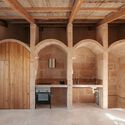
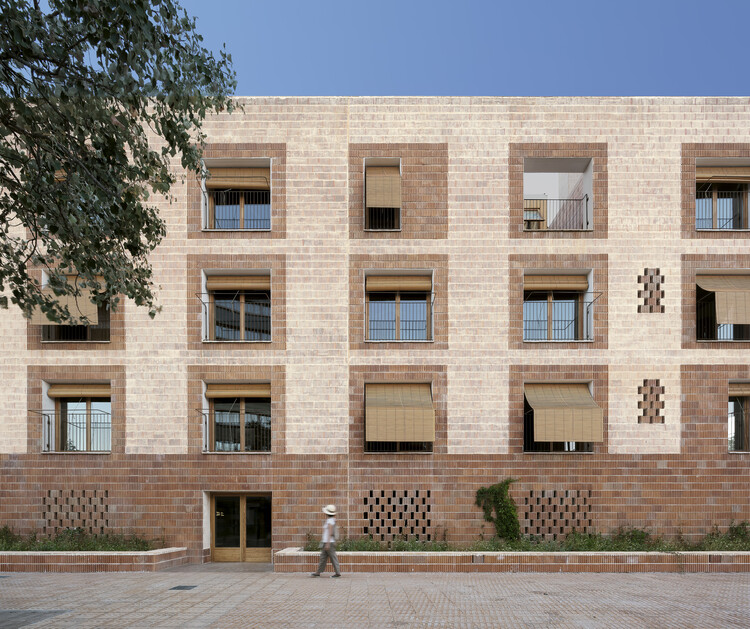
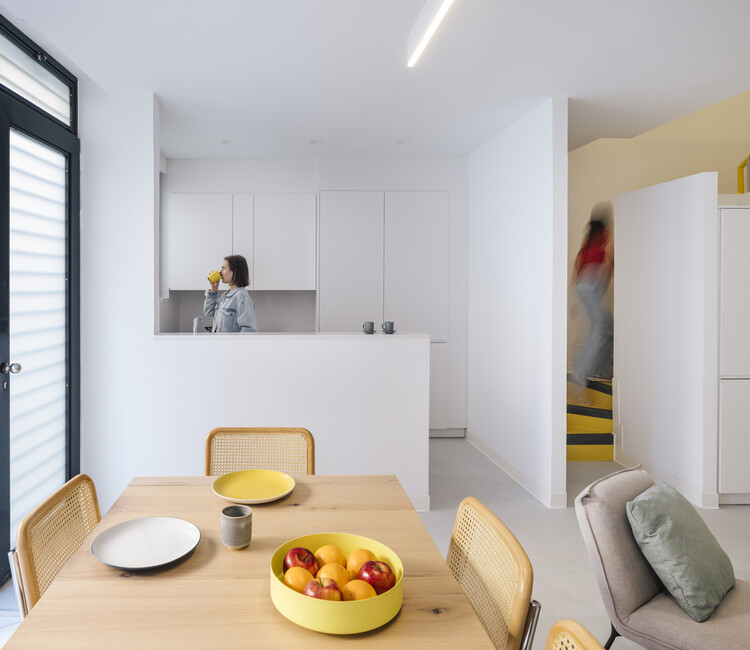
On 1 September 2026, the Balearic Social Housing Model was announced as the recipient of the 2026 OBEL Award. The focus of this award's cycle was "Systems' Hack," calling on architecture to critically engage with the systems that underpin contemporary society and to examine how these interconnected networks might be reconfigured in response to accelerating global challenges. The Balearic Social Housing Model, created by economist and independent consultant Cris Ballester and architect and civil servant Carles Oliver, is a six-point approach to public housing developed between 2019 and 2023, providing additional value and comfort to traditional affordable housing by bringing procurement, architecture, materials, energy, tenure, public capacity and learning together as responses to current social, environmental and economic challenges. In this interview with ArchDaily, the model's creators discuss its origins, ambitions, and material challenges in making social housing a desirable place to live.
Amid growing economic, political, and climatic instability, the 2026 OBEL Award highlights the need for architectural approaches that rethink both existing and emerging infrastructures. The title for this edition is "Systems' Hack," where "systems" are understood as interrelated mechanisms governed by shared rules and "hacking" is framed as a strategic intervention that seeks to alter how these mechanisms operate. Within this framework, the OBEL Foundation has announced the Balearic Social Housing Model as the winner of this year's award, while also announcing a new cycle in 2027 under the same topic. The Balearic Social Housing Model is recognized for "transforming the role of social housing administration in the Balearic Islands between 2019 and 2023," proposing new approaches in response to an acute housing shortage and a critically limited public rental housing stock in Spain.
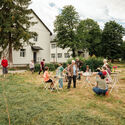
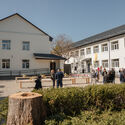
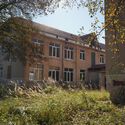
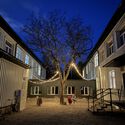
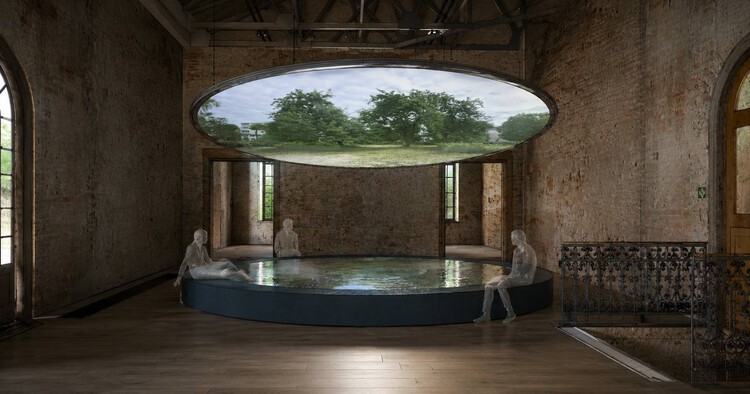
The Ukrainian pavilion at the 20th International Architecture Exhibition – La Biennale di Venezia is being designed by the team from CO-HATY, a local volunteer initiative restoring abandoned buildings in the country to transform them into stable homes for internally displaced people. The team is formed by METALAB and relocated members of the Ukrainian Urban Curators agency, who have been developing CO-HATY since 2022. Titled "Pool of Questions," the project poses a question the organization argues is rarely voiced in the context of survival: not simply where displaced people should live, but when they can begin to live. For Venice, the imagined installation extends the restoration and adaptive reuse work into a discourse on affordable housing, dignity and rest during an ongoing war.
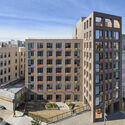
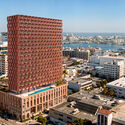
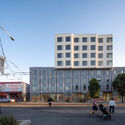
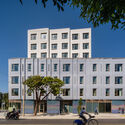
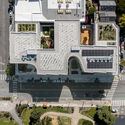
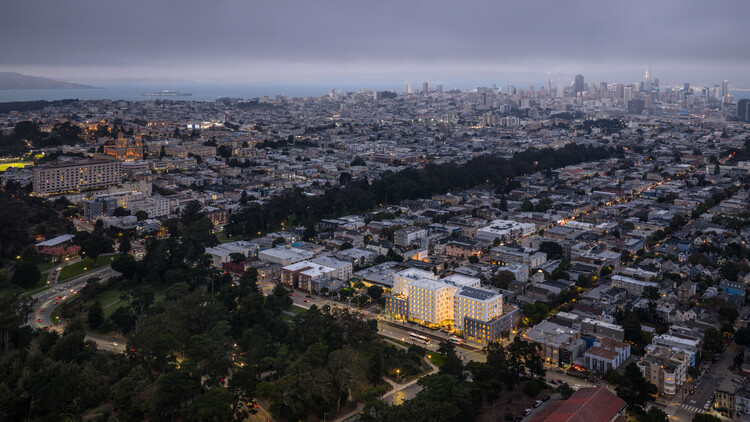
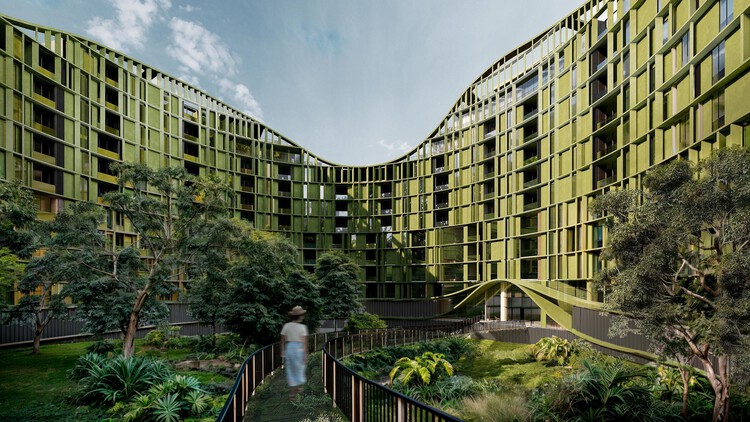
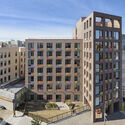
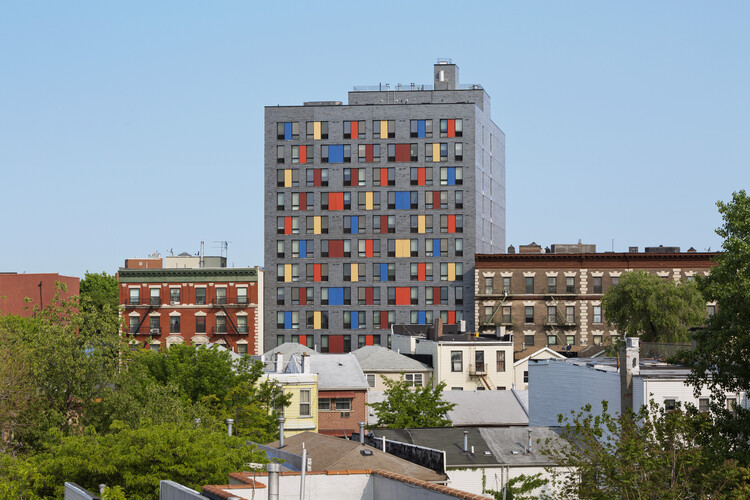
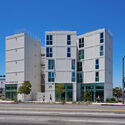
OMA, led by Partner Jason Long, together with San Francisco-based Y.A. Studio, has completed 730 Stanyan, a mixed-use affordable housing development in San Francisco's Haight-Ashbury neighborhood. Developed by the Tenderloin Neighborhood Development Corporation (TNDC) and Chinatown Community Development Center (CCDC), the project provides 160 permanently affordable homes for low-income families, formerly unhoused families, and Transitional Age Youth (TAY). Located at the intersection of Haight and Stanyan Streets, adjacent to the entrance of Golden Gate Park, the development marks OMA's first completed 100% affordable housing project in the United States.
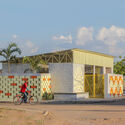
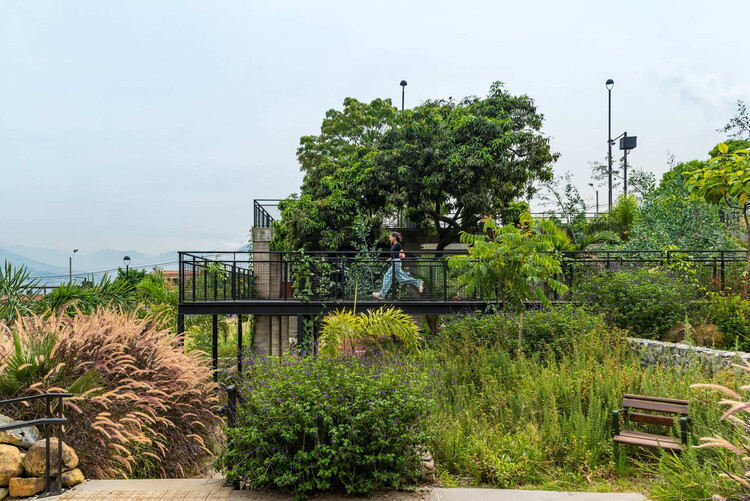
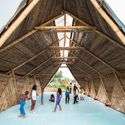
Parque Prado, Colombia, by Connatural Arquitectura en el Paisaje. Image Courtesy of International Union of Architects (UIA)
International Youth Day, observed annually on August 12, is marked in 2026 under the theme "Different Contexts, Common Aspirations," highlighting the shared aspirations of young people across diverse social, economic, and geographic realities. Despite differences in where and how they live, young people around the world continue to seek dignity, opportunity, meaningful participation, decent work, quality education, and a sustainable future. The day provides an opportunity to recognize their contributions while drawing attention to the conditions and opportunities that shape their lives.
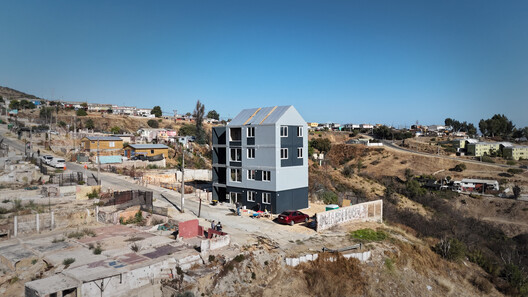
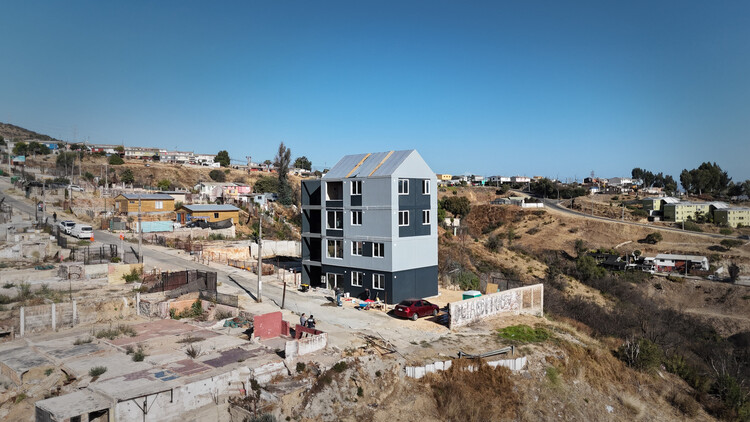
Prefabricated Building Viña del Mar by ELEMENTAL. Image Courtesy of ELEMENTAL
Displacement is usually understood through movement: the moment people are forced to move from one place to another. Yet from an architectural perspective, that movement is only the beginning of what comes next. A house may need to be rebuilt, an entire community relocated, or everyday life reestablished somewhere completely new. What is lost through displacement is not always something architecture can simply replace.
This question is particularly relevant in Latin America, where displacement has shaped communities under different circumstances and at different scales. What happens afterward depends on why people were forced to move, whether they can return, and what remains of the places they inhabited. Some communities rebuild within familiar surroundings. Others must establish everyday life somewhere new. These differences shape what architecture is being asked to do.
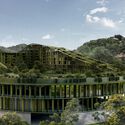
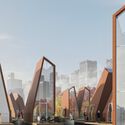
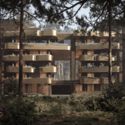
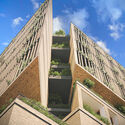
Contemporary housing architecture faces the pressing demands of the global housing deficit and growing urban populations. In architectural practice, we see recurring experimentation with new forms of collective living, taking on the task of offering spaces for personal, family, and community development. The six unbuilt projects presented here show us different facets of the decision to densify: the relationship with pre-existing and planned nature, the availability of urban or suburban land, the development of complementary intermediate spaces that support collective life and ease the experience of density, the replicability of densification models, and the relationship with the neighborhood that accommodates population growth.
The 21st Century ROAD to Housing Act, a bipartisan United States Senate housing bill, automatically became law on 11 July 2026. Officially the "Renewing Opportunity in the American Dream (ROAD) to Housing Act," the bill has been called the most significant housing measure in the country since the National Affordable Housing Act in 1990, and "the most comprehensive housing legislation in decades." In a context of global housing crisis, the text revises federal housing programs and expands available financing options, provides grants for communities, targets regulatory requirements for construction, and addresses the concentration of ownership. This law contributes to worldwide initiatives for adequate housing, such as limits on short-term rentals, taxing unoccupied residential units, and the transformation and adaptive reuse of existing structures, with the dual objective of increasing the number of residential units and making existing ones available.
As co-living becomes increasingly associated with students, young professionals, and other mobile residents, it raises a broader architectural question: if home is no longer tied to long-term residence, what should architecture expect the private dwelling to provide?
People move for school, for a temporary job, or for a career that keeps taking them somewhere new. Many now expect to spend a defined period in a place before leaving it. Housing built for them has to do more than provide shelter. It has to support the routines through which someone adapts to an unfamiliar place, in the short time they know they have there. A year in a city asks something different of an apartment than a lifetime does, even if the square meters look the same on paper.
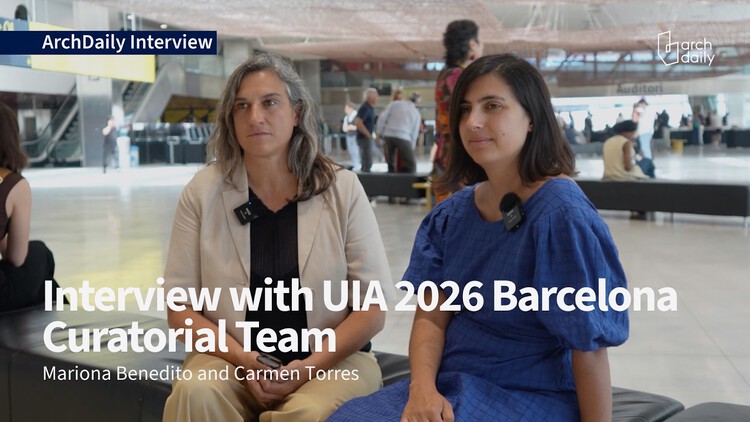
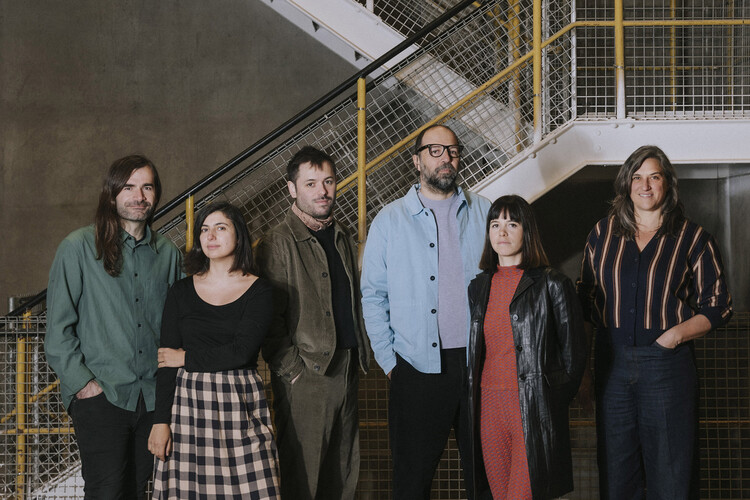
As Barcelona hosts the UIA World Congress of Architects for the second time in its history, thirty years after the 1996 edition, the city becomes a site for reflecting not only on architecture but also on the changing conditions under which it operates. Titled Becoming. Architectures for a Planet in Transition, and developed by the six-member curatorial team of Pau Bajet, Maria Giramé, Mariona Benedito, Tomeu Ramis, Pau Sarquella, and Carmen Torres, the 2026 Congress expands the discussion beyond the city toward planetary questions, addressing architecture through ecological, social, political, and material systems rather than as an isolated discipline. During the opening day of the Congress, ArchDaily spoke with Mariona Benedito and Carmen Torres, two members of the curatorial team, about how this edition revisits Barcelona's architectural legacy, why uncertainty has become central to architectural thinking, and what they hope participants will take away from the event.
Organized by the Ministry of Housing and Territorial Planning of Uruguay (MVOT) and MEVIR, with the support of the Inter-American Development Bank (BID), the International Architecture Competition "Wood: Innovating Social Interest Architecture" involved submitting proposals for new types of wooden housing extensions. These could be either paired or standalone single-level structures, to be built by MEVIR in a demonstration set of 20 social interest houses within the town of Tranqueras, Rivera Department, Uruguay.
Barcelona is the first city in the history of the UIA World Congress of Architects to host the event twice. The 1996 edition, Present and Futures: Architecture in Cities, arrived at a charged moment, when the post-Olympic city was consolidating an urban model that would become one of the most studied and contested in contemporary urbanism, and when architecture was learning to think through the large metropolis as its primary site of inquiry. Thirty years later, the same city reopens the question under a different condition: one in which the built environment can no longer be understood as a self-contained object, but only through the wider ecological, material, and political systems that sustain it. The theme of the 2026 Congress — Becoming. Architectures for a Planet in Transition — does not abandon the urban concerns of 1996; it reopens them from a planetary scale.
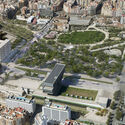
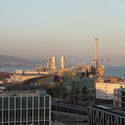
The curatorial team behind this edition, formed by Pau Bajet, Maria Giramé, Mariona Benedito, Tomeu Ramis, Pau Sarquella, and Carmen Torres, approaches architecture as a critical and transformative tool rooted in territory, working across practice, research, and teaching. Their program structures the Congress around six interconnected thematic lines (Becoming More-than-human, Becoming Circular, Becoming Embodied, Becoming Interdependent, Becoming Hyper-Conscious, and Becoming Attuned) and distributes it across three venues of very different characters — Les Tres Xemeneies del Besòs, the Disseny Hub at Glòries, and the CCIB — each chosen for what it represents as much as for what it can hold.
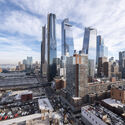
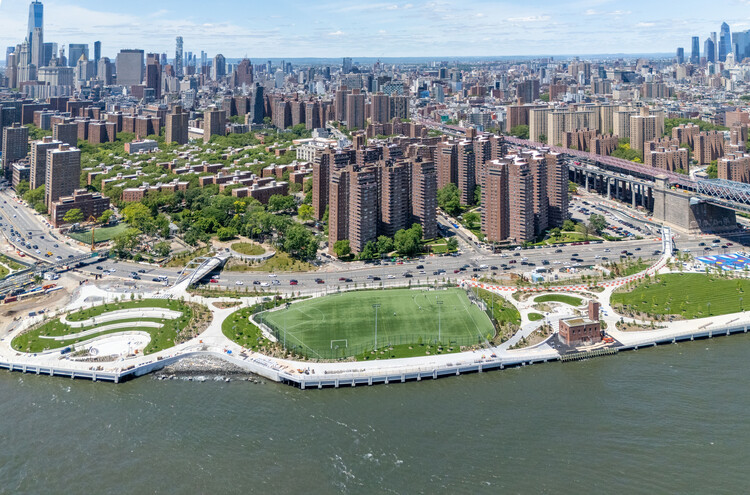
The New York City local government is one of the largest of its kind, with hundreds of city agencies and elected offices. The Mayor, city agencies, the city council, the comptroller, the public advocate, the borough presidents, and community boards organize to provide services and improve the quality of life in the biggest city in the United States and a primary tourist destination. Like other metropolises in the world, urban developers and authorities in New York are facing common challenges: the atmospheric effects and permanent consequences of the climate crisis, the saturation of transport systems, the lack of housing units, and barriers to accessing adequate housing. During June, the New York City mayor's office announcements addressed traffic and mobility, sports events, immigration, and extreme heat. In recent months, a series of policies have been announced to address a larger problem: ensuring access to housing for a greater number of people through government action.
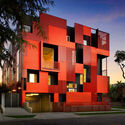
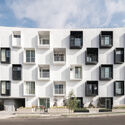
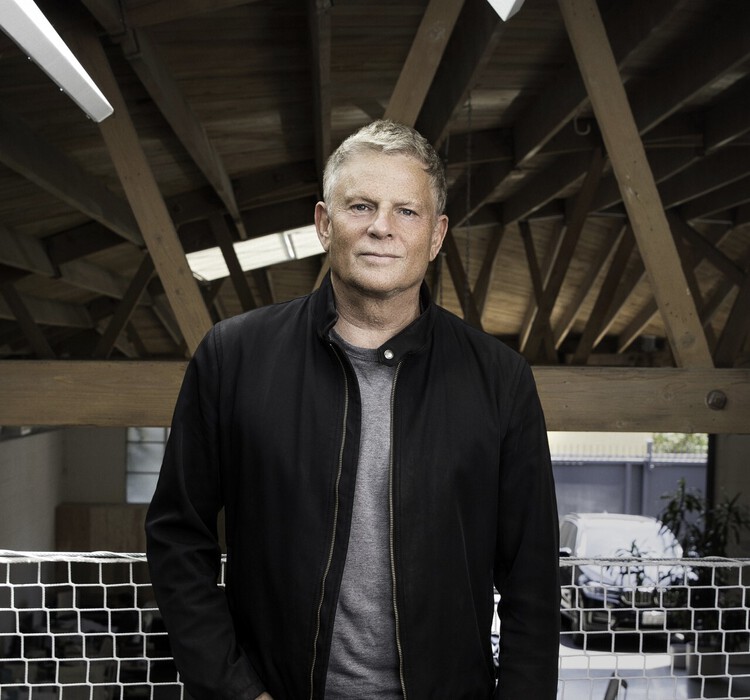
Lorcan O'Herlihy, the Irish-born architect, educator, and founder of Los Angeles-based Lorcan O'Herlihy Architects (LOHA), has died at the age of 66. His death was confirmed by the firm on June 14, 2026. Over a career spanning more than three decades, O'Herlihy became known for advancing an architectural practice centered on housing, urbanism, and social engagement, helping shape conversations around density, affordability, and the civic role of design in contemporary cities.
The context of the ongoing war marks Ukraine's place in the international consciousness. Architecture, however, most often transcends the span of a human life and can therefore be a tool for imagining the future. The practice of architectural design, whether speculative, conceptual, or practical, serves as a means of bringing to life ways of living and interacting beyond our current realities. In this selection of conceptual projects submitted by ArchDaily readers, we see material, spatial, and symbolic strategies that seek to address contemporary contexts in the residential, educational, and commercial sectors.
As the line of conflict has been relatively static since late 2023, Ukrainian cities continue to be subject to new architectural and urban development projects. In this article, we have compiled a selection of unbuilt projects in the cities of Vinnytsia, Lviv, and Kyiv. The selection includes residential, commercial, and mixed-use architectural designs, as well as an educational complex. Two residential projects have also been designed as prototypes without a specific location, as a potential response to the loss of infrastructure and unstable conditions in the region.