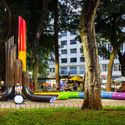
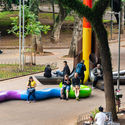
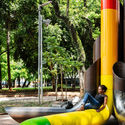
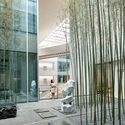
Mies van der Rohe Foundation together with Side Gallery presented "No Fear of Glass", an artistic intervention in the Mies van der Rohe Pavilion in Barcelona, Spain, developed by designer Sabine Marcelis.
Mies van der Rohe Foundation together with Side Gallery presented "No Fear of Glass", an artistic intervention in the Mies van der Rohe Pavilion in Barcelona, Spain, developed by designer Sabine Marcelis.
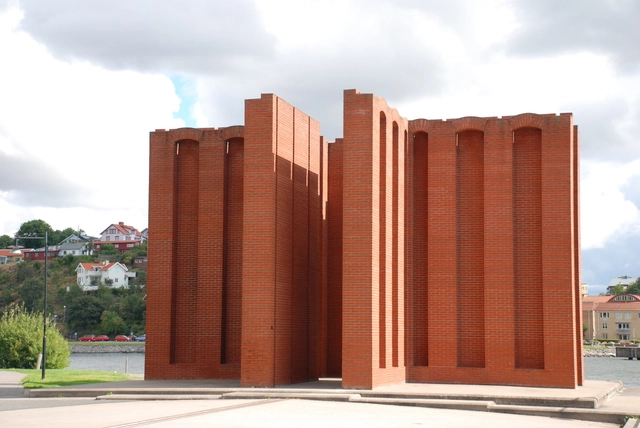
The interview Per Kirkeby: "We Build Upon Ruins" published on Louisiana Channel not only showcases the colorful canvases of the Danish painter, sculptor, filmmaker, and writer, but also his own reflections on the importance of surroundings that "give us so much baggage." It's this very idea that Kirkeby brings to his brick sculpture displays, where something simple and sometimes useful puts aside inaccessible conceptualism to pay homage to the surroundings rather than the sculptures themselves.
.jpg?1554393919&format=webp&width=640&height=580)
The Bulgarian artist Christo will wrap the famous Arc de Triomphe in Paris with recyclable blue fabric in his next work. The work, which will open on April 9 and last for two weeks, coincides with the artist's large exhibition at the Center Pompidou, which brings together works done in partnership with his late wife, Jeanne-Claude, during the period in which they lived in Paris.
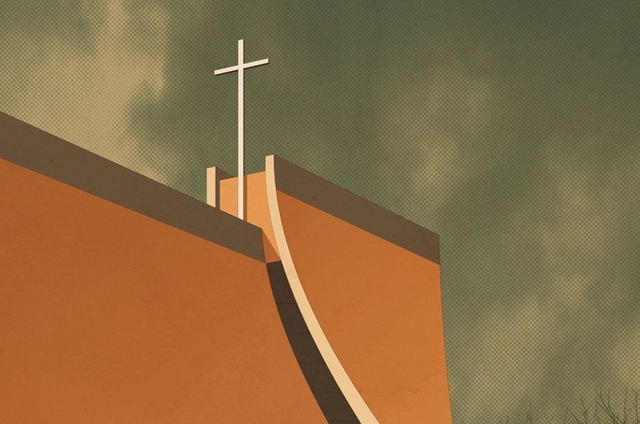
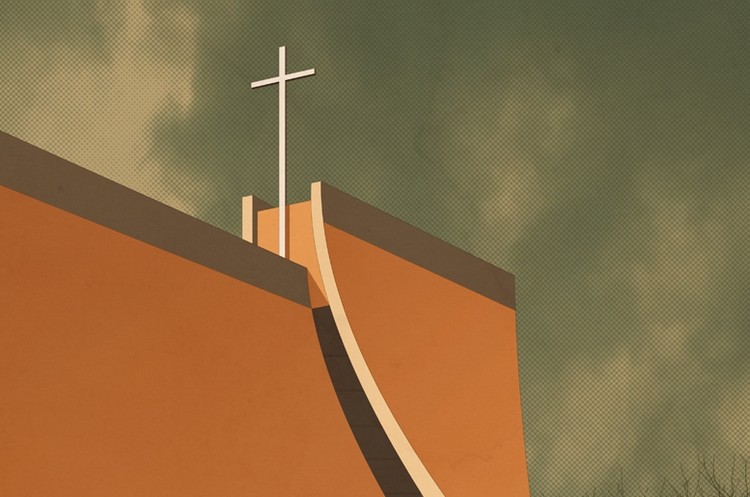
Architecture can be understood through many prisms but is often seen solely as the response to material demands - housing, leisure, commerce, etc. But perhaps no space is more emotionally and symbolically loaded than that of sacred spaces. Designing spaces for worship (religious or otherwise) can be one of the most creative and liberating tasks of this profession. These spaces transcend the terrestrial plane of mere material to become part of a universe of subjectivity and faith.
We present below a series of illustrations of such spaces by André Chiote, featuring famed architectural works by designers such as Gottfried Bohm, Oscar Niemeyer, and Peter Zumthor.
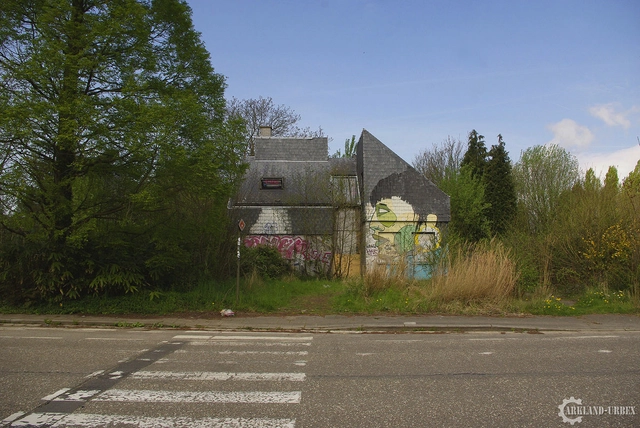
Street art has long surpassed mere trend to become an integral part of cities' cultural identities. What was once considered vandalism is now not only accepted but encouraged. The works of once-prosecuted artists such as Banksy and Shepard Fairey are now collector's items; murals can cost anywhere from $1,000 to $20,000 or more. Through their works, artists may even have the power to save cities.
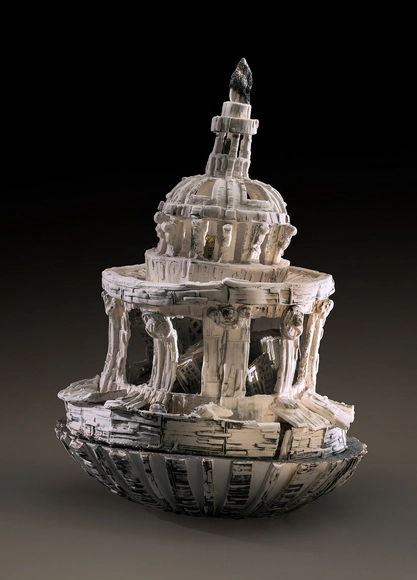
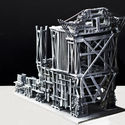
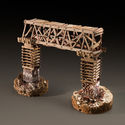
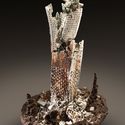
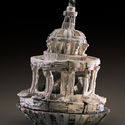
Sculptor and jewelry designer, Cydney Ross explores the architectural passage of time through unconventional ceramics and mixed media. By over-firing, freezing, and thawing her materials, she simulates the swaying, slumping, and even collapsing of structure.
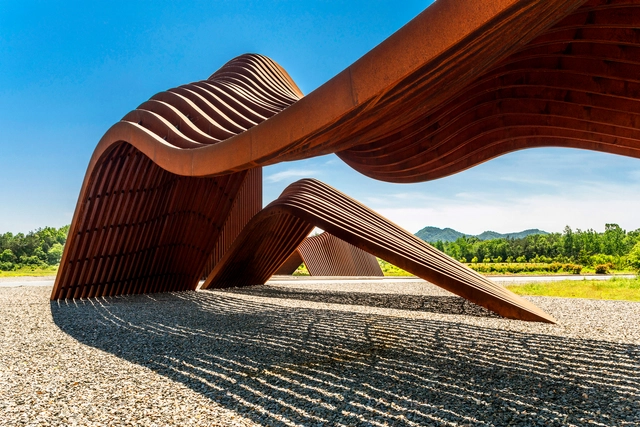
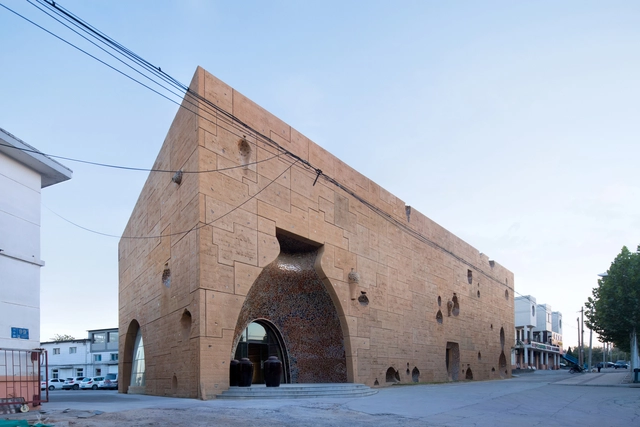


In a world of 3D, HD, 4K, and CGI, architectural representation in the film, television, and gaming industries are becoming ever-more realistic, ever-more dazzling, and ever-more expensive. But strip away the special effects, and the beautifully-crafted architectural forms of fictional worlds such as Game of Thrones, Harry Potter, and Marvel are no less impressive.
To demonstrate this, Angie’s List has produced a set of elemental, greyscale, pen-and-paper illustrations of some of the entertainment industry’s most iconic fictional worlds, celebrating style, form, materiality, and shadow. From the sleek futurism of Star Wars and Marvel to the vernacular fortresses of Game of Thrones and Skyrim, the “Fictional Architecture” series captures the finer details of our favorite fictional universes.
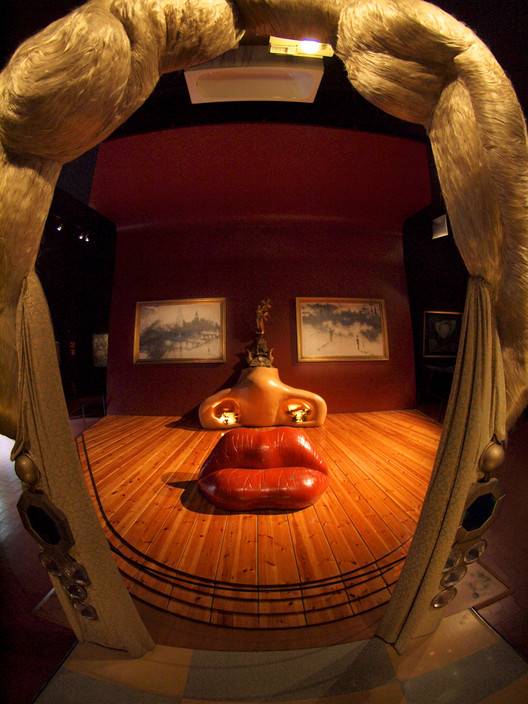
In 1924 writer André Breton penned the Surrealist Manifesto, which called to destabilize the divides between dreams and reality, between objectivity and subjectivity. For many architects who had been—and continue to be—interested in the fundamental role of the built environment, Breton’s surrealist thinking provided a rich resource to examine the role architecture plays in forming reality. Since then, from Salvador Dali and Frederick Kiesler to Frank Gehry, Surrealism has profoundly shaped architecture in the 20th century.

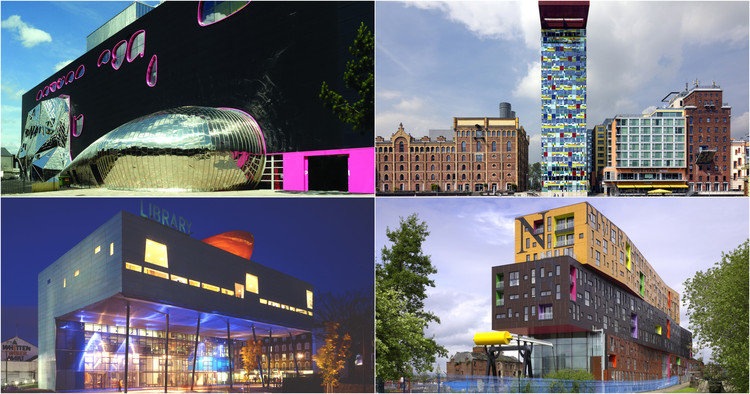
The late British architect Will Alsop was noted for his exuberant and irreverent attitude that took material form in his expressive, painterly portfolio of educational, civic, and residential works. At the ripe age of 23, he was awarded second place in the 1971 Centre Georges Pompidou. From there, he went on to work for the ever humorous Cedric Price before establishing his practice with John Lyall, and eventually many others, in the early 1980s. With a career spanning almost fifty years, here are ten iconic works from an architect who never missed an opportunity to play.
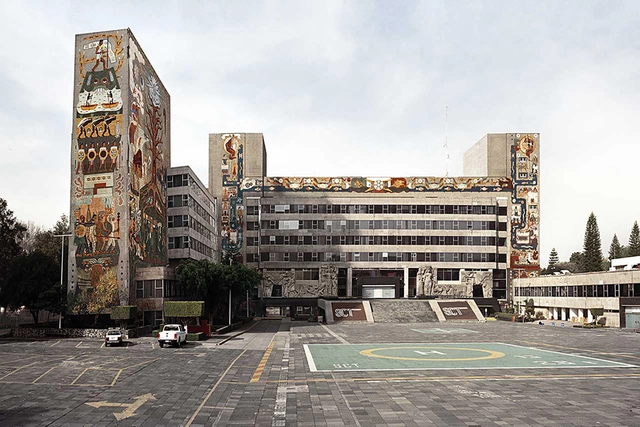
This article was originally published by Metropolis Magazine as "How a Small Mexico City Exhibition Fueled a Debate About Preservation and Power."
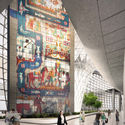
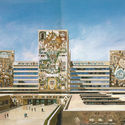
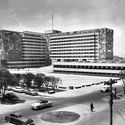
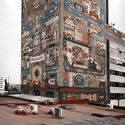
It’s a slate-gray day in Mexico City’s Colonia Narvarte neighborhood and mounting gusts signal imminent rain. Centro SCOP, a sprawling bureaucratic complex, rises sharply against this bleak backdrop. The building is a masterful, if not intimidating, example of Mexican Modernism, an H-shaped assemblage of muscular concrete volumes designed by architect Carlos Lazo, covered in an acre-and-a-half of vibrant mosaic murals.
At its peak, the building accommodated more than 3,000 workers for the Secretariat of Communications and Transportation (SCT). Today, save a security guard in its gatehouse, it is empty.

In their latest video from the Time-Space-Existence series, PLANE—SITE features acclaimed conceptual artist Lawrence Weiner and his ideas regarding the relationship between people and material objects, language as a gesture, and making art accessible to the public. Lawrence Weiner is known for his typographical art applied onto elements of the built environment, and he describes how architecture itself can become an alternative space to present art.
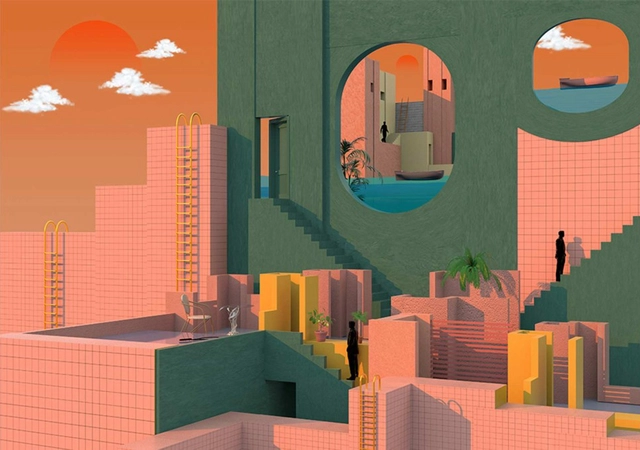
It is rare to find artists who can instigate critical reflection on architecture by combining references such as 'The Red Wall' (La Muralla Roja) by Ricardo Boffil, with the complex illustrations of Giovanni Battista Piranesi and pop culture icons. But Tishk Barzanji, a London artist, is one who does.
Through his digital illustrations, he explores elements of modern architecture from a filtered view by using references that create a dreamlike and surreal universe, producing compositions that express an austere and somewhat disturbing atmosphere.

In 1961, the architect Louis I. Kahn was commissioned by the Fine Arts Foundation to design and develop a large arts complex in central Fort Wayne, Indiana. The ambitious Fine Art Center, now known as the Arts United Center, would cater to the community of 180,000 by providing space for an orchestra, theatre, school, gallery, and much more. As a Lincoln Center in miniature, the developers had hoped to update and upgrade the city through new civic architecture. However, due to budget constraints, only a fraction of the overall scheme was completed. It is one of Kahn’s lesser-known projects that spanned over a decade, and his only building in the Midwest.
.jpg?1520689109&format=webp&width=640&height=580)
Art, in general, is made to be seen or experienced by another, an interlocutor, who, in turn, establishes various relationships with the art work. However, this is not the case of the Bataan Chapel, built by the Swiss artist Not Vital in the Philippines.
Ravaged by constant winds, the art work rises on a hill in rural Bagac, a town of just under 30,000 inhabitants located about 50 kilometers west of Manilla. The remote location of the building makes access difficult and the journey becomes a sort of pilgrimage — part of its grace lies precisely in its inaccessibility.