Sandra Pereznieto

BROWSE ALL FROM THIS PHOTOGRAPHER HERE
↓
Subscriber Access

From Residual Land to Civic Places: 6 Mexican Public Parks

Audio available

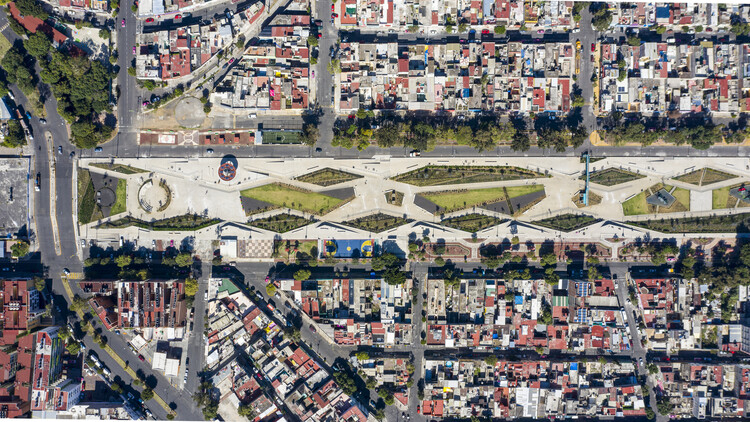
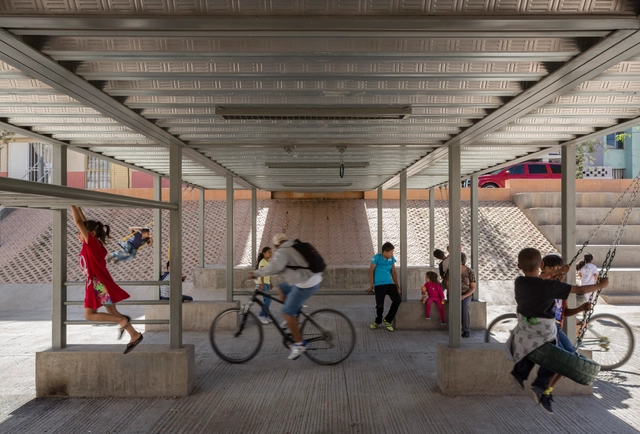
Mexico's rapid urban growth over recent decades has left many cities struggling with fragmented neighborhoods, high crime rates, and severe shortages of quality public spaces. In many low-income urban areas, informal development occurred alongside raw infrastructure like drainage canals, rail lines, and steep ravines, dividing communities and creating hazardous vacant zones. To address this spatial segregation and lack of civic amenities, public agencies and architects across Mexico are intervening in these abandoned buffer zones to construct public parks. By converting former physical barriers into accessible pedestrian corridors, these projects rejoin separated neighborhoods, re-establish safe visual sight lines, and provide spaces for community gathering and daily recreation.

From Residual Land to Civic Places: 6 Mexican Public Parks - More Images+ 3

2018 MCHAP Prize for Emerging Architecture Announced!

Last month, the Mies Crown Hall Americas Prize (MCHAP) announced the four finalists for the MCHAP.emerging award: the Maria Montessori Mazatlan School by EPArquitectos and Estudio Macías Peredo, the Children Village by Rosenbaum and Aleph Zero, the Embodied Computation LAB by David Benjamin, and Common Unity by Rozana Montiel Estudio de Arquitectura.

Subscriber Access

A selection of the best projects of 2018 by ArchDaily Mexico

A selection of the best projects of 2018 by ArchDaily Mexico - More Images+ 23

Throughout 2018, we selected thousands of projects for publication on our site, occasionally highlighting a few for their innovative techniques and materials, their integration with their context, or their community engagement. Working daily with editors in Brazil, the United States, Mexico, Chile, China, and Northern Ireland, and thanks to the extensive network we have forged with institutions worldwide, we have the tools to gain a much broader perspective on current architectural production—not only in Mexico, but globally.

Subscriber Access

Mexico City Architecture City Guide: 38 Projects From Tenochtitlan to the 21st Century

Mexico City is a sprawling metropolis of layered temporalities, where architecture operates as a continuous negotiation between deep-seated history and intense urban mutation. Built over the aquatic traces of Tenochtitlan, the city's fabric is an ongoing dialogue between eras: the monumental scale of the Pre-Hispanic Templo Mayor and the Viceroyalty architecture of the Catedral Metropolitana coexist with the modern and contemporary impulses that define its skyline. This dense juxtaposition creates a unique urban canvas where sacred geography, colonial imposition, and 20th-century ambition intersect.
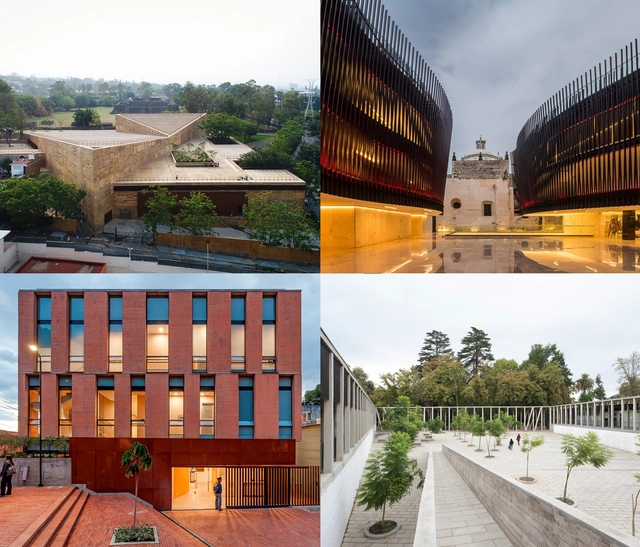
The mid-century marked a definitive era of experimentation, forging a Mexican Modernism that masterfully synthesized international structural rationalism with local identity and materiality. This synthesis is epitomized by the sweeping, plastic integration of art and architecture at the Ciudad Universitaria, the structural poetry of Félix Candela's hyper-parabolic shells, and the raw, monumental brutalism of Teodoro González de León and Abraham Zabludovsky. Parallel to this, the intimate, introspective mastery of Luis Barragán and Juan O'Gorman redefined domestic space, experimenting with light, vernacular color, and tectonic honesty to create spaces of profound spatial stillness.

Mexico City Architecture City Guide: 38 Projects From Tenochtitlan to the 21st Century - More Images+ 53

Subscriber Access

Building Public Life: How Bogotá and Mexico City Addressed Urban Inequality

Audio available

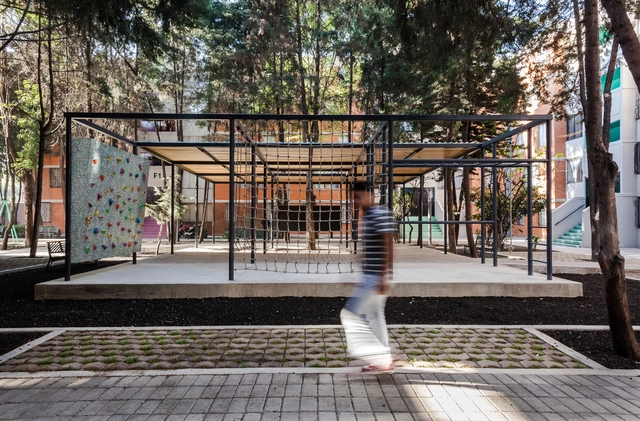
In many Latin American cities, peripheral neighborhoods have historically had less access to the resources that make urban life more than just livable. Housing, transportation, and public services are the usual markers of that gap. But there is another gap that is harder to quantify: the absence of places where people can gather, learn, rest, and participate in collective life. When those spaces do not exist, the city not only fails to provide a service. It fails to acknowledge a presence.

In recent decades, a growing number of projects have tried to address that absence directly. Rather than focusing only on physical infrastructure, they invest in spaces designed to support education, culture, recreation, and community, often merging several of those functions within a single building in neighborhoods where those spaces are otherwise limited.

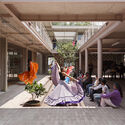
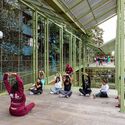
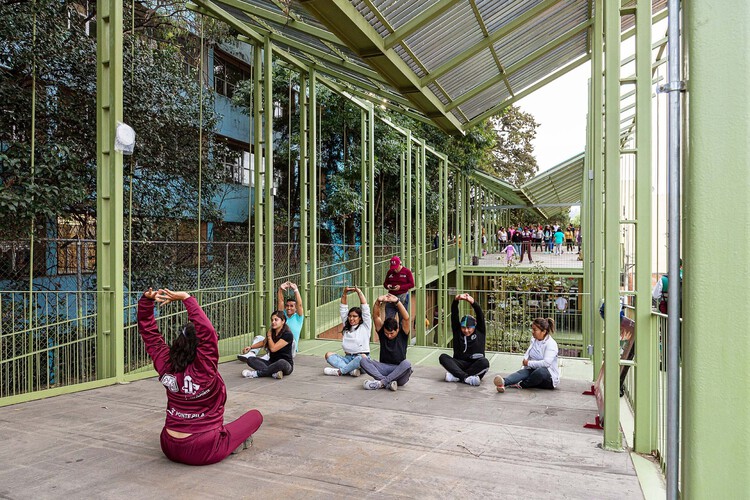
Building Public Life: How Bogotá and Mexico City Addressed Urban Inequality - Image 1 of 4Building Public Life: How Bogotá and Mexico City Addressed Urban Inequality - Image 2 of 4Building Public Life: How Bogotá and Mexico City Addressed Urban Inequality - Image 3 of 4Building Public Life: How Bogotá and Mexico City Addressed Urban Inequality - Featured ImageBuilding Public Life: How Bogotá and Mexico City Addressed Urban Inequality - More Images+ 19

Subscriber Access

From Prefabricated Elements to Urban Furniture: 4 Architectural Projects with Concrete Solutions

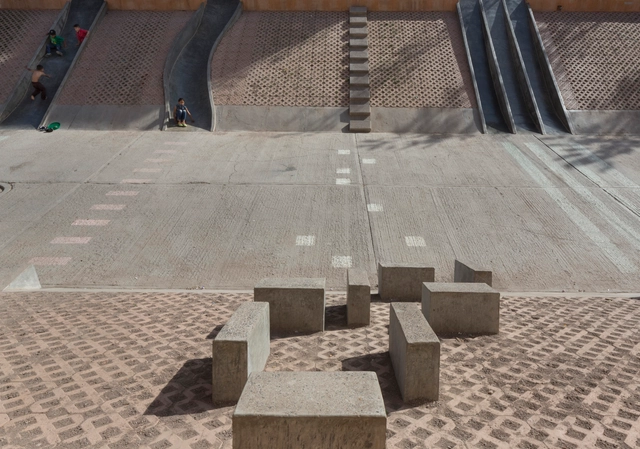
What role does street furniture play in public spaces? In response to human social behavior, the design of public spaces is part of a complex inquiry. Alongside the analysis of uses, community participation, the study of climatic and geographical conditions, and resource efficiency—among many other factors—it involves selecting appropriate urban equipment and elements to meet the needs of a large share of the population. As the Spanish architect and urban planner Oriol Bohigas Guardiola maintained, architecture is not only an art but also a direct service to society. Consequently, harmony among the multiple disciplines involved should yield tools that improve and facilitate community life. Understanding the role of street furniture—how it supports specific activities depending on its layout, dimensions, materials, and long-term lifespan—is essential to the current and future functioning of urban spaces.
Subscriber Access

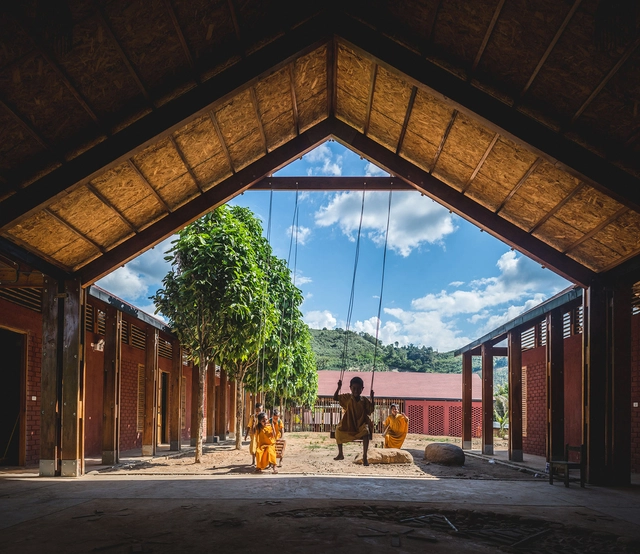
Building with Communities: Rural Schools That Integrate Local Techniques and Materials in Latin America

In an effort to foster a sense of belonging among its inhabitants, to value ancestral cultures, and to preserve identity, the Latin American region embraces an architecture rich in nuances and regional characteristics. The use of local materials and construction techniques, or the dialogue between modular and vernacular approaches, among other aspects, reflect the intention to promote the involvement of native communities, students and their families, Iindigenous peoples, and local builders in the design and construction processes of a wide variety of rural schools throughout Latin America.

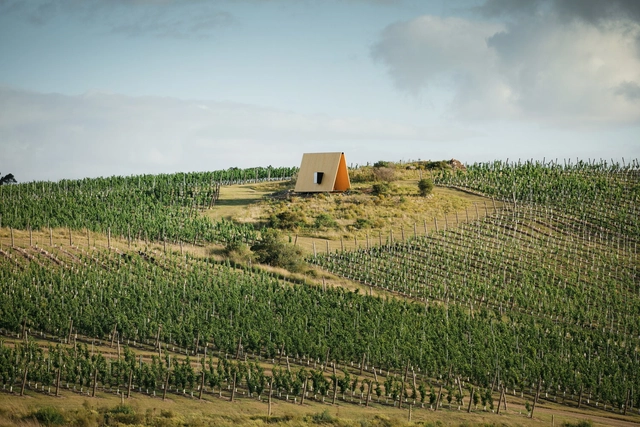
Open-Air Chapels: Integrating Nature and Landscape into Religious Architecture in Latin America

At a global level, contemporary architecture continues to explore tools and design methodologies to integrate nature into habitable spaces, given its proven benefits and contributions to improving people's quality of life. While there are diverse religious beliefs around the world, religious architecture generally expands beyond its uses and functions to connect with the sacred. Senses, memories, and emotions are transmitted in these spaces through the use of certain materials, spatial organizations, and even sounds and aromas that enhance experiences in atmospheres of spirituality, divinity, and reflection. In Mexico, Chile, Ecuador, Brazil, and Uruguay, projects for places of worship open to the outdoors reflect an architecture that adapts to different natural environments while maintaining the premise that each religion is tied to a social identity and requires a particular connection with its community and surrounding landscape.
Open-Air Chapels: Integrating Nature and Landscape into Religious Architecture in Latin America - Image 1 of 4Open-Air Chapels: Integrating Nature and Landscape into Religious Architecture in Latin America - Image 2 of 4Open-Air Chapels: Integrating Nature and Landscape into Religious Architecture in Latin America - Image 3 of 4Open-Air Chapels: Integrating Nature and Landscape into Religious Architecture in Latin America - Image 4 of 4Open-Air Chapels: Integrating Nature and Landscape into Religious Architecture in Latin America - More Images+ 20

Winning Projects of the 2024 Rogelio Salmona Latin American Architecture Award Announced

On October 24, 2024, the Rogelio Salmona Latin American Architecture Prize award ceremony took place, honoring works that have significantly created meaningful, open, and collective spaces for the public in the region. During the event, held at the Virgilio Barco Public Library auditorium in Bogotá, Colombia, the winners of this prestigious award were announced. This year marked the fourth cycle, titled "Open Spaces/Collective Spaces," with participation from 47 projects.

The jury, composed of international figures such as Sol Camacho (Brazil-Mexico), Nicolás Campodonico (Argentina), Carlos Campuzano (Colombia), and Mauricio Rocha (Mexico), first shortlisted 26 selected works, from which two were awarded the first prize in the Latin America and Colombia categories.

These are the 26 works selected for the 2024 Rogelio Salmona Latin American Architecture Award

The ‘Rogelio Salmona Latin American Architecture Prize: open spaces / collective spaces’ seeks to recognize built works of architecture that create significant spaces for citizens, helping to foster more welcoming cities. Unlike previous editions, this year two categories were established: Latin America and Colombia.

“The city is citizenship, with its people, institutions, monuments, culture, architecture, and public space, and with the physiognomy that it has acquired and built over time, it is humanity's great civilizing proposition.” - Rogelio Salmona

Community Growth Through Architecture: Maximizing Limited Resources for Positive Impact

Limited resources are becoming an increasingly common challenge in architecture. Today, regardless of the region, projects are affected by the availability of resources, which are now compounded by environmental considerations. This situation, far from being restrictive, prompts us to explore new possibilities in how we conceive the built environment. In this context, it is crucial to understand that resources are not only limited to the economy but also include technological, material, and spatial aspects. Thus, we can enhance our creativity and efficiency by broadening our considerations when approaching architectural design and its challenges, doing more with less.

At the community level, the challenge becomes even more significant when we consider that our projects must not only be designed to overcome these "constraints," but also to positively impact their communities. Therefore, contemporary projects must present different strategies to overcome limited resources and materials depending on the context, always aiming to achieve a positive impact and become powerful and ingenious proposals while democratizing access to architecture.

Architecture in Mexico: Projects Using Stone

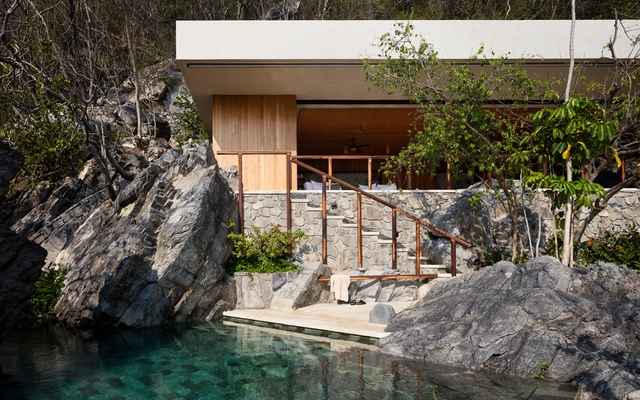
Due to their aesthetic, sustainable, durable, and resistant qualities, stone materials have accompanied the disciplines of architecture and engineering since their origins. As is known, in Mexico, stone has been a fundamental element in pre-Hispanic constructions where experimentation was done with vaults, ashlars, masonry, etc.

However, the industrialization of this material, the perfection of techniques, and experimentation with its various applications have allowed buildings erected today to continue using it in different ways and various regions of the country, specifically in wooded areas. For this reason, we have compiled a selection of projects that include houses, haciendas, hotels, restaurants, and terraces to continue inspiring you.

Architecture in Mexico: Projects Using Stone - More Images+ 30

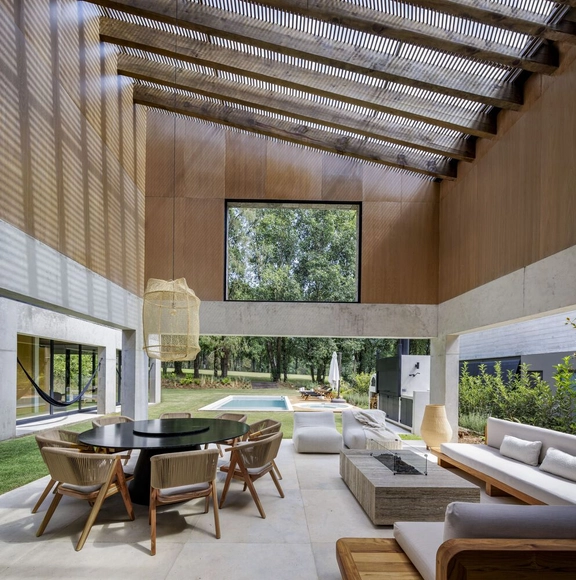
Noah House / Cadaval Estudio

Noah House / Cadaval Estudio - More Images+ 13

•
Valle de Bravo, Mexico
  • Architects: Cadaval Estudio
  • Area Area of this architecture project Area:  400 m²
  • Year Completion year of this architecture project Year:  2023
Subscriber Access

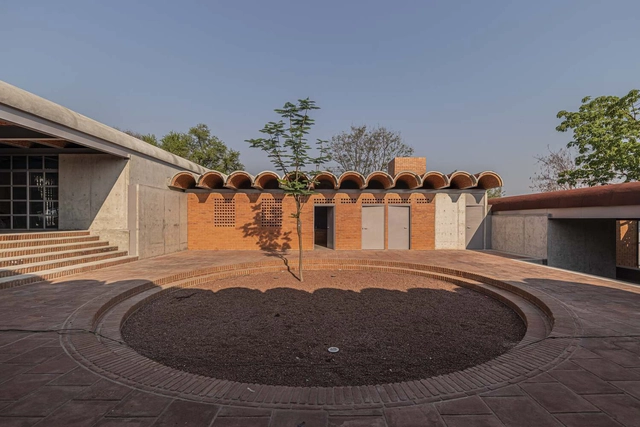
Projects in Mexico That Use Catalan Vaults in Their Ceilings

Projects in Mexico That Use Catalan Vaults in Their Ceilings - More Images+ 6

For many years, the Catalan vault has been used in various projects ranging from residential to public programs. This design element stems from a traditional construction technique—likely originating in the Middle Ages—consisting of building a roof with bricks laid flat on their widest face—exposing their length and width—rather than on any of their thicker edges.

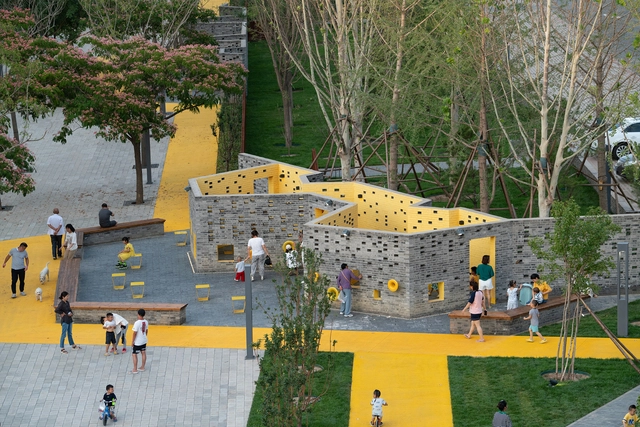
Cultivating Non-Violent Cities: 10 Examples of Friendly Public Spaces

Violent cities result from social and economic inequality, which also affects the urban landscape and the way we live. In honor of International Cities Day, we have selected a series of projects to reflect on non-violent ways of using public space.

Cultivating Non-Violent Cities: 10 Examples of Friendly Public Spaces - More Images+ 9

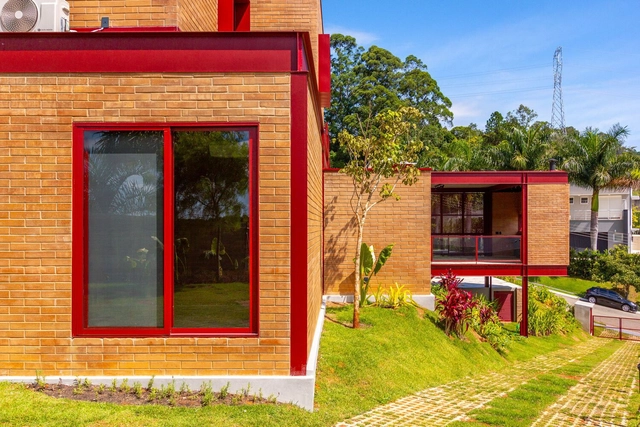
The Color in Structures and Enclosures: Applications in Contemporary Latin American Housing

Although the use of color can be employed to hide or disguise a specific characteristic, it can also be used to highlight them. Within the Latin American territory, we can observe that shades of red, green, and blue have predominated in residential architecture, aiming to integrate a language appropriate to the context in which it is implemented.

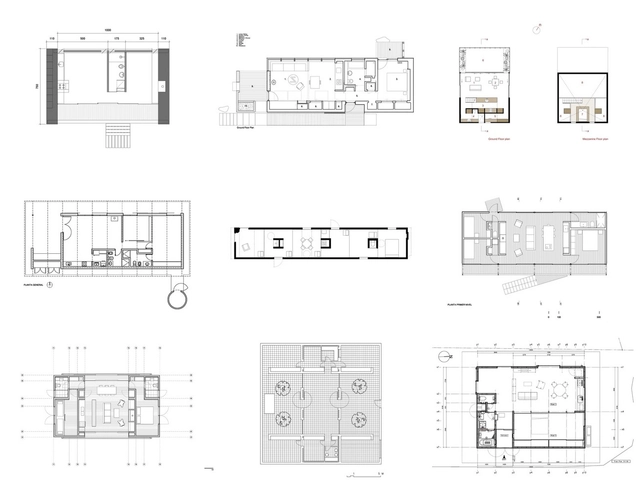
House Plans Under 100 Square Meters: 30 Useful Examples

The challenge of designing a house with a tight budget and space constraints, together with the essential duty of responding correctly to the requirements of the user, is sometimes one of the most challenging and motivating tasks an architect can face. How can you take advantage of space most effectively? How can you avoid wasted material? How do you anticipate the possible future expansion of the house? And how do you develop a simple design that also delivers value to its inhabitants?

To help you in this process, we scoured our projects archives to select 30 houses that provide interesting architectural solutions despite measuring less than 100 square meters.

Subscriber Access

Overcoming Barriers: Social Justice in Latin American Architecture

February 20th marks a new edition of the World Day of Social Justice. The theme, "Overcoming barriers and unlocking opportunities", is a perfect occasion to reflect on the importance of equity in all areas of society - and especially from architecture and urbanism. And yes: they both have a fundamental role in building accessible cities and are important tools for addressing the challenges of economic inequality and social exclusion.