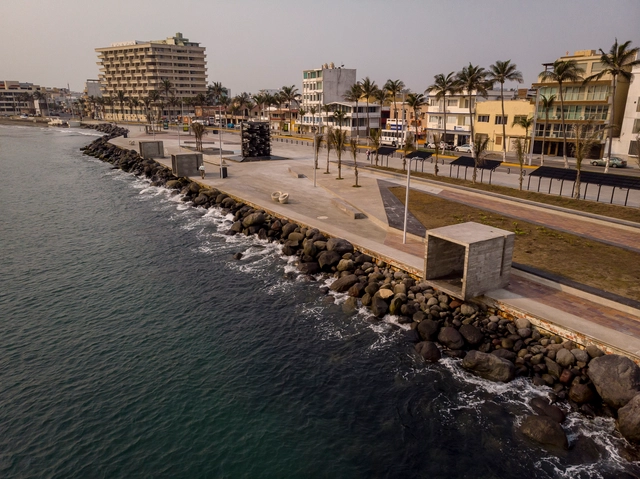
Veracruz is a state located in eastern México, bordered by the states of Tamaulipas, Tabasco, Chiapas, Oaxaca, Puebla, Hidalgo, and San Luis Potosí, and facing the Gulf of Mexico. Covering an area of 71,820 km², it is the country's third most populous state.
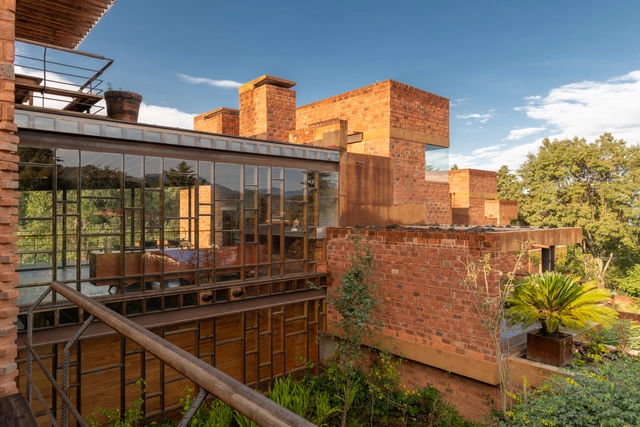
Mexico's Valle de Bravo region, to the southeast of Mexico City, is characterized by the Presa Miguel Alemán lake, created in 1947 as a reservoir for Mexico City and Toluca's water supply. Thanks to its proximity to the capital, Valle de Bravo is a popular weekend destination for residents of surrounding cities. This in turn has sparked the interest of various architects, who have aimed to create projects that enhance visitors' experience such as offering an optimal view of the lake, or an immersive experience in the surrounding forest.
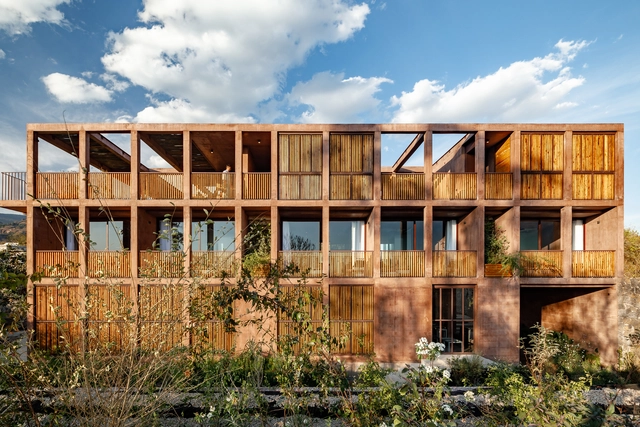
Tepoztlán is a region located in the state of Morelos, in the south-central part of the country, bordered by the states of Guerrero, Puebla, the State of Mexico, and Mexico City. Spanning an area of 242.646 square kilometers, it is one of the 111 Pueblos Mágicos (Magical Towns) designated to boost tourism by highlighting the unique attributes of each destination.
The state of Baja California Sur is located in northwestern Mexico. It is bordered by the state of Baja California to the north, the Pacific Ocean to the west, and the Sea of Cortez to the east, harboring some of the most stunning landscapes and coastlines in the country. Thanks to its prime location, Baja California Sur is one of the most visited states in the nation.
One of the most critical factors in architectural design is the site's specific climate. While this can present challenges in extreme conditions—requiring insulating materials to adapt to shifting environments—Mexico's privileged climate works in the architects' favor. It allows them to create microclimates and spaces that blur the boundary between indoors and outdoors.
One of the most important factors in design is the site's specific climate. This can pose a challenge in extreme weather, where insulating materials are required to adapt to changing conditions. However, in the case of Mexico and its privileged climate, this factor works to the architects' advantage, allowing them to create microclimates and spaces that blur the transition between indoors and outdoors.
In recent years, architectural production in Mexico has faced a series of extraordinary challenges. Some of these stem from natural disasters that severely shook at least nine states, leaving several areas gravely affected across Mexico City, Puebla, Morelos, Oaxaca, Veracruz, Tlaxcala, Guerrero, and the State of Mexico. However, these events also served as a catalyst, prompting the architectural community to increase its focus—and active involvement—on housing and infrastructure for the most vulnerable sectors of the population.
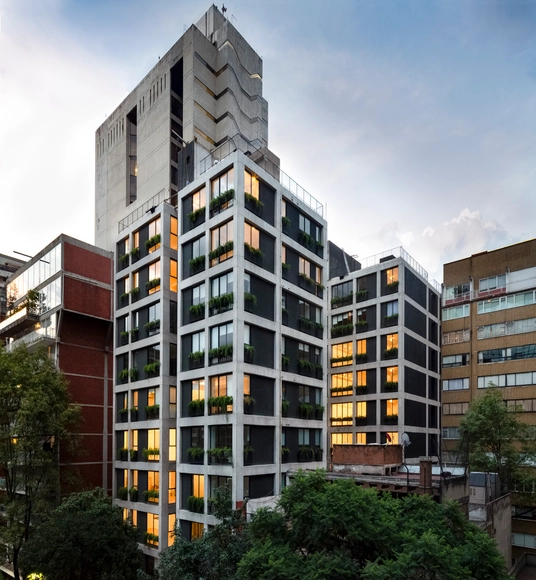
Mexico City, considered one of the largest and most populous urban areas in the world, is in fact the largest city in the Americas and the Spanish-speaking world. Given this vast footprint, its immense population has led to sprawling peripheral settlements, highlighting the urgent need for a denser, more inclusive city. Various factors—such as the abandonment of downtown buildings following historic earthquakes like the one in 1985, compounded by a lack of basic habitability—have drawn the attention of diverse actors. Through clear, targeted interventions, they seek to restore a cohesive urban fabric that empowers residents to reclaim their city.
As we have seen throughout the history of architecture, ephemeral installations and pavilions are important tools for talking about specific moments in architecture in an almost immediate way. While it is true some pavilions have been so relevant that they broke with their ephemeral quality to become permanent, such as the German Pavilion in Barcelona, designed by Ludwig Mies van der Rohe and Lilly Reich, most are documented in photographs, plans and experiences to be rewritten in future projects.
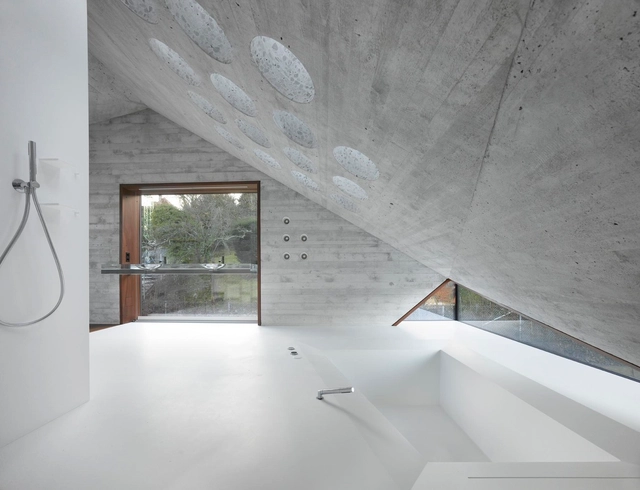
Béton brut or "raw concrete" is a naturally porous material that provides many advantages for the design and build of a bathroom. As a waterproof and pressure-resistant material, it is easy to clean, doesn't deteriorate, prevents bathroom fungus and is low maintenance. Attractive as it is functional, concrete is versatile for both on-site furniture and wall coatings, floors and even shower trays. In addition, due to its thermal mass, concrete is an excellent material for floor heating.
Pro Tip: There are a variety of concrete finishes, but for the safety of daily bathroom users, you must add a surface sealer and a certain percentage of traction to avoid slippage.
Below, we've compiled 26 concrete bathrooms that find intimacy in béton brut.
This collection is one of many interesting content groupings made by our registered users. Remember you can save and manage what inspires you on ArchDaily account. Create yours here.
https://www.archdaily.com/914939/best-concrete-bathrooms-brutalism-in-intimate-spaceMartita Vial della Maggiora


.jpg?1597763267&format=webp&width=230&height=230&crop=true)
.jpg?1597763791&format=webp&width=230&height=230&crop=true)

.jpg?1597763256&format=webp&width=230&height=230&crop=true)





.jpg?1597294332&format=webp&width=640&height=580)


.jpg?1597294332)
.jpg?1563579873&format=webp&width=640&height=580)
.jpg?1563579979&format=webp&width=230&height=230&crop=true)
.jpg?1563580234&format=webp&width=230&height=230&crop=true)
.jpg?1563581527&format=webp&width=230&height=230&crop=true)
.jpg?1563580832&format=webp&width=230&height=230&crop=true)
.jpg?1563579873)


.jpg?1594917129&format=webp&width=230&height=230&crop=true)