

-
Architects: Cadaval & Solà-Morales
- Area: 1614 ft²
- Year: 2017
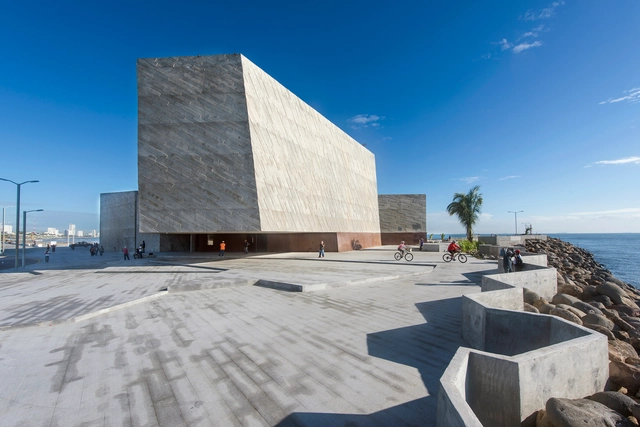
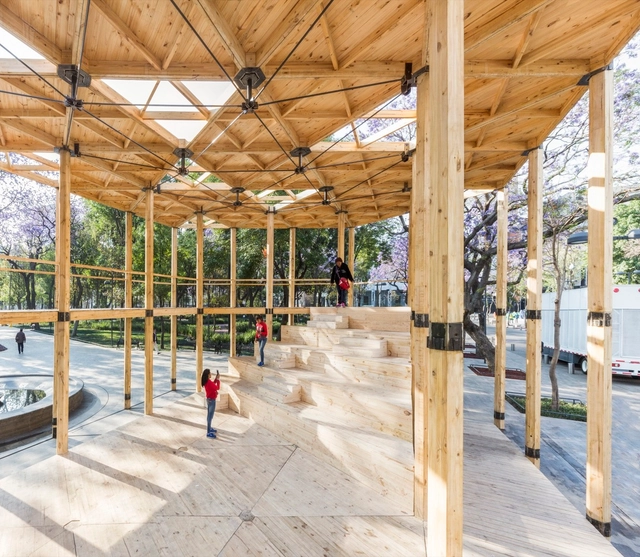
The year 2018 has been filled with achievements and surprises for the architectural community. As the year draws to a close, we reflect on the crucial role competitions play in reinforcing the global image of each region or country. Mexico was no exception, securing nearly 18 international recognitions (including grants, competitions, nominations, etc.) that showcased its key interests and goals for the coming years to the rest of the world. This selection highlights the prominent participation of Mexican architects Frida Escobedo and Rozana Montiel—both invited and recognized on multiple occasions at some of the industry's most prestigious events—as well as outstanding projects like the Teopanzolco Cultural Center by Isaac Broid + Productora, which received several national and international awards.
Read on for the complete list.
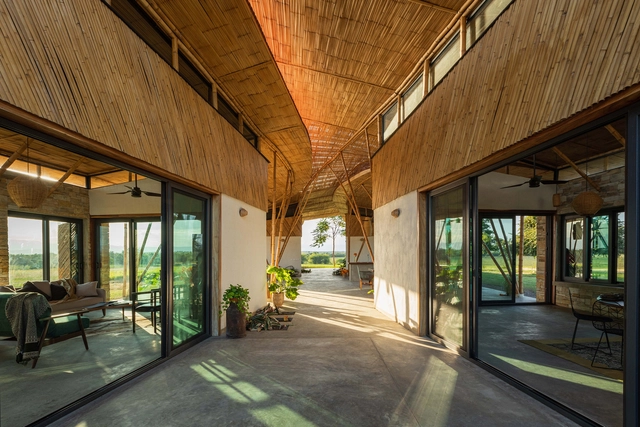
Mexico is a country known globally for its traditional and contemporary architectural elements. The construction techniques characteristic of each region and the use of materials according to thermic, economic, or aesthetic needs result in unique spaces.
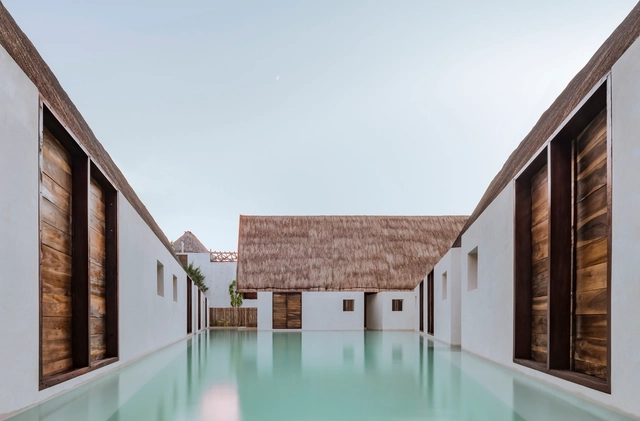
CEMEX has announced the Mexican winners of the 2018 CEMEX Building Award across its various categories, including Affordable Housing, Residential Housing, Building, Collective Space, and Infrastructure. This year's winners include projects from across Mexico, with each entry evaluated on comprehensive sustainability, architectural solution, structural solution, and construction process. Read on to discover the winning projects of this edition.
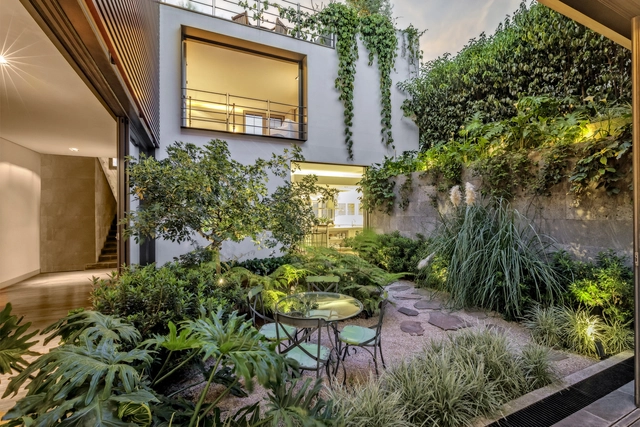
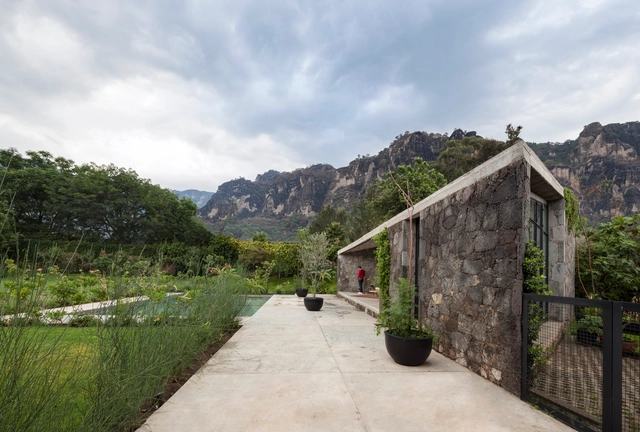
One of the most important factors to consider when designing is the climate of the site. This can create difficulties when it comes to extreme climates and it is necessary to use insulation materials that adapt to changing conditions. However, when discussing Mexico and its specific climate, this can be an opportunity for architects to create microclimates and spaces that blur the transition of interiors and exteriors.
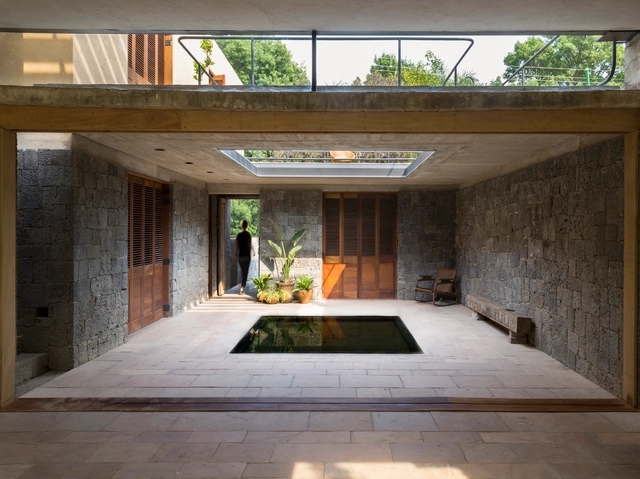
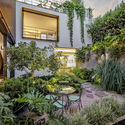
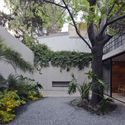
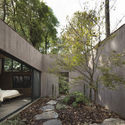
Patios have become a traditional element of design. They create interesting psychological effects that fuse the conception of the interior and exterior, the common and private. It is a way to bring sunlight and rain into the house, to open up paths and coexistences that do not occur in interiors. Below, a selection of projects in Mexico that use the patio as the main design resource.
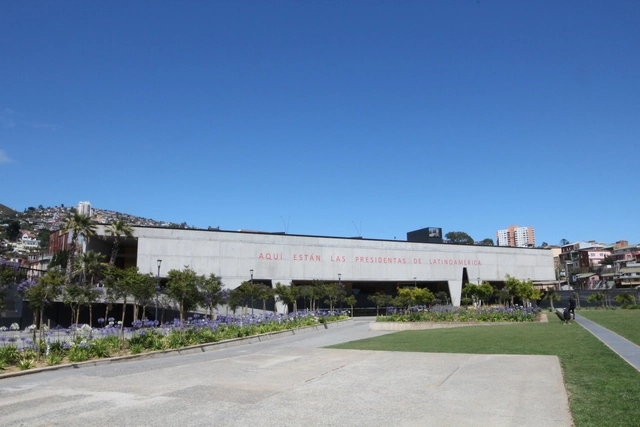
At a ceremony held on Monday, September 3, the Valparaíso Cultural Park, located in the Chilean city of the same name, was named the winner of the 3rd Rogelio Salmona Award. Organized by the Rogelio Salmona Foundation, the Latin American competition recognizes works whose architecture "clearly generates significant, open public spaces that are embraced and enjoyed by their community within a context of local and global communities."
Designed by the firm HLPS (Martín Labbé, Carolina Portugueis, Osvaldo Spichiger, and Jonathan Holmes), the Valparaíso Cultural Park is the result of rehabilitating the former Valparaíso prison, constructing a new cultural center, and converting the surrounding grounds into a public park.


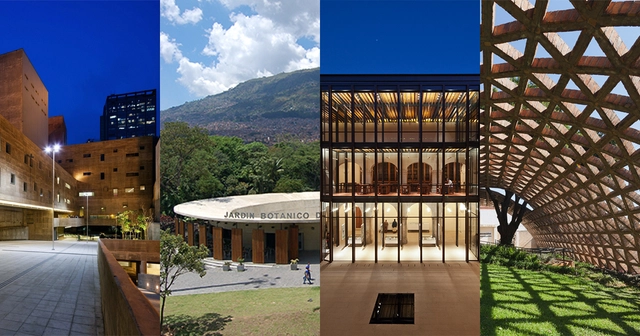
Following several months of research to identify works in Latin America and the Caribbean, an international curatorial committee of architects has selected 20 built works to be featured in the third edition of the Rogelio Salmona Latin American Architecture Prize.
The curatorial committee was composed of architects Silvia Arango (Andean Region), Felipe Leal (Mexico, Central America, and Caribbean Region), Alexandre Ribeiro Gonçalves (Brazil Region), and Fernando Pérez Oyarzún (Southern Cone Region), who reviewed 53 Latin American projects to make their final selection. This coming September, the prize will be awarded to the winning work during a ceremony in Bogotá, Colombia.
These are the 20 works selected to participate in the third edition of the prize:
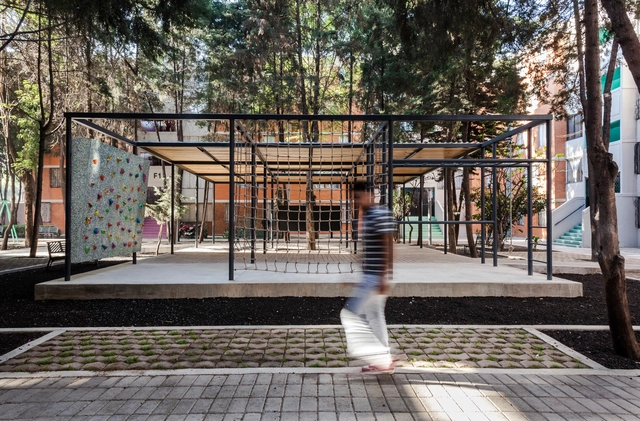
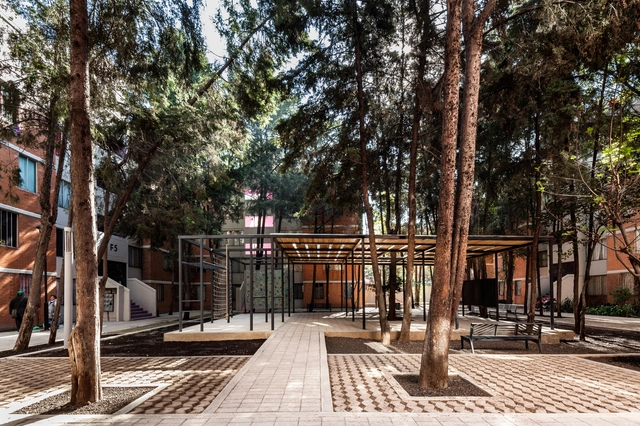
Last month, the Mies Crown Hall Americas Prize (MCHAP) announced four finalists in their MCHAP award for emerging architecture: The María Montessori School by EPArquitectos and Estudio Macías Peredo, Children Village by Rosenbaum and Aleph Zero, the Embodied Computation LAB by David Benjamin, and Common Unity by Rozana Montiel Estudio de Arquitectura.
Now, the jury of Ricky Burdett, Jose Castillo, Ron Henderson, Rodrigo Pérez de Arce and Claire Weisz has declared Common Unity as the winner of the 2018 MCHAP.emerge award.
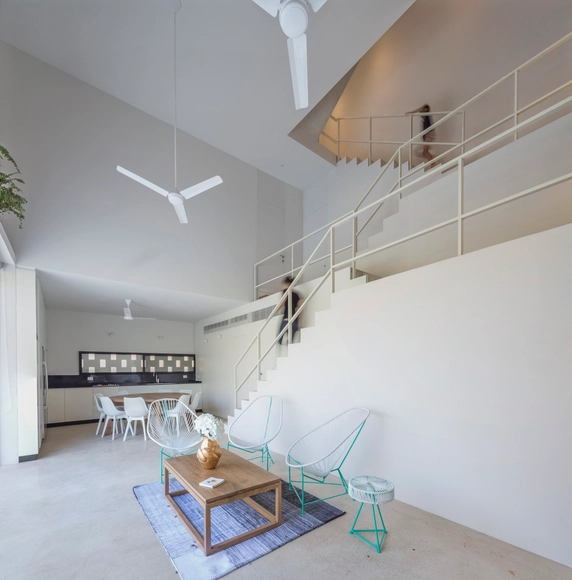
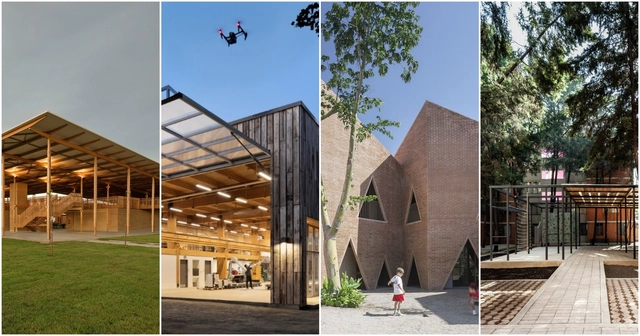
With its Mies Crown Hall Americas Prize, the Illinois Institute of Technology College of Architecture seeks to recognize the most distinguished works of architecture in the Americas. Every two years, the Prize is awarded at an event that takes place in the masterpiece of Mies van der Rohe, the S.R. Crown Hall, the home of the Chicago-based school.
The jury, comprising Ricky Burdett, Jose Castillo, Ron Henderson, Rodrigo Pérez de Arce, and Claire Weisz, has announced four finalists in the prize's latest version of the MCHAP.emerge award, which covers architecture built in 2016 and 2017. MCHAP.emerge award aims to recognize outstanding built work by emerging practices, offering a prize of $25,000 to the winner.
_971.jpg?1502735668&format=webp&width=640&height=580)







_666.jpg?1502734289&format=webp&width=230&height=230&crop=true)
_808.jpg?1502735363&format=webp&width=230&height=230&crop=true)
_633.jpg?1502734224&format=webp&width=230&height=230&crop=true)
_936.jpg?1502735627&format=webp&width=230&height=230&crop=true)
_971.jpg?1502735668)