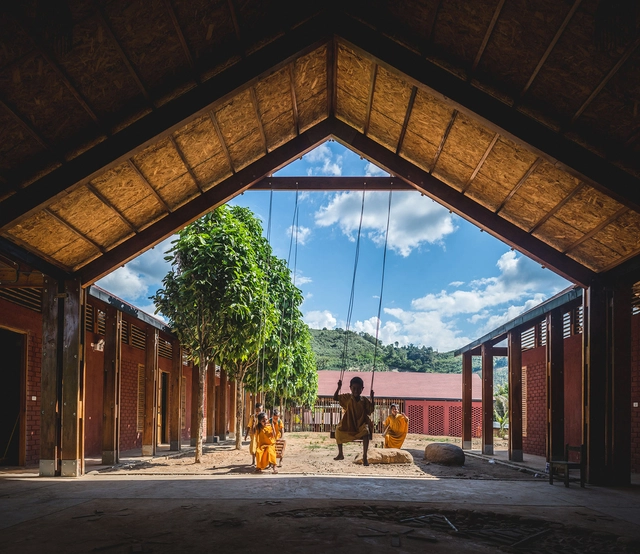
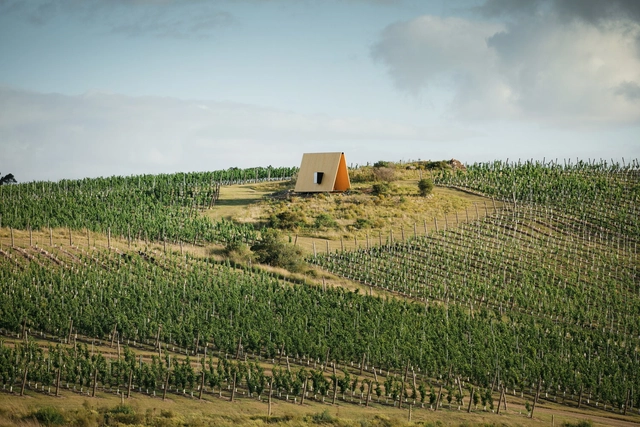
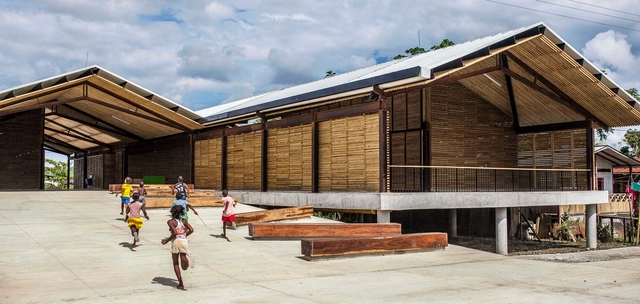
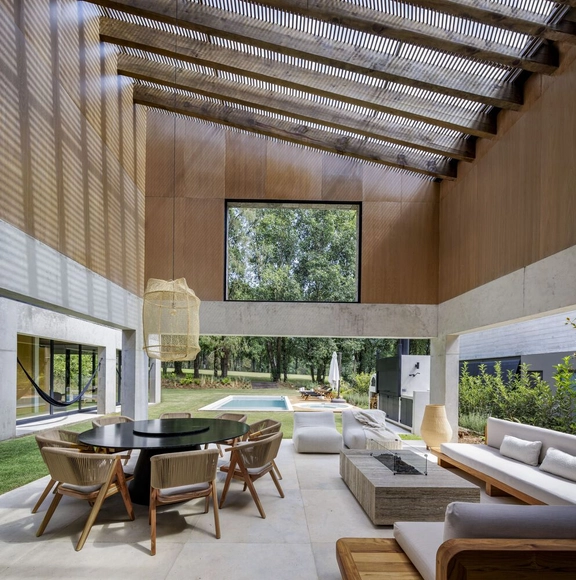
This year we celebrate the fourteenth edition of the Obra del Año 2022 award—the highest recognition in the Spanish-speaking architectural world, where the winners are chosen by popular vote. Starting today, Tuesday, March 8, our readers will be responsible for determining which projects inspired us during 2021, faithfully representing the identity of our local contexts while shaping the way architecture is practiced around the world.
With nearly a thousand projects published in 2021, you can easily find your favorites by browsing through each category and using the search engine to filter projects by country and architecture firm.
The 2022 Obra del Año Award is brought to you by Dornbracht, renowned for its design leadership in architecture, which can be found internationally in bathrooms and kitchens.
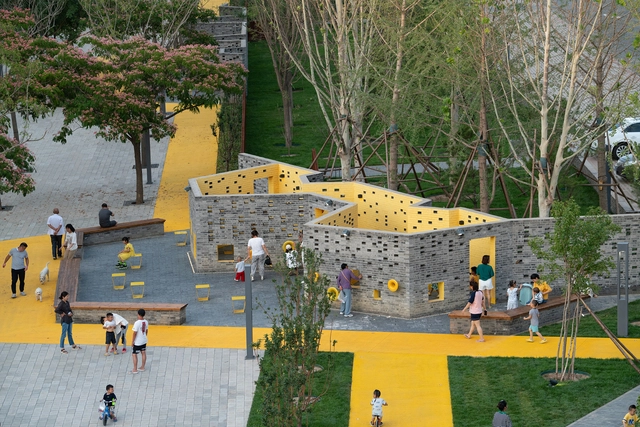
The ‘Rogelio Salmona Latin American Architecture Prize: open spaces / collective spaces’ seeks to recognize built works of architecture that create significant spaces for citizens, helping to foster more welcoming cities. Unlike previous editions, this year two categories were established: Latin America and Colombia.
From the 42 submissions, the jury—comprising Sol Camacho (Brazil/Mexico), Nicolás Campodónico (Argentina), Carlos Campuzano (Colombia), Carlos Jiménez (Spain/Colombia), and Mauricio Rocha (Mexico)—selected 26 Latin American works to be published, featured, and exhibited during this 2024 edition. The final awards ceremony will take place on October 24 of this year.
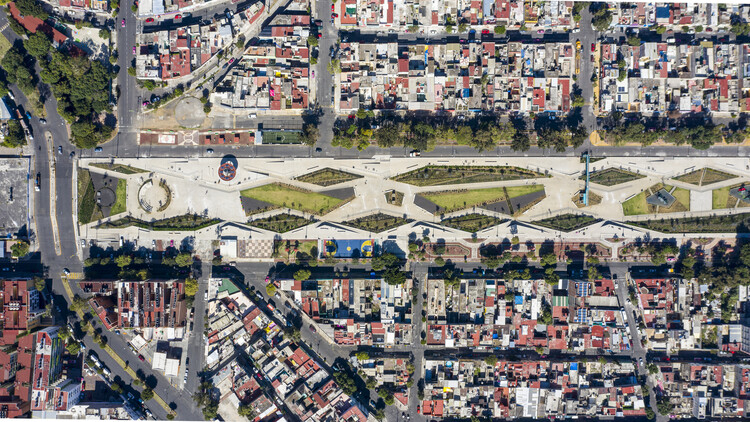
Mexico City, considered one of the largest and most populous urban areas in the world, is in fact the largest city in the Americas and the Spanish-speaking world. Given this vast footprint, its immense population has led to sprawling peripheral settlements, highlighting the urgent need for a denser, more inclusive city. Various factors—such as the abandonment of downtown buildings following historic earthquakes like the one in 1985, compounded by a lack of basic habitability—have drawn the attention of diverse actors. Through clear, targeted interventions, they seek to restore a cohesive urban fabric that empowers residents to reclaim their city.
In recent years, architectural production in Mexico has faced a series of extraordinary challenges. Some of these stem from natural disasters that severely shook at least nine states, leaving several areas gravely affected across Mexico City, Puebla, Morelos, Oaxaca, Veracruz, Tlaxcala, Guerrero, and the State of Mexico. However, these events also served as a catalyst, prompting the architectural community to increase its focus—and active involvement—on housing and infrastructure for the most vulnerable sectors of the population.
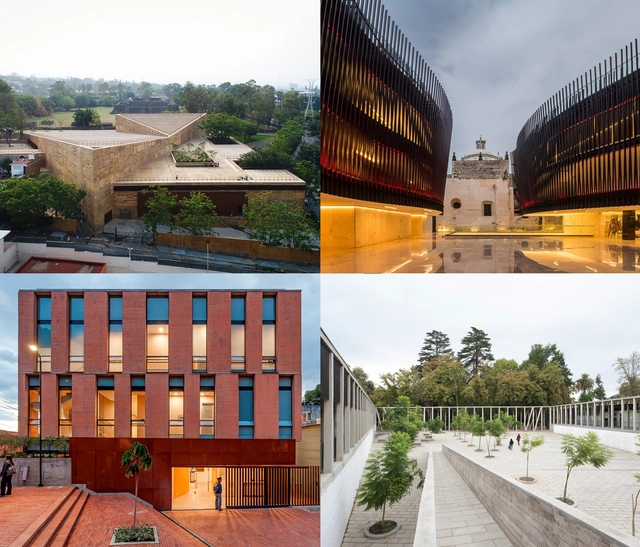
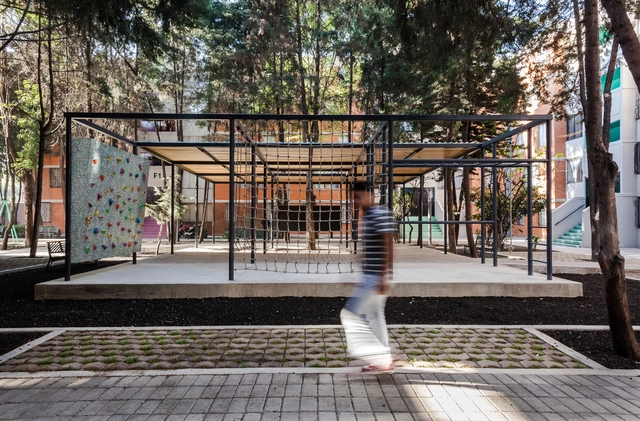
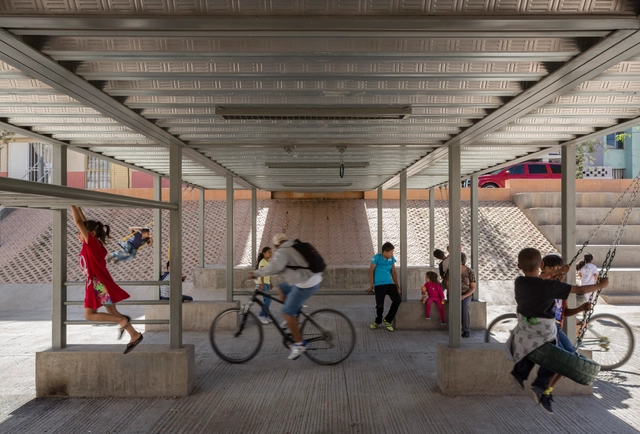
According to 2018 data from INEGI's National Survey of Demographic Dynamics (ENADID), the child population under fifteen in Mexico represents 25.3% of the overall total, which stands at 125 million people. The reality is that this population, despite representing just over a quarter of the total, has few to no spaces dedicated to their entertainment and development. With this figure in mind, this article reflects on public space and childhood in Mexican cities.
Veracruz is a state located in eastern México, bordered by the states of Tamaulipas, Tabasco, Chiapas, Oaxaca, Puebla, Hidalgo, and San Luis Potosí, and facing the Gulf of Mexico. Covering an area of 71,820 km², it is the country's third most populous state.
Last week we announced the 15 finalist projects for the 2021 Obra del Año Award, which since 2008 has celebrated the best built architecture in Latin America and Spain, calling on our jury of experts—you, our readers—to choose your favorite built projects from nearly 1,000 works published in 2020.
Today, the day has come to announce the winners of ODA2021!
The 2021 Obra del Año Award is brought to you by Dornbracht, renowned for its leading architectural designs, which can be found in bathrooms and kitchens worldwide.
Tepoztlán is a region located in the state of Morelos, in the south-central part of the country, bordered by the states of Guerrero, Puebla, the State of Mexico, and Mexico City. Spanning an area of 242.646 square kilometers, it is one of the 111 Pueblos Mágicos (Magical Towns) designated to boost tourism by highlighting the unique attributes of each destination.
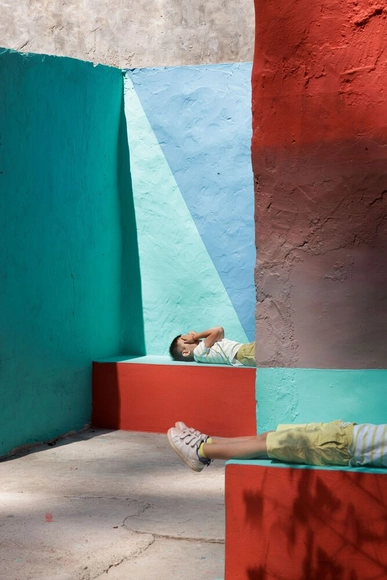
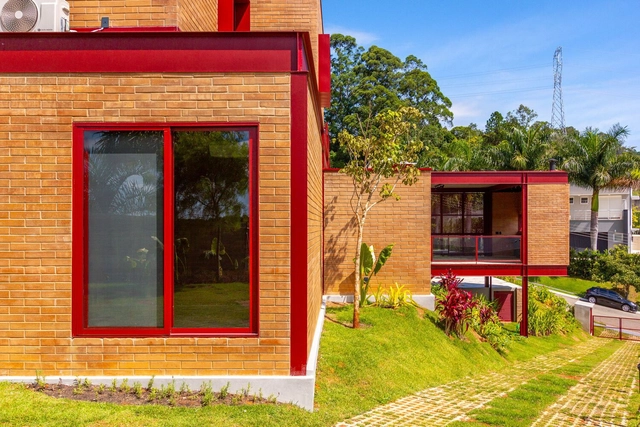
One of the most critical factors in architectural design is the site's specific climate. While this can present challenges in extreme conditions—requiring insulating materials to adapt to shifting environments—Mexico's privileged climate works in the architects' favor. It allows them to create microclimates and spaces that blur the boundary between indoors and outdoors.
The state of Baja California Sur is located in northwestern Mexico. It is bordered by the state of Baja California to the north, the Pacific Ocean to the west, and the Sea of Cortez to the east, harboring some of the most stunning landscapes and coastlines in the country. Thanks to its prime location, Baja California Sur is one of the most visited states in the nation.
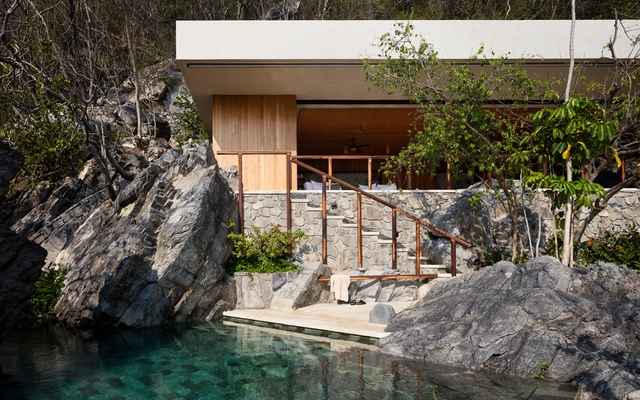
One of the most important factors in design is the site's specific climate. This can pose a challenge in extreme weather, where insulating materials are required to adapt to changing conditions. However, in the case of Mexico and its privileged climate, this factor works to the architects' advantage, allowing them to create microclimates and spaces that blur the transition between indoors and outdoors.
As an architectural element, screens have a long history. Used since antiquity in Egypt and Greece, as well as in traditional Hispano-Islamic art, they have enriched countless spaces with their repetitive patterns and intricate designs. To this day, they maintain their value through aesthetic qualities and excellent functional characteristics, playing a prominent role in the facades and partition walls of many contemporary architectural projects—especially in residential ones.
With the rise of social media, we have entered an era of a multimedia "society of the spectacle," where the influence of images on the public grows year by year. Visually-driven media platforms are increasingly dominating the market, serving as an alternative form of travel that allows people to experience breathtaking scenes from around the world without leaving home. Dedicated to bringing design inspiration to the public, ArchDaily established its presence on Instagram years ago. In 2022, we expanded onto China’s Xiaohongshu (RED), hoping to share exceptional projects with a broader audience. As expected, the influence of star architects remains strong, while playfulness, aesthetics, and relevance emerge as key terms guiding reader interest. Here, we present the top 20 most-liked architectural projects of 2022 on ArchDaily’s official Xiaohongshu and Instagram accounts. Read on to discover the public's architectural preferences.
What role does street furniture play in public spaces? In response to human social behavior, the design of public spaces is part of a complex inquiry. Alongside the analysis of uses, community participation, the study of climatic and geographical conditions, and resource efficiency—among many other factors—it involves selecting appropriate urban equipment and elements to meet the needs of a large share of the population. As the Spanish architect and urban planner Oriol Bohigas Guardiola maintained, architecture is not only an art but also a direct service to society. Consequently, harmony among the multiple disciplines involved should yield tools that improve and facilitate community life. Understanding the role of street furniture—how it supports specific activities depending on its layout, dimensions, materials, and long-term lifespan—is essential to the current and future functioning of urban spaces.
The year 2018 has been filled with achievements and surprises for the architectural community. As the year draws to a close, we reflect on the crucial role competitions play in reinforcing the global image of each region or country. Mexico was no exception, securing nearly 18 international recognitions (including grants, competitions, nominations, etc.) that showcased its key interests and goals for the coming years to the rest of the world. This selection highlights the prominent participation of Mexican architects Frida Escobedo and Rozana Montiel—both invited and recognized on multiple occasions at some of the industry's most prestigious events—as well as outstanding projects like the Teopanzolco Cultural Center by Isaac Broid + Productora, which received several national and international awards.