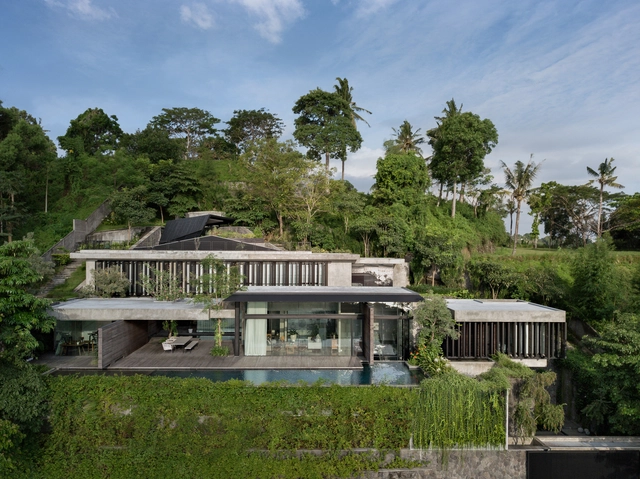
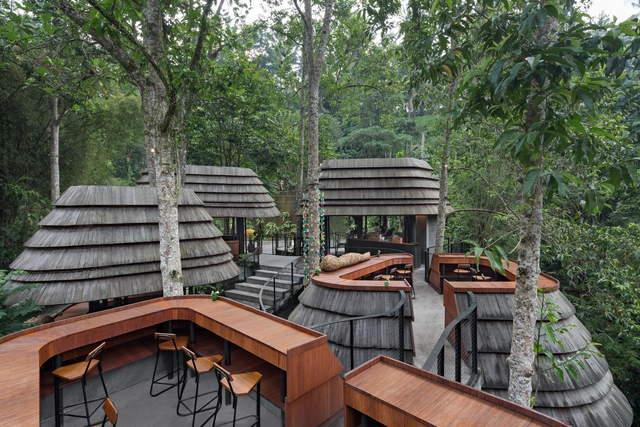
Whether it is for a break, relaxation, or even free wifi, coffee shops tend to host a series of situations that involve more than just enjoying a cup of coffee. A quiet and pleasant place, which in addition to everything else offers a good hot drink, is a great attraction for those looking for a coffee shop to spend a few hours.
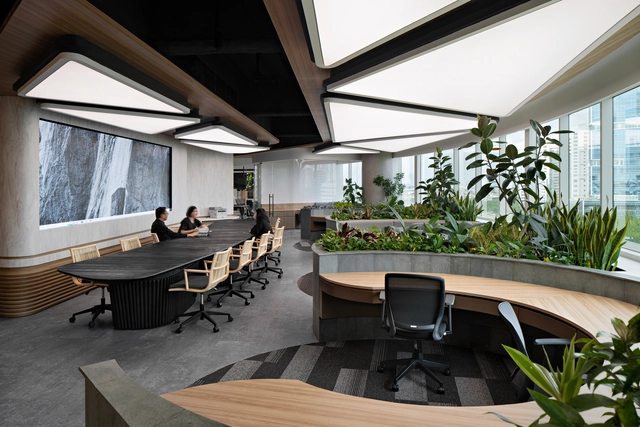
In this sense, a landscape project that integrates greenery into these environments can significantly increase the comfort of customers, by easing temperatures and offering a barrier against atmospheric, noise and visual pollution. In addition, after the restrictions imposed by the Covid-19 pandemic, open spaces, with natural ventilation and gardens became priorities for many projects, including coffee shops.
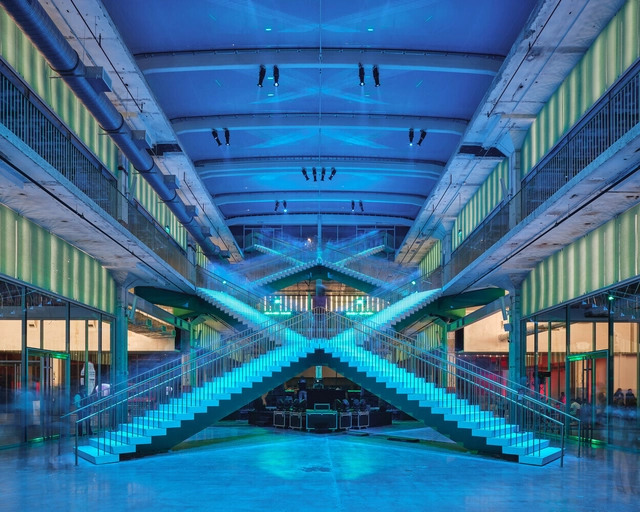
Now in its eighth edition, the Prix Versailles awards are presented to honor the best achievements in the field of architecture and design worldwide, promoting architectural production as a vector of intelligent sustainable development and considering ecological, social, and cultural impacts.
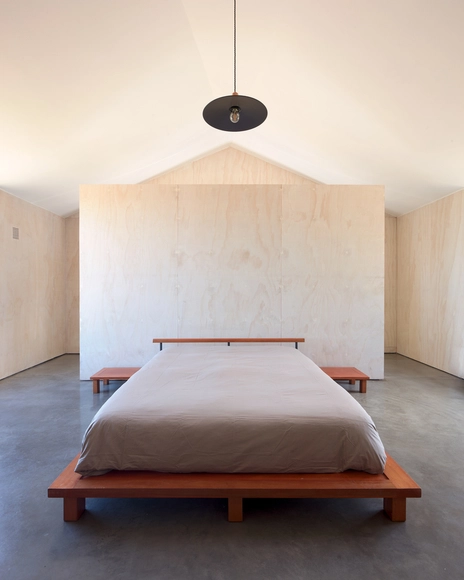
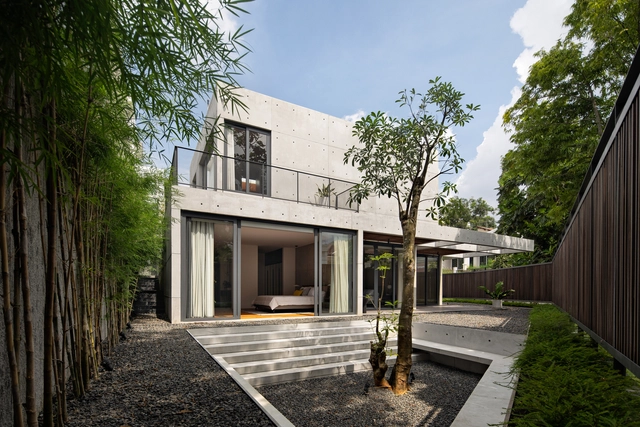
Unlike classical architecture, characterized by a series of rooms with very defined functions and spaces, the current architectural design seeks to integrate spaces to achieve high degrees of adaptability and flexibility. In this way, the boundaries of the enclosures are blurred and new solutions appear that are worth analyzing. In the case of bedrooms, bathrooms are often no longer a small and secluded adjoining room – instead, they are now integrated to form a multifunctional space that is subtly concealed. Just like Mies van der Rohe, who used to group services in strategic areas to create open floors, let's review some cases that have adopted the specific solution of the hidden bathroom just behind the bed.
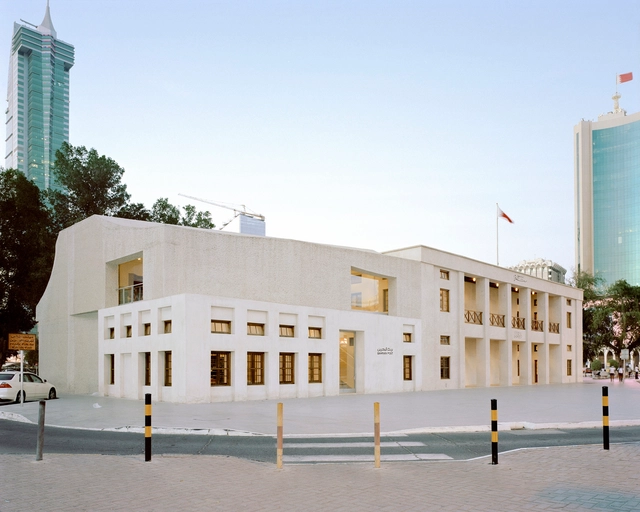
The Aga Khan Award for Architecture (AKAA) has announced its 20 shortlisted projects for the 2022 award cycle. Competing for the US$ 1 million prize, one of the largest rewards in architecture, the 20 architectural developments located in 16 different countries, were selected by a Master Jury from a pool of 463 projects nominated for the 15th Award Cycle (2020-2022). The jury, among which are Anne Lacaton, Francis Kéré, Nader Tehrani, and Amale Andraos, will meet again this summer to examine the on-site reviews and determine the final recipients of the Award.
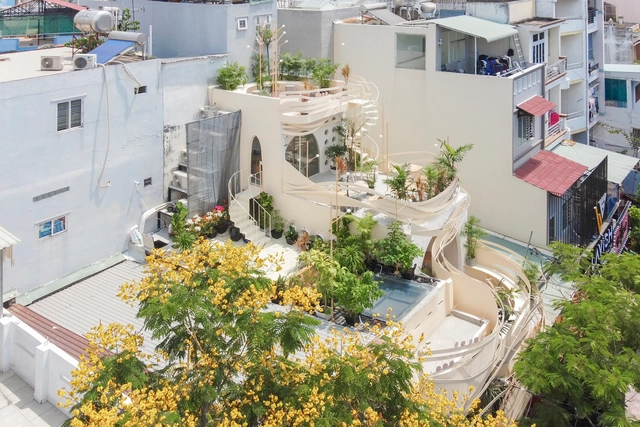
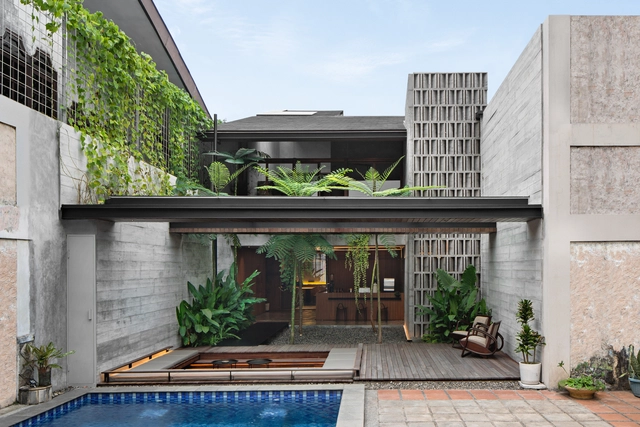
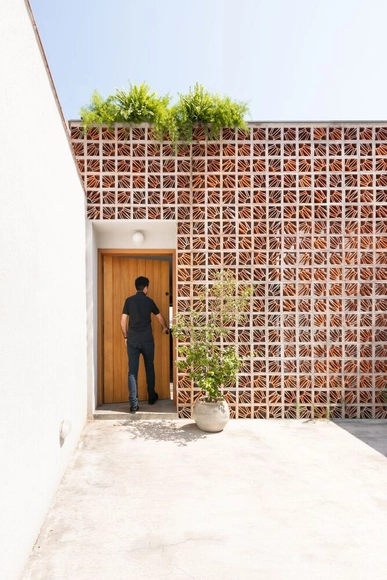
Visual permeability, ventilation and a strong identity appeal, the hollow elements have increasingly found their place in contemporary architecture. Whether in large buildings or small residences, they appear in different shapes, materials and compositions, helping to determine the degree of interaction between interior and exterior space. This artifice in a residential construction is an important tool to ensure privacy and intimacy, without losing the possibility of connections to the outside and natural ventilation.