


-
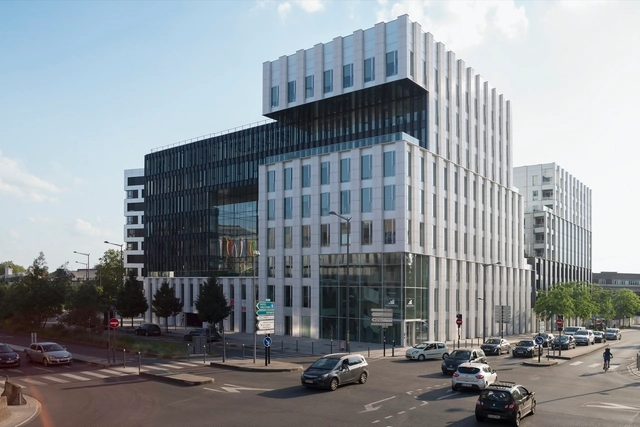
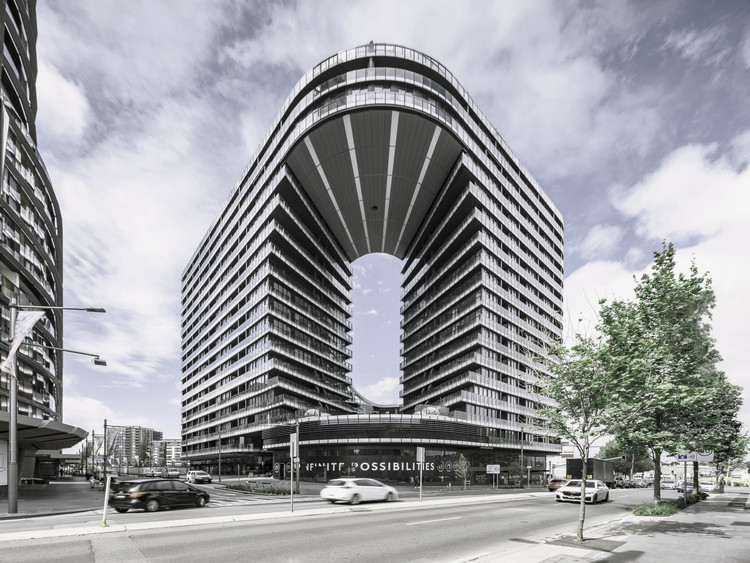
Architects: TANK Architectes
- Area: 7553 m²
- Year: 2021

While research seems intrinsic to the design process, architectural research is a professional path in itself, whose purpose is to highlight scientific evidence and explore alternatives outside of pre-established norms or empirical considerations. Its purpose is to create a framework of knowledge that can inform the design to reach objectively better outcomes. The following discusses the role and state of research in architecture, some prominent areas of inquiry, and the architects or institutions that dedicate their work to these subjects.

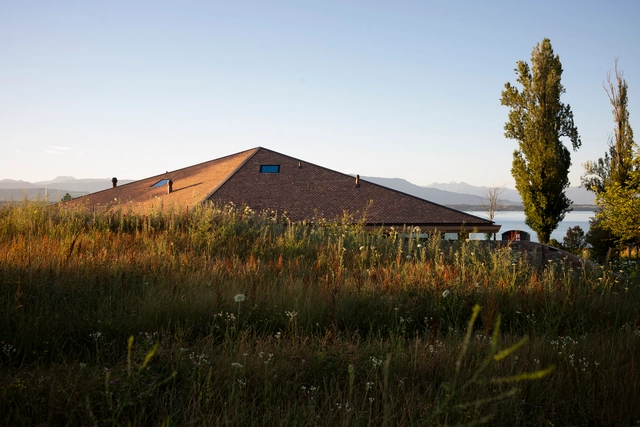
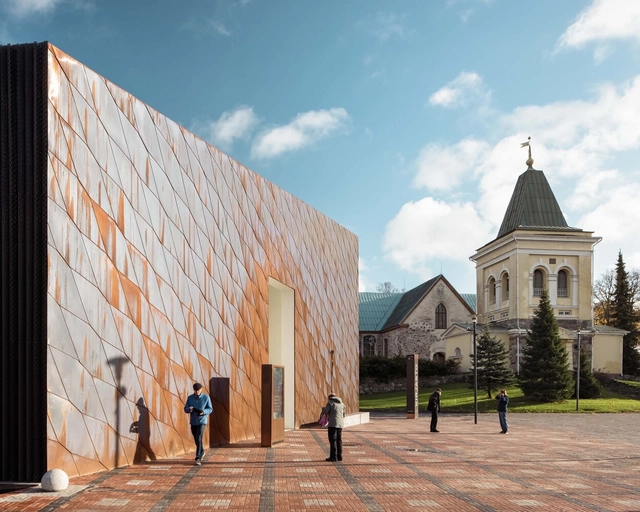
It is believed that copper was the first metal to be found by men and used in the manufacture of tools and weapons. This occurred in the last period of prehistory, more than 10,000 years ago, in the so-called Metal Age, when groups, until then nomadic, started to become sedentary, developing agriculture and starting the first urban settlements. Copper has since been used in diverse ways. Used for decorative objects, jewelry, automotive parts, electrical systems, and even for dental amalgams, the material has had huge demand. In architecture, copper coatings are greatly appreciated for their aesthetics and durability. But a factor worth mentioning is that copper can be recycled infinitely, practically without losing its properties.

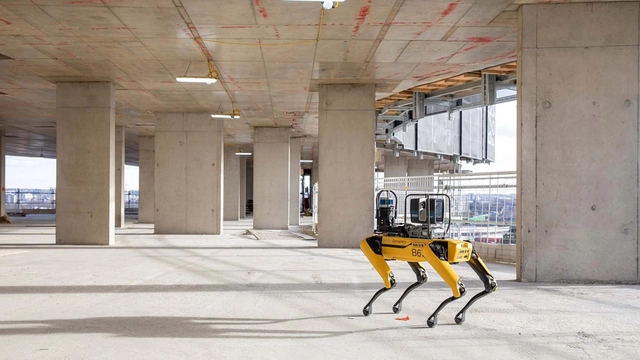
For several years, the construction sector has been facing a labour shortage, generating a growing interest in automation. The health crisis has only exacerbated the trend, prompting automation companies to turn their focus from car manufacturing to the construction industry, for which automation is expected to grow up to 30% within the next few years. The following explores present capabilities and future possibilities of automation within the construction process, its integration within the mainstream practice and the impact on design.
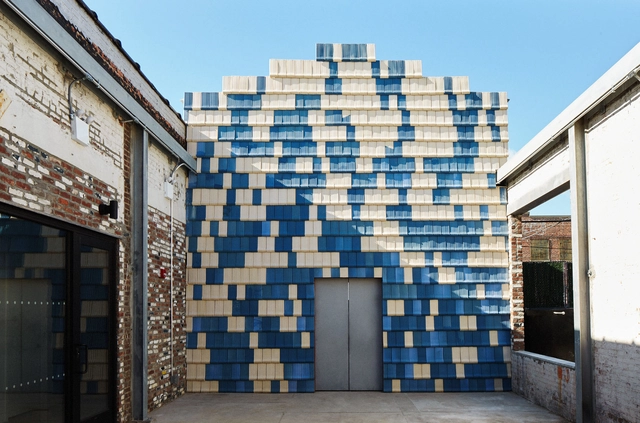
A project of relevant scale is rarely a single Man’s work. From the village barn raising events done in the 18th and 19th century to the standard taskforce that a project developer engages nowadays, a build structure requires many hands on-board, bringing forth different inputs and expertise to shape and execute it.
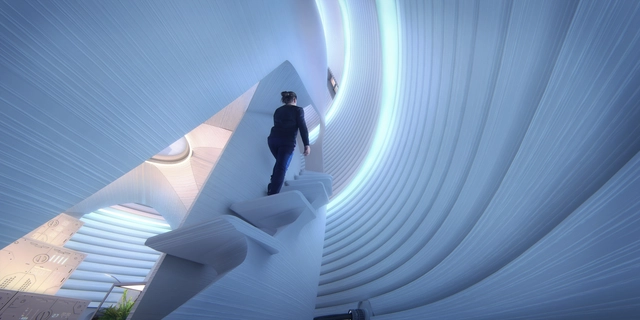
In Her, a 2013 film directed by Spike Jonze, a lonely writer develops a love affair with the virtual assistant of an operating system. Brave New World, a book written in 1932 by the English author Aldous Huxley, fabricates a dystopian society whose cult of efficiency and rationality creates a humanity that ignores hardship and pain but also represses love and freedom. In Mary Shelley's 1818 book Frankenstein, considered the first science fiction novel, a life is artificially created, producing a monster with human characteristics: wills, wishes, and fears. Whether describing the fear of artificial intelligence, the uncertainty produced by industrialization, or the limits of science, science fiction works reveal less about the future and much more about the moment in which they were created; they speak of the fears and hopes of their own time.
When we explore urban visions of the past anticipating the future, it is common to find exaggerated and even funny predictions. As for the promises of architecture and, consequently, of our cities, it is not an easy task to predict future developments clearly either. By looking at industry trends and using all of our imaginations, could we tell what cities will be like in tens or hundreds of years? Their materials, their appearance, their way of building and thinking? Will it be a more pristine and minimalist future or a more organic and complex future? How will new technologies and building materials affect the shape, aesthetics, and prosperity of the cities of tomorrow?
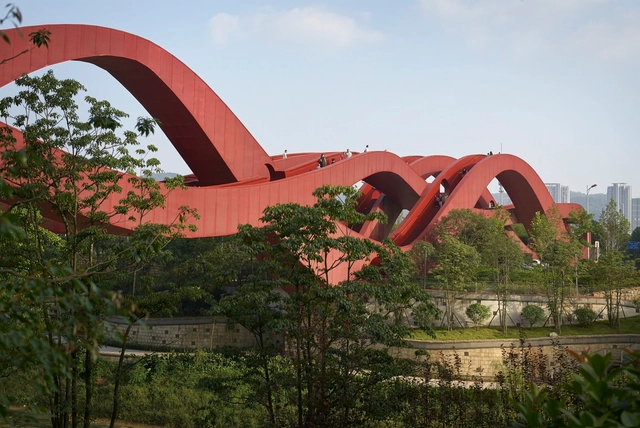
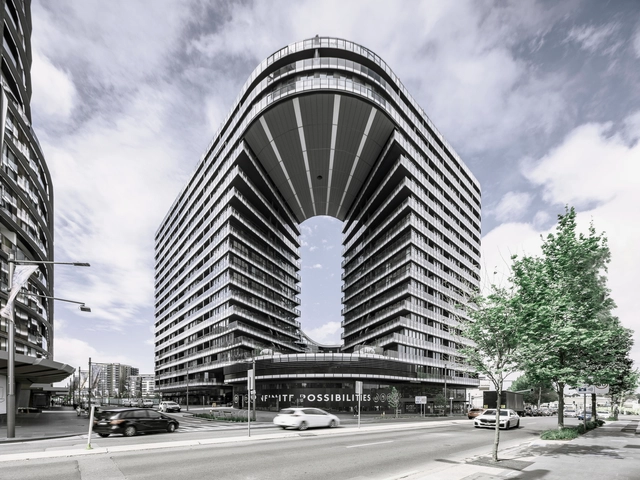
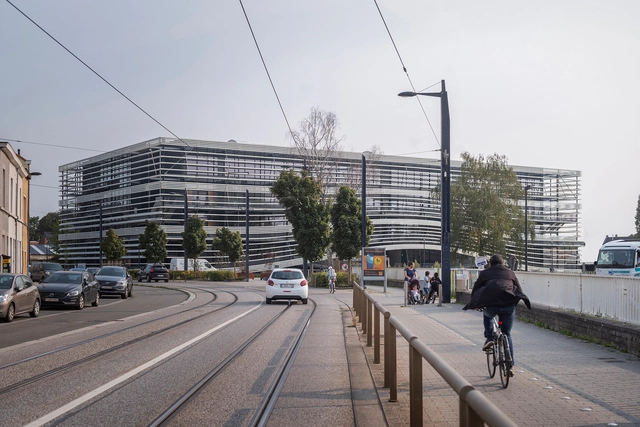
In a recent interview by Louisiana Channel, German architect Anna Heringer talks about the recently inaugurated Anandaloy centre in Bangladesh, a social space which became a catalyst for local development. The architect shares her commitment to sustainability and touches on the importance of the transfer of know-how to local communities through participatory building processes.
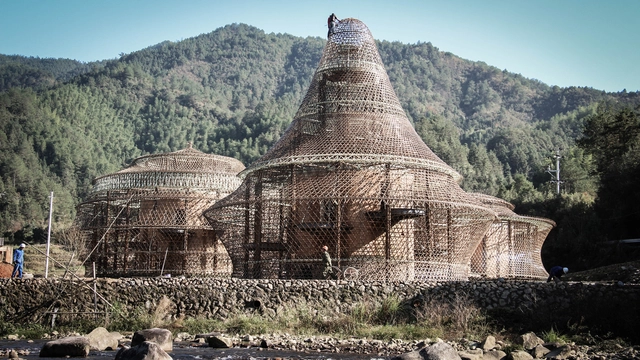
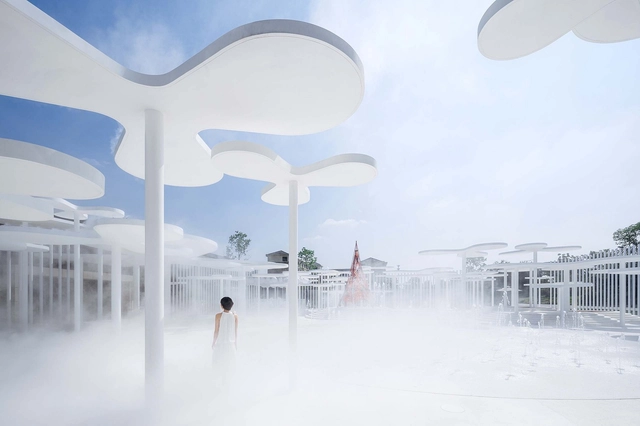
The incorporation of the human figure is one of the most effective tools used in architectural photography: it helps the viewer decipher the scale of work and assess its amplitude. While it successfully communicates a rough idea of the measurements of the elements in the picture, it also helps architecture become more relatable and accessible. People engage better with the built environment when it is populated, mainly because the human sense of society and community is the cornerstone of our civilization. With this in mind, we are showcasing a selection of our favorite photographs where the human figure takes center stage, enhancing our reading of architecture.
![Haduwa Stage / [applied] Foreign Affairs, Institute of Architecture, University of Applied Arts Vienna - Exterior Photography, Public Architecture](https://snoopy.archdaily.com/images/archdaily/media/images/5f90/2f95/63c0/17c6/6500/0258/slideshow/Com_Ghana_Apam_Haduwa_20160205-14378.jpg?1603284875&format=webp&width=640&height=580)








.jpg?1604419667&format=webp&width=230&height=230&crop=true)


![Haduwa Stage / [applied] Foreign Affairs, Institute of Architecture, University of Applied Arts Vienna - More Images](https://images.adsttc.com/media/images/5f90/2f95/63c0/17c6/6500/0258/newsletter/Com_Ghana_Apam_Haduwa_20160205-14378.jpg?1603284875)