

-
Architects: DeRoché Strohmayer
- Year: 2023
-
Professionals: ALConstructs, SDPS, MeCraft
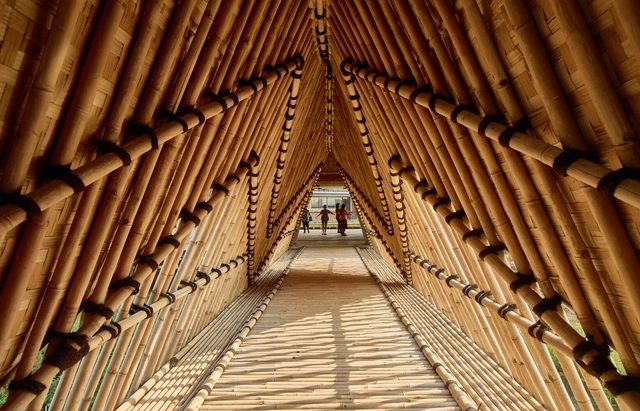
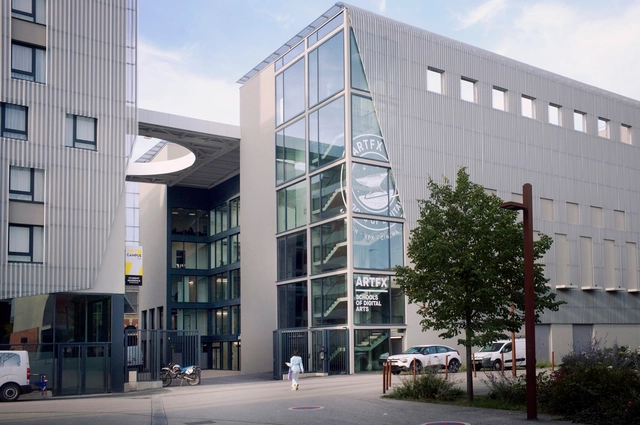
For architects, schools are often complex structures to design. They must provide a variety of spaces for education, and also consider sports and recreational activities. But beyond its size or surface, the greatest challenge is to design an area that fosters a positive pedagogical environment for children. Below, a selection of +70 school projects with their drawings to inspire your proposals for learning campuses.
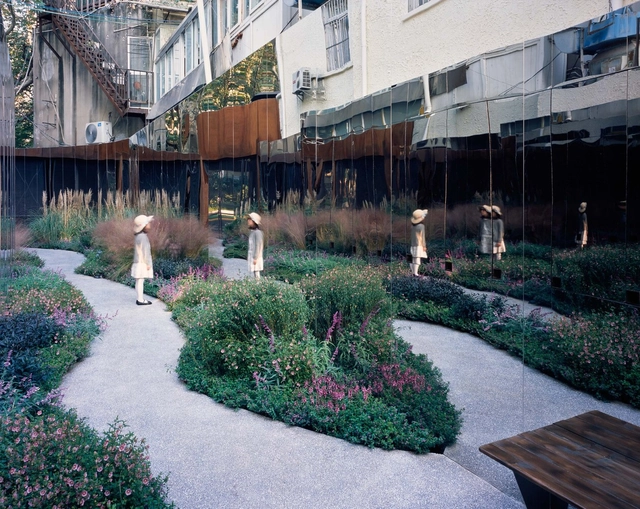
Environmental neuroscience is an emerging field devoted to studying the impact of social and physical environments on brain processes and behaviour. From the various opportunities for social interaction to noise levels and access to green spaces, the characteristics of the urban environment have important implications for neural mechanisms and brain functioning, thus influencing our physical state. The field paints a different image of how cities impact our health and well-being, thus providing a new, scientific layer of understanding that could help architects, urban planners, and decision-makers create more equitable urban environments.


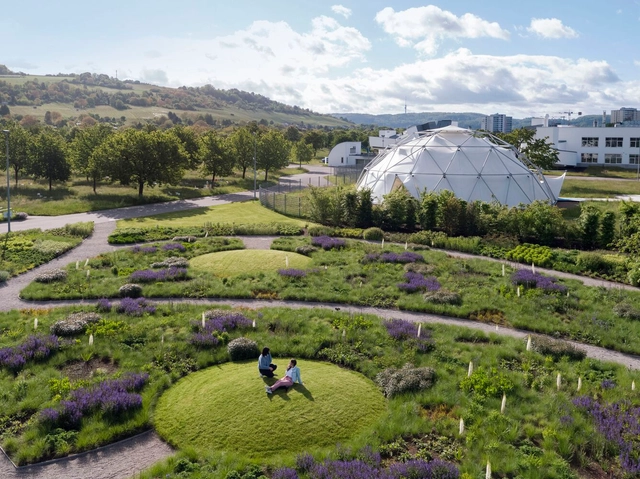
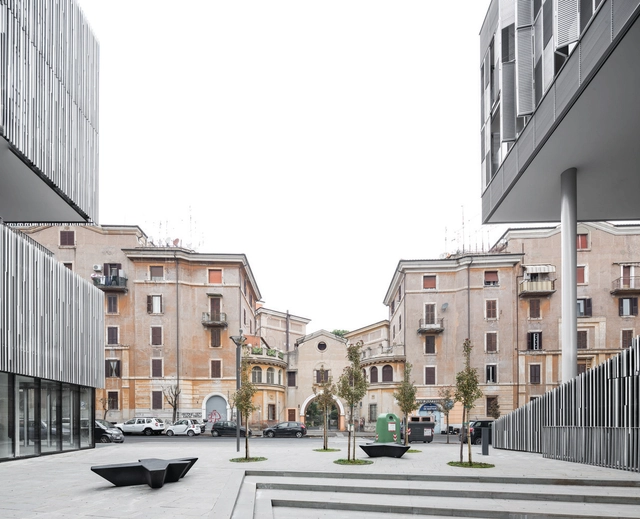
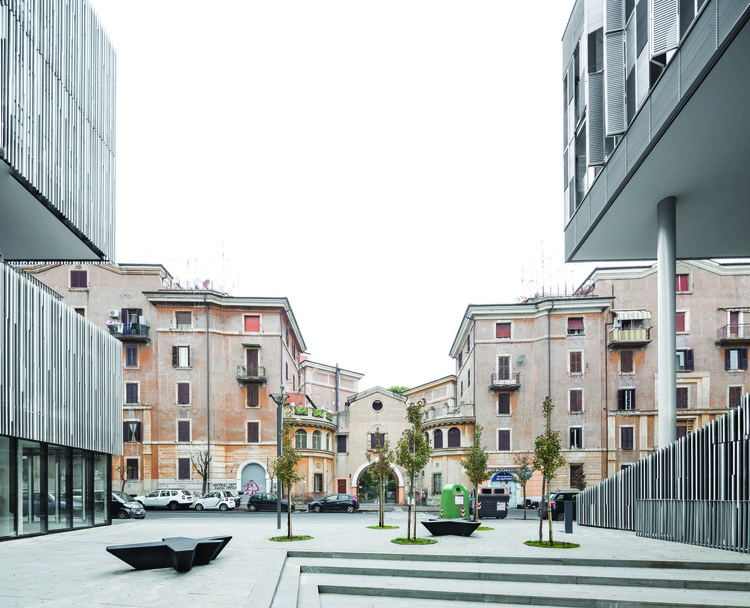
Spanning over 3 millennia with one of the highest concentrations of architecture in the world, Rome is a transcendental influence on the world's culture. Often called “The Eternal City,” it developed as the capital and seat of power of the Roman Empire, regarded by many as the first Imperial city and among the first ancient metropolises. As a city continuously occupied for over 28 centuries, Rome has maintained its countless layers of history to become a perfect depiction of old meets new. Rich in history, academia, and art, the Italian capital is now one of the most visited cities in the world.
Rome's historic center, which stretches from Piazza del Popolo to Piazza Venezia and from the east bank of the Tiber up to Piazza di Spagna, is listed as a UNESCO World Heritage Site. Along with its historical significance, the presence of renowned contemporary architects and designers in the city has made Rome an influential design destination. In 2019, it was the 14th most visited city in the world, welcoming over 8.6 million tourists seeking to discover the ways in which the history of the Ancient Romans blends with contemporary life, making it the third most visited city in Europe and the most popular tourist destination in Italy.
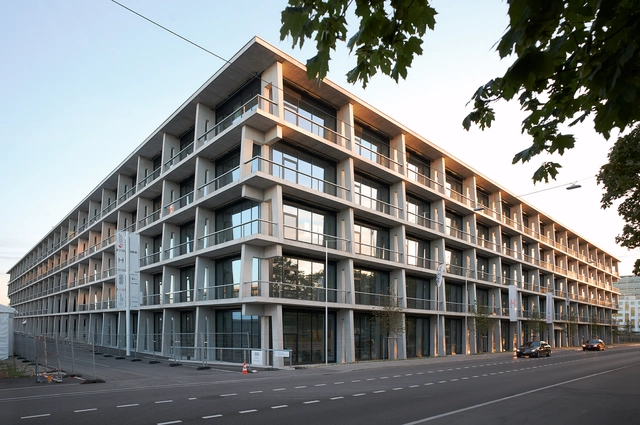
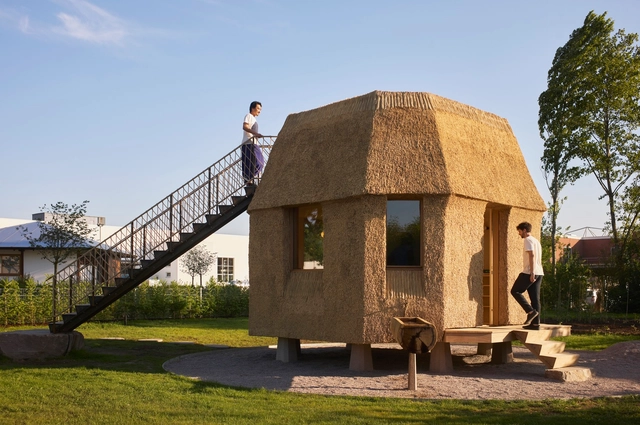

The key to successfully designing or recovering public spaces is to achieve a series of ingredients that enhance their use as meeting places. Regardless of their scale, some important tips are designing for people's needs, the human scale, a mix of uses, multifunctionality and flexibility, comfort and safety, and integration to the urban fabric.
To give you some ideas on how to design urban furniture, bus stops, lookouts, bridges, playgrounds, squares, sports spaces, small parks, and urban parks, check out these 100 notable public spaces.
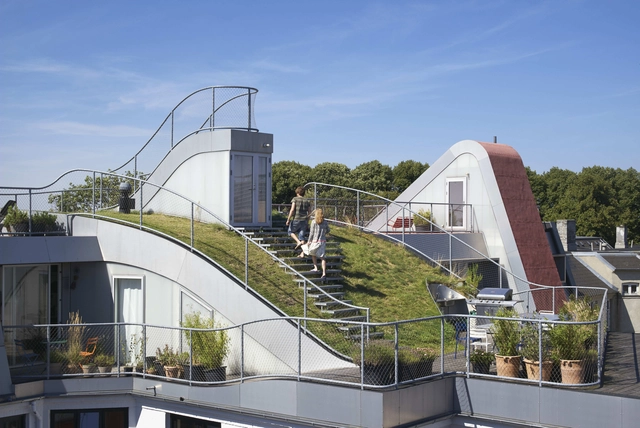
As one of the major signature events taking place in connection with Copenhagen as the UNESCO World Capital of Architecture in 2023, Open House Copenhagen has revealed more than 50 sites included in its program. The event represents an invitation for visitors to take a look inside iconic buildings that are typically only visible from the outside. Included in the list are examples of floating architecture on Refshaleøen, one of Arne Jacobsen’s masterpieces, along wth unusual spaces such as the interior of a power plant or an underwater passage tunnel. Open House Copenhagen takes place on the weekend of March 25–26 2023. The event is open for everyone and is free of charge, but registration is required.

Humane cities center around the relationships between people and places. Communities thrive on shared resources, public spaces, and a collective vision for their locality. To nurture happy and healthy cities, designers and the public apply methods of placemaking to the urban setting. Placemaking—the creation of meaningful places—strongly relies on community-based participation to effectively produce magnetic public spaces.
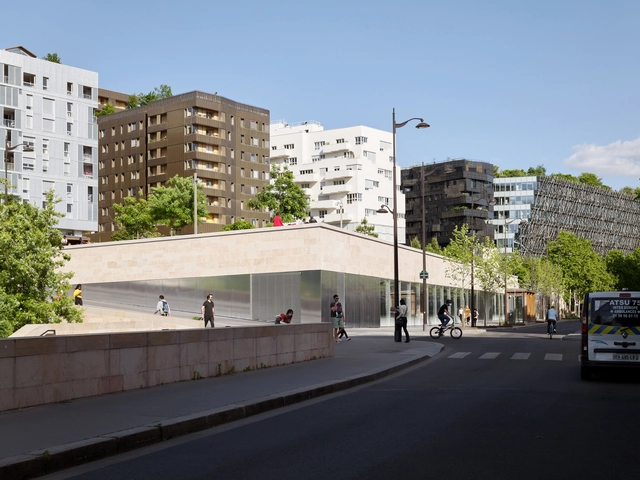
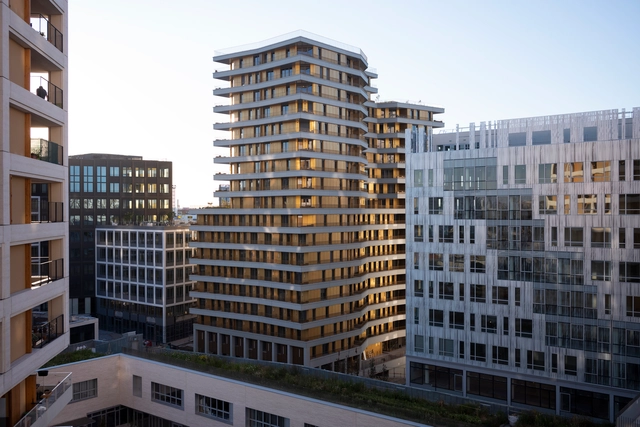
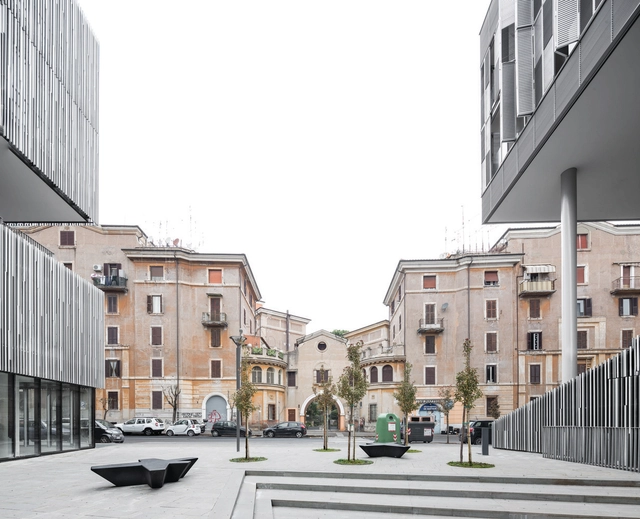
Spanning over 3 millennia with one of the highest concentrations of architecture in the world, Rome is a transcendental influence on the world's culture. A city rich in history, academia, and arts, the Italian capital is considered as one of the oldest continuously-occupied cities in Europe, and has maintained its countless layers of history to become a perfect depiction of old meets new, earning its nickname of "The Eternal City".
Rome's historic center, which stretches from Piazza del Popolo to Piazza Venezia and from the the east bank of the Tiber up to Piazza di Spagna, is listed as a UNESCO World Heritage Site. Along with its historical significance, the presence of renowned contemporary architects and designers in the city has made Rome an influential design destination. In 2019, it was the 14th most visited city in the world, welcoming over 8.6 million tourists to make it the third most visited in the European Union, and the most popular tourist destination in Italy.