

-
Architects: Squire and Partners
- Area: 2344 m²
- Year: 2018
-
Manufacturers: Diespeker & Co, Ibstock, Schüco, VMZINC, Vola

We were hoping for it to happen in the early 2000s. We saw it coming with the opening of the exhibition “Postmodernism: Style and Subversion, 1970 – 1990” at the V&A in London in 2011. But now, after recent discussions on the umpteenth supposed “postmodern revival,” it is finally sure: the word “postmodernism” is back and it’s here to stay. But as clear as it is that the word “postmodernism” is once again fashionable, it is not really clear what we mean when using it. Indeed, this word has been used to imply every possible meaning: architects have used it to describe fashionable and “cute” designs, some critics have used it to categorize everything that is colorful, while some theorists have been using it to affirm that, because of this concept, architecture has surrendered to technology or form, becoming nothing more than a caricature of its own presupposed moral values.
Whether we agree with such commentaries or not, there is one thing that we still need to discuss: what does “postmodern” mean? And, even more urgently: what could it mean today? After all, if we have to deal once again with one of the most misinterpreted and contradictory words ever introduced in our field, we should at least discuss what it means, before using it.
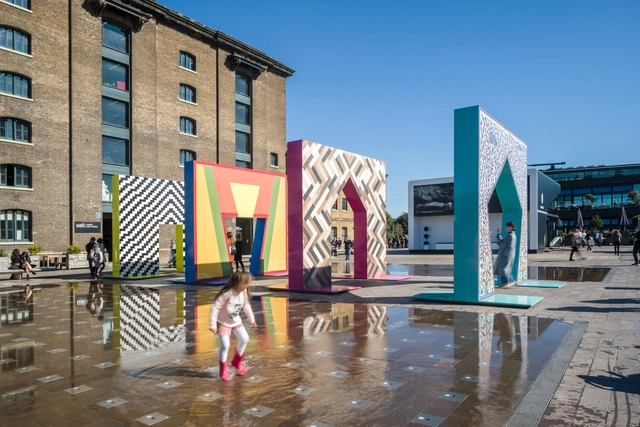
You’re going to wish you saw this Instagram worthy art installation. Gateways (@Landofceramics) at the central fountain in Granary Square, King’s Cross closed this week. It was designed to celebrate the DesignJunction event (September 21-24) an interior design show by and for the industry, set in challenging industrial sites as part of the greater London Design Festival.
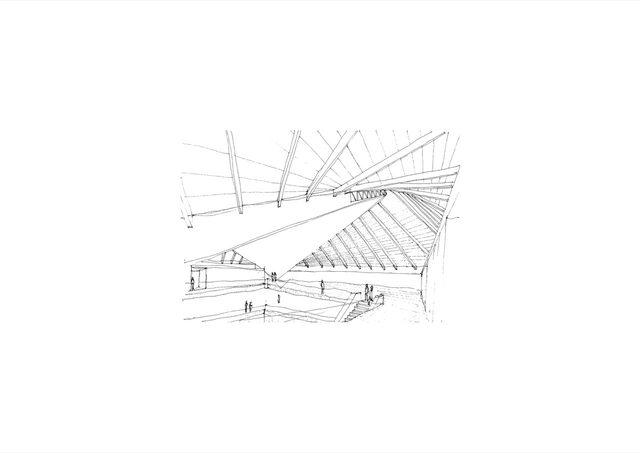
This month London's Design Museum will officially open its new home on Kensington High Street. The project, which has been redeveloped and designed in collaboration with Rotterdam-based practice OMA and London-based studio Allies & Morrison, has seen a Grade II* Listed Modernist monument sensitively restored into contemporary galleries. For John Pawson—who has been commissioned to create "a series of calm, atmospheric spaces" ordered around a large, oak-lined atrium—this scheme marks his first major public work.
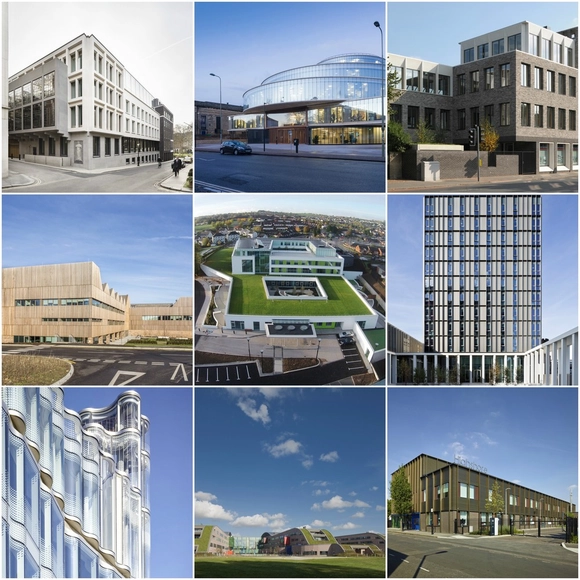
The Royal Institute of British Architects (RIBA) has announced the winners of the 2016 RIBA National Awards. The shortlist for the RIBA Stirling Prize for the UK’s best building of the year will be drawn from these 46 award-winning buildings.
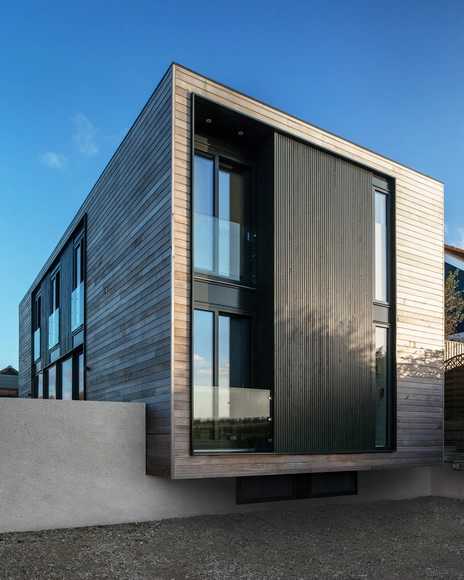
The Royal Institute of British Architects (RIBA) has announced 17 winners for its RIBA South Awards, which recognize architectural excellence. These 17 regional award winners were drawn from a shortlist of 30 projects. Over the next few months, they will be considered for the RIBA National Awards, and then for the RIBA Stirling Prize.
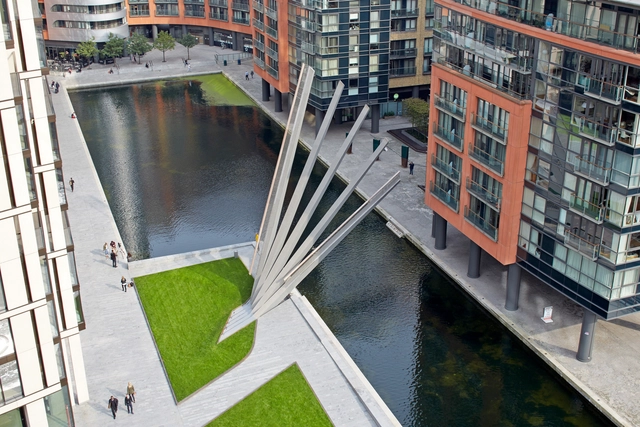
From a shortlist of 68 buildings, 36 London projects have been awarded the 2016 RIBA London Awards for architectural excellence, the city's most prestigious design honor. The winners include a home for ravens, a Japanese-inspired London terrace home and a historical restoration. All of these designs will be further considered for the RIBA National Awards, to be announced in July. The winners of the national award will then create a shortlist for the RIBA Stirling Prize – the highest award for architecture in the UK.
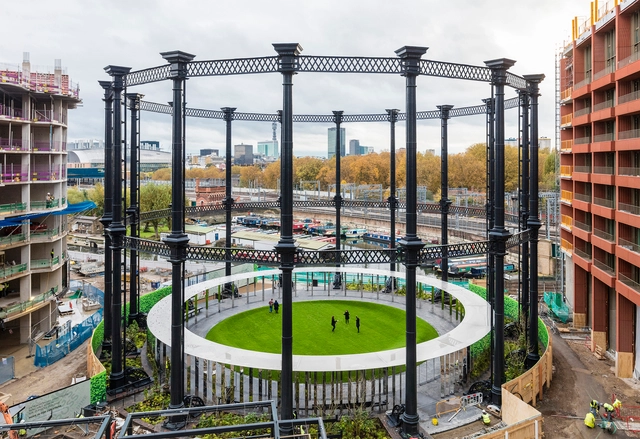
A total of 68 buildings have been shortlisted for the 2016 RIBA London Awards, including projects from John McAslan + Partners, dRMM Architects, Níall McLaughlin Architects, Eric Parry Architects and Rogers Stirk Harbour. All shortlisted buildings will now be visited and carefully assessed by one of four regional juries, and regional winners will be considered for a RIBA National Award. The shortlist for the RIBA Stirling Prize - given to the UK's best building of this year - will be composed of the winners of the RIBA National Award.
See a complete list of shortlisted buildings after the break.

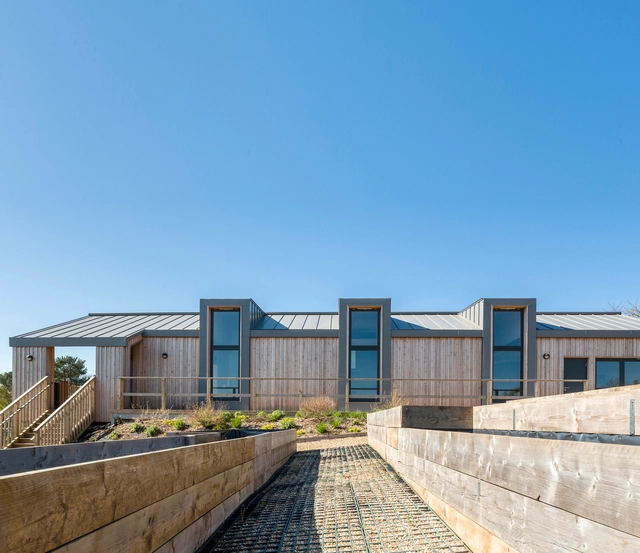
Tim_Crocker.jpg?1429192296&format=webp&width=640&height=580)
A total of sixteen projects have been shortlisted for RIBA East 2015 Awards, featuring buildings by Hawkins\Brown, Proctor & Matthews, Allies & Morrison, and AHMM. All shortlisted buildings will now be assessed by a regional jury. Regional winners will then be considered for a RIBA National Award in recognition of their architectural excellence, the results of which will place some projects in the running for the 2015 RIBA Stirling Prize.
See the complete list of shortlisted projects after the break.