How to visualize architectural concepts in SketchUp using D5 Lite for faster design exploration.
How to visualize architectural concepts in SketchUp using D5 Lite for faster design exploration.

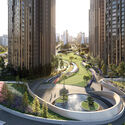
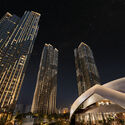
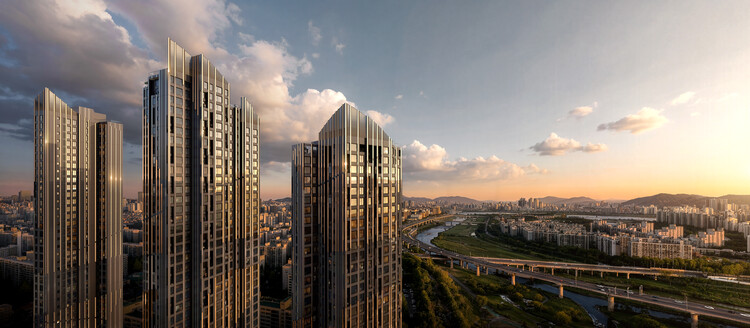
Studio Libeskind, in collaboration with HJ Design Partners and Seoul-based SAMOO Architects & Engineers, has designed a new high-density residential development in Seoul, South Korea. The Daechi Ssangyong 1 Redevelopment Project replaces an existing five-building, 630-unit complex in Daechi-dong, Gangnam-gu, with six new residential towers up to 49 storeys tall and nearly 1,000 housing units. The project is being developed for the Daechi Ssangyong 1 Redevelopment Union by Samsung C&T, with construction expected to begin in 2027 and be completed in 2030.
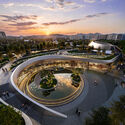

As cities around the world brace for extreme temperatures and waves of unrelenting heat, urban greening is one of the best solutions for leaders to combat this reality. The benefits of planting trees for physical health, mental well-being, and thermal relief are well documented, and a mature canopy can transform a space by several degrees on a hot day. Trees cool the air through evapotranspiration, filter pollutants and absorb stormwater, and enhance biodiversity in urban spaces.


A profound generational evolution is rewriting the rules of the contemporary landscape, bringing an end to the era where architects and designers merely mimicked the tenets of Western modernism. Recorded live at Milan Design Week 2026 in cooperation with INDX|GLOBAL, the seventh episode of the Room for Dreams podcast leads an insightful session on how a new generation of Indian practitioners is stepping onto the global stage with a confident, self-aware perspective.




Barcelona has just become the first city in the history of the UIA World Congress of Architects to host the event twice. Thirty years separate the two editions, and the distance between them says as much about architecture's changing self-understanding as anything spoken from a stage. In 1996, the congress placed the city at the center of the debate, consolidating a post-Olympic urban model that would go on to be studied and contested for decades.
In 2026, under the theme "Becoming. Architectures for a Planet in Transition," Barcelona hosted a very different conversation. The congress's curatorial team — Pau Bajet, Mariona Benedito, Maria Giramé, Tomeu Ramis, Pau Sarquella, and Carmen Torres — organized the program around six thematic lines: Becoming More-than-human, Becoming Circular, Becoming Embodied, Becoming Interdependent, Becoming Hyper-Conscious, and Becoming Attuned. As they told ArchDaily ahead of the opening, the premise behind this structure was that most architectural decisions are, in practice, very specific — which material is used, what is demolished or preserved, how much water or energy a building consumes — yet those specific decisions carry planetary implications.


M3 Monaco's Smart & Sustainable Marina Rendezvous competition returns for its sixth edition with an open-architecture Call for Ideas centered on Marina Opatija, on Croatia's Kvarner Bay. This article sets out what the competition asks of designers: a focused, high-impact intervention built around three required buildings, the pillars and sustainability criteria behind the brief, the key dates leading to the August 2026 deadline, and how to enter, free of charge, for professionals and students alike, with the top finalists pitching their work at the Yacht Club de Monaco.

The World Architecture Festival (WAF) has announced the shortlist for its 2026 Awards, recognizing completed buildings, future projects, interiors, and landscape works from around the world. The finalists, selected from hundreds of submissions, will compete at this year's festival, taking place at the Broward County Convention Center in Fort Lauderdale, Florida, from November 18–20, 2026. During the first two days of the event, shortlisted teams will present their projects live to international judging panels, with category winners advancing to the festival's Super Jury for the final awards.


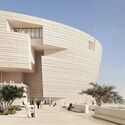
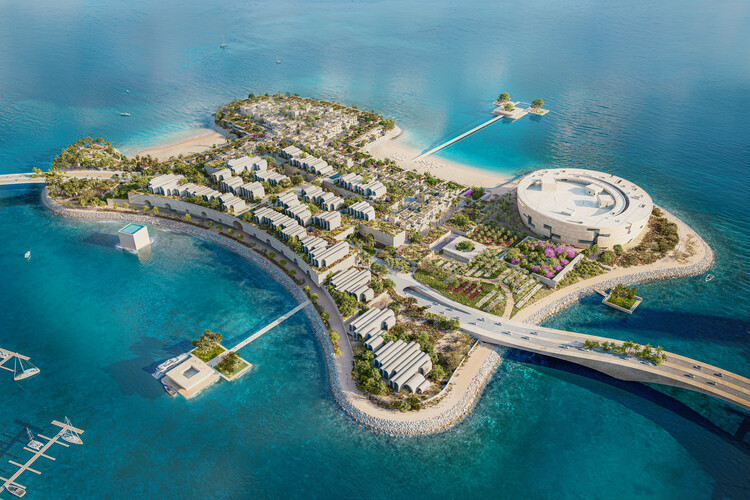
Al Maha Island is a 230,000 m² human-made island located off the coast of Lusail, Qatar. Built as an entertainment and leisure destination north of Doha, it opened in 2022, just ahead of the FIFA World Cup. In 2024, Qatar Museums released renderings of the future Lusail Museum, designed by Swiss architecture office Herzog & de Meuron and located on the southern tip of the island. Most recently, the firm revealed updated images of the island masterplan and the museum's exterior design. The new Lusail Museum will house a collection of Orientalist art, exploring the movement of people and ideas across the globe, past and present, and will offer opportunities for study and debate on contemporary global issues. It is expected to become the cultural anchor of Lusail City, in a building conceived by Jacques Herzog as "a vertically layered souk, or miniature city contained within a single building."

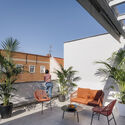
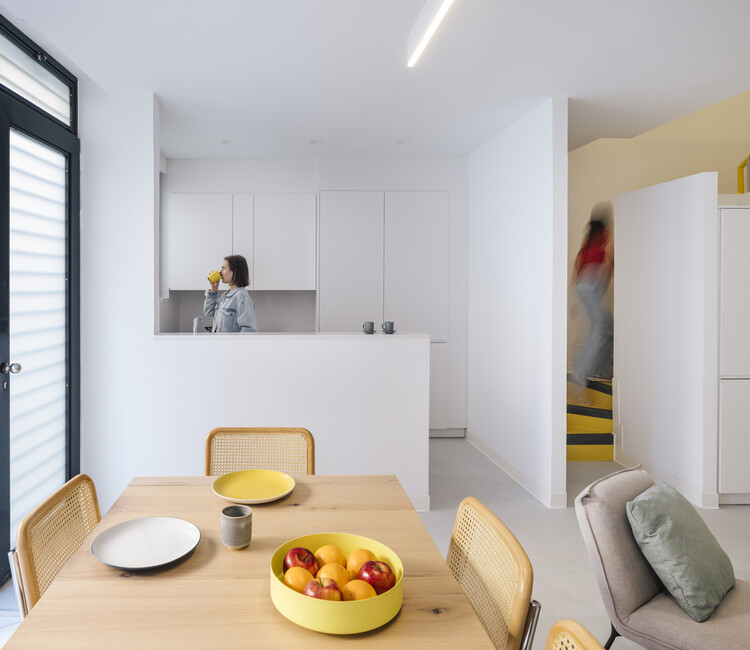
As co-living becomes increasingly associated with students, young professionals, and other mobile residents, it raises a broader architectural question: if home is no longer tied to long-term residence, what should architecture expect the private dwelling to provide?
People move for school, for a temporary job, or for a career that keeps taking them somewhere new. Many now expect to spend a defined period in a place before leaving it. Housing built for them has to do more than provide shelter. It has to support the routines through which someone adapts to an unfamiliar place, in the short time they know they have there. A year in a city asks something different of an apartment than a lifetime does, even if the square meters look the same on paper.