
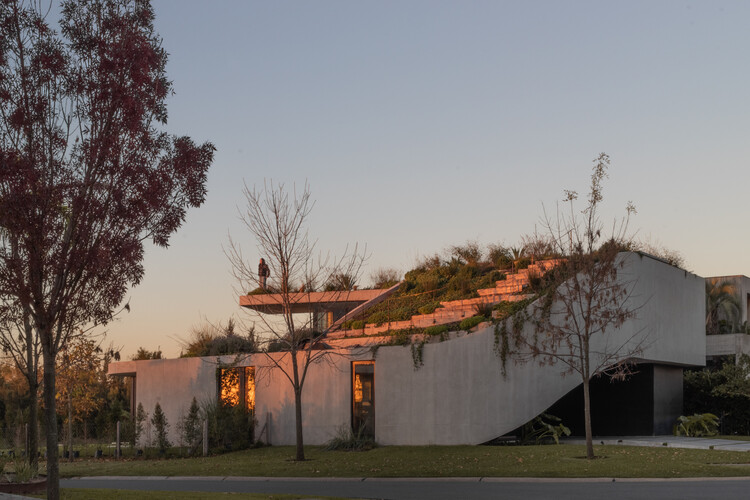
Viktoria House / Architekt Andreas Gruber

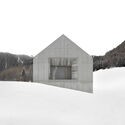
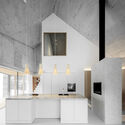
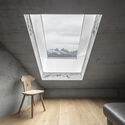
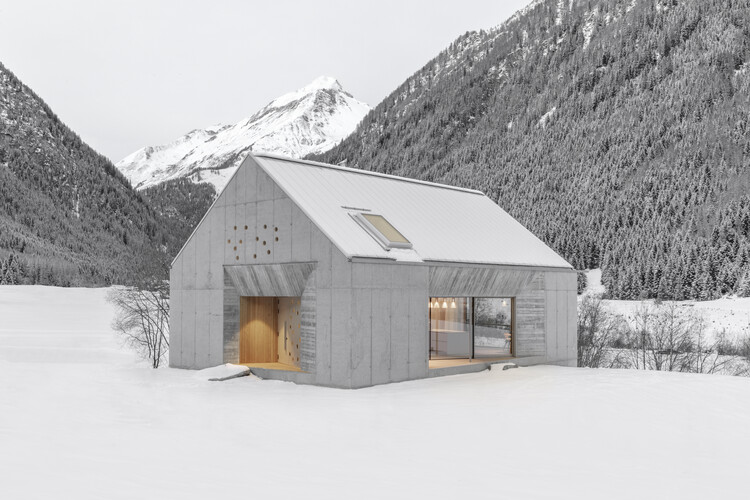
https://www.archdaily.com/1054053/viktoria-house-architekt-andreas-gruberCristina Popescu
Restaurant Huset Svalbard / Snøhetta


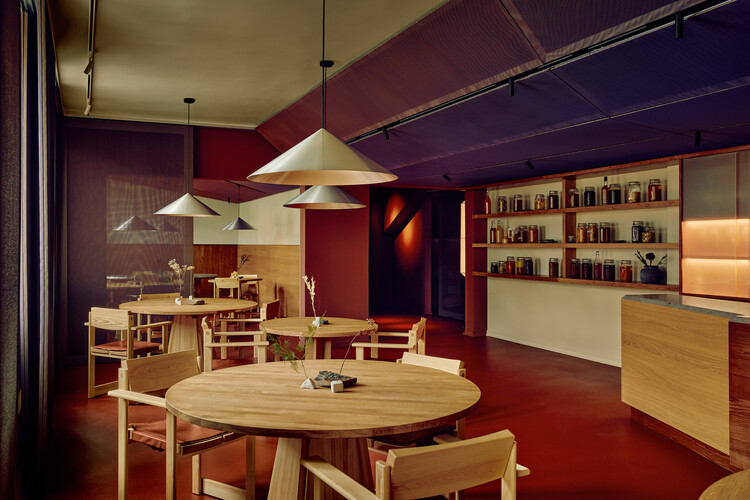
https://www.archdaily.com/1054035/restaurant-huset-svalbard-snohettaPilar Caballero
Virtual Environments Are Changing the Way We Experience Architecture
| In Collaboration

There is a big difference between looking at an image of a building and experiencing the space it represents. The atmosphere of a place, shaped by its light, sounds, materiality, and relationship with the surrounding landscape, has long belonged to the realm of physical experience. Today, real-time rendering technologies are beginning to narrow that gap, allowing projects to be explored and experienced before they are ever built.
Long before a building is constructed, it exists as drawings, physical models, perspectives, photographs, and, more recently, photorealistic renderings. Each new representational tool in history has sought to communicate not only the appearance of a project, but also the experience of inhabiting it.
https://www.archdaily.com/1054064/virtual-environments-are-changing-the-way-we-experience-architectureEduardo Souza
"We Want to Learn Something New": In Conversation With the Curators of UIA World Congress of Architects Barcelona 2026
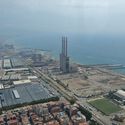
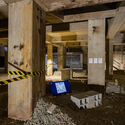
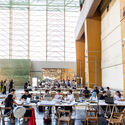
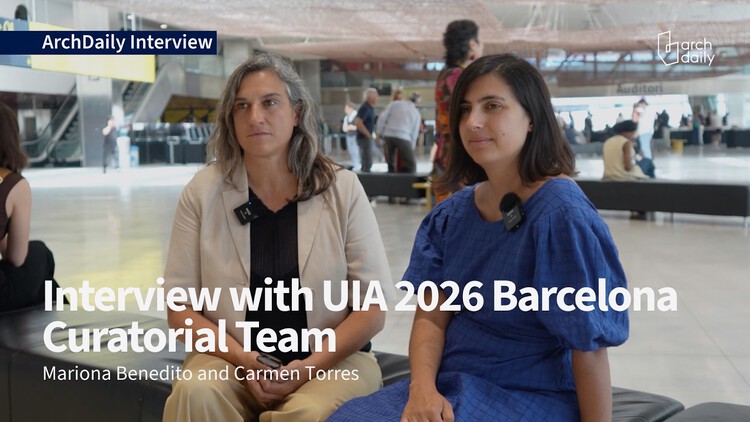
As Barcelona hosts the UIA World Congress of Architects for the second time in its history, thirty years after the 1996 edition, the city becomes a site for reflecting not only on architecture but also on the changing conditions under which it operates. Titled Becoming. Architectures for a Planet in Transition, and developed by the six-member curatorial team of Pau Bajet, Maria Giramé, Mariona Benedito, Tomeu Ramis, Pau Sarquella, and Carmen Torres, the 2026 Congress expands the discussion beyond the city toward planetary questions, addressing architecture through ecological, social, political, and material systems rather than as an isolated discipline. During the opening day of the Congress, ArchDaily spoke with Mariona Benedito and Carmen Torres, two members of the curatorial team, about how this edition revisits Barcelona's architectural legacy, why uncertainty has become central to architectural thinking, and what they hope participants will take away from the event.

https://www.archdaily.com/1148555/we-want-to-learn-something-new-in-conversation-with-the-curators-of-uia-world-congress-of-architects-barcelona-2026Reyyan Dogan
Remise Rosa Complex / Hello Wood

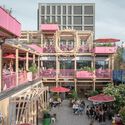

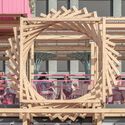
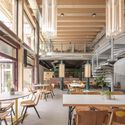
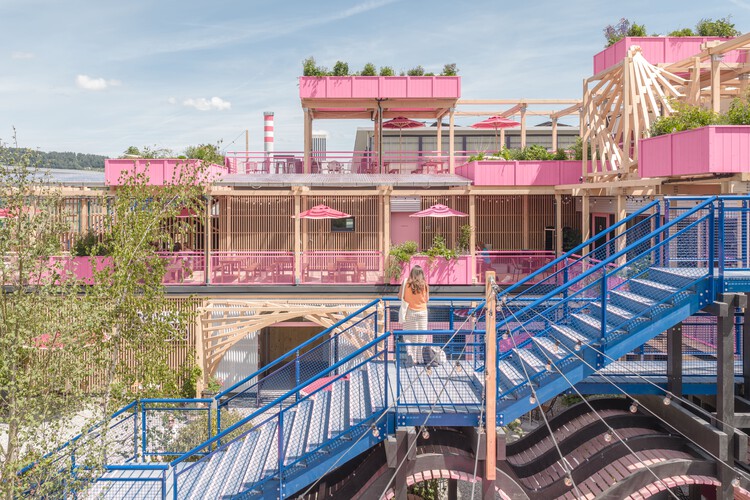
-
Architects: Hello Wood
- Area: 2500 m²
- Year: 2026
https://www.archdaily.com/1092359/remise-rosa-hello-woodCristina Popescu
Teatro Mauri Restoration Preserves a 1951 Modernist Landmark in Valparaíso, Chile

In June 2026, the refurbished Teatro Mauri reopened its doors on Cerro Bellavista in Valparaíso, formerly Chile's main port. The building forms part of Latin America's modernist legacy and stands adjacent to La Sebastiana, one of the renowned residences of the poet Pablo Neruda. It was designed by architect Alfredo Vargas Stoller, author of other icons of modern architecture in Valparaíso, such as the Edificio Cooperativa Vitalicia and the Conjunto de Viviendas Vargas in Viña del Mar. Teatro Mauri opened in 1951 as a venue for performances and cinema. Following a fire in the early 1990s, it fell into disrepair, serving only sporadically as a venue for local parties and events. In 2015, it was purchased by the Sociedad Chilena de Autores e Intérpretes (SCD), which commissioned its restoration from architects Laura Garrido and Gregorio Garretón.
https://www.archdaily.com/1148542/teatro-mauri-restoration-revives-a-1951-modernist-landmark-in-valparaiso-chileAntonia Piñeiro
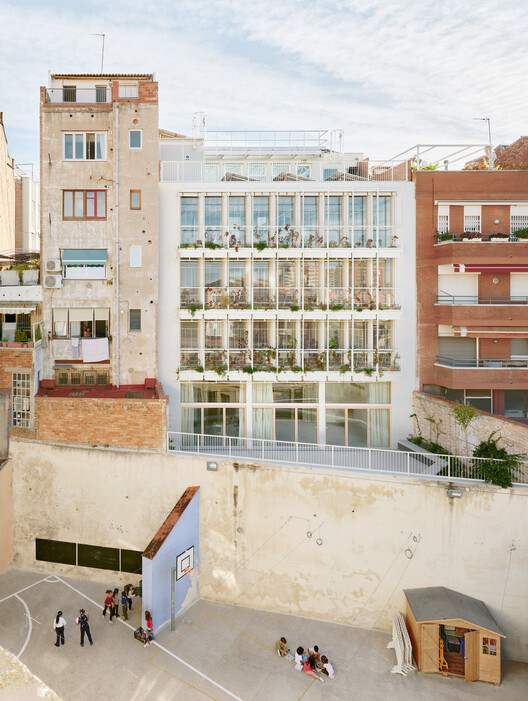
Sants Social Center / LAOS (Xavier Botet + Albert Saboya)

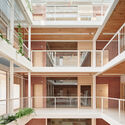
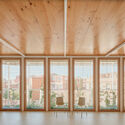
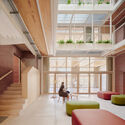
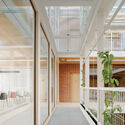
-
Architects: LAOS (Xavier Botet + Albert Saboya)
- Area: 1000 m²
- Year: 2025
https://www.archdaily.com/1043023/sants-social-center-laos-xavier-botet-plus-albert-saboyaCristina Popescu
Antara Residence / Ark Architecture Studio


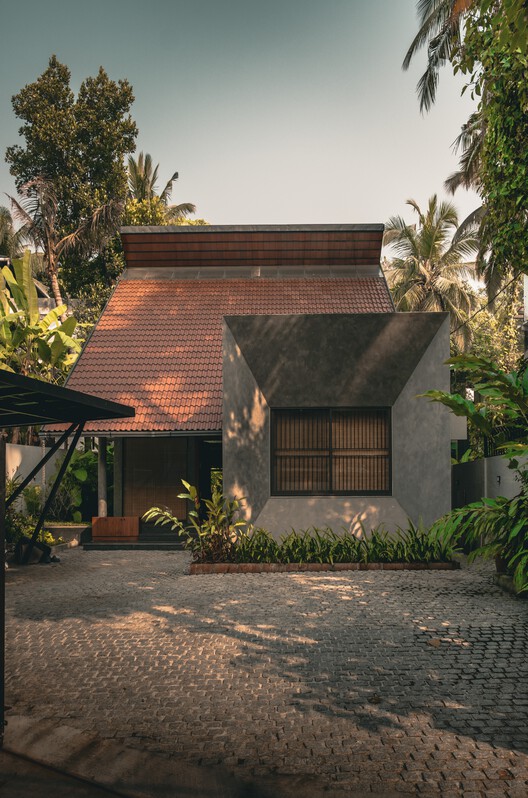
https://www.archdaily.com/1092491/antara-residence-ark-architecture-studioPratik Mour
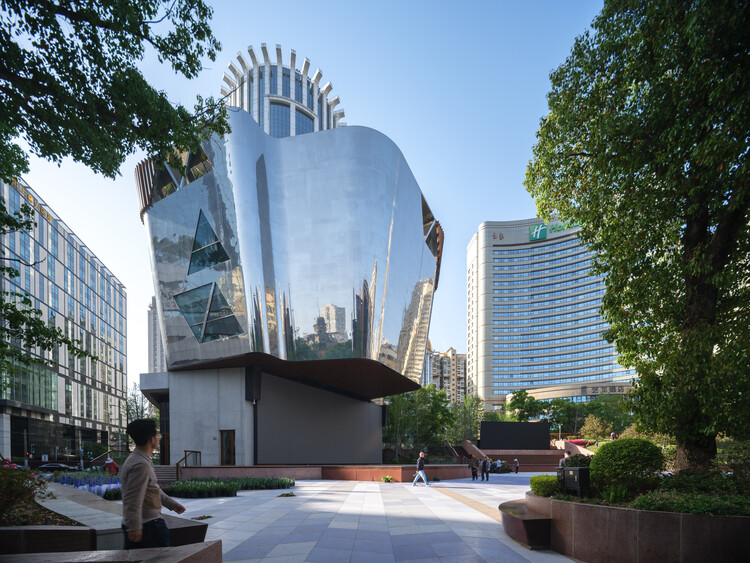
The Ecological Kaleidoscope of East Nanjing Road: Century Square Reborn / EMBT + TJAD

https://www.archdaily.com/1041842/the-ecological-kaleidoscope-of-east-nanjing-road-century-square-reborn-embt-plus-tjadValeria Silva
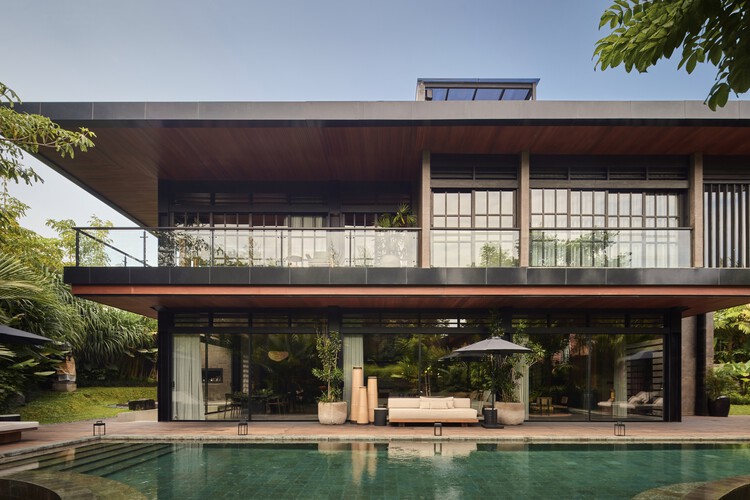
Villa Suki / Alexis Dornier

-
Architects: Alexis Dornier
- Area: 990 m²
- Year: 2025
-
Professionals: Bali Construction, Bali Lanscape Company, Riem Studio, Studio Nimmersatt
https://www.archdaily.com/1092518/villa-suki-alexis-dornierMiwa Negoro
Primrose House / Robust Architecture Workshop

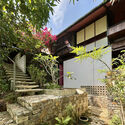
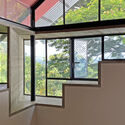
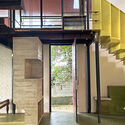
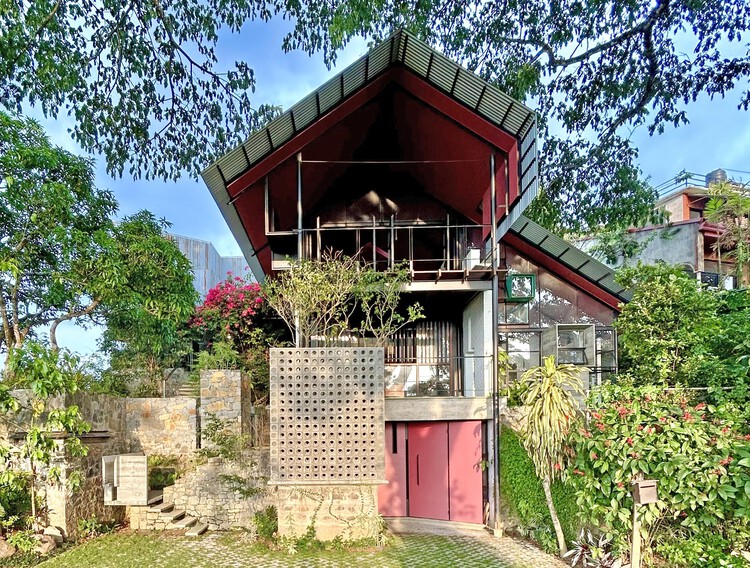
-
Architects: Robust Architecture Workshop
- Area: 196 m²
- Year: 2023
https://www.archdaily.com/1092479/primrose-house-robust-architecture-workshopPratik Mour

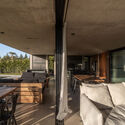
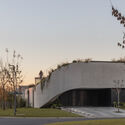
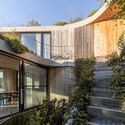
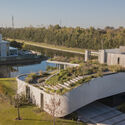
Condominium 4 Houses in Cascais / Humberto Conde Arquitectos

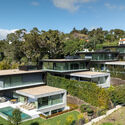
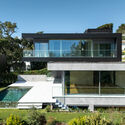
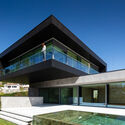
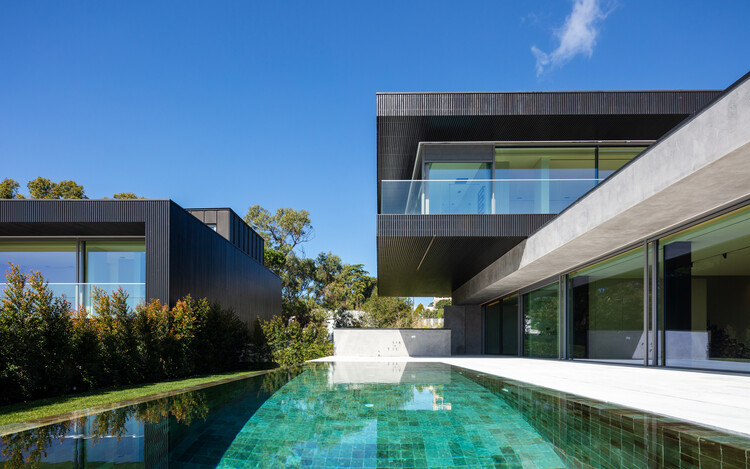
-
Architects: Humberto Conde Arquitectos
- Area: 1200 m²
- Year: 2025
https://www.archdaily.com/1092513/condominium-4-houses-in-cascais-humberto-conde-arquitectosSusanna Moreira
Stable / Carmen Maurice Architecture

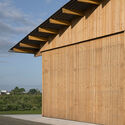
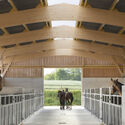
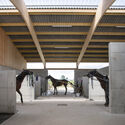
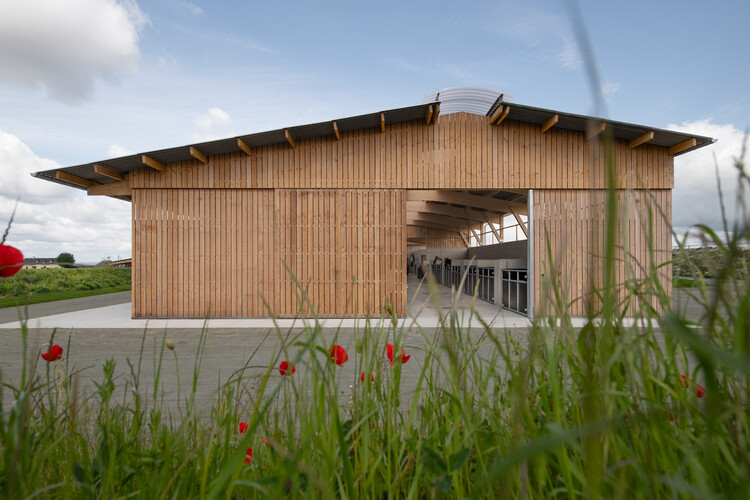
-
Architects: Carmen Maurice Architecture
- Area: 1000 m²
- Year: 2026
https://www.archdaily.com/1092495/stable-carmen-maurice-architectureNina Vuga
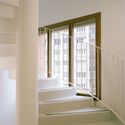
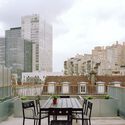
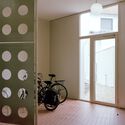
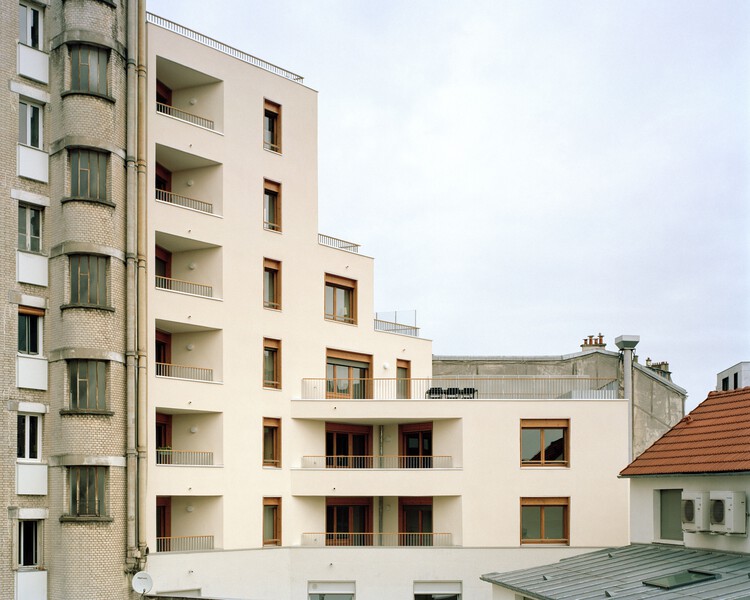
Montreuil Housing / minuit architectes

-
Architects: minuit architectes
- Area: 600 m²
- Year: 2026
https://www.archdaily.com/1054054/montreuil-housing-minuit-architectesNina Vuga
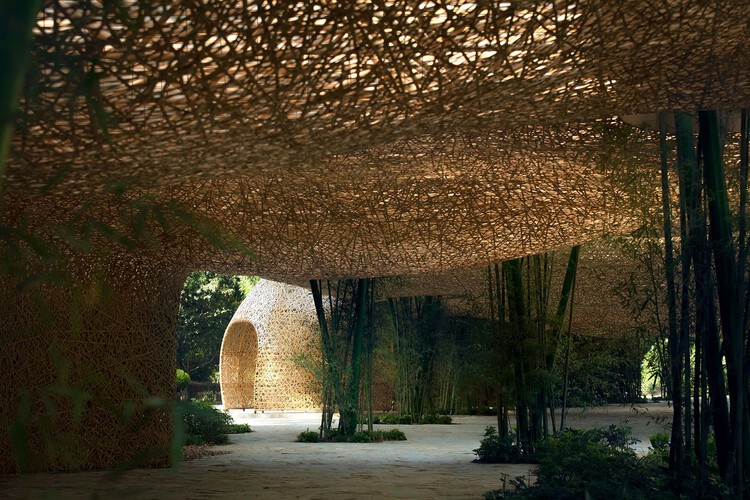
The Politics of Bamboo: From Vernacular Craft to Temporal Infrastructure

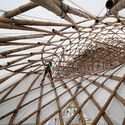
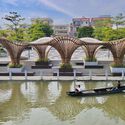
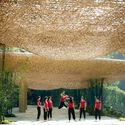
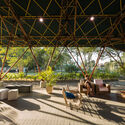
Bamboo is often praised before it is understood. It grows quickly, carries a long history of building cultures, and appears to offer architecture an immediate ecological language. In photographs, it can seem almost self-explanatory: light, natural, renewable, and already aligned with a more sustainable future. Yet this apparent clarity is also what makes bamboo difficult to discuss with precision. Once it becomes a symbol of environmental responsibility, the material itself can disappear behind the image it produces.
This is the risk of bamboo's contemporary revival. It can be imagined too easily as a green substitute for industrial materials, a regional atmosphere, or a softer alternative to the harder languages of steel and concrete. In each case, bamboo is admired before its conditions are understood. The more important question is not whether bamboo is sustainable in a general sense, but what kind of architectural culture it requires: what forms of knowledge, maintenance, regulation, labor, and time are needed for its sustainability to become real.
https://www.archdaily.com/1042929/the-politics-of-bamboo-from-vernacular-craft-to-temporal-infrastructureJonathan Yeung
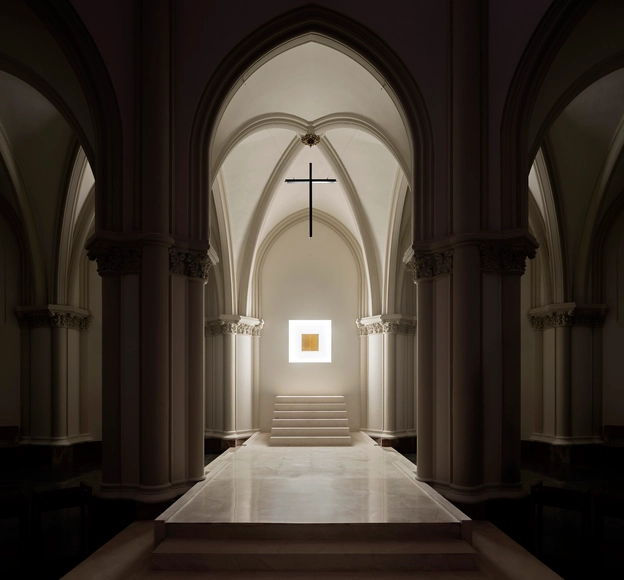
La Milagrosa Altarpiece / Alberto Campo Baeza




-
Architects: Alberto Campo Baeza
- Year: 2024
https://www.archdaily.com/1031681/la-milagrosa-altarpiece-alberto-campo-baezaValentina Díaz
TBB Libraries – Hundred Flowers Park Libraries / Atelier Liu Yuyang Architects

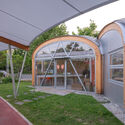
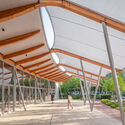
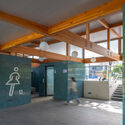
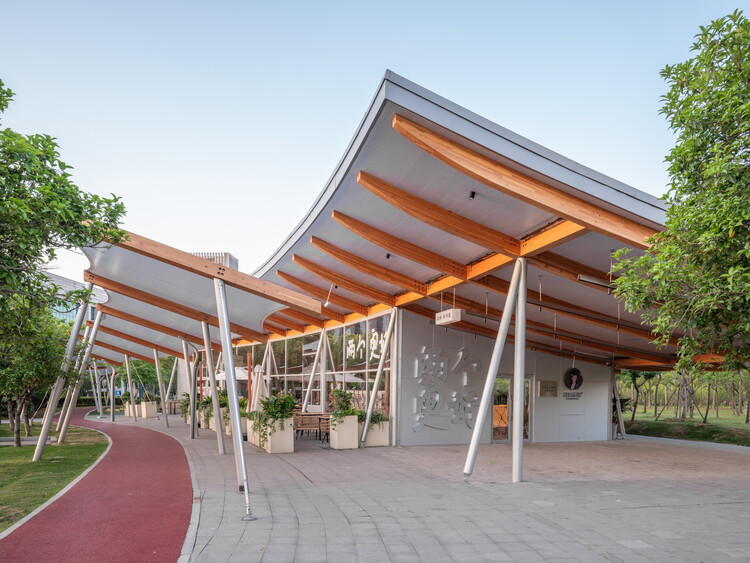
-
Architects: Atelier Liu Yuyang Architects
- Area: 2560 m²
- Year: 2023
-
Professionals: LUMIA Lab, LaLu Partners Structure Consulting, CLT Frame Structure
https://www.archdaily.com/1092347/tbb-libraries-hundred-flowers-park-libraries-atelier-liu-yuyang-architectsValeria Silva