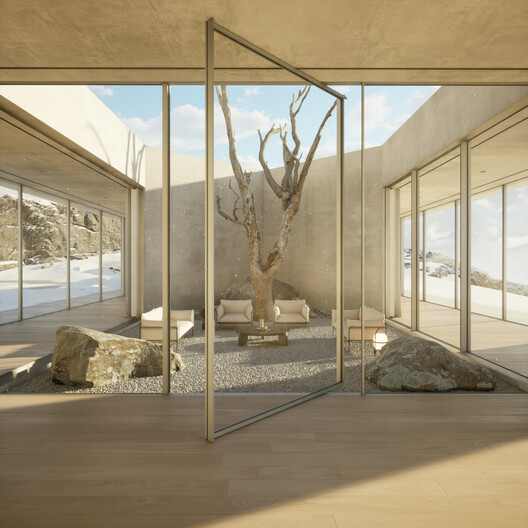
There is a big difference between looking at an image of a building and experiencing the space it represents. The atmosphere of a place, shaped by its light, sounds, materiality, and relationship with the surrounding landscape, has long belonged to the realm of physical experience. Today, real-time rendering technologies are beginning to narrow that gap, allowing projects to be explored and experienced before they are ever built.
Long before a building is constructed, it exists as drawings, physical models, perspectives, photographs, and, more recently, photorealistic renderings. Each new representational tool in history has sought to communicate not only the appearance of a project, but also the experience of inhabiting it.
These developments are now translating into more tangible possibilities, allowing users to walk through spaces, change materials, observe how light transforms them throughout the day, and experience their atmosphere before construction even begins. The Virtual House, developed by Swiss window manufacturer Sky-Frame in collaboration with Oppenheim Architecture, embodies this shift by combining real-time rendering technology with a broader exploration of spatial experience.
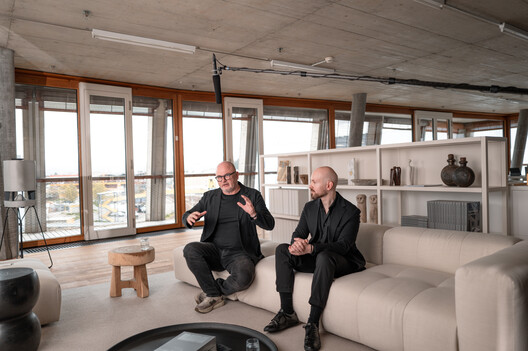
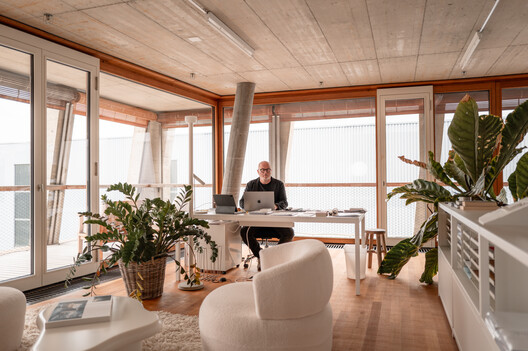
According to Andrea Zürcher, CMO of Sky-Frame, the challenge was to create an experience capable of expressing the company's core principles, like openness, continuity, and a seamless connection between inside and outside, without the constraints imposed by physical construction. Freed from those limitations, the collaboration with Oppenheim Architecture explored these ideas in an entirely new way, resulting in a virtual world defined by an almost dreamlike realism.
A House Designed to Exist Only in the Virtual Realm
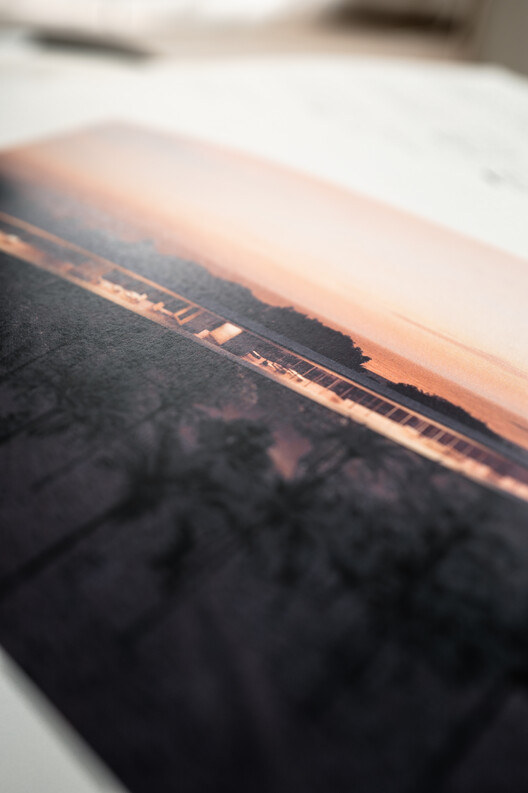
Unlike most three-dimensional models created to present buildings under development, the Virtual House was conceived from the outset to exist exclusively in a digital environment, free from the constraints typically imposed by a specific site, structural requirements, budgets, or construction logistics.
Sky-Frame challenged Oppenheim Architecture to imagine what architecture might become when liberated from those constraints while still maintaining a strong sense of place. The studio's starting point was a deceptively simple yet profoundly complex question: What defines a house?
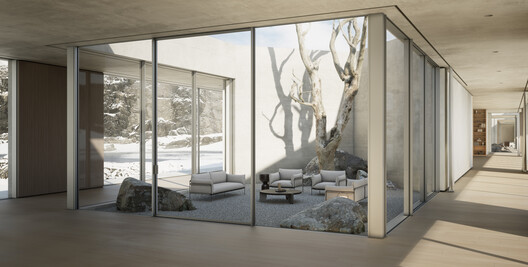
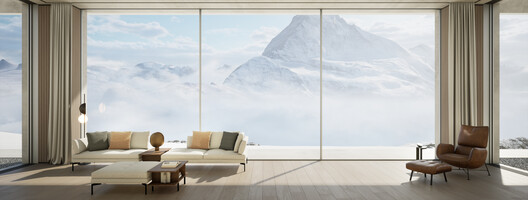
The answer took the form of a single-story residence that can be experienced in two radically different settings: a coastal landscape inspired by Florida and a dramatic alpine environment in Switzerland. While the architecture itself remains virtually unchanged, the experience of the space shifts as the light, climate, vegetation, sounds, and surrounding landscape change.
This decision raises a recurring question in contemporary architecture: to what extent is a building defined by its form, and how much of its identity depends on the place in which it exists? Rather than serving merely as a backdrop, the landscape becomes an active component of the architectural experience, continually reshaping the perception of space.
Experiencing Architecture Before It Exists
Throughout the virtual visit, users can explore the residence while changing materials, testing different layouts, and discovering Sky-Frame's range of systems, including Classic, Plain and Original, Pivot Door, Corner Opening, Pocket Door, and Fly. Each configuration highlights how different opening systems influence the relationship between interior and exterior, demonstrating how relatively small design decisions can reshape the experience of a space.
The platform reveals how seemingly small design decisions can transform the perception of space, while also highlighting the role these systems play in shaping the architectural experience. The absence of physical barriers between interior and exterior become central protagonists, shifting the focus away from technology and toward the atmosphere created by architecture.
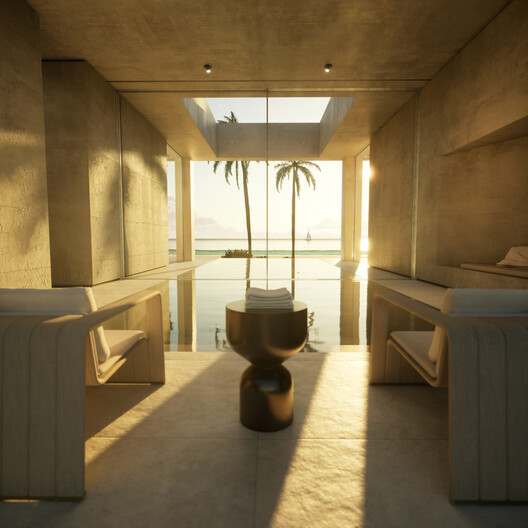
According to Beat Huesler, Global Management Partner at Oppenheim Architecture, atmosphere emerges from spaces that evoke emotion, with light serving as their defining element. The virtual environment therefore becomes a way to communicate architectural qualities that drawings and static images can only partially convey.
Real-time virtual environments like this one point to a shift in how architecture is represented, letting it be experienced before it exists. Projects like the Virtual House, developed with The Boundary, are still experimental, but they hint at where the discipline is heading. Tools built for video games are entering the design process, changing how architects, clients, and multidisciplinary teams engage with a project. What's at stake iis communicating things that have always resisted representation: atmosphere, light, the relationship with landscape, the experience of moving through space.


