


-
Architects: Perkins&Will
- Area: 12000 m²
- Year: 2024
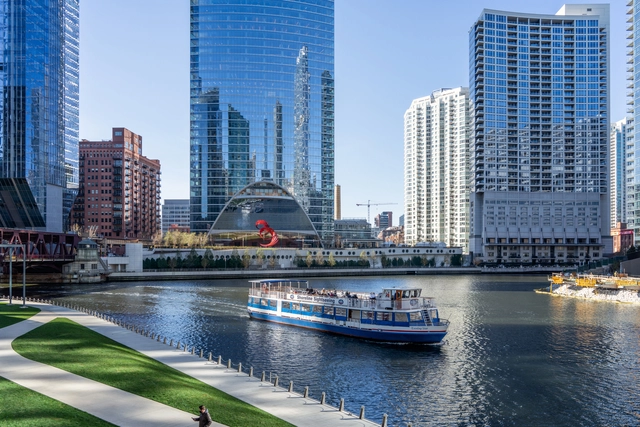
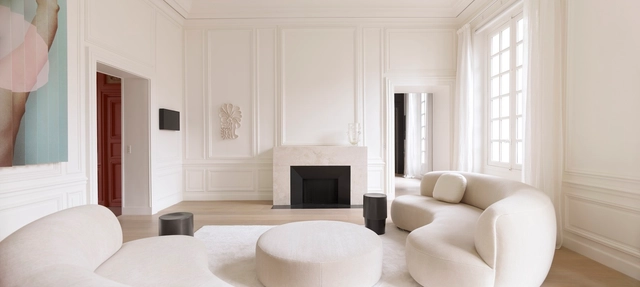
The continuation of remote work practices has altered cities' bustling downtown areas along with the traditional office landscape, leaving behind many vacant spaces whose future purpose is a matter of speculation. Four years after the onset of hybrid working policies, office occupancy rates in urban centers remain lower than pre-pandemic levels, signaling a long-term shift in the work environment. Some developers have aimed to reposition these buildings while other are seeking alternative uses of vacant buildings in central location. While both approaches prove beneficial in their own ways, the potential for repurposing office buildings is vast and exciting. From residential living to cutting-edge research facilities, architects and developers explore diverse possibilities and challenges of transforming these underutilized structures into thriving new spaces.
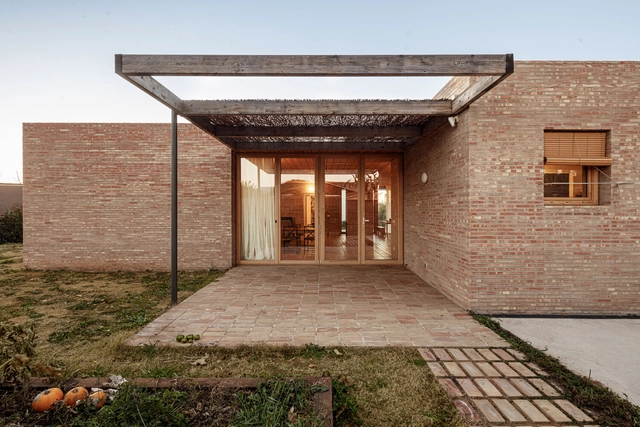
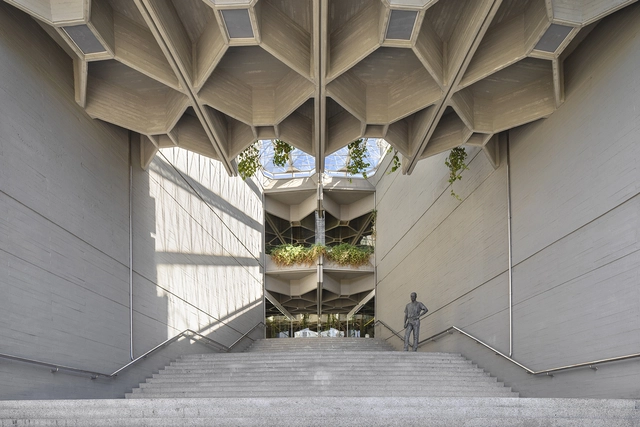
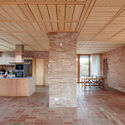
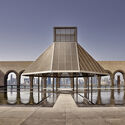
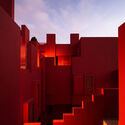
Beyond just a visual record, architectural photography is a powerful medium that holds the ability to reveal and explore architectural spaces from unique perspectives. Through the lens of a skilled photographer, architecture showcases its interplay of lights and shadows, the tectonics of its structural elements, the careful detailing of joined materials, and the larger narratives of cultural heritage. On World Photography Day 2024, we celebrate this unique art form by highlighting the work of 25 distinguished photographers who have captured architecture in its most evocative forms.
Among the featured photo series, Paul Clemence explores the minimalist precision of Swiss museums, Iwan Baan offers a visual narrative of Prague, while Simone Bossi highlights the contrast between man-made structures and their natural surroundings. Additionally, Marc Goodwin continues his series on architecture studios from around the world, providing a glimpse into the profession’s creative spaces. Erieta Attali’s work transports viewers to ancient ruins to explore historical juxtapositions and cultural landscapes.
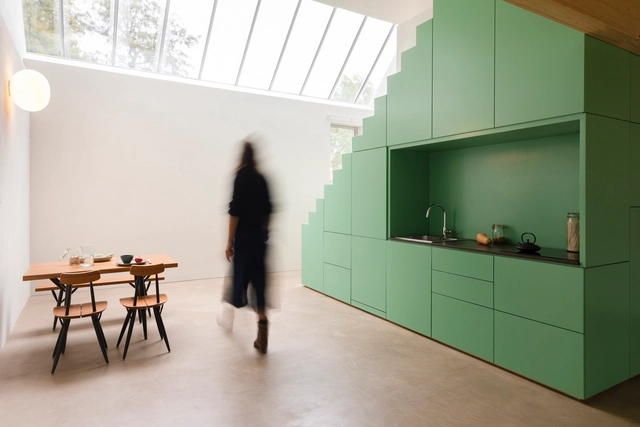

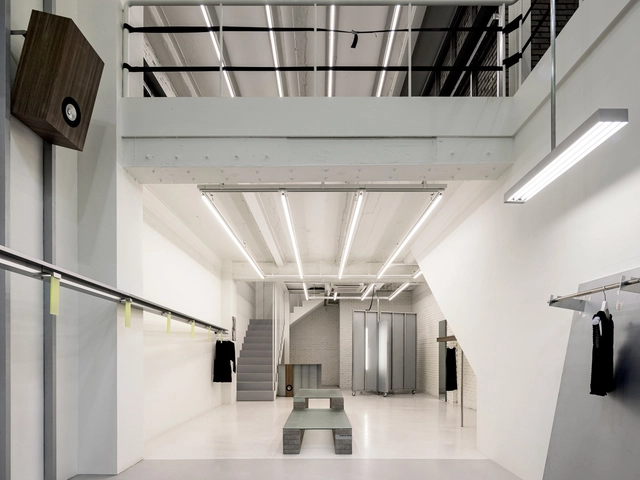


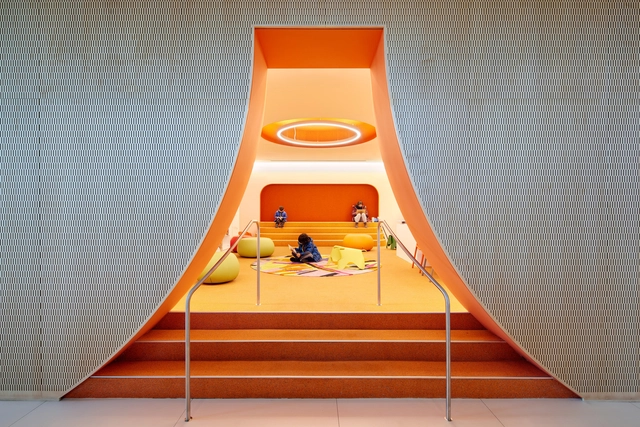
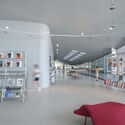
What is the vision for a 21st-century library? How can architecture professionals foster the interest of new and future generations in reading? Globally, the rapid growth of communication technologies, along with the increase in available information and the constant need to update knowledge, brings with it new educational approaches, cultural practices, and community activities that involve the creation of more dynamic spaces capable of adapting to different functions simultaneously. The connection with play, the integration of other uses, or even the incorporation of new technologies typically play a central role in the interiors of contemporary libraries designed for a young audience.