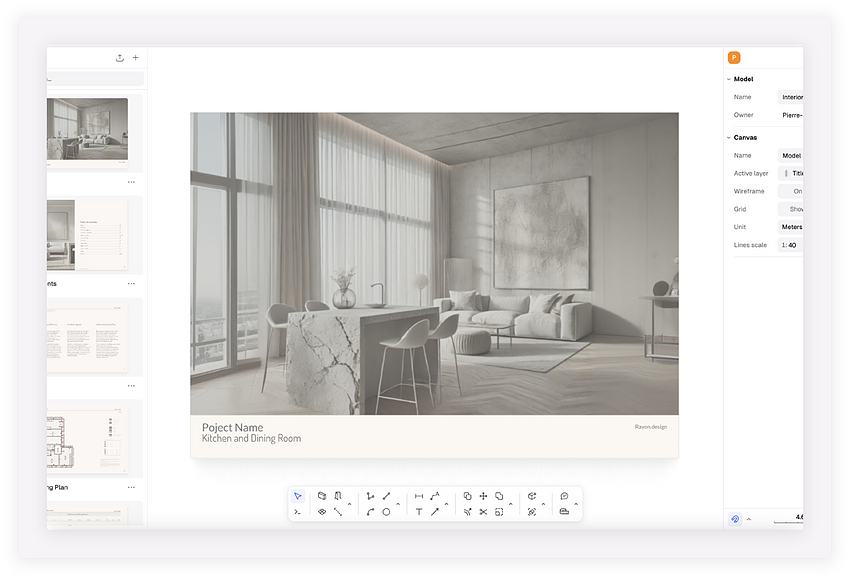
Organize drawings, prepare presentation pages, incorporate schedules, and share the finished set.
Organize drawings, prepare presentation pages, incorporate schedules, and share the finished set.

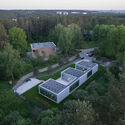
Adding new floors on top of a historic building presents a challenge beyond accommodating additional space: how can a contemporary intervention respond to the character of an existing structure? Material selection plays an important role in establishing a relationship between different construction periods, whether the aim is to complement the existing building or create a more distinct architectural expression. The LH Residence in Varna, Bulgaria, designed by STARH, offers an example of how fiber cement can help relate a contemporary addition to a historic building.


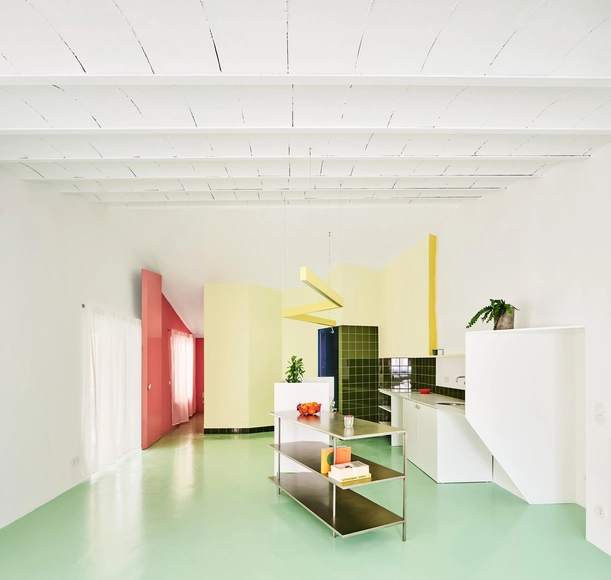

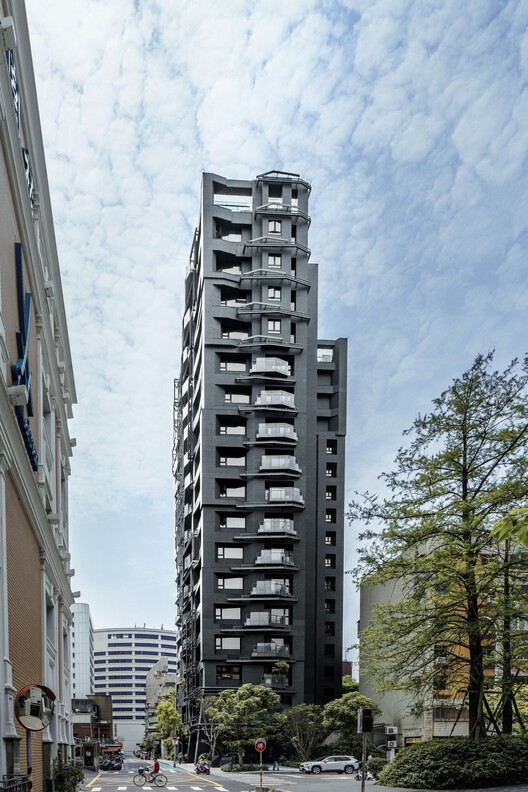


In 1972, Robert Venturi, Denise Scott Brown, and Steven Izenour published Learning from Las Vegas, challenging architects to reconsider the underappreciated, largely dismissed commercial landscape in the United States. Their storied distinction between the "duck," a building whose form communicates its meaning, and the "decorated shed," an ordinary structure whose identity is conveyed through signs and symbols, questioned a widely accepted modernist assumption that architectural expression should emerge from form and function. By examining billboards, neon lights, casinos, and the commercial strips of Las Vegas, the authors argued that architecture should study the visual languages of American consumer culture.


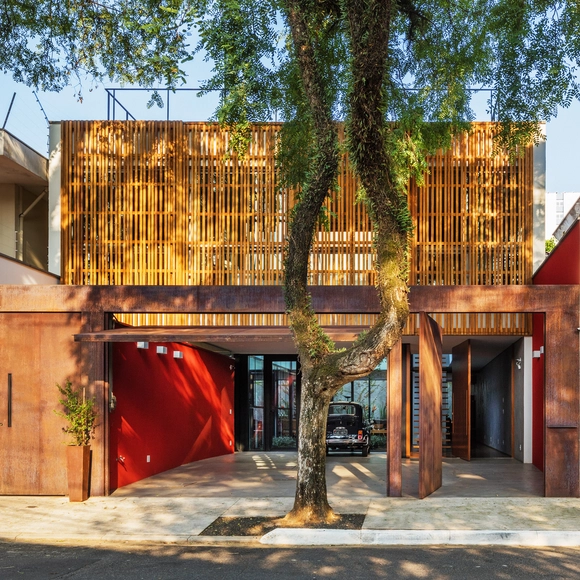
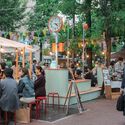
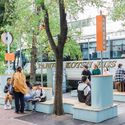
The concept of "eyes on the street" is perhaps the most famous within architectural and urban literature when it comes to urban security. Jane Jacobs uses this expression to refer to people who - consciously or unconsciously - use public spaces or observe them from their homes, generating natural surveillance. A movement that, within our discipline, is encouraged both through quality public spaces and through the powerful relationship between the public and private created through building facades. Advocating for this daily control, Jacobs believes in a way of making architecture and cities that condemns excessive verticalization, reinforced by isolated buildings and single-use ones that deny contact with the street.