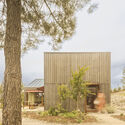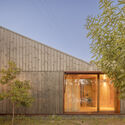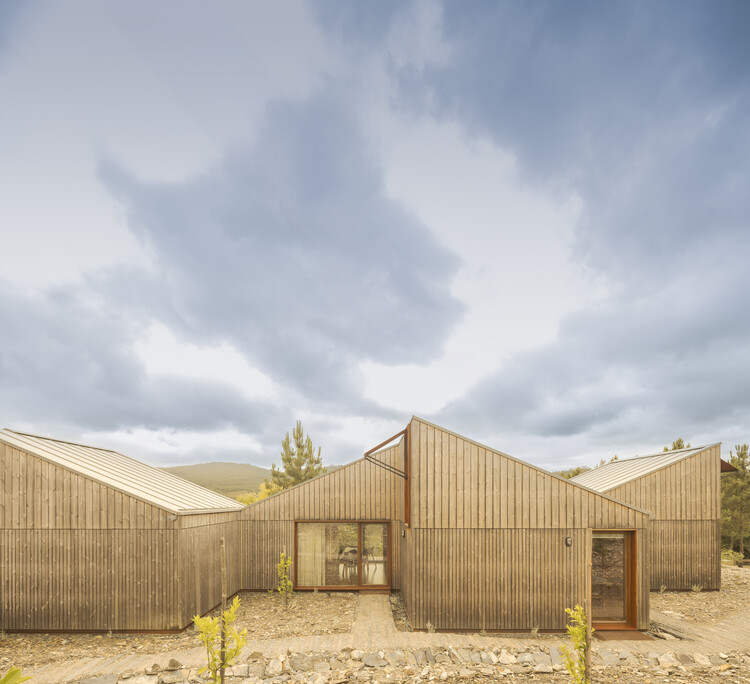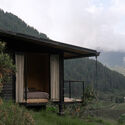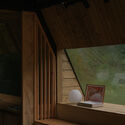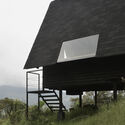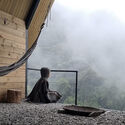
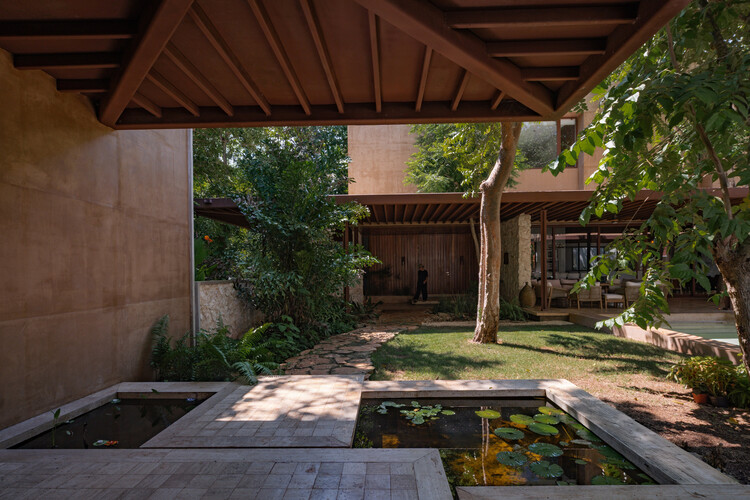
-
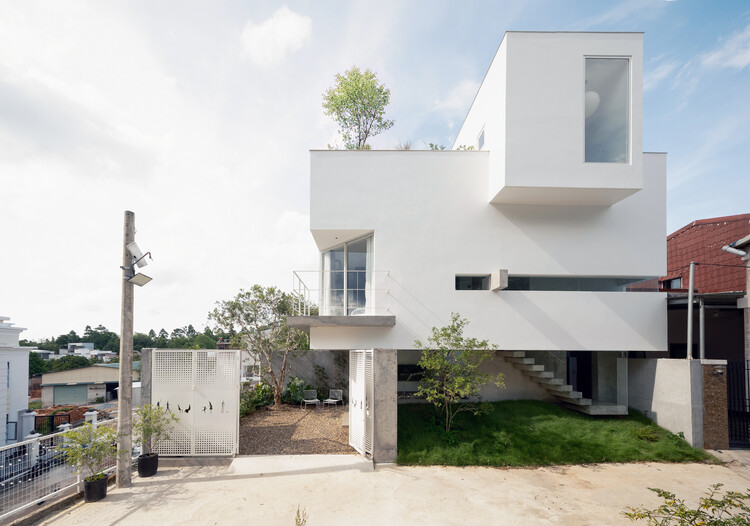
Architects: Esencial Studio
- Area: 435 m²
- Year: 2025
-
Manufacturers: Ikea, Lufe, Sklum


International Youth Day, observed annually on August 12, is marked in 2026 under the theme "Different Contexts, Common Aspirations," highlighting the shared aspirations of young people across diverse social, economic, and geographic realities. Despite differences in where and how they live, young people around the world continue to seek dignity, opportunity, meaningful participation, decent work, quality education, and a sustainable future. The day provides an opportunity to recognize their contributions while drawing attention to the conditions and opportunities that shape their lives.

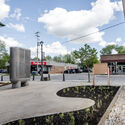
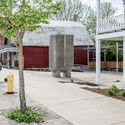
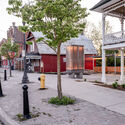
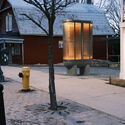
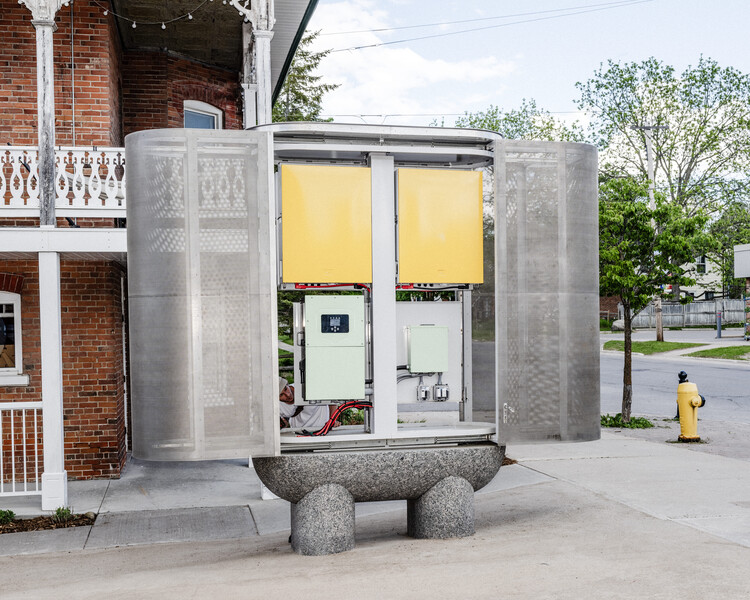
Against a backdrop of climate change, inflation, and armed conflict, the global energy system is undergoing change and facing scrutiny. As stated by the United Nations, buildings must be heated, lit, and electrified through clean, accessible, affordable, sustainable, and reliable power sources. Architecture and urban planning can contribute both to expanding energy access and to exploring different forms of storage. The Toronto-based startup Civic Grid designs and builds energy storage systems with the aim of changing the relationship communities have with the electrical power behind everyday life. Their first architectural battery was designed as public architecture by architects Jack Self and Josh Harskamp with industrial designer Max Fine. The prototype is the evolution of a deployable energy system developed with Lisbon Civil Defence for the Lisbon Architecture Triennale 2025, still in operation, and is paired with a scale model.

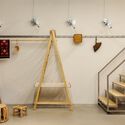
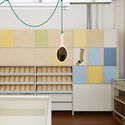
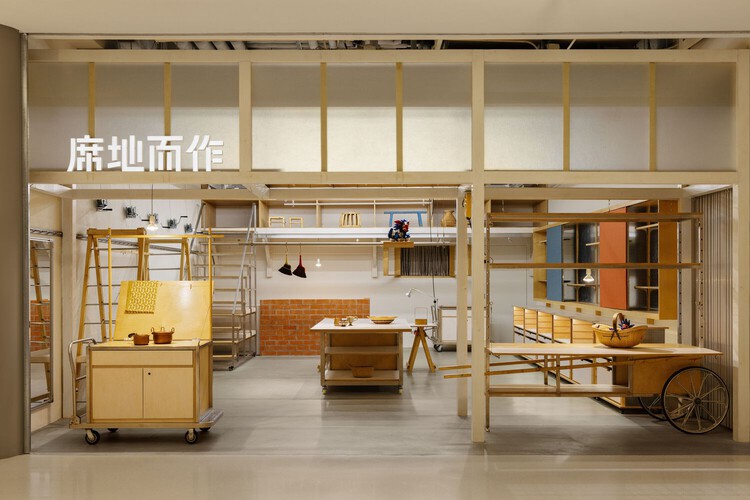
Craftsmanship carries the traces of those who shaped it, revealing how materials respond to different techniques and even offering clues about the tools used to create them. Within the architectural experience, however, craftsmanship can be expressed not only through materials and structures but also through space itself. Seeking to deepen and learn from the connections between design and execution, amass studio has explored the translation of informal, everyday construction methods into spatial systems across several of its projects. By integrating mechanisms, materials, structures, and furniture, the studio creates new spatial narratives in which the dialogue between the handcrafted and the industrial becomes mutually reinforcing. Beyond craftsmanship itself, then, why not make visible the processes that bring it into being?


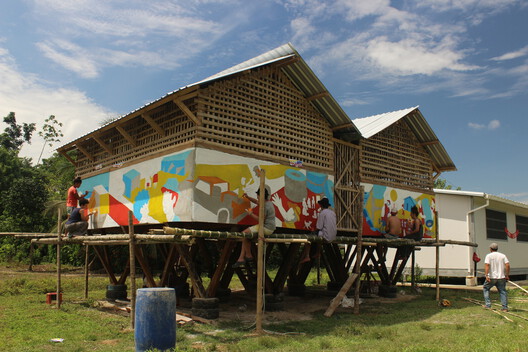
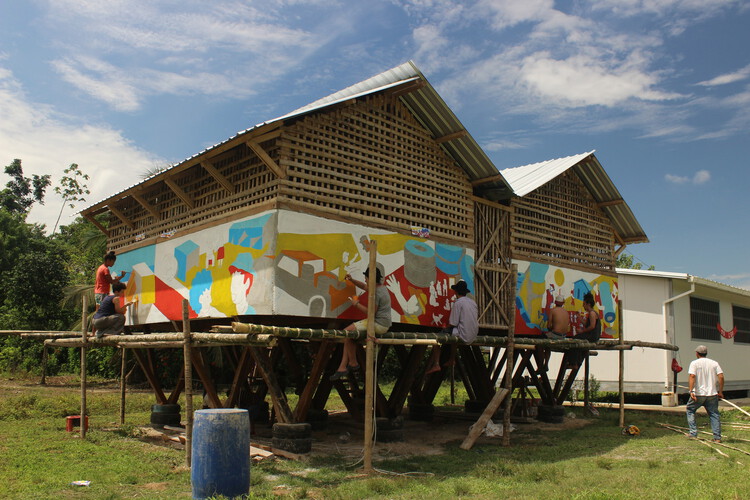
Founded in Quito in 2017 by Martín Real and Florencia Sobrero, Taller General works across housing, rehabilitation, exhibitions, and community projects. What ties them together is less a type of building than a way of building: architects, builders, craftspeople, students, organizations, and communities move in and out of the process, and each project takes shape from whatever is already there.
This approach grew from direct experience with construction. Before Taller General was formally established, Real and Sobrero became involved with Actuemos Ecuador, one of the civil society initiatives formed in response to the earthquake that affected Ecuador's coast in 2016. Working within the realities of building connected architectural decisions to materials, budgets, available labor, and local knowledge, this established a relationship with construction that has remained central to the practice.