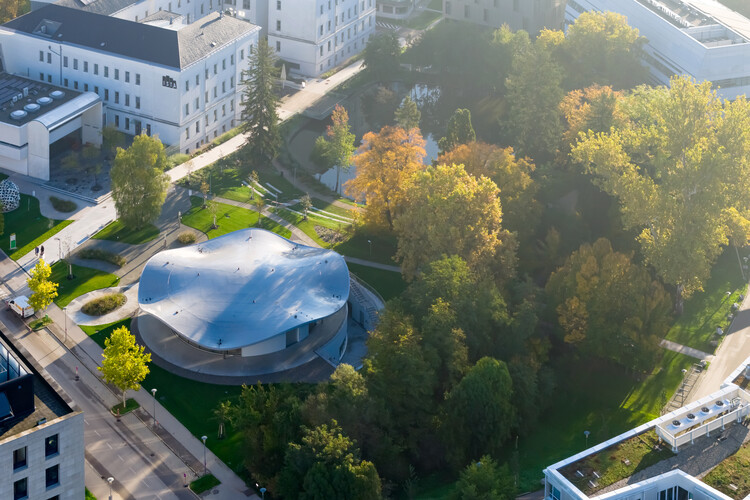
How to visualize architectural concepts in SketchUp using D5 Lite for faster design exploration.
How to visualize architectural concepts in SketchUp using D5 Lite for faster design exploration.

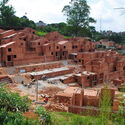
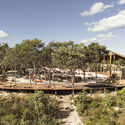
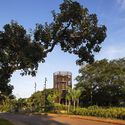
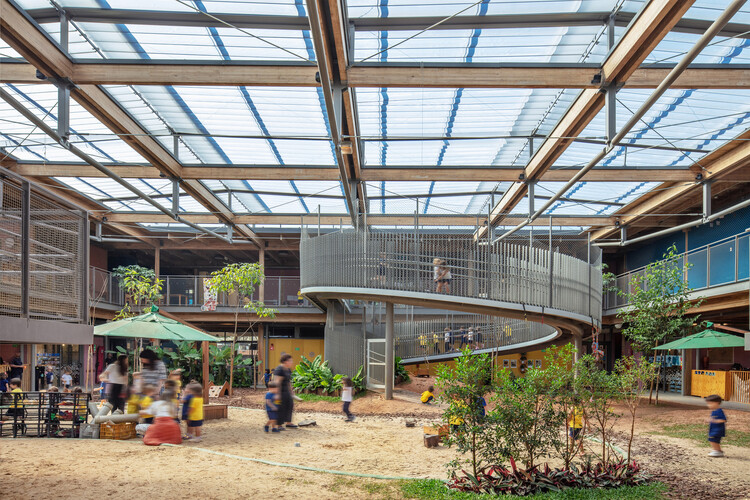
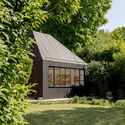
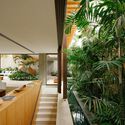
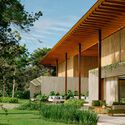
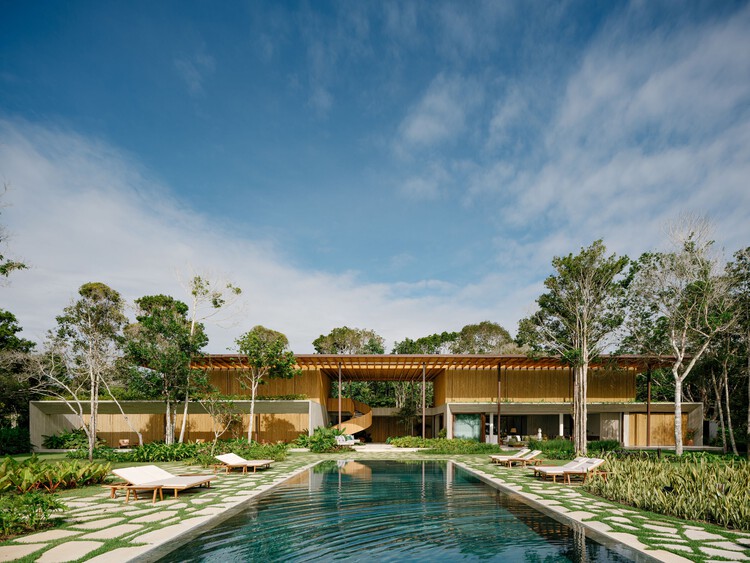
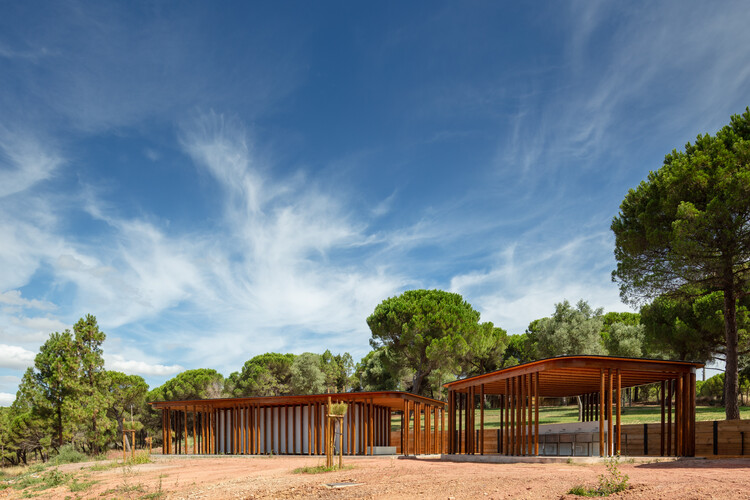
Across Brazil, architecture continues to take shape through different forms of practice, scales, and relationships with place. This month's selection looks at practices working beyond conventional architectural boundaries, collective approaches that reconnect design and construction, and projects that respond to landscape, memory, and community. Alongside recently completed buildings and public spaces, new cultural interventions in São Paulo and Rio de Janeiro further highlight how architecture intersects with art, heritage, and the wider urban environment.


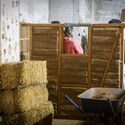
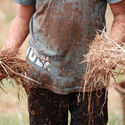
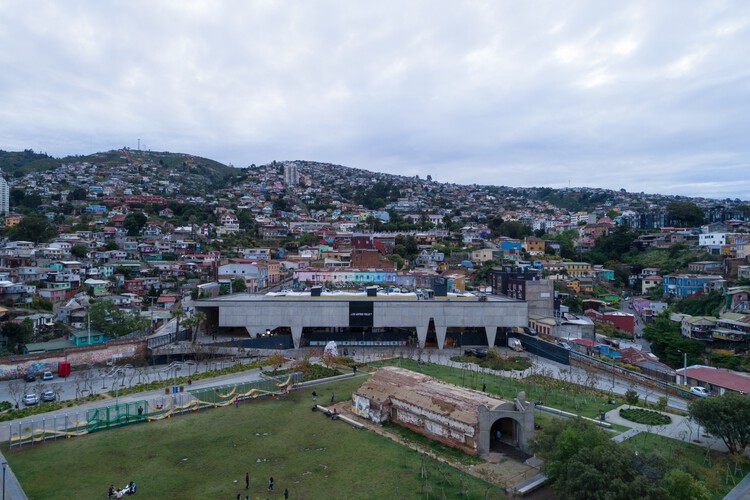
From October 9 to 11, "Oficios en obra" (Trades at Work) will take place at the Parque Cultural de Valparaíso in Chile, a learning and collaboration event centered on the city's traditional construction trades. Organized by the Municipality, the gathering seeks to highlight and preserve work techniques historically tied to the construction of Valparaíso, promoting their recognition and helping ensure their continuity among new generations through activities that are open and free to the public. Once the most important port on the South Pacific, Valparaíso's architecture bears witness to diverse applications of structural timber, rammed earth, and industrial technologies imported during the 19th century. This makes it a subject of study for traditional trades and construction techniques that are being revalued in contemporary contexts of climate and economic crisis, serving as an alternative path forward.

Ask an architect what the hardest problem in the discipline is right now. The block of unmaintained postwar housing two streets from their office rarely comes up. What comes to their mind is the pressure differentials on Mars, or the tensile loads on a floating platform; because unclaimed ground has no one to negotiate with, no history to answer to, no tenant to remember the last renovation, which makes it considerably easier to design for.
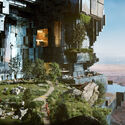
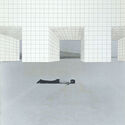
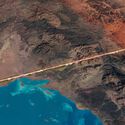
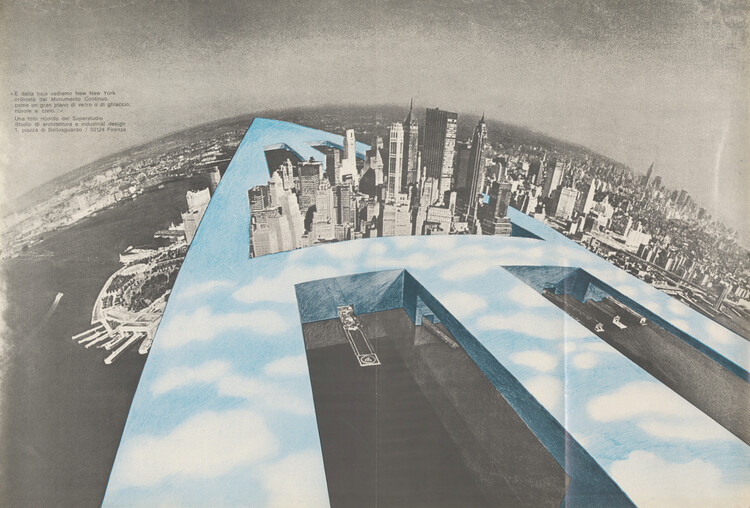
Architects think of themselves as solving a harder problem than the one next door. A project, like The Line, a 170-kilometer city meant to house nine million residents, with a site with no prior claimant, is not architecturally harder than a site with a hundred years of tenancy, contested ownership, and a planning department that remembers the last three developers who used the word "community" and meant something else. It is, considerably, easier. No one to persuade, no history to answer to, no argument to lose. Which raises the question of whether the harder problem is sitting two streets from the office, unsolved, and the easier one is the one getting the renderings and the funding rounds; then 'ambition' is the wrong word for what is happening. Something is being avoided, and we need to start thinking about what.

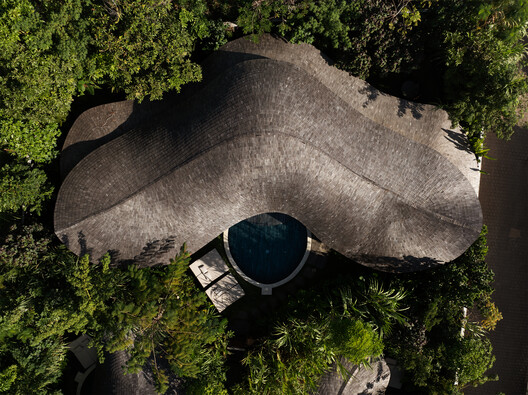
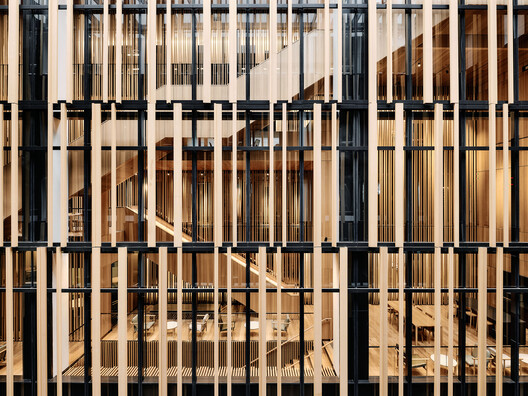
The relationship between humans and wood has endured since the Greco-Roman era, when a variety of techniques were developed to maximize its unique properties and characteristics. Beyond its warmth, texture, and natural appeal, wood has proven its ability to meet a wide range of technical requirements while adapting to diverse environmental and geographic conditions, maintenance demands, and fire-resistance standards. In response to the evolving needs of the built environment, interior and exterior finish materials that replicate the appearance of wood have emerged as viable alternatives. Among them, Wood Finish Aluminum offers a durable, high-performance solution for long-lasting projects, providing a textured wood-look appearance while maintaining minimal environmental impact.


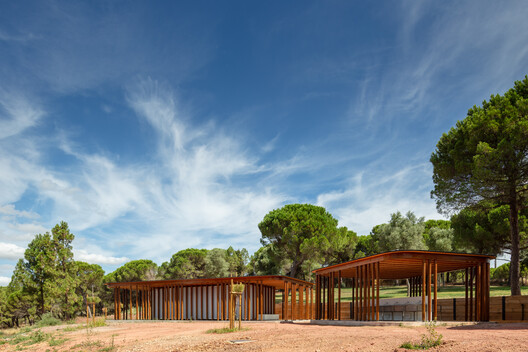
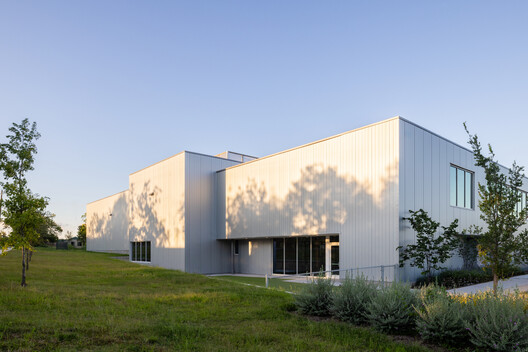

ArchDaily is proud to announce the winners of the 2026 Next Practices Awards, recognizing 20 emerging and forward-thinking practices expanding the possibilities of architecture today.
Now in its sixth edition, Next Practices continues to look beyond conventional definitions of the profession to identify the people, ideas, and methodologies driving the discipline. The 2026 edition is our strongest and most globally representative to date, bringing together different approaches, scales, and contexts that broaden our understanding of how and by whom architecture is being practiced.
From extreme climates to rural communities, informal cities, and territories affected by displacement and environmental vulnerability, this year's selection engages with a wide range of realities. Drawing from engineering, ecology, digital fabrication, material research, vernacular and Indigenous knowledge, advocacy, and critical research, these practices reflect what is "next": the capacity to respond to specific conditions and actively shape the world around them.

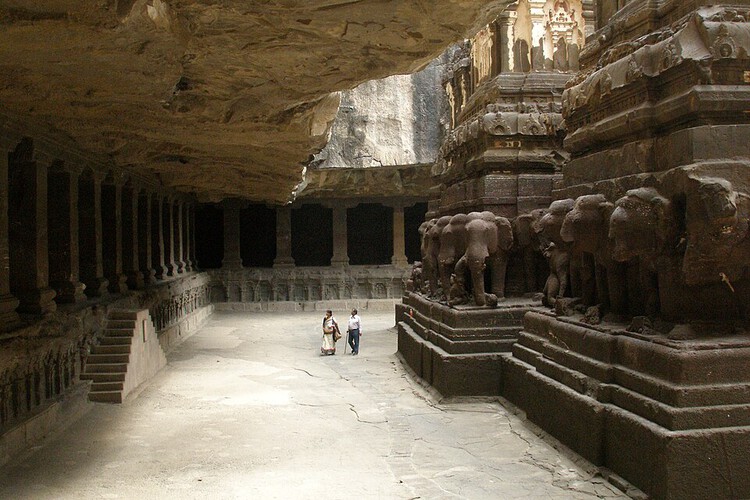
A cave in Maharashtra can now be entered without travelling to it. Through a virtual reality experience developed around Ajanta, visitors can move through a digitally reconstructed version of the caves from somewhere else entirely. The project raises an architectural question: if architecture is experienced through movement, scale, sequence and perception, what happens when those experiences can be recreated outside the physical site? IITM Pravartak's Digital Ajanta project uses 3D scanning, filming, modelling and virtual reality to document the caves and translate that record into an immersive experience.
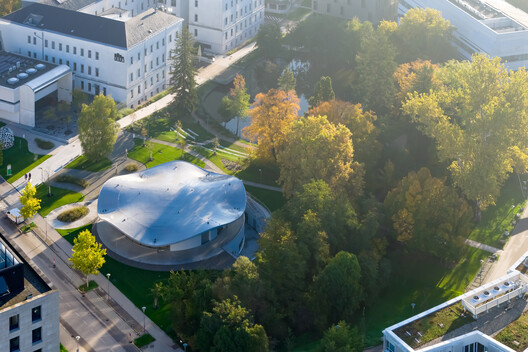

What happens when architecture is asked to create a room without boundaries? Convention halls, stadiums, factories, and logistics centers all begin with the same architectural challenge: creating large, uninterrupted interiors that can accommodate movement, visibility, and changing uses. The larger the span, the greater the structural demands, and the greater the architectural possibilities.
Long-span architecture is not a recent ambition. For centuries, architects have sought ways to enclose large public spaces, from the monumental dome of the Pantheon to the iron-and-glass halls of London's Crystal Palace. Each breakthrough expanded the possibilities of architecture, replacing thicker walls and denser structural systems with lighter, more efficient ways of spanning distance. Today, steel continues that evolution, making it possible to span distances that would be difficult to achieve with conventional structural systems while keeping large public spaces open, flexible, and adaptable. Steel's high strength-to-weight ratio makes longer spans possible with fewer columns and lighter structural systems, while prefabricated components simplify construction and reduce on-site work.