


-
Architects: Studio MM Architect
- Area: 3408 ft²
- Year: 2024
-
Manufacturers: Marvin

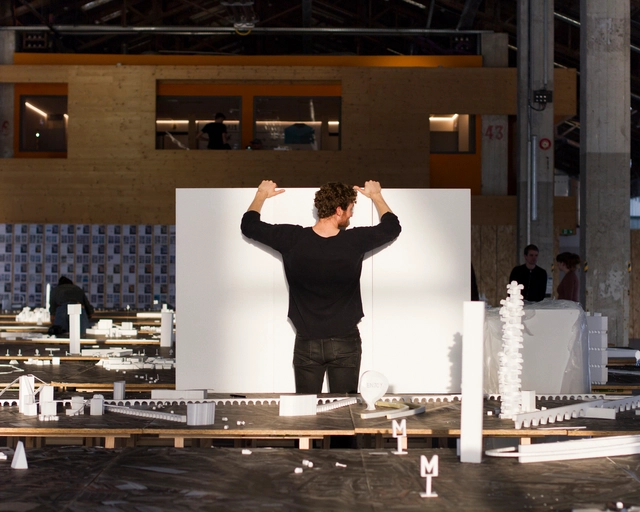
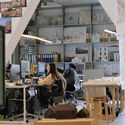
In architecture, most practices revolve around delivering projects to clients. Offices are shaped by deadlines, budgets, and clear briefs. While this structure produces buildings, it rarely leaves space for architects to question broader issues — about how we live, how cities are changing, or what the future demands of design. But alongside this production-focused system, a quieter movement has emerged: studios, collectives, and foundations that prioritize research, experimentation, and reflection. These are the architecture think tanks — spaces designed not to build immediately, but to think first.
The idea of a think tank is not new. Traditionally found in politics, economics, or science, think tanks bring together experts to study complex problems and propose solutions. In architecture, their rise reveals a tension at the heart of the discipline. If architecture is to remain socially and environmentally relevant, can it continue to rely only on client-driven practice? Or must it carve out space for slower, deeper inquiry?
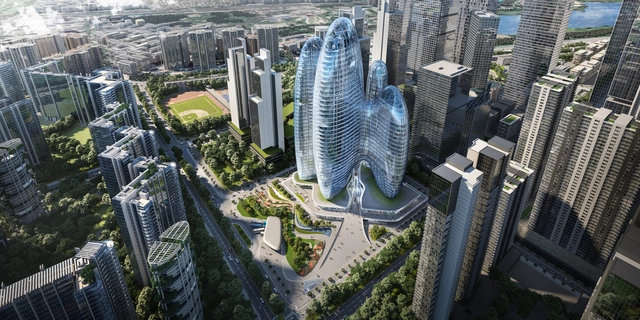
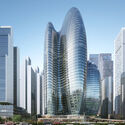
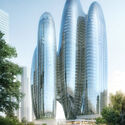
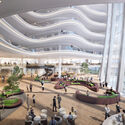
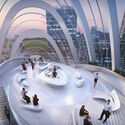
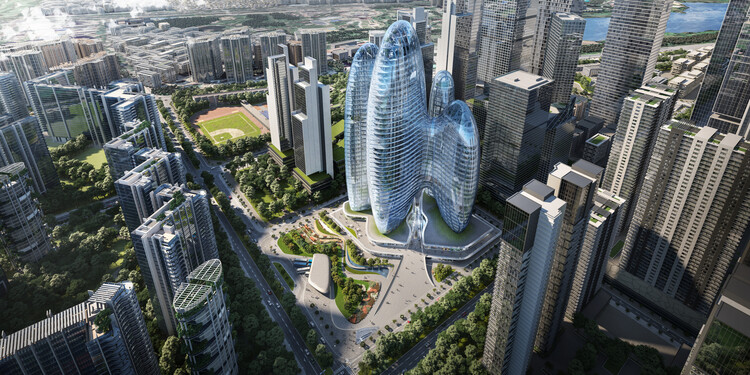
Facade installation has commenced at the construction site of OPPO's new headquarters campus in Shenzhen's Greater Bay Area, indicating visible progress on the project designed by Zaha Hadid Architects. Planned as a consolidated workplace for a China-based technology company, OPPO, the campus is situated within a rapidly developing urban context. The headquarters is intended to accommodate the company's expanding workforce while integrating office functions with publicly accessible spaces. Current construction activity involves the assembly of the external envelope, which reflects the project's established massing, tower configuration, and overall spatial organization.
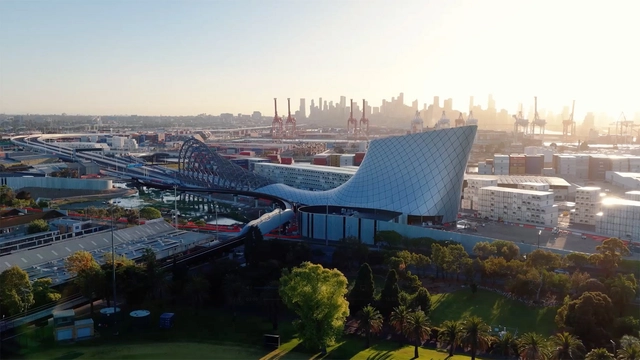

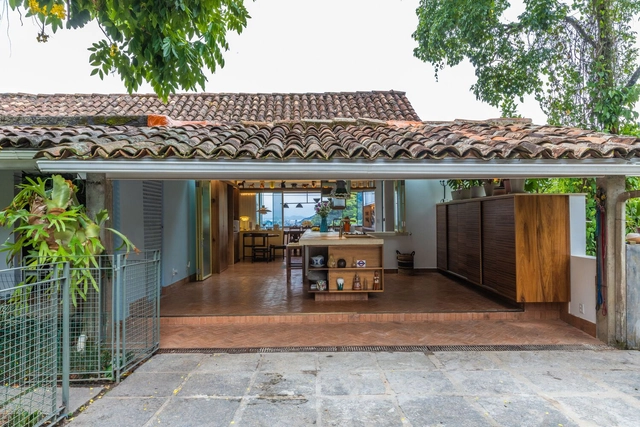
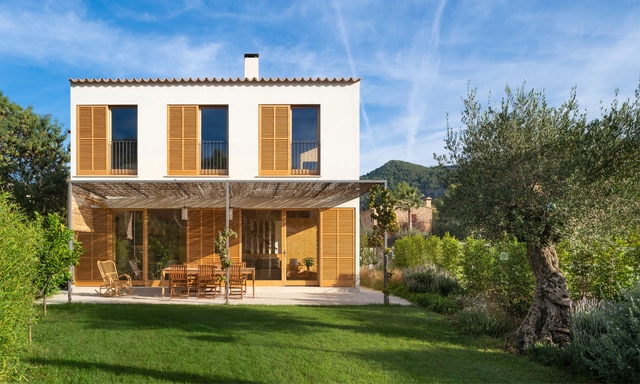
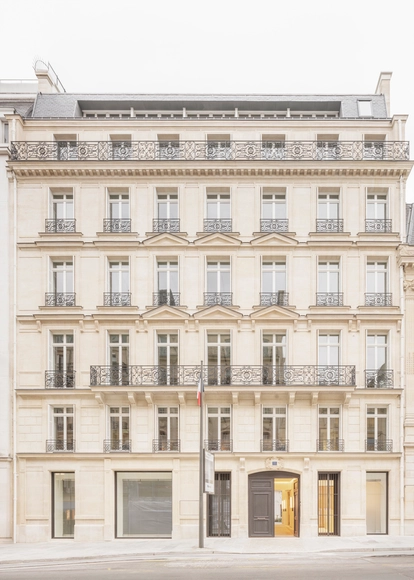


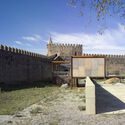
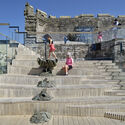
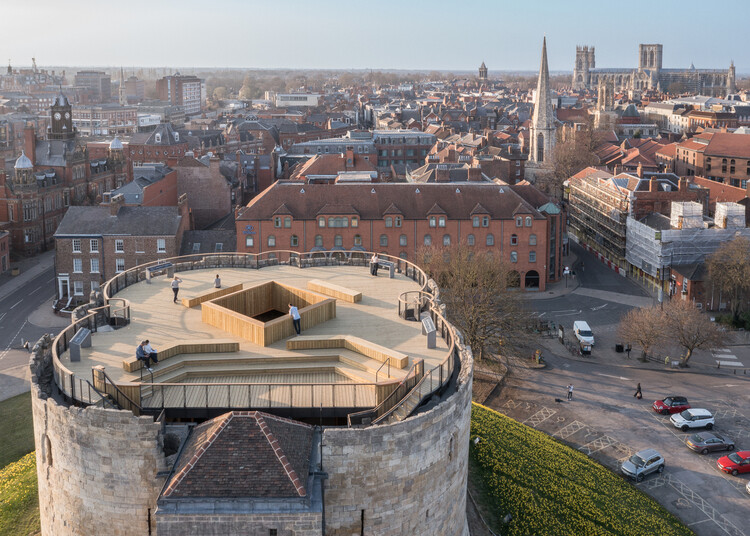
Castles and fortresses often rise from strategic, commanding positions when standing alone or integrated into urban and rural landscapes. From above, they overlook the city, bearing in their imposing structures the weight of history. With their original functions now limited to contemplation, these spaces have been undergoing revaluation and reintegration into everyday urban life. Once symbols of military or political power, they are now taking on new roles through contemporary interventions that engage with their heritage without erasing their past.