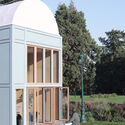
Trends 23/24 at January's Heimtextil in Frankfurt will focus on material cycles and sustainability strategies for textiles – and use the analogue fair platform to promote exchange, present new products and bring experts together.
Trends 23/24 at January's Heimtextil in Frankfurt will focus on material cycles and sustainability strategies for textiles – and use the analogue fair platform to promote exchange, present new products and bring experts together.

Faced with the challenge of the housing deficit—defined as the number of new homes needed to accommodate doubled-up families and replace uninhabitable dwellings—the construction industry must seek new design strategies to address this issue. How can we address the housing deficit through quality housing? Alongside constructing new homes, architecture must propose designs that ensure habitability, which largely depends on solutions that promote effective thermal conditioning.
Through its building materials, products, and systems, ETEX Chile develops thermal strategies focused on habitability and comfort, responding to the specific climatic conditions that characterize each region of the country.
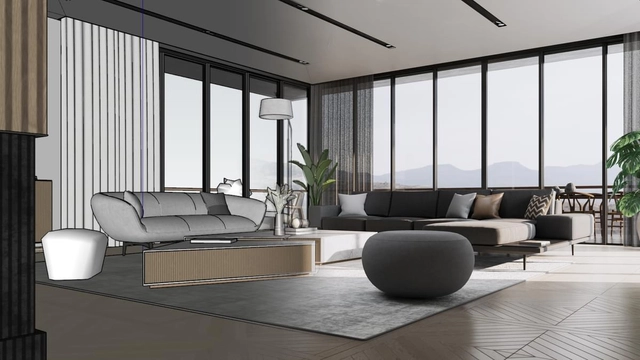
Real-time visualization takes a 3D architectural model and transforms it into something that can be used to communicate with those less technically inclined. Your vision and design intent can be understood easily, which allows you to make decisions faster.
Architectural visualization technology has made this process accessible, but many tools on the market claim to offer the same thing; real-time updates, a seamless design experience, and high-quality, industry-standardized renderings. So, how do you know which one to choose?
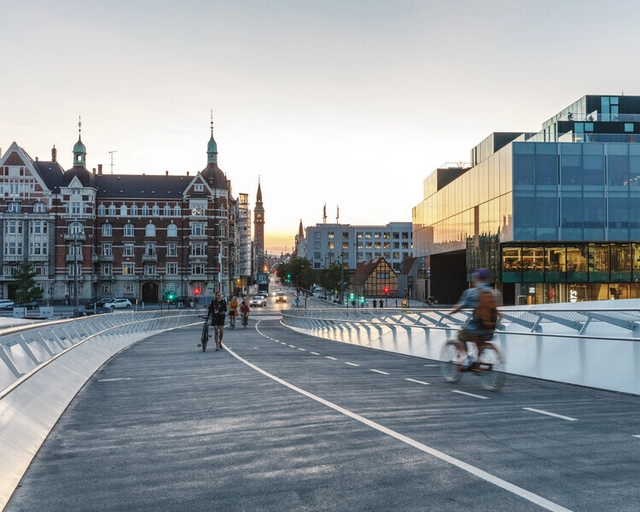
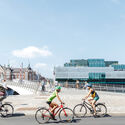
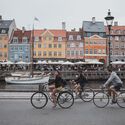
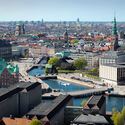
UNESCO has named Copenhagen the World Capital of Architecture for 2023, following Rio de Janeiro’s inaugural hold of the title. Besides hosting the International Union of Architect’s World Congress, the initiative also aims to highlight the path to a more sustainable future and the role architecture and urban planning play in achieving this goal. The title is awarded triannually.
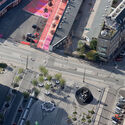
Denmark has continually topped the survey for the happiest countries, according to the World Happiness Report. For urban designers, Copenhagen, the capital of Denmark, has become one of the most cited case studies regarding carbon-neutral infrastructure, pedestrian and bike-friendliness, and the outstanding qualities of its public realm. According to the Dansk Arkitektur Center, over 10,000 architects are expected to visit Copenhagen in the following year, to join the guided tours, exhibitions, debates, and cultural events that put design and architecture in the spotlight.
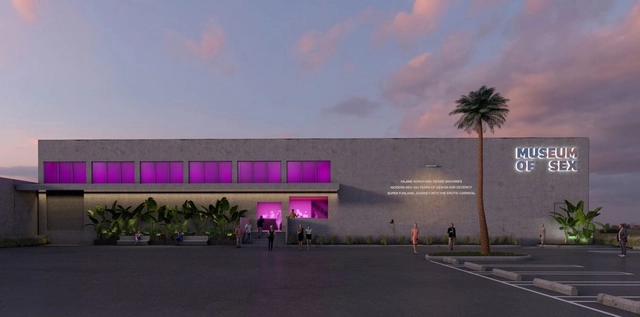
New York’s Museum of Sex announces its expansion to Miami in spring 2023 with a 3000-square-meters museum designed by the international studio Snøhetta. The converted warehouse will feature three extensive exhibition galleries, retail space, and a bar to preserve, present, and celebrate the cultural significance of human sexuality in one of the most vibrant and diverse arts communities in the USA. The inaugural program will include work by Hajime Sorayama and Super Funland: Journey into the Erotic Carnival, the museum’s main immersive experience.
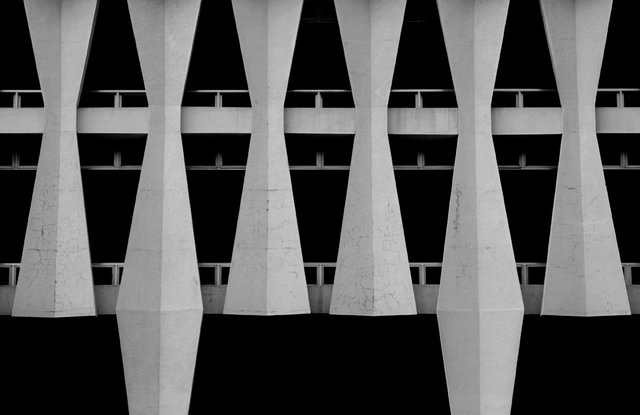
Raúl Monterroso is one of the referents when it comes to talking about the modern movement in Guatemala. Not only has he been a promoter of the preservation of the country's architectural legacy with his publication "The Guatemala City Guide to Modern Architecture", but he has recently collaborated with the Museo Experimental el Eco for its Re_vista 05 with a critical analysis titled "Modern dreams, magical realism and other fantasies of yesterday and today", which seeks to be a window for anyone to question and get involved with Guatemalan architectural values.
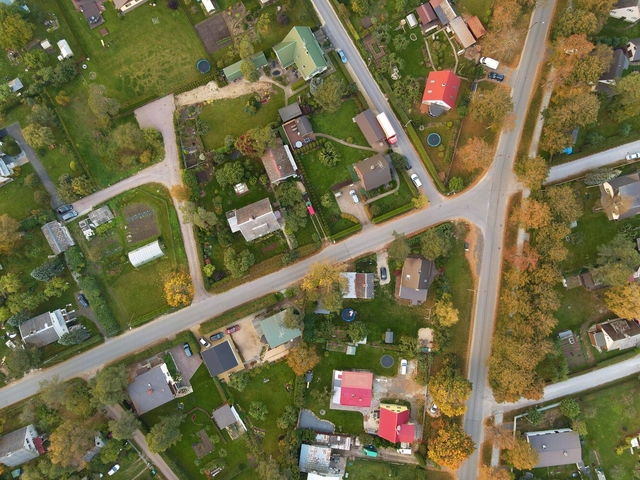
In an age of unprecedented globalization, our food supply chains — the institutions and mechanisms involved in food production and distribution — have become longer. So much so that they are hardly perceived as chains or systems. They have been integrated into our lives, and into our cities, and transformed our relationships with food. And yet, those very long food supply chains are implicated in some of our most pressing global problems, from food security and waste to biodiversity and climate change. These food supply chains have come to their current state, their current length, over decades, or centuries perhaps, through all sorts of political, social, cultural, and economic processes, and carry with them a range of burdens: vague producer-consumer relationships, and a host of negative environmental externalities, among many others.

In early December, the global winners of the International VELUX Award 2022 were announced, a competition for architecture students that celebrates the innovative and creative use of daylight in a broad range of different projects.
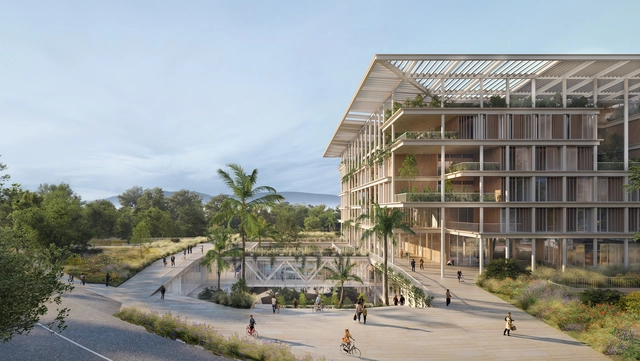
Sponsored by the Santa Fe de Bogotá Foundation (Bogotá), the Tatamá Foundation, and the Santo Domingo Foundation, the Tatamá Hospital Architectural Competition aims to improve the quality of healthcare services in western Colombia. With advisory support from the School of Architecture and Design at the Universidad de los Andes, the project involves constructing a healthcare complex covering approximately 36,000 m2 in an expanding area of the municipality of Pereira, Risaralda.
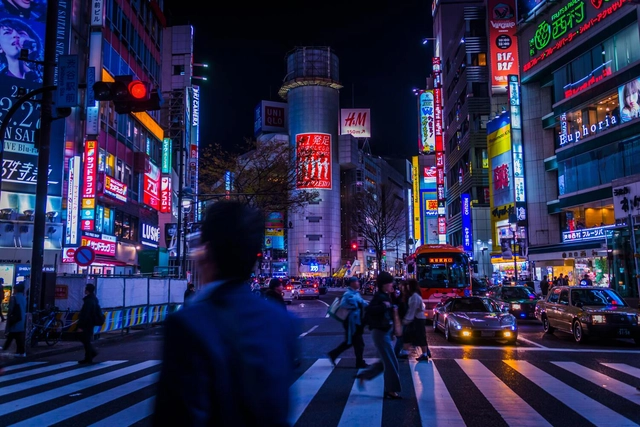
Cities evolve over countless years, each moment of change building up to larger societal and architectural shifts. Metropolises across the world are constantly subject to social, political, economic, or environmental forces that alter their fundamental identity - a character that is meant to be dynamic. As cities develop in size and impact, advancements in the understanding of cities and urbanism grow more complex.
Cities are formed from a sequence of narratives, characteristics, relations, and socio-spatial values that reflect the identity of the place. The livelihood of the city also depends on its people and a mutual relationship with them. Along with their communities and their circumstances, cities morph to reflect their residents' needs and values.
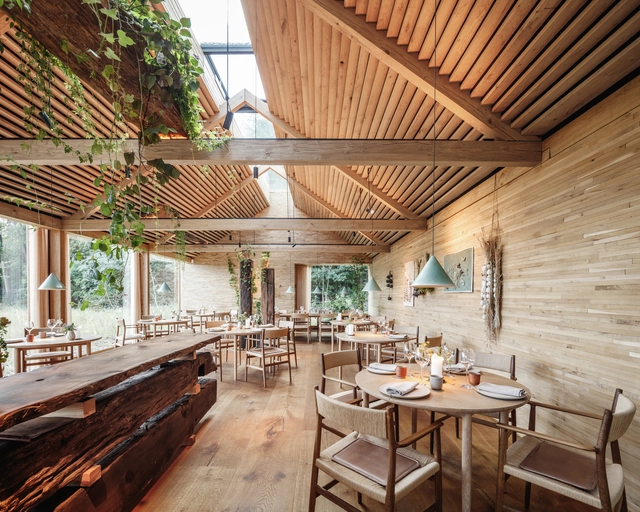
Through its New Nordic cuisine, the food scene in Copenhagen has been growing in popularity and is becoming a major appeal for inhabitants and visitors. Its rooted and seasonal gastronomy as well as its traditional convivial concepts make any food experience in the city a wholistic one as it is linked to the produce, the ambiance, and of course the setting. An enjoyable meal, in what is one of the happiest cities in the world, requires specific localization, design, and planning that can nurture communal and leisure activities. Such spaces should become even more coveted as Copenhagen hosts the UIA World Congress of Architects.
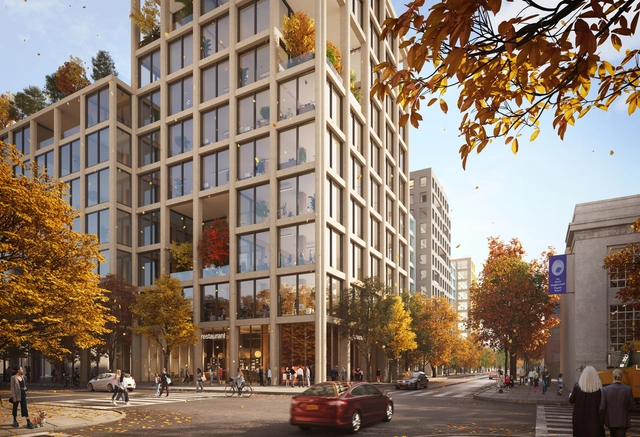
New York City Council has approved Innovation QNS, a neighborhood-focused initiative in Western Queens, designed by ODA. The five-block master plan generates two acres of open space, community health & wellness facilities, hundreds of affordable apartments, and thousands of jobs. The project was initiated in 2020 as part of New York's effort to recover from the impact of the COvid-19 pandemic, and it aimed to revitalize a largely dormant block area in Astoria, Queens, and transform it into a vibrant, walkable, and diverse creative district.
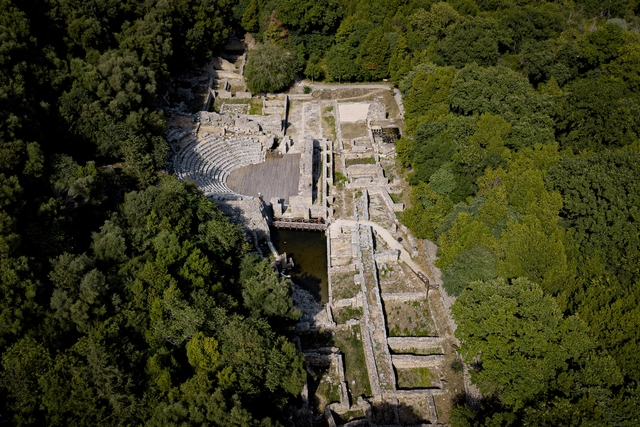
The Butrint Management Foundation (BMF) has revealed the four teams that will design the new visitor center for Butrint National Park, a UNESCO World Heritage Site on Albania’s Ionian coastline. Kengo Kuma & Associates, Lahdelma & Mahlamäki Architects, Philippe PROST / AAPP, and William Matthews Associates were selected to create concept designs for the 1,000m² visitor hub at the country’s most iconic cultural destination, home to artifacts and structures dating from the Iron Age up until the Middle Ages. The proposals will be judged in 2023, and the new visitor center is due to completion in 2025.


After Yang is a science fiction film written, directed, and edited by Kogonada - a South Korean-born American filmmaker known for his video essays on audiovisual content analysis. The main plot of the film follows the story of a family trying to repair their damaged artificial intelligence in a post-apocalyptic world connected by technology and nature.
Alexandra Schaller, in charge of production design and the appearance of the sets, imagined a future that translates these considerations: From the family house that recovers the original design by Joseph Eichler of the 1960s, going through the importance of outdoor space and vegetation, to each of the materials that had to be non-disposable, renewable or biodegradable.
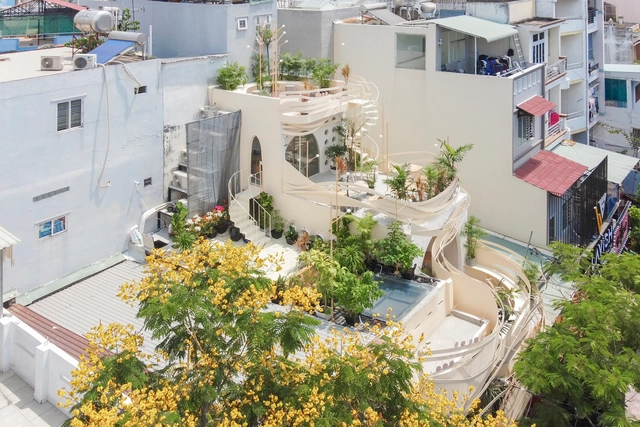
Whether it is for a break, relaxation, or even free wifi, coffee shops tend to host a series of situations that involve more than just enjoying a cup of coffee. A quiet and pleasant place, which in addition to everything else offers a good hot drink, is a great attraction for those looking for a coffee shop to spend a few hours.
In this sense, a landscape project that integrates greenery into these environments can significantly increase the comfort of customers, by easing temperatures and offering a barrier against atmospheric, noise and visual pollution. In addition, after the restrictions imposed by the Covid-19 pandemic, open spaces, with natural ventilation and gardens became priorities for many projects, including coffee shops.

On November 21, we celebrate World Television Day, a communication tool that has transformed social relations since its invention in the late 19th century and its industrial widespread adoption beginning in the 1920s. Since then, television programs—inheriting theatrical genres—emerged, evolved, and multiplied, taking center stage in daily life and sparking widespread curiosity about how they work. Among their various aspects, we explore the set designs and present the logic behind television environments.
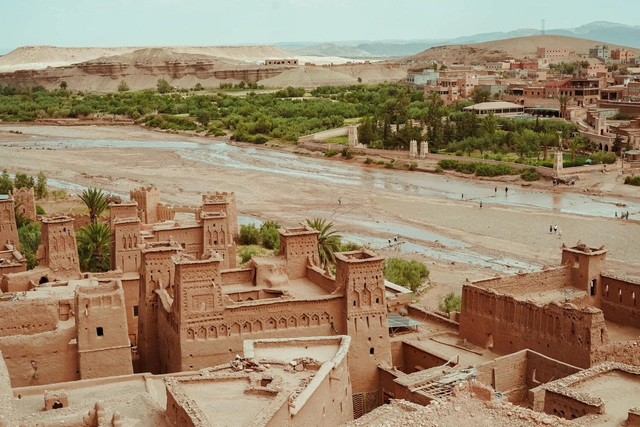
The world’s most primitive construction materials are being used to create the most advanced buildings. In light of environmental crises, architects are focusing their efforts in designing better built environments for people and the planet. The results may often seem ‘greenwashed’, failing to address the root of ecological distress. Environmentally responsible architecture must aim not to reverse the effects of the ecological crisis, but instigate a revolution in buildings and how we inhabit them. Essays from the book The Art of Earth Architecture: Past, Present, Future envision a shift that will be a philosophical, moral, technological and political leap into a future of environmental resilience.
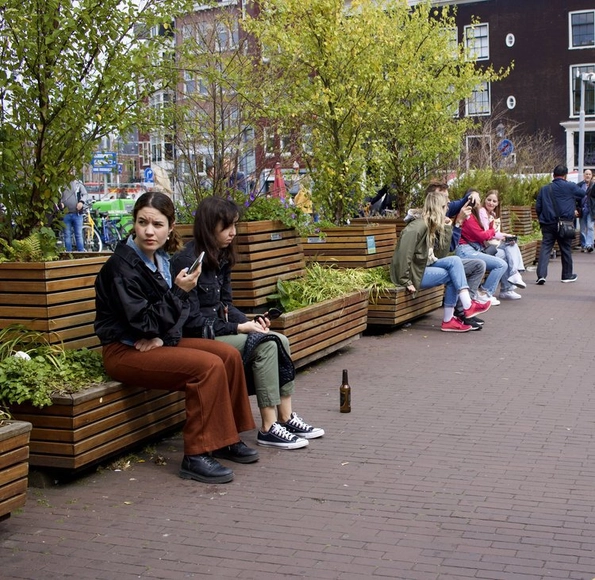
Teen girls are neither children nor adults, meaning they have specific needs and behaviours different from both these groups. Unfortunately, like many marginalized groups, these needs and behaviours have not been met or encouraged through our built environment as it has for others. For example, playgrounds are built for children to let off steam and sports courts that foster competition are targeted at men and teen boys.
Accordingly, not building public spaces with the needs of teen girls in mind allows other groups of people, predominantly men who already take up 80% of public spaces, to continue to dominate them. Making teen girls feel ten times less secure in public spaces. Not only does this absence affect their social, physical, and mental development, but it also complicates how they see where they belong in public spaces.
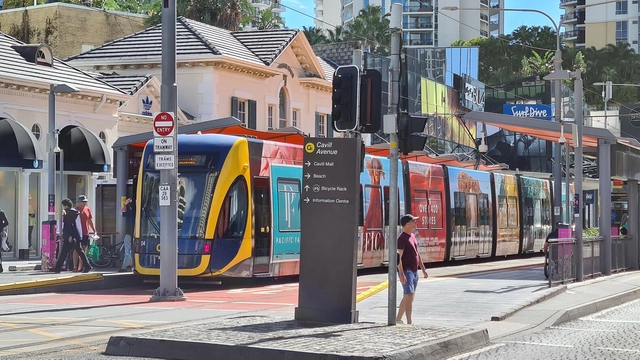
Cities have never been more engaged in climate action. At the 2021 UN Climate Change Conference (COP26), more than 1,100 cities representing a quarter of global CO2 emissions joined the Cities Race to Zero initiative. By doing so, these municipalities committed to ambitious, inclusive, and equitable actions to keep global temperature rise below 1.5°C. In November of this year, at COP27, these cities presented their progress and shared how they plan to deliver on their commitments.
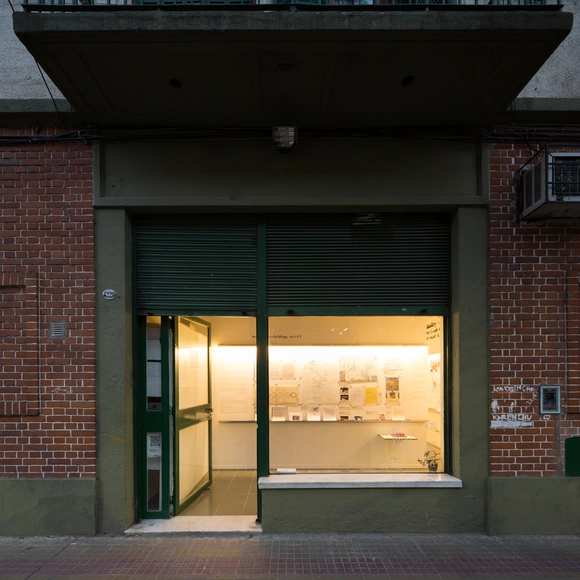
The experimental architecture and design consortium named Monoambiente is a curatorial project that aims to promote new perspectives on the discipline through thematic research across the different strategies that shape it. Founded 10 years ago as an exhibition gallery, it is defined by the involvement of numerous contemporary architects, designers, and institutions worldwide, where exhibitions have served as a testing ground and support for design research.
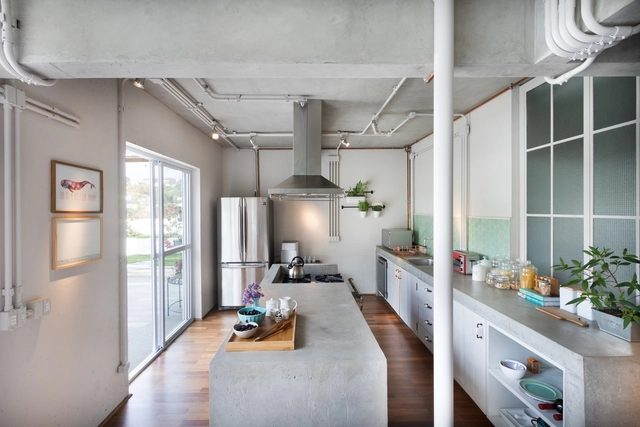
Islands have proved to be great favorites of contemporary kitchens, appearing in environments of different sizes, styles, and with different materials. Before installing a kitchen island, however, it is necessary to think about a few factors to make a better design decision.

Unconstrained by the dogmas of established offices, new architectural practices can often challenge building norms and redefine living standards. The Young European Architecture Festival (YEAH!) is an event dedicated to highlighting these new and emerging practices and bringing their contributions to the built environment into focus. Many of these practices are challenging and redefining typologies of residential architecture. They are building upon ideas such as cooperative housing schemes, community-initiated developments, and circular economy. Others are exploring local identities and resources as a way to reinvigorate the profession while creating respectful and regionally relevant works of architecture.
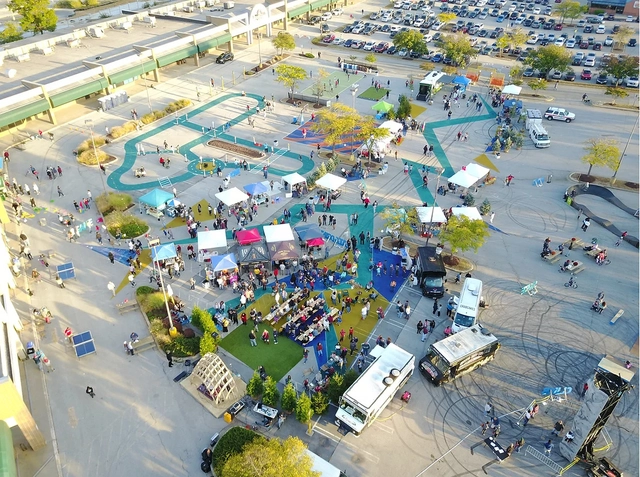
There are significant deficiencies in how our cities worldwide operate and serve the people who live in them. Bureaucracies, red tape, and other limiting processes that publicly drive our cities towards their futures are often the aspects that cause change to happen at such a slow pace that by the time an issue is addressed, five more have popped up in its place. Over time, society has come to accept that when the systems we have in place don’t do much to serve our needs, it forces us to turn to alternatives to advocate for change. Some urban issues have found the best solutions after initiating social movements and the formation of grassroots groups.
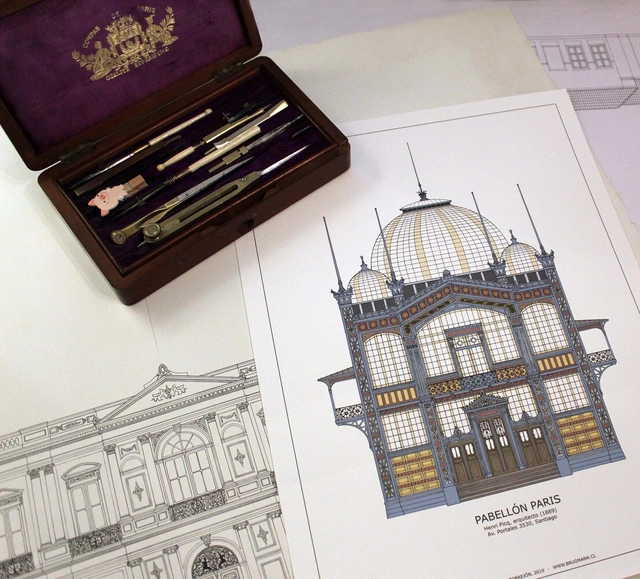
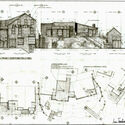
Patrimonio Ilustrado is a Chilean digital and analog project created by Mario Rojas Torrejón (holding a degree in Cultural Heritage Conservation and serving as Director of the Cultural Heritage Corporation of Chile) alongside Fernando Imas of Estudio Brugmann (a practice dedicated to the research, conservation, documentation, and dissemination of Chilean heritage). Within this framework, Rojas developed this subtle, precise illustration project that recalls traditional architectural drawing techniques to highlight the facades of prominent architectural works in Chile.