1. ArchDaily
  2. News

News

School of the Art Institute of Chicago Featured in Newest Episode of ByDesign

 | Sponsored Content

The most recent season of ByDesign –a television series that explores design, featuring the designers who bring ideas to life– returns with its sights set on the architecture of the United States. America ByDesign: Architecture will feature six of the US’s most significant architectural accomplishments, competing toward a finale to determine the ultimate winning design. Past ByDesign seasons have focused on New York, California, and Australia—and now, the series will zoom in on the Windy City and the School of the Art Institute of Chicago (SAIC).

From Frameless to Pivot: 20 Types of Windows for Architectural Design

Subscriber Access | 

When children first learn to draw a house, there are four basic components they illustrate: a wall, a pitched roof, a door and one or more windows. Along with the common structural elements, windows have always been considered to be indispensable architectural features for their multiple functions. While providing views, daylight and natural ventilation, these insulate from cold and heat, protect from external threats and enhance a facade’s appearance. They are also associated with a strong poetic or symbolic value; it is through them that we are able to connect with and enjoy our surroundings, be it a beautiful natural landscape or a dense urban environment. An expressive part of any building, windows serve as a visual bridge between the inside and outside, acting somewhat as a refreshing escape from our everyday routine.

From Frameless to Pivot: 20 Types of Windows for Architectural Design - Image 1 of 4From Frameless to Pivot: 20 Types of Windows for Architectural Design - Image 2 of 4From Frameless to Pivot: 20 Types of Windows for Architectural Design - Image 3 of 4From Frameless to Pivot: 20 Types of Windows for Architectural Design - Image 4 of 4From Frameless to Pivot: 20 Types of Windows for Architectural Design - More Images+ 17

The place of models in architectural representation

Subscriber Access | 

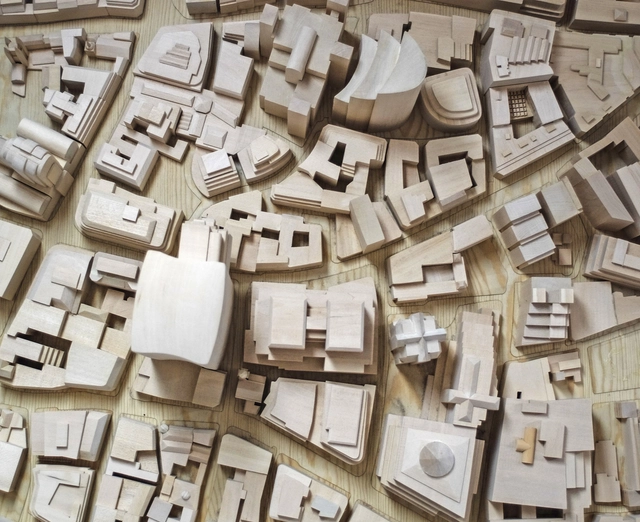
There is no doubt that architectural models are among the oldest forms of architectural representation. In the first episode of the year, Arquicast discusses this theme within the context of publications and debates on the training of new professionals. After all, models are ubiquitous: they are found in architecture exhibitions (often built exclusively for them), in museums as part of the exhibits, and in architecture offices, where they are typically finalized for the big presentation day.

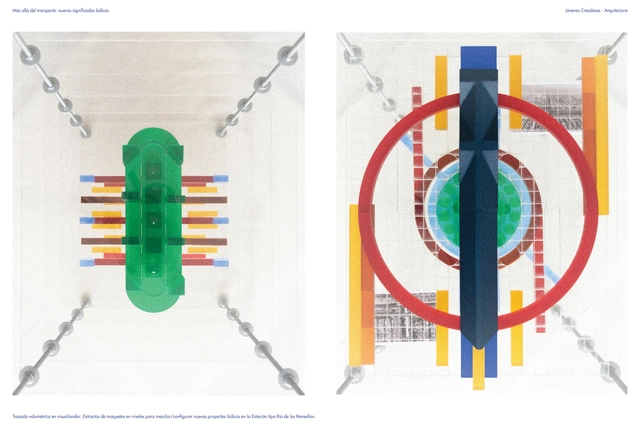
These are the architectural design projects from the "Jóvenes Creadores 2021-2022" program for FONCA.

Subscriber Access | 

Each year, the National Fund for Culture and the Arts (FONCA), through the National System of Art Creators (SNCA), honors key figures of excellence in national culture through the Young Creators Program. By providing grants, the program supports the creative and educational development of young Mexican artists, fostering favorable conditions for the execution of original, meaningful, and positive creative projects. For this edition, the grant recipients in the “Architectural Design” category were Ruy Berumen, Diego González, Juan José Kochen, Ignacio Pérez, Elsa Ponce, Luca Salas, and Tania Tovar, who worked under the mentorship of tutors Elena Tudela Rivadeneyra, Rafael Ponce Ortiz, and Patricia Ivonne Álvarez De Anda.

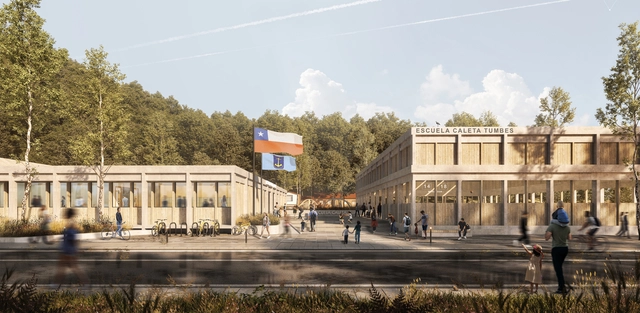
6280 Arquitectos Design a New School for Caleta Tumbes, Biobío Region

The community of Caleta Tumbes in the commune of Talcahuano, a few kilometers from Concepción, suffered severe damage from the 2010 Chile earthquake and tsunami. Nearly a decade later, the local municipality launched a public tender for the opportunity to rebuild one of the most affected structures, the F-495 School.

The winning project was designed by the firm 6280 Arquitectos, led by Pablo Arellano and Patricio Lopetegui. Below, the team describes the proposal in their own words.

Six Tips for Creating Compelling Design Proposals

 | Sponsored Content

Most architects are looking to win more work; not just higher-paying projects but those that allow them to unleash their creativity and passion. These opportunities can be won or lost on a professional's ability to communicate their design vision — so the proposal has to be on point. These tips from leaders in the design field can help architects win bids and create their dream projects. 

Northwest Native: Homes of the Salish Sea

Subscriber Access | 

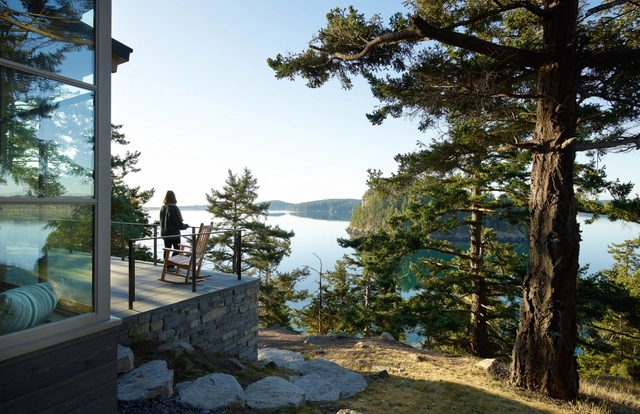
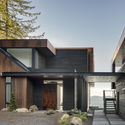
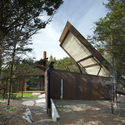
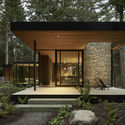
The Pacific Northwest is synonymous with rainy mountains, expansive coastlines and dense forests. Known for its majestic landscapes, the region has innate connections to the waterfront. Over time, these channels were referred to as the Salish Sea. Encompassing the Strait of Georgia, the Strait of Juan de Fuca, and Puget Sound, the intricate network of bays and inlets is bounded by British Columbia and Washington. Dotted with a number of major port cities, including Bellingham, Vancouver, and Seattle, the Salish Sea has also been home to many indigenous peoples.

Northwest Native: Homes of the Salish Sea - Imagen 1 de 4Northwest Native: Homes of the Salish Sea - Imagen 2 de 4Northwest Native: Homes of the Salish Sea - Imagen 3 de 4Northwest Native: Homes of the Salish Sea - Imagen 4 de 4Northwest Native: Homes of the Salish Sea - More Images+ 6

10 Ways to Make Struggling Downtowns Thrive

This article was originally published on Common Edge.

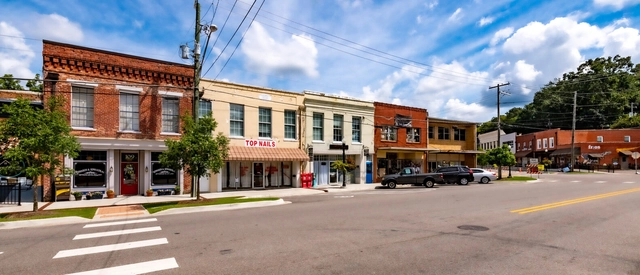
There are countless good bones in American downtowns across the country, but they’re seldom connected to enough good tissue to be filled with life. This post is on the 10 things needed to make downtowns thrive. And none are the usual suspects. I’ve omitted stuff everyone else talks about because many of you already know those things. 

10 Ways to Make Struggling Downtowns Thrive - Image 1 of 410 Ways to Make Struggling Downtowns Thrive - Image 2 of 410 Ways to Make Struggling Downtowns Thrive - Image 3 of 410 Ways to Make Struggling Downtowns Thrive - Image 4 of 410 Ways to Make Struggling Downtowns Thrive - More Images+ 6

Architecture and Ecology: On Restoring (and Creating) Wetlands

Subscriber Access | 

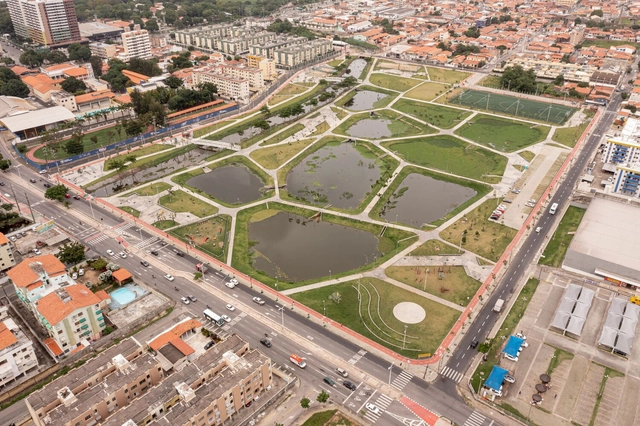
This February 2 marks another World Wetlands Day, held under the theme revitalize and restore degraded wetlands. The 2023 theme highlights that "if done correctly, these sites can offer the same benefits as the original natural wetland."

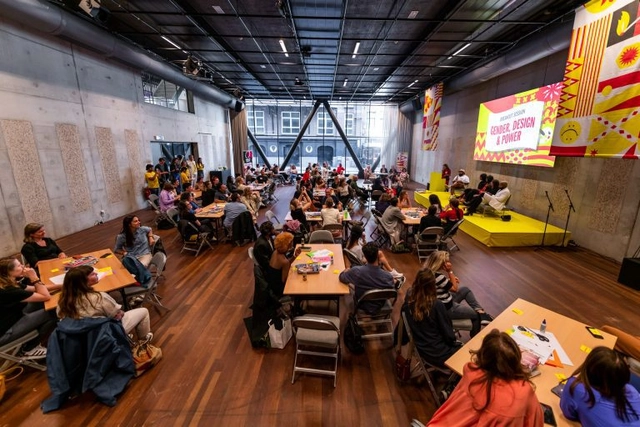
Circular Economy, Indigenous Innovations, and Architecture: Discover the Lecture Series from 'What Design Can Do Live Amsterdam'

Subscriber Access | 

As part of the agenda of What Design Can Do (WDCD)—an international organization that seeks to accelerate the transition to a sustainable and just society using the power of design—a series of events and conferences took place in Amsterdam during 2022, bringing together speakers from all over the world to present their projects and perspectives on the current challenges facing the design community today.

Discover the winning projects of the Concéntrico 09 Festival

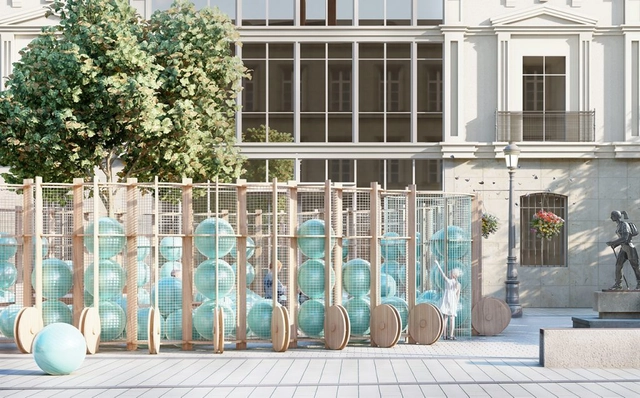
From April 27 to May 2, 2023, the Logroño International Festival of Architecture and Design, Concéntrico 09, will take place. Year after year, the festival reflects on the urban environment and cities through architectural and design proposals including installations, exhibitions, meetings, workshops, and other activities. This edition has announced the winners of the open calls for city installations, as well as the selected practices for the European Cities Ahead program and the new award from the Mayor's Office of Medellín.

URB Reveals Design for The LOOP, a 93-Kilometer Long Controlled-Climate Cycling Highway in Dubai

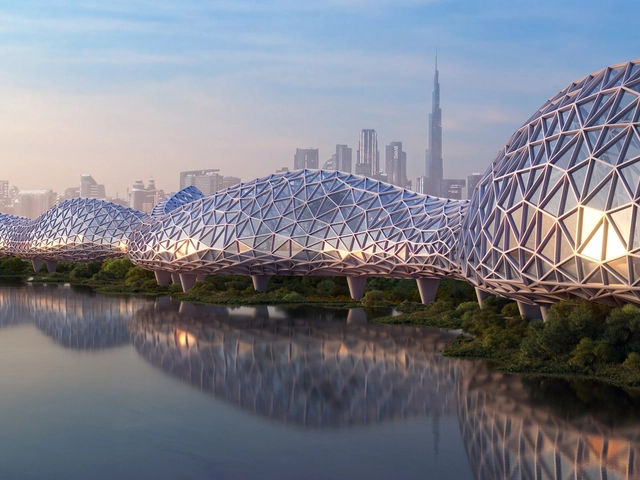
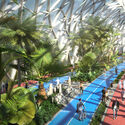
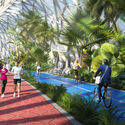
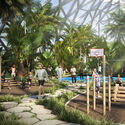
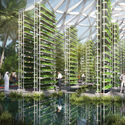
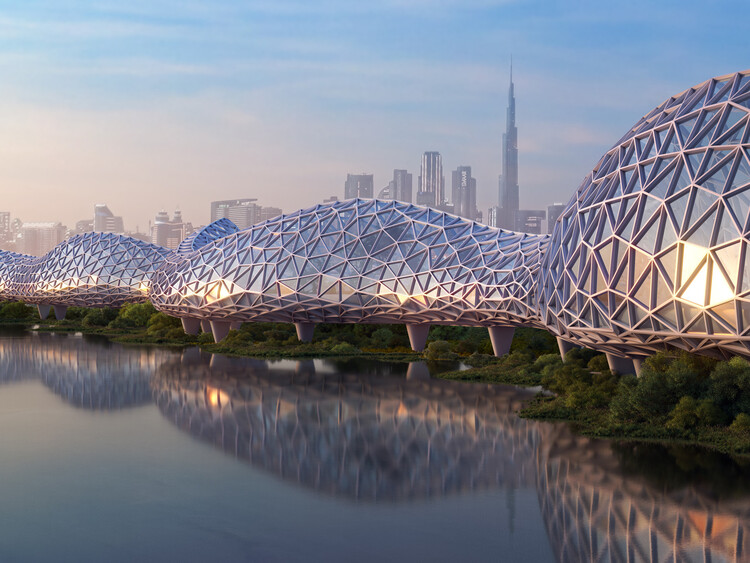
Designed by URB, The LOOP is a 93-kilometer-long sustainable highway that aims to encourage Dubai’s residents to opt for a healthy mode of transportation. The structure provides a climate-controlled all-year environment to make walking and cycling the preferred type of transportation in the city. The initiative aligns with Dubai’s 20-minute city initiative, which hopes to see 80% of Dubai’s residents commute to work by walking or cycling. The project is currently in the research and development phase.

URB Reveals Design for The LOOP, a 93-Kilometer Long Controlled-Climate Cycling Highway in Dubai - Image 1 of 4URB Reveals Design for The LOOP, a 93-Kilometer Long Controlled-Climate Cycling Highway in Dubai - Image 2 of 4URB Reveals Design for The LOOP, a 93-Kilometer Long Controlled-Climate Cycling Highway in Dubai - Image 3 of 4URB Reveals Design for The LOOP, a 93-Kilometer Long Controlled-Climate Cycling Highway in Dubai - Image 4 of 4URB Reveals Design for The LOOP, a 93-Kilometer Long Controlled-Climate Cycling Highway in Dubai - More Images

2023, Embarking on a Promising Journey | ArchDaily's New Year Plan

Subscriber Access | 

December 2019 marked the first COVID-19 case. By December 2022, the era of strict "Class A control for Category B infectious diseases" officially drew to a close.

Over the past year, stripping away our professional titles, we were simply individuals in endless PCR testing lines, participants in digital group-buying threads, and residents confined behind barricades and seals. We endured scorching heatwaves, grappled with political depression and existential dread, relied on ibuprofen to get by, and ultimately stood as witnesses to a turbulent, fast-shifting chapter of history.

In the world of architecture, this past year was defined by adversity: a generation of pioneering elders passed away during the harsh winter; outstanding design fees went uncollected; architects faced widespread unemployment; firms went bankrupt and dissolved; and university architecture programs struggled to fill their enrollment quotas. Day after day, we oscillated between burning out and checking out, caught in a perpetual cycle of anxiety.

Though some wounds remain unhealed, no one ever promised us an easy era. At this chaotic threshold, all we can do is persist in doing what we believe is right. Every architect is striving to address the challenges of our time through design—pioneering more open spatial concepts, mitigating climate change through sustainable architecture, and leveraging professional expertise to instill spaces with a sense of hope.

Over the past year, ArchDaily has published 4,669 built projects, 2,160 thematic articles, 323 competition announcements, and 258 exhibition listings. Focusing on platform expansion and fresh content, we also embarked on a series of historic firsts:

Thus, ArchDaily’s keywords for 2023 are: Embarking on a Grand Journey, Scaling New Heights

We aim to foster more dialogue, gathering the insights and collective strength of global designers to make our voices heard!


01 Designing Better Architecture, Telling the Stories Behind the Scenes

For too long, the focus has lingered solely on the spectacular “moments” of completed buildings, overlooking the countless days and nights poured into them by architects, contractors, and material suppliers. From the initial conceptual sketches to the final working drawings, and from selecting the perfect materials to the meticulous coordination on-site to ensure flawless execution—ArchDaily takes you behind the scenes of today's most successful architectural projects.

The Story Behind Ascent, the World's Tallest Mass Timber Building
Who Does Architecture Serve Today?
What Defines a Children’s Museum?
Challenging the Impossible: How Architectural Design Drives Technological Innovation
Foster + Partners on DJI Sky City: 8 High-Tech Metrics Revealing the Construction Process
The World's Largest Hybrid Timber Structure: Construction Report on the Swatch & Omega Campus
Step Inside the 'Golden Leaf' Hall with Sou Fujimoto | ArchDaily on the Road
More is More: When the Barcelona Pavilion Meets Timber
More Than Just Tallest Skyscrapers: Dubai's Ultimate Construction Museum


02 Solving Design Challenges

As a responsible design medium, we strive to be more than a mere showcase of projects. Through deliberate curation and thoughtful editorial planning, we voice our stance, prompting architects, industry practitioners, and society at large to reflect on systemic challenges in order to foster a healthier, more progressive industry.

What Challenges is Architectural Design Facing Today?
What Defines Good Interior Design?
In the Era of Urban Regeneration, How Do Pritzker Laureates Respond?
What are the Criteria for Architectural Awards?
22 Projects, 11 Interior Design Styles
Stop Demolition, Start Deconstruction
The Past and Future of Floating Cities
The First 'Disrupt' Architecture Business Symposium: A Gathering of Industry Giants
Winners Announced: 2022 ArchDaily Best New Practices
Best Architectural Collaborations of 2021
What is the Real Purpose of Architectural Biennials?
How Can Educational Spaces Express Equality?
How to Design Gender-Neutral Restrooms


03 Crafting a Better Living Environment

As the world adapts to living alongside COVID-19 and combating urban heatwaves, our dwelling patterns are undergoing a profound evolution. Today's homes must seamlessly balance living, working, and leisure. Consequently, designing greener, healthier, and more human-centric residences and lifestyles remains our enduring focus.

How to Cool Down Our Cities?
Chinese Housing and Lifestyles
Is Modularity the Future of Healthcare? OMA Reveals 'Al Daayan' in Qatar
Living on High: Why Are We Drawn to Altitudes and Rooftops?
Has the Garden Become a Privilege?
How to Design Housing on Complex, Constrained Urban Lots?
Can Everyday Workers Enjoy Green Spaces?
Working from Home: How to Design Transition Spaces?
9 Strategies for Healthier Living in Buildings and Cities
How to Design a Sustainable Home Life
Toward Green Capitalism
How Are World Cup Stadiums Cooled?
Can 3D Printing Reshape the Residential Construction Market?
How Real Estate Giants Shape the Development of New York City
Is Co-Living the Future of Real Estate?
What is the Future of the House?

Building History: German Museums Revealing Culture and Place

Subscriber Access | 

Museums reveal local and shared heritage. As cultural institutions embedded in the fabric of modern life, each museum serves as a window into history and human exchange. Made to promote understanding and provoke new ideas, these monumental buildings are inspired by spatial exploration. With some of the most influential museum projects in the world, Germany is home to a range of diverse institutions showcasing unique approaches to curating, taxonomy and spatial organization.

Building History: German Museums Revealing Culture and Place - Image 1 of 4Building History: German Museums Revealing Culture and Place - Image 2 of 4Building History: German Museums Revealing Culture and Place - Image 3 of 4Building History: German Museums Revealing Culture and Place - Image 4 of 4Building History: German Museums Revealing Culture and Place - More Images+ 10

The Challenges of Designing a Reusable, Floating Wooden Building

Subscriber Access | 

Everyone who has ever built anything—a model, a birdhouse, or small pieces of furniture—has a clear sense of the amount of things that can go wrong during the construction process. A screw that is impossible to tighten fully, a warped wooden board, an inattention or a miscalculation that can frustrate plans instantly. When we transport these small inconveniences to a building scale, with countless processes and many different people involved, we know how complex a work can become and how many things can get out of control, taking more and more time and requiring more and more resources to finish. And when we talk about a building that needs to float, be completely self-sufficient, and, after fulfilling its useful life, be completely reused—could you imagine the technical challenges of building something like this?

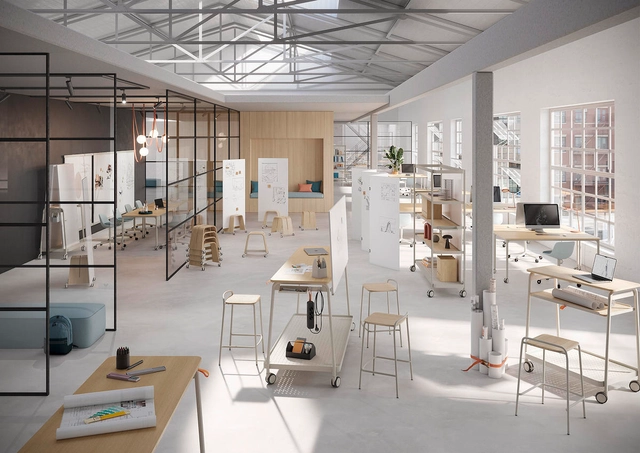
Stack, Hook In, Push: A New Modular System for Dynamic Offices

 | Sponsored Content

The last two years have turned society and its habits upside down. The working world, too, where hardly anything is the way it used to be. But this new start is proving to be a wonderful opportunity to rethink content and work processes and to reinvent oneself. Since last fall at the latest, it has been clear where this journey is headed. In October, the internationally active contract furniture manufacturer Brunner presented innovative design news that offers a solution to the issues and the changed situation.

Playing with Hues and Shades: The Power of Color in Building Facades

Subscriber Access | 

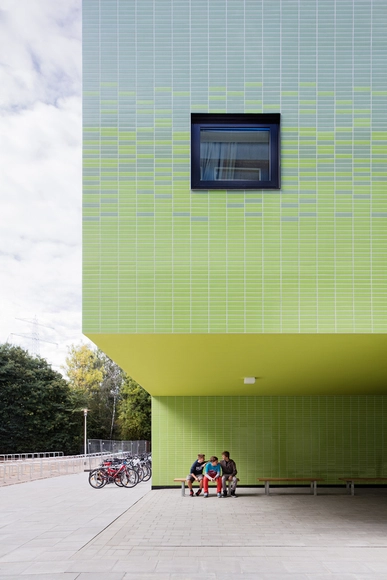
“Color is life; for a world without color appears to us dead.” Distinguished painter Johannes Itten described with these words the exceptional power of color in our perception of the world. As a sensory event, color not only defines what we see, but also how we feel and think; it has been shown to alter productivity, inspire decision-making, shape our perspective, and influence our well-being. Especially in architecture, these effects materialize and reach their maximum splendor. Design is, after all, a visual form of communication, and color palettes –coupled with light, shadow, texture and sheen– play a critical role in conveying a building’s message. They create the ambiance that supports the function of a space, completely transforming user experience. Even the greats have recognized this power: “Polychromy is as powerful an architectural tool as the plan and section,” Le Corbusier once said.

Playing with Hues and Shades: The Power of Color in Building Facades - Image 1 of 4Playing with Hues and Shades: The Power of Color in Building Facades - Image 2 of 4Playing with Hues and Shades: The Power of Color in Building Facades - Image 3 of 4Playing with Hues and Shades: The Power of Color in Building Facades - Image 4 of 4Playing with Hues and Shades: The Power of Color in Building Facades - More Images+ 18

Heatherwick Studio Unveils the Design for the Harley-Davidson Campus and Community Park in Milwaukee

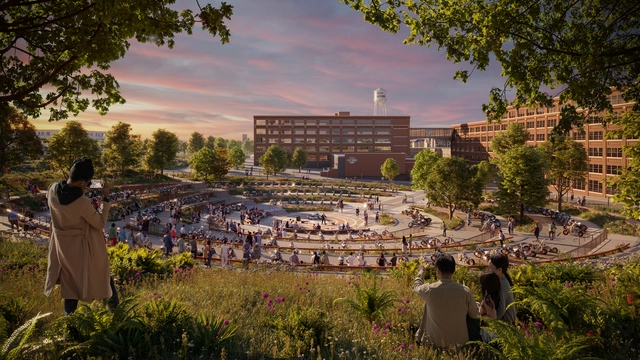
Heatherwick Studio has been commissioned to redesign and transform a central element of Harley-Davidson’s Headquarters in Milwaukee, US, the Juneau Avenue campus. The location is set to become a public park and green gathering space for the employees of the motorcycle company, as well as for the local community. In its center, the park features a large-scale amphitheater and sunken multi-use events space designed to be accessible to motorcycle riders. The project is set to break ground in 2023, with the park becoming available for use by the summer of 2024.

Cooling Interiors Will be the Architectural Challenge of the Future

Subscriber Access | 

According to the UN, more than 7000 extreme weather events have been recorded since 2000. Just this year, wildfires raged across Australia and the west coast of the U.S.; Siberia charted record high temperatures, reaching 100 degrees Fahrenheit before Dallas or Houston; and globally, this September was the world’s hottest September on record. As the effects of the climate crisis manifest in these increasingly dire ways, it is the prerogative of the building industry – currently responsible for 39% of global greenhouse gas emissions – to do its part by committing to genuine and sweeping change in its approach to sustainability.

One of the most challenging aspects of this change will be to meet mounting cooling demands in an eco-friendly way. Cooling is innately more difficult than heating: any form of energy can become heat, and our bodies and machines naturally generate heat even in the absence of active heating systems. Cooling does not benefit equally from spontaneous generation, making it often more difficult, more costly, or less efficient to implement. Global warming and its very tangible heating effects only exacerbate this reality, intensifying an already accelerating demand for artificial cooling systems. As it stands, many of these systems require large amounts of electricity and rely heavily on fossil fuels to function. The buildings sector must find ways to meet mounting demand for cooling that simultaneously elides these unsustainable effects.

8 Opinions on the Architecture of 2022

If the last pandemic year was a perfect occasion to reflect and debate on wellness and digitalization, this 2022 was a tremendous opportunity to deepen and comment on some other of the most pressing issues in architecture: from carbon neutral construction to the democratization of design. Along this line, with each of the different topics that ArchDaily develops each month, we asked an open question for you -our dear readers- to actively join in with the contribution of your experiences and knowledge.

After reading and compiling a huge number of messages received, from construction professionals, students, and architecture enthusiasts, it is time to present a summary of the main positions on each topic. Thank you very much for your opinions and we look forward to your comments for 2023! 

New Orleans’ Equity-Driven Reforestation Plan

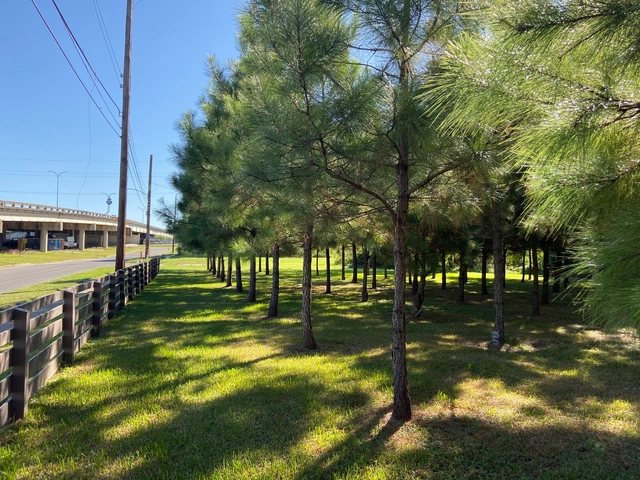
New Orleans experiences the worst urban heat island effect in the country, with temperatures nearly 9 F° higher than nearby natural areas. The city also lost more than 200,000 trees from Hurricane Katrina, dropping its overall tree canopy to just 18.5 percent.

The non-profit organization Sustaining Our Urban Landscape (SOUL) partnered with landscape architects at Spackman Mossop Michaels (SMM) to create a highly accessible, equity-focused reforestation plan for the city that provides a roadmap for achieving a tree canopy of 24 percent by 2040. But more importantly, the plan also seeks to equalize the canopy, so at least 10 percent of all 72 neighborhoods are covered in trees. Currently, more than half of neighborhoods are under the 10 percent goal.

New Orleans’ Equity-Driven Reforestation Plan - Imagem 1 de 4New Orleans’ Equity-Driven Reforestation Plan - Imagem 2 de 4New Orleans’ Equity-Driven Reforestation Plan - Imagem 3 de 4New Orleans’ Equity-Driven Reforestation Plan - Imagem 4 de 4New Orleans’ Equity-Driven Reforestation Plan - More Images+ 3

Construction Progresses on VM20, the New University of Chile Building in Santiago

Subscriber Access | 

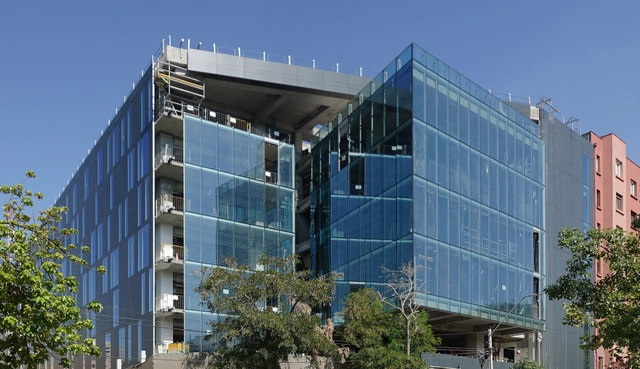
Vicuña Mackenna 20 (VM20), located steps from the Baquedano Metro station in the heart of Santiago, is a new project by the University of Chile. It aims both to become a hub for artistic and cultural outreach and to impact the public space recovery plan in the capital's central area.

The ArchDaily 2023 Building of the Year Awards

Subscriber Access | 

The 14th edition of the ArchDaily Building of the Year Awards is here and once again we reach out to you, our community, to evaluate the projects and select the winners.

This year, we have over 4,500 projects nominated across 15 different categories. From Residential, to Commercial or Public, each category showcases the very best in innovation, sustainability, design and functionality. The projects curated by our team have made a significant impact on the built environment and deserve recognition for their excellence.

As a member of our community, we would like to first invite you to take part in the selection process by casting your vote for the building that you believe deserves to be named the winner in each category.

Don't miss this opportunity to have your say in the architecture world, and help us celebrate the best and most innovative in the industry. Cast your vote today and together let's recognize the best buildings of the year.

The ArchDaily Building of the Year Awards is brought to you thanks to Dornbracht, renowned for leading designs for architecture, which can be found internationally in bathrooms and kitchens.


ArchDaily and the World of Architecture in 2023

Subscriber Access | 

As we dive into 2023 and start the Year of the Rabbit, we share with you a few thoughts of what the past year brought to us, and how we prepare for this new season.

During the past year we expanded our network as part of DAAily platforms, and with the future of the built environment as our mission, we became more aware on how to bring it to our daily content, considering how most of the challenges we are facing are converging into it. From the housing and energy crisis, to inequality, migration and war, everything is converging into the built environment, and we cannot abstract ourselves from it.

As architecture becomes a wider issue and more people not only become interested, but want to engage with it in an active way, we took the responsibility to open its black box and build bridges through knowledge by answering the challenging question of What is Good Architecture? in our first book, “The ArchDaily Guide to Good Architecture” together with gestalten.
You've started following your first account!

Did you know?

You'll now receive updates based on what you follow! Personalize your stream and start following your favorite authors, offices and users.