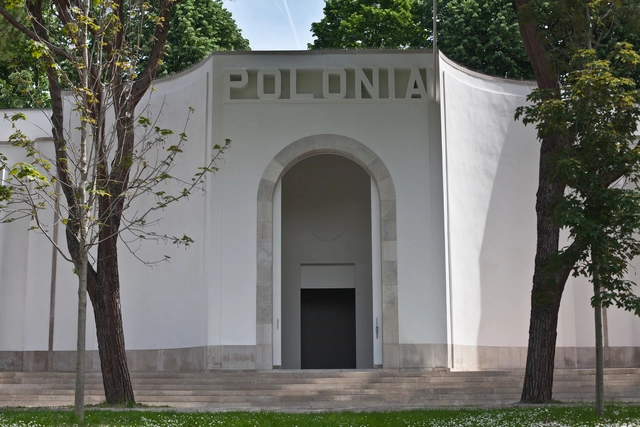
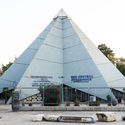
The Polish pavilion will present Datament at the International Architecture Exhibition – La Biennale di Venezia. The installation will allow visitors to experience data in its physical form. The core aim of the exhibition is to showcase how prevalent data has become, shaping the reality in which we live, create, and dwell. Created by Anna Barlik, Marcin Strzała, and Jacek Sosnowski, Datament is the starting point for discussing how data and new technologies will play a crucial role in the future.
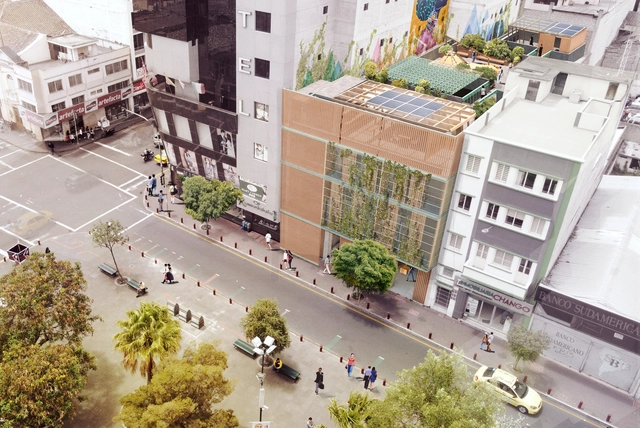
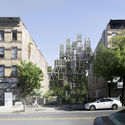
RAMA Estudio has won a competition organized by the Ecuadorian Ministry of Urban Development and Housing (Miduvi) to transform public buildings into social housing. "Casa Cevallos" seeks to give a new face to the Miduvi Tungurahua building, located in front of the Cevallos Park in Ambato, Ecuador, incorporating 16 apartments for 45 inhabitants through 7 adaptable typologies.
No matter how long, how far, or how restful a trip away is, one of the most relaxing moments of any vacation is when you get home. When every muscle in the body relaxes as you collapse into your own chair, greeted by the comforting features of a home you didn’t previously realize you missed.
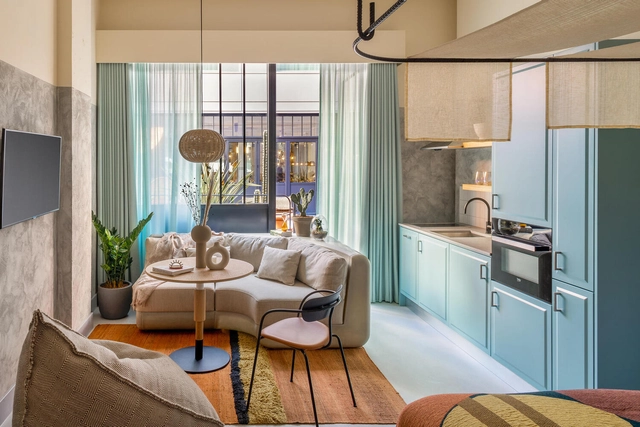
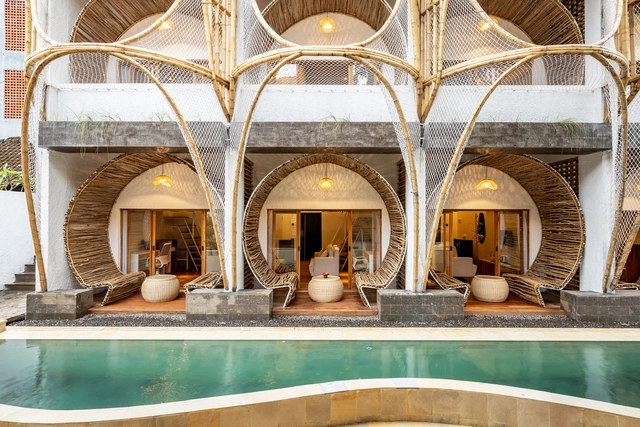
After the rise of Airbnb and other likeminded travel accommodation sites and services, providing real homes –or at least characterful spaces dressed up as them– to travelers searching for more familial home comforts, hoteliers, designers, and architects are taking note, and implementing features that turn the hotel room into a home away from home.
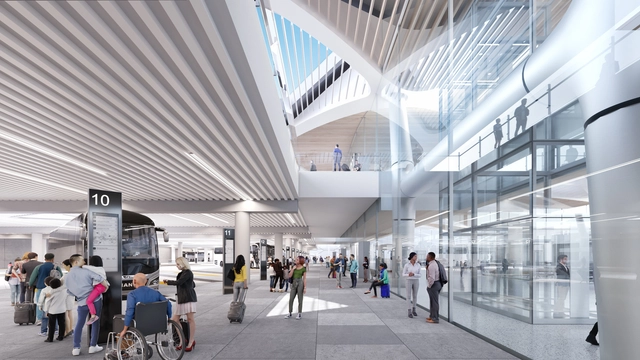
Union Station Expansion Design. Image Courtesy of Grimshaw
Cities that rely on the use of private cars experience a variety of problems- long commutes to and from work, endless traffic jams, and an increase in pollution. While it seems like cars are the most reliable option to take us from place to place, city planners are frequently promoting the benefits of public transit, and the development of communities that are centered around many forms of public transportation. Many cities are growing faster than they were initially planned. As a result, roadways have expanded, land is being transformed into massive parking lots, and connections between communities are growing farther apart.
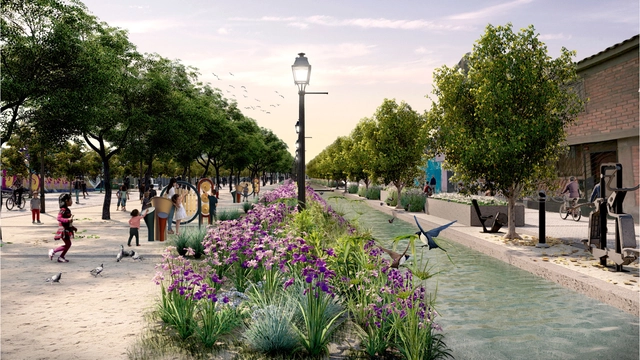
Figure 10. Proposal for Sancho de Rivero Avenue with the contemporary canal. Image via Proyectos Espacio Público- PROLIMA
As part of the 66 interventions planned under the Rímac River Special Landscape Project (PEPRR)—and developed by the Public Space Projects team at PROLIMA (Program for the Recovery of the Historic Center of Lima)—the Monserrate Canal Promenade and Plaza project in the Historic Center of Lima seeks the comprehensive revitalization of the historic Monserrate neighborhood. By highlighting the archaeological heritage of the canal, the project aims to integrate the memory of the historic landscape and the identity of its residents into the public space.
https://www.archdaily.com/1136158/monserrate-canal-promenade-and-plaza-renaturalization-and-water-memory-in-a-traditional-neighborhood-of-downtown-limaLidia Espinoza, Varinia Prada y Susana López
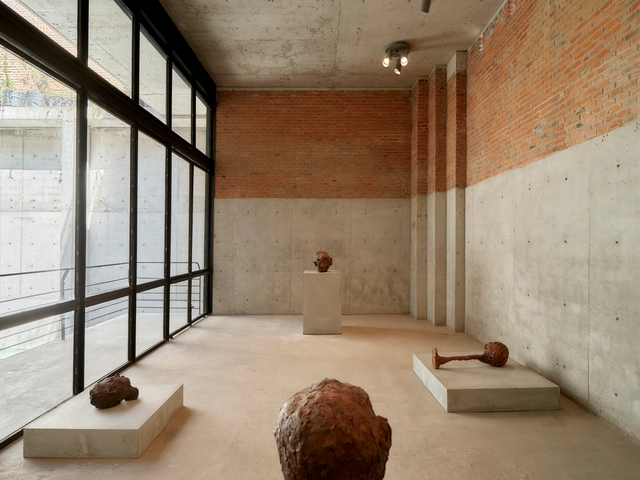
The artistic practice of Bosco Sodi has opened a new space in Mexico City that houses Sodi's new studio while serving as an extension of the Fundación Casa Wabi. This venue, named Sabino 336, was first unveiled during Art Week 2023, coinciding with Sodi's exhibition "Alabanzas" at the Galería Hilario Galguera. Curated by Dakin Hart, the exhibition showcased works from the artist's personal collection.
Dramatic societal transformations- such as pandemics and technological advancements - call for dramatic shifts in lifestyles. Architects keep up by exploring and proposing new models of housing, each iteration catering to society’s latest needs. The co-living model is one such example that has become a roaring success over the past few decades. Redefining the way people live, co-living seeks to provide a form of cost-effective social housing. Although widely targeted at younger generations, the co-living industryis evolving to cater to various niche groups.
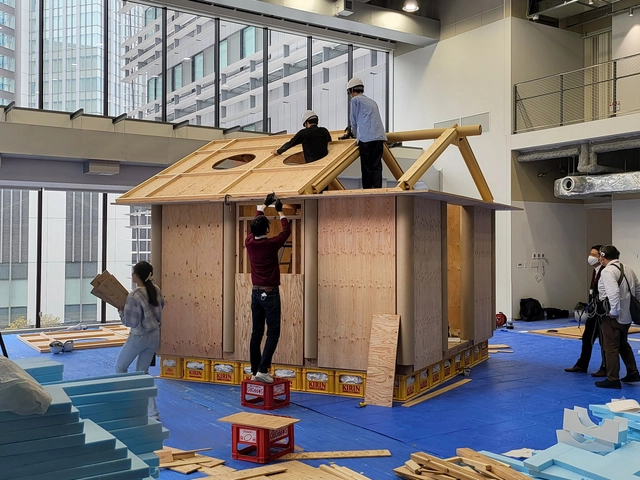
Shigeru Ban Architects, in collaboration with Voluntary Architects’ Network, has developed an improved version of the temporary housing developed to help those affected by the recent Turkey-Syria earthquake. The new prototype represents an upgrade of the paper tube system deployed in northwestern Turkey after the 1999 earthquake. This new version takes into consideration matters of efficiency and the need to minimize construction time on site.
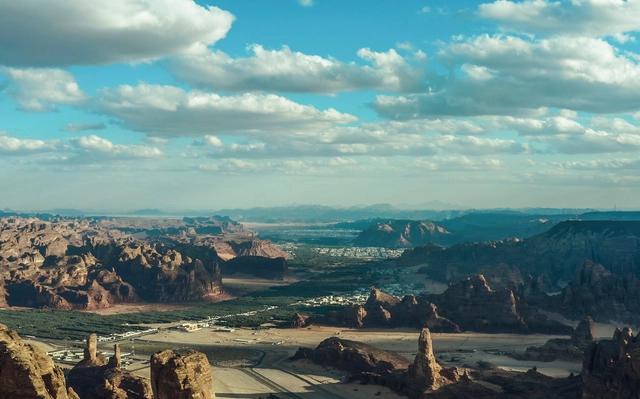
AlUla Oasis. Image Courtesy of Royal Commission of AlUla
The Centre Pompidou is an arts and culture institution that has been present in Paris since the late 1970s. It houses the Public Information Library, the largest museum for modern art in Europe, and a center for musical research. This month, the institution signed a partnership agreement to create a museum of contemporary art in Saudi Arabia with the Royal Commission of AlUla (RCU). Additionally, the establishment signed a similar partnership agreement to develop a modern and contemporary museum in Seoul, South Korea, with the Hanwha Culture Foundation.
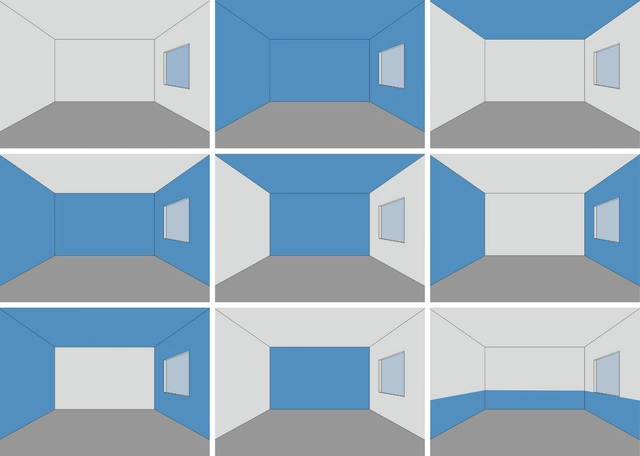
Humanity spends more and more time inside, whether at work or at home - with studies showing that we now spend 87% of our lives indoors. Pleasant environments positively influence the mood and well-being of its occupants, just as poorly lit, uncomfortable places can make lives miserable. That is why the craft of interior design is so important, even if it is often considered minor by some professionals. When designing an interior, the architect has the power to alter important variables, be it artificial lighting, natural light, proportions, or materials - with all such elements influencing the experience that occupants will have in a space.
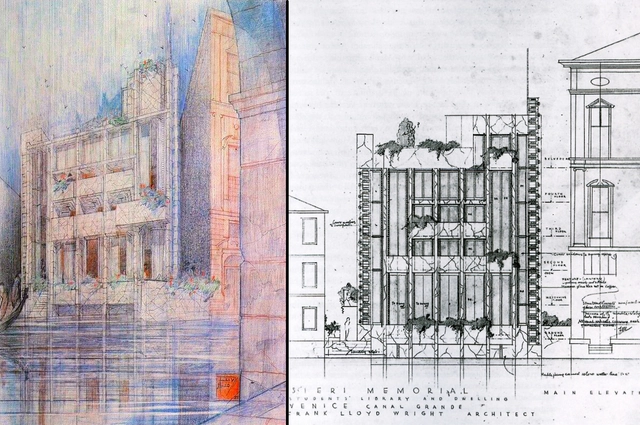
Masieri Memorial, Frank Lloyd Wright, 1952. Public domain image
The history of architecture is filled with remarkable unrealized hypotheses, whether due to infeasibility, conceptual radicalism, or other specific factors. Even when conceived by the field's most prestigious minds, these ideas never overcame the inevitable constraints of material reality, nor could they be adapted to make them viable, even partially. Yet, the significance of these projects goes beyond the tangible. Beyond enriching the profession's intellectual heritage, these once-abandoned proposals were—and still are—a catalyst for reflection and a source of inspiration for diverse artistic approaches.
https://www.archdaily.com/1136103/how-a-comic-book-brought-an-unbuilt-work-by-frank-lloyd-wright-to-lifeJoão G. Santos
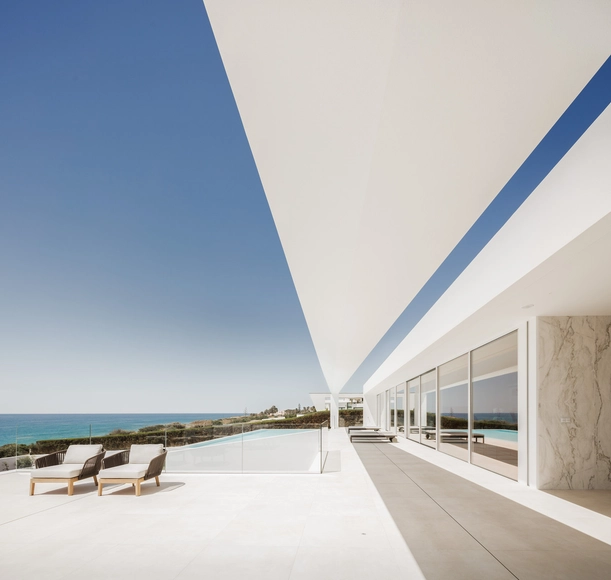
With a coastline of 832 kilometers facing the Atlantic Ocean, Portugal has a long and deep relationship with the sea, which was for many centuries considered the country's main means of communication with the rest of the world. Today, the Portuguese coast attracts millions of tourists every year from across Europe and around the world, who arrive in search of warm weather and beautiful seaside scenery. The main destinations are the southern beaches which are warmer than in the North however, the number of tourists has increased throughout the entire country over the past decade.
Reflecting on contemporary housing is perhaps one of the most compelling and relevant undertakings of our time. In a rapidly changing world—where technology advances at a breakneck pace, populations grow, and resources become increasingly scarce—it is vital to reconsider how we live and how we can do so better.
Located 108 kilometers to the south of Tel Aviv, Beersheba (Be'er Sheva) is one of Israel's oldest cities. Although in existence since biblical times, military campaigns and occupations have seen it destroyed and rebuilt throughout the centuries, resulting in the juxtaposition of various time periods and cultures that can be seen throughout the city. One of Beersheba's principal transformations happened during the population boom of the 1950s sparked by the formation of the State of Israel in 1948. To keep up with the need for housing, the government rebuilt and expanded the city, which soon transformed from a small military outpost of 4,000 people to a vibrant urban center in the middle of the Negev Desert.
To calculate the amount of CO2 emitted by each country, the traditional method considers emissions from each sector of a nation's economy using a “bottom-up” approach, relying on data collected on the ground. However, a new approach to answering this question utilizes satellite data from NASA.
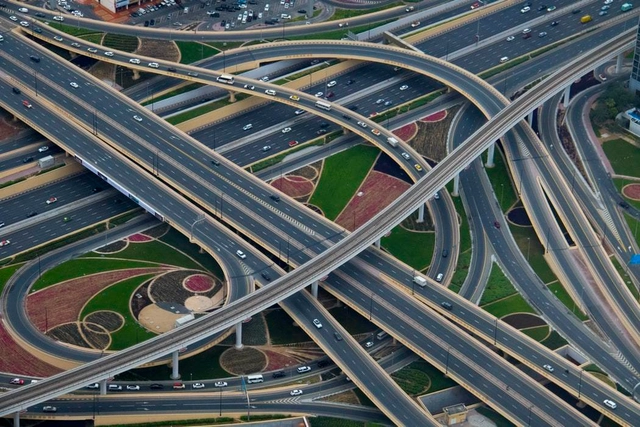
Countries around the world have urban, suburban, and rural problems- and it’s all connected by the problem itself. There are too many highway systems. In some cities that are notoriously known for their traffic jams, like Los Angeles, Minneapolis, and Atlanta, there are almost five miles of road per every 1000 residents. This has also impacted how some forms of public transit, like rail cars and busses, operate, significantly reducing their efficiency. So why do we build these superhighways, and how can we fix their congestion?
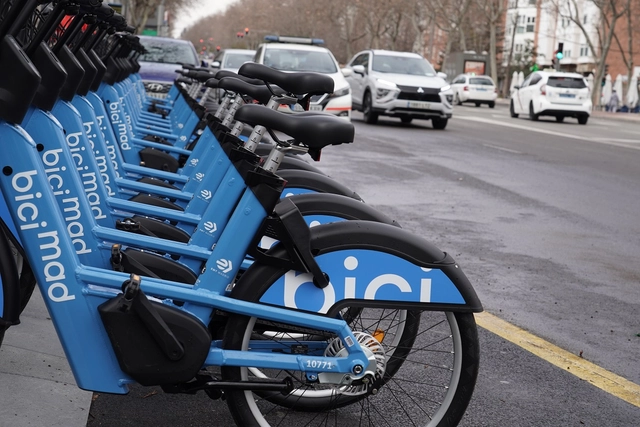
The new bike fleet is being gradually rolled out. Photo: Madrid City Council
The Madrid City Council aims to encourage bicycle use as a means of transportation. To this end, the city has operated BiciMAD since 2014—a public bike-sharing system integrated into the Spanish capital's transit network. Now, the program will be free for trips of up to 30 minutes.
When you come to think of it, most of the food on your plate has a history behind it - a long journey that we are unable to describe. In her book Food Routes: Growing Bananas in Iceland and Other Tales from the Logistics of Eating (2019), Robyn Shotwell Metcalfe refers to the paradox of fish being caught in New England, exported to Japan, and then shipped back as sushi, revealing a large and complex network that nobody can see when they buy takeout Japanese food at the local grocery store.
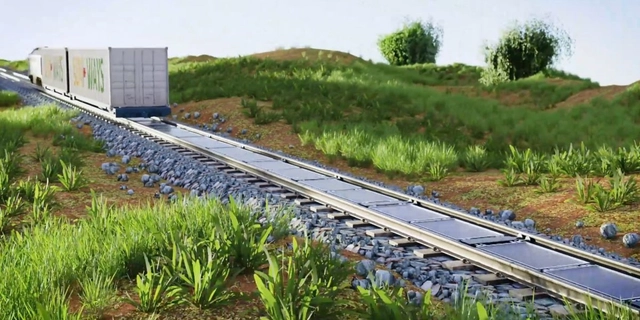
Pre-assembled, the panels are removable. Image: Sun-Ways
Solar energy is one of the fastest-growing energy sources in the world. Going beyond rooftop installations or large power plants, various innovations are emerging to harness the power of sunlight. One such recent initiative is being developed by startup Sun-Ways, which will install removable solar panels along railway tracks in Switzerland.
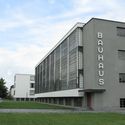
Architectural education has always been fundamentally influenced by whichever styles are popular at a given time, but that relationship flows in the opposite direction as well. All styles must originate somewhere, after all, and revolutionary schools throughout centuries past have functioned as the influencers and generators of their own architectural movements. These schools, progressive in their times, are often founded by discontented experimental minds, looking for something not previously nor currently offered in architectural output or education. Instead, they forge their own way and bring their students along with them. As those students graduate and continue on to practice or become teachers themselves, the school’s influence spreads and a new movement is born.
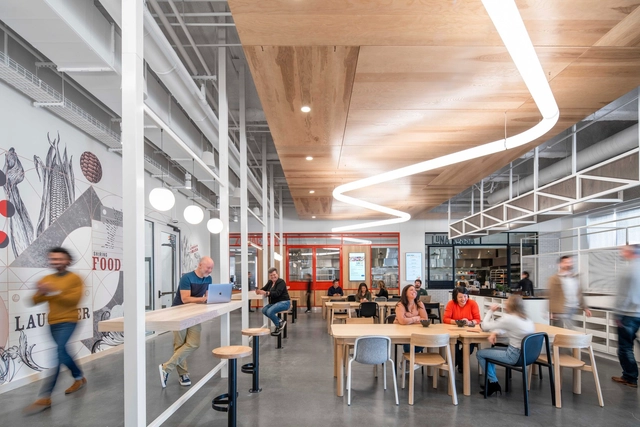
As part of a research project by the Gensler Research Institute, the first Gensler Mexico Workplace Survey was conducted in late 2022. The study aimed to highlight the fundamental role the office plays in facilitating face-to-face meetings with colleagues and clients. The findings presented below reveal key shortcomings in current office workspaces. Furthermore, they foster a better understanding of the characteristics that make workplaces efficient, functional, and engaging, offering insights to rethink user experience design. Ultimately, this presents a clear opportunity to enhance both individual and collaborative work.
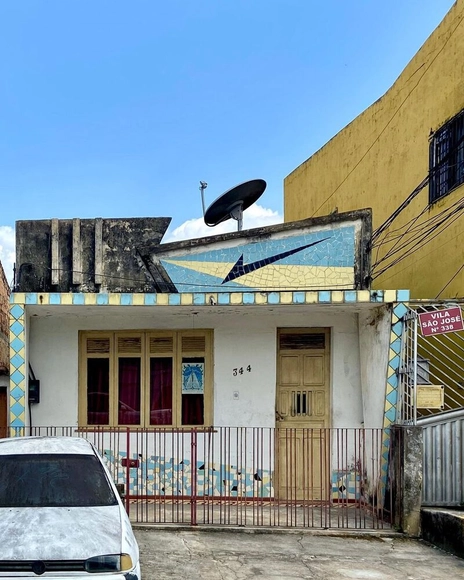
Modernism in Brazil was shaped by various facets and conceptions of progress. In architecture, one of the primary aesthetic languages used to express this was ceramic tile panels, as seen in the work of artists such as Athos Bulcão, Cândido Portinari, and Burle Marx.
In the northern region, specifically in the state of Pará, the Modernist movement arrived adapted to local standards. This was reflected in the widespread use of parapets to conceal roofs, gardens featuring native plants, wooden window frames, and facades clad in ceramic tiles, among other features. Furthermore, engineers and architects of the era, such as Ruy Meira and his nephew Alcyr Meira, designed several murals across the region using both whole and broken tiles.
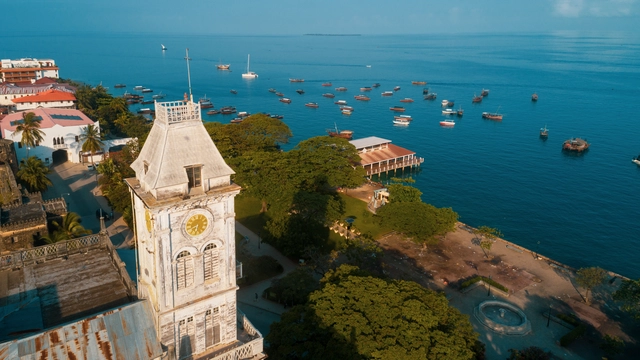
Light — how we perceive the world around us — is an integral, emotive architectural element. Access to light is enhanced and limited in an architectural capacity globally, with architects of expensive tropical dwellings celebrating sunny vistas with expansive glazing, while a wide range of art galleries reject light in its natural form, eliminating it in adherence to the sensitive exhibit requirements of art pieces. Light in an architectural and urban sense is also highly symbolic, evident in the many metropolises of our world, but where this symbolism takes on an interesting dimension is in the archipelago of Zanzibar.