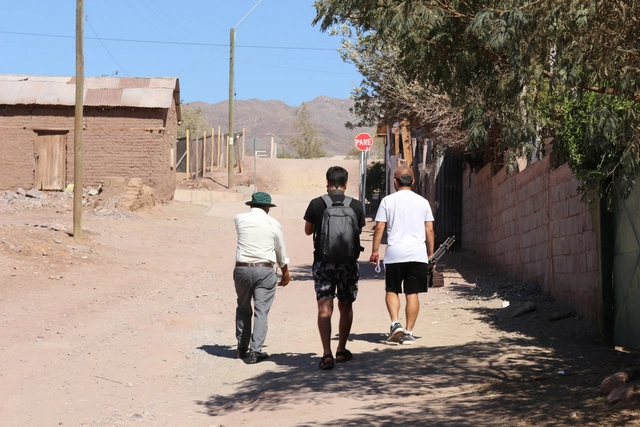
Walking through rural communities in Chile today, it is clear that from a pedestrian perspective, these areas are growing through the application of urban design elements. There is a clash between two realities: on one hand, the historical practices of the residents themselves, and on the other, the introduction of standardized urban development.
Alongside their own ways of life, local residents have been forced to adapt to standardized territorial growth, excluded from decision-making processes regarding interventions in their pedestrian environment. Regulatory frameworks are the tools used by direct operators to intervene in the rural sphere. Generally, the resident—the central subject of social policies—remains a passive and uninformed actor regarding these regulatory frameworks (Tapia, 2007).
*This article was submitted by Felipe Aguilera through our call for submissions for architectural research.






























.jpg?1555434139 "Koshino House, Ashiya-shi / Japan. Image © Kazunori Fujimoto")