Content Editor at ArchDaily Mexico. Architect by UNAM (2018). Her interests focus on exploring the relationship of the body with architecture through dance. She has collaborated with different international choreographers who explore dance and architecture as an event. Twitter / Instagram: @monicarellano_
The Royal Academy has named Mexican architect Gabriela Carrillo as the overall winner of the Royal Academy's Dorfman Prize 2023, an award that rewards architecture from around the world, looking towards the future of architecture and architectural practice. Taller Gabriela Carrillo was selected in recognition of the clarity and precision of her work.
There are several reasons why Colima is a Mexican state of relevant cultural wealth, one of them is due to its climate and orography where beaches such as Manzanillo and the Colima volcano are sheltered, facilitating tourism in this region. Moreover, the rich pre-Hispanic history signed on archaeological sites such as "El Chanal", "La Campana" and "Meseta de la Hierbabuena", as well as some important haciendas (farms) such as the Hacienda de Nogueras, Hacienda del Carmen and Hacienda San Antonio.
Pabellón_Centro Raíz_Global Woods . Image Cortesía de Mextrópoli
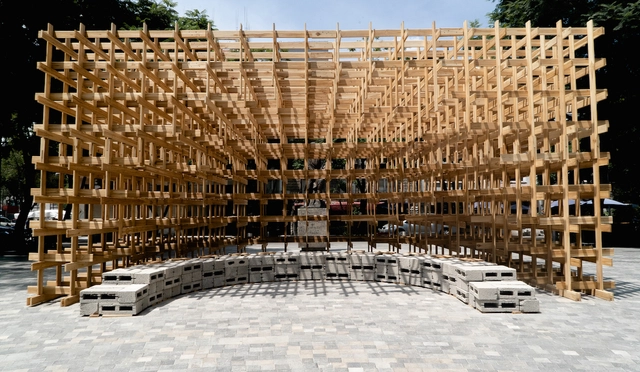
For the ninth time, the MEXTRÓPOLI Architecture and City Festival held the Arquine Competition No. 25 | MEXTRÓPOLI 2023 Pavilion, a platform where architecture, urbanism, and art converge to contemplate and celebrate Mexico City. The event also aims to engage the public by occupying public spaces with architectural pieces that can be activated by visitors. Celebrating public spaces or offering a different perspective on the places routinely traversed is the reason MEXTRÓPOLI showcases these ephemeral architectural pieces.
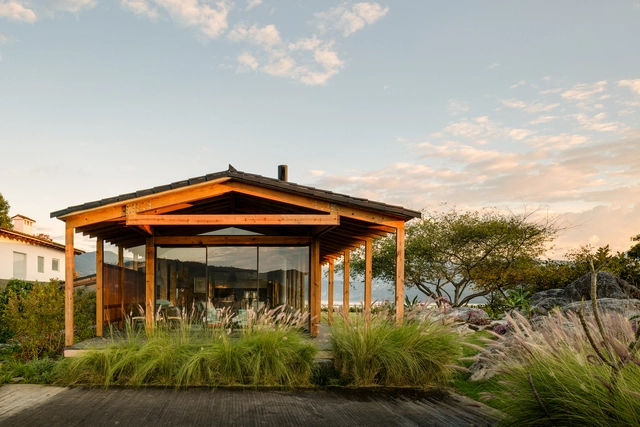
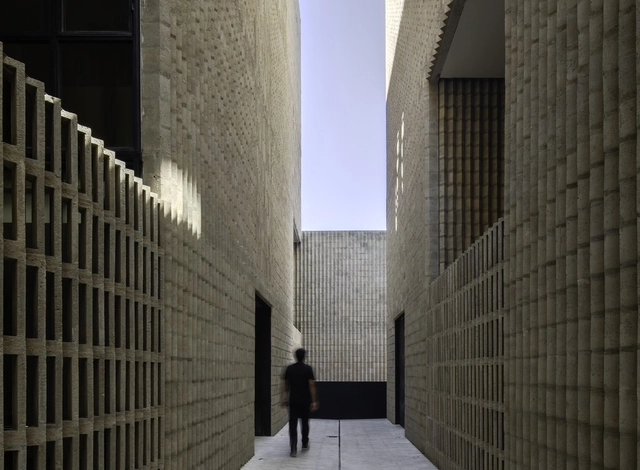
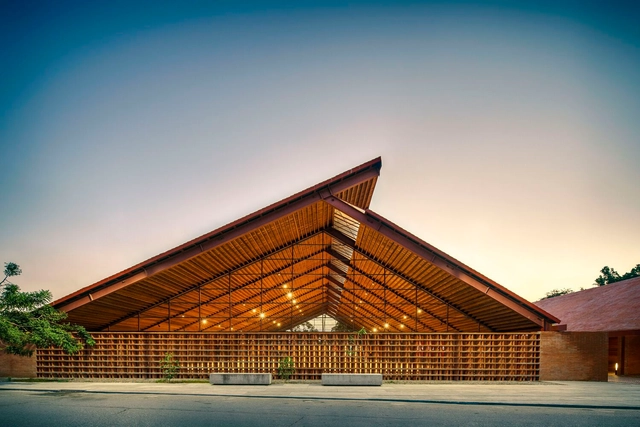
Wood has played an important role in contemporary Mexican architecture due to its versatility, sustainability, and cultural connection to the architectural history of the country. Currently, architecture in Mexico has gained worldwide recognition for its sensitivity and mastery in designing everyday spaces using various techniques that prioritize sustainability, aesthetics, and bioclimatic design.
Photo by Marlene González y Edgar Macías. Image via Tecnológico de Monterrey
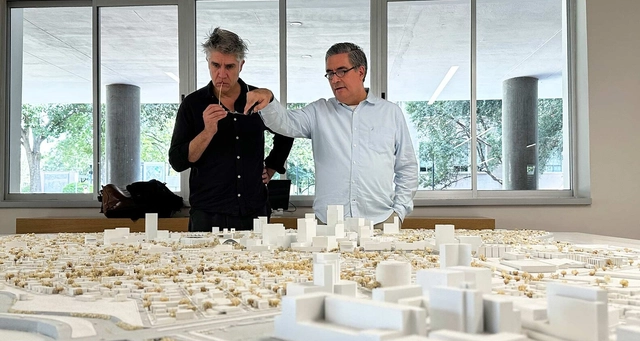
Through a statement from Tecnológico de Monterrey in Mexico, it has been announced that the Chilean architect Alejandro Aravena will construct a new facility on the Monterrey campus, named "Aulas 10." This facility will house the School of Architecture, Art, and Design (EAAD) with the goal of becoming a space that fosters creativity and knowledge.
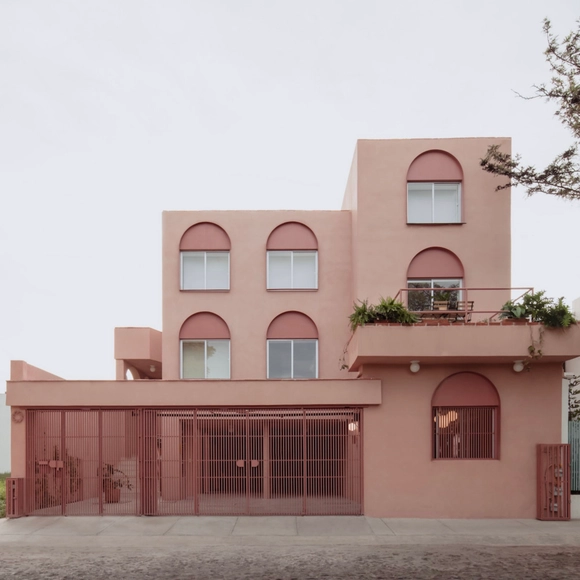
One way to employ color is through monochrome, a design technique that involves using a single tone or color in a space. In architecture, monochrome is a powerful tool where different shades can be created through the play of lights and shadows, generating spaces that offer unique experiences to their inhabitants.
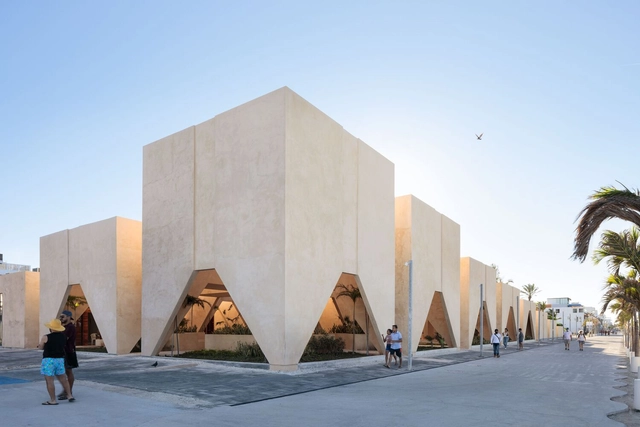
Yucatán is a state located in the southeastern part of Mexico on what is known as the Yucatán Peninsula, bordered by the Gulf of Mexico, Quintana Roo, and Campeche. Within this state, there are 4 magical towns: Izamal, Maní, Sisal, and Valladolid. The architecture of this region is a blend of indigenous, Hispanic, Mexican, French, Italian, and American influences.
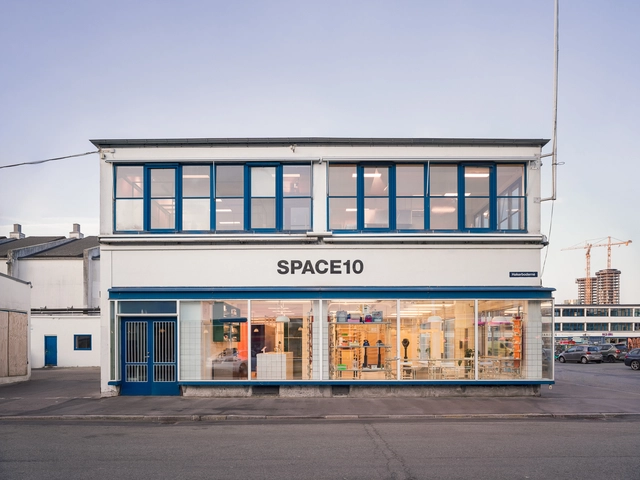
Sede de Copenhague – Fotografía de Hampus Berndtson . Image Cortesía de SPACE10
Ten years ago, SPACE10 was born as a pioneering platform ushering in a novel approach to corporate innovation, consolidating itself for its ability to be open, democratic, driven by a playful purpose, and community-oriented. Composed of a small core team of around 23 people based in Copenhagen, their efforts have focused on combining the power of creativity, science, and technology to find solutions that address the accelerated climate crisis and social injustices.
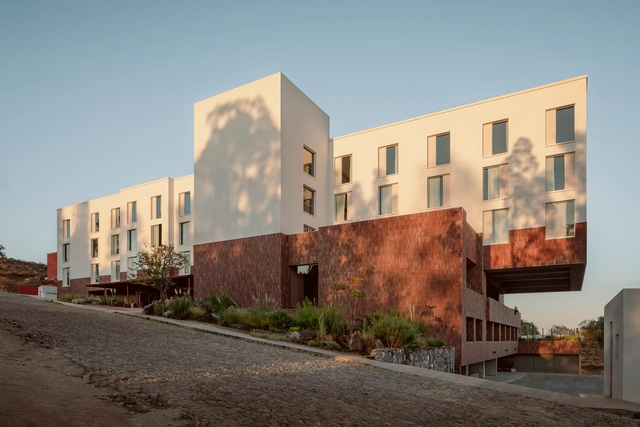
The city of San Miguel de Allende is located within the state of Guanajuato, in the central-northern region of Mexico, geographically bordering the states of Zacatecas, San Luis Potosí, Querétaro, Michoacán, and Jalisco. It covers an area of 43.6 hectares and is one of the most populated regions in its state. In 2008, it was declared a World Heritage Site by UNESCO and is characterized by its baroque and Spanish architecture. It is part of the list of magical towns in Mexico. Additionally, in this city, you will find the Parish of San Miguel Arcángel, built with the pink quarry stone typical of the region.
The relationship between architecture and music has existed throughout history and can be observed in various aspects. The way architectural spaces are designed can affect the sound quality and auditory experience of a musical piece. The acoustics of a place, determined by its shape, size, and materials used in its construction, can influence how sounds and music are perceived. That's why architecture plays an essential role in the design of auditoriums and concert halls. The aspects to consider include space distribution, seat placement, the shape of the venue, and acoustics to ensure an optimal sonic experience.
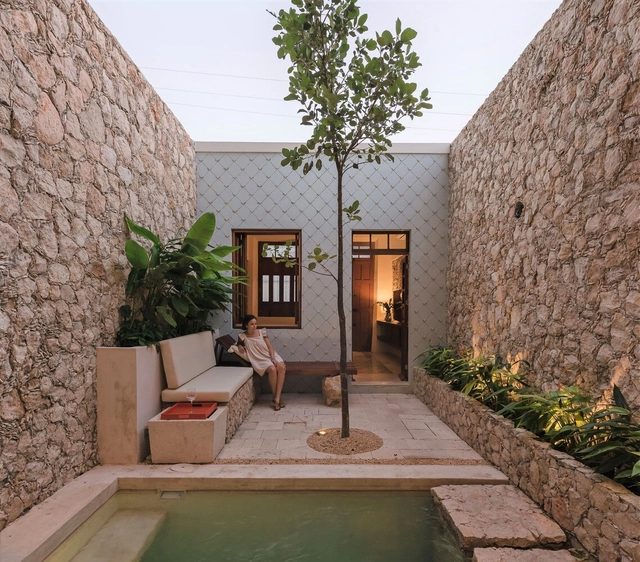
The city of Mérida, the capital of the state of Yucatán in Mexico, has experienced a significant architectural boom in recent years due to emerging talent that has gained recognition through awards and biennials across the country. With its tropical climate, the architecture in this region responds to specific geographical conditions, making it one of the most visited destinations. Mérida is a city that was built upon the remnants of the Mayan city called T'Ho and is composed of a rich culture that combines different moments in history. As a result, the contemporary architecture of this region incorporates traditional elements such as vaults, lattices, and sustainable traditional finishes that are reinterpreted to create a new language that reflects the present moment in which they were constructed.
Sayulita is a small beach town in Nayarit, a state located in the western region of Mexico. It is a locality of about 3,390 inhabitants that has grown significantly in the last decade due to tourism, mainly from the United States and Canada, who are attracted by the landscapes and waves that have made it one of Mexico's main surfing destinations.
Water and architecture are closely related in habitat design, encompassing both functional and aesthetic aspects. The best option is to take this into account from the beginning of the design process, as implementing appropriate technologies and systems will determine water consumption. Currently, it is our responsibility as professionals to think about how we can reduce and recycle water consumption within our own homes. There are various ways to address these needs, such as installing low-flow devices in faucets and showers, dual-flush toilets, and efficient irrigation systems for landscaping. In addition, rainwater collection and reuse systems can be implemented for irrigation or house cleaning, which contributes to its conservation.
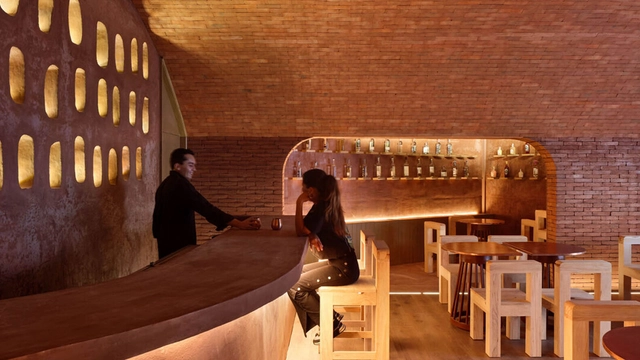
Mezcal is a Mexican beverage that has gained great popularity in the last decade. Its history dates back to pre-Hispanic times when cultures consumed various drinks derived from the agave plant in different ways. During the pre-Columbian period, this plant was used for various purposes, ranging from food to the production of fibers and medicines. However, within the different processes, they discovered that they could ferment and distill the juice of the agave to obtain an alcoholic beverage, which they called "pulque".
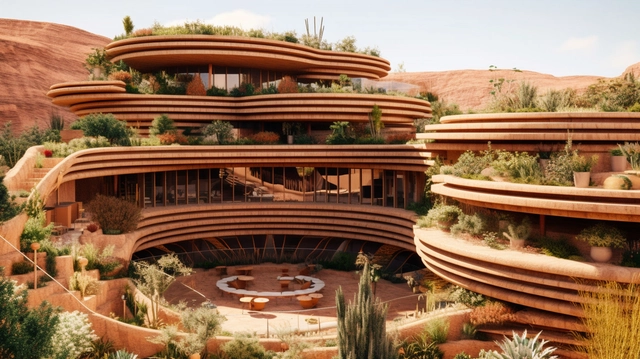
Research and design lab SPACE10 announces the winners from their first ever global design competition to reimagine home — using AI. With over 250 entries from around the world, a panel of 10 globally renowned architects, designers, AI artists, journalists, and creatives reviewed the submissions, and selected four winners.
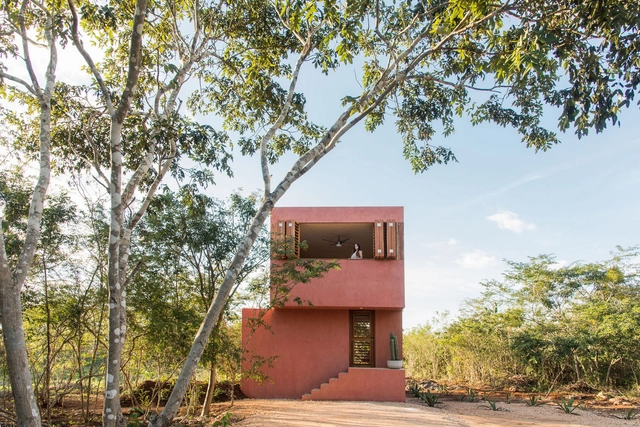
Small homes are a common reality in many urban areas around the world for various reasons. These homes made up of small houses or compact apartments, have become increasingly popular due to the shortage of land and high housing prices in urban areas. Although their size may be limited, contemporary architecture practices focus on intelligent designs to maximize available space and offer comfort to their inhabitants. They often offer efficient layouts, with multifunctional areas that adapt to needs. In addition, some of them integrate innovative design and furniture solutions to optimize space and provide additional storage.
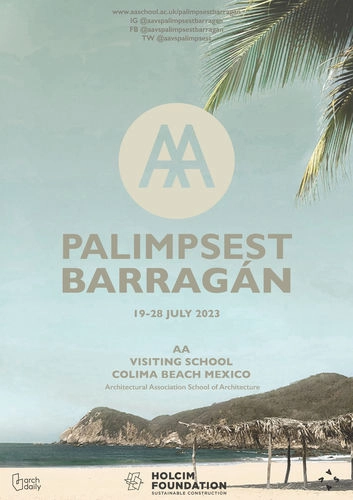
The Visiting School in Colima, Mexico poses a once in a lifetime opportunity to engage with an architectural masterpiece of 20th century modernism by the Mexican architect Luis Barragán. As a hidden and still unknown architectural jewel set amidst a paradisiac jungle on the Pacific coast, the ruins of the never completed building have sunk into oblivion, not unlike the ancient Mexican pyramids, and are currently in progressive decay. The workshop will not only ‘unearth’ the project and at last put it on the map of architectural discourse, but it might even have a larger impact by kickstarting a debate around the preservation of its ruins from disintegration.