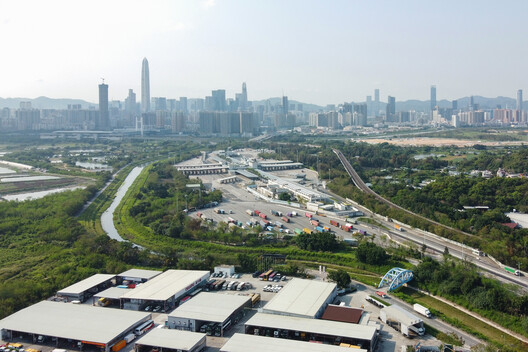
For most children, the journey to school is an everyday geography of street life and traffic, repeated so often that it becomes almost invisible, folded into the background of childhood and growing up. Yet for cross-boundary students who live in Shenzhen and attend school in Hong Kong, the school day begins much earlier, and much farther from the classroom. It begins at the border.
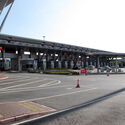
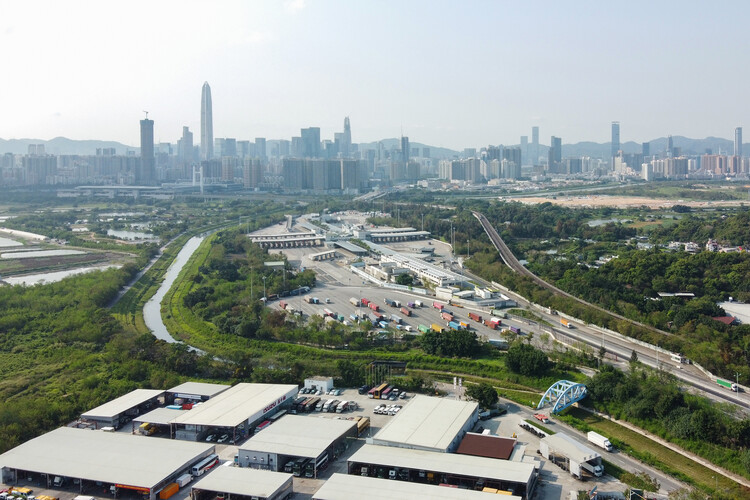
Their commute is not simply a matter of distance. It is shaped by two legal systems, two administrative cultures, and a set of infrastructures designed to make daily crossing a little bit more feasible for individuals under 18. On a typical morning, the route to school may pass through a boundary control point before it reaches a classroom. It may involve a government-approved school coach, a restricted access road, an immigration hall, a fingerprint scanner, or a clearance procedure that takes place while the child remains seated on the bus. What appears from a distance as a school commute is, in spatial terms, a carefully managed architectural corridor between two cities.