The historical local markets of San Lorenzo and Sant'Ambrogio in the centre of Florence, Italy, have been a meeting point for local people for decades; a privileged location from which a sense of community, belonging and sharing has grown. The structure-symbol for local residents and a major tourist attraction, they recently underwent a series of renovation works to update their image and strengthen relations with customers and retailers, with a view to preserving their identity and authenticity.
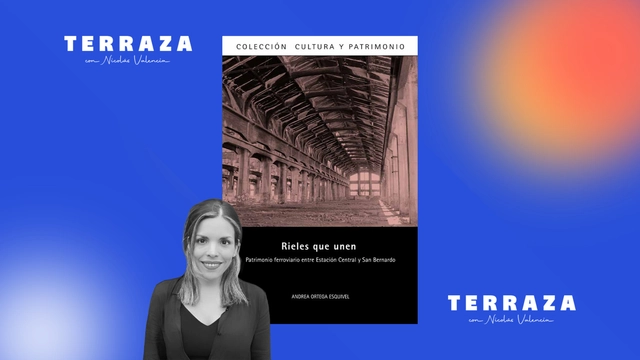
This week on the TERRAZA podcast, Nicolás Valencia talks with Chilean architect Andrea Ortega about her book “Rieles que unen. Patrimonio ferroviario entre Estación Central y San Bernardo” (Rails that Unite: Railway Heritage between Estación Central and San Bernardo), published by the National Cultural Heritage Service in 2022.
“Rieles que unen” is a critical account of the configuration and development of the heritage surrounding the initial urban stretch of the only active passenger and freight railway line currently operating in Santiago, Chile. The research approaches the understanding of railway heritage by integrating tangible and intangible elements, considering its urban-territorial scale and the valuation processes driven by organized communities at local levels.
https://www.archdaily.com/1078837/andrea-ortega-we-have-lost-a-lot-of-railway-heritage-in-chileArchDaily Team
Videos
Meeting room with Pyrymyd DECO. Visualization: Studio Spacer. Image Courtesy of Intra Lighting
We talk a lot about designing for the senses these days; about human engineering, ergonomics, people-centric products. It’s particularly a hot topic when it comes to looking at the modern working environment. If today’s office is to compete with home, it needs to bring similar feelings of comfort, but promote productivity and collaboration at the same time. Designers and architects are responding with increased attention towards auditory comfort, finely-tuned lighting, and cosseting touches via texture, color and shape.
https://www.archdaily.com/1017114/a-multi-tasking-ceiling-system-for-both-sound-and-light-controlEmma Moore
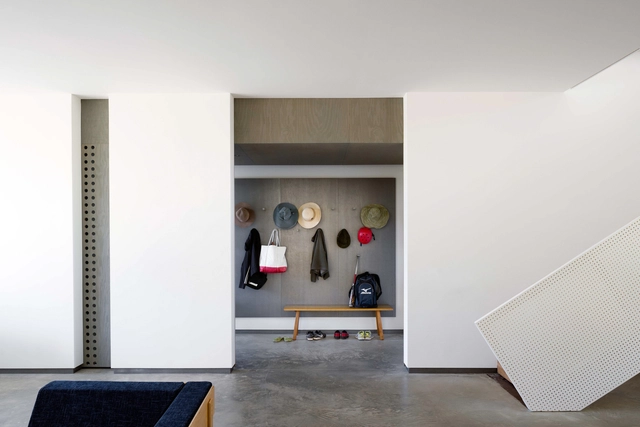
Architects are known for returning from travel with more photos of buildings than people and for having an esoteric vocabulary of their own. Of course, these are clichés that are not always true. But something that unites most designers is the tendency to pay attention to each detail that makes up a project, be it the material that covers the facade, the junction between different floors, how the doors open, the type of window frame, how the forms were put together for concreting, and more. But a detail that often goes unnoticed – and that makes a huge difference in interior design – is baseboards.
Videos
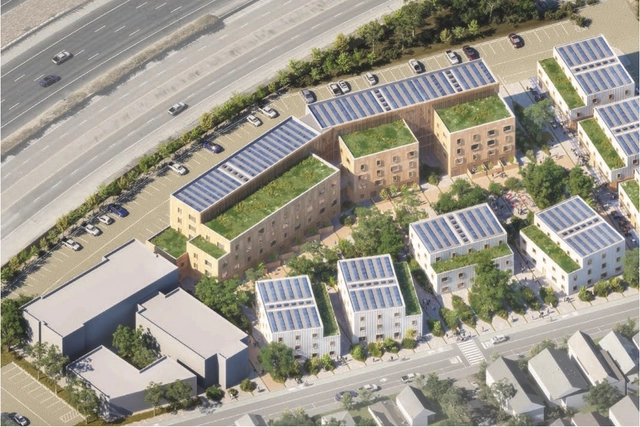
The Phoenix will be built at about half the cost, time, and carbon footprint of a typical multi-family building in the San Francisco Bay Area. Image Courtesy of Autodesk
At the turn of the century, architects embraced 3D parametric modeling through building information modeling (BIM), and in the last 10 years connected BIM to the cloud to improve coordination and productivity. But BIM struggles to unify data and workflows across the entire plan, design, build and operate lifecycle. Integrating AI—along with granular data and automation—will empower the next generation of architects with a more connected and outcome-based approach to design, enabling them to focus on outcomes like building performance or sustainability from the very beginning of a project.
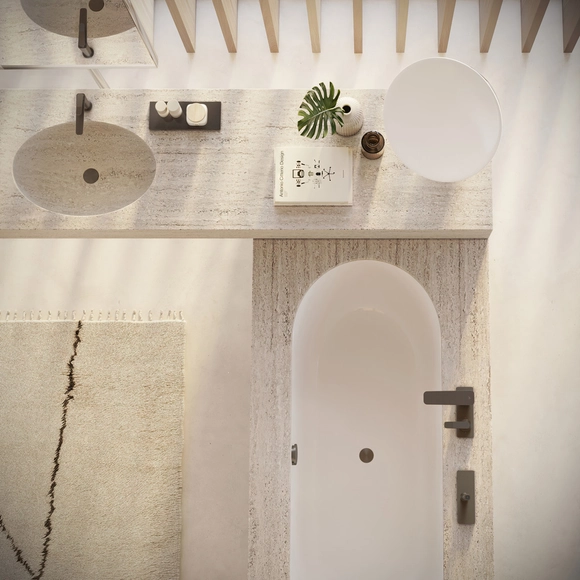
Italian architect and designer Antonio Citterio is renowned for creating spaces that transport individuals to a mood as much as a physical place. He’s a designer of sets and a storyteller as well as a creator of objects. As he says: “I always imagine the product in a movie set, an ambiance where people interact with the product and the space.” His latest collaboration with AXOR—a collection of distinctive bathroom fixture designs—is a paradigm of his craft, expanding the idea of the objects into idealized "light box" domestic spaces, in which they feature. One of these spaces is his "Nature Bound Vacation Home" concept.
https://www.archdaily.com/1016627/a-bathtub-and-sink-in-a-single-sculptural-element-antonio-citterios-vision-for-a-nature-retreatMark C. O'Flaherty
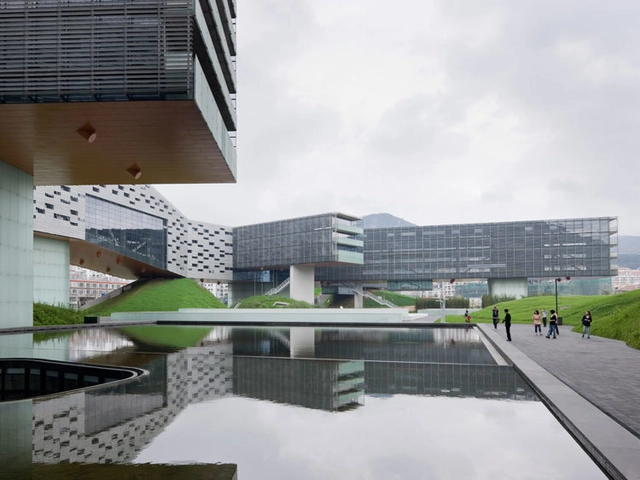
A ground scraper is essentially the opposite of a skyscraper - a large building that sprawls outward horizontally instead of soaring vertically into the sky. Though no strict definition exists, groundscrapers are generally described as extremely long but low-rise buildings with over 1 million square feet of space, sometimes called sidescrapers or landscrapers. The term came into the spotlight with Google's plans for their massive $1.3 billion London headquarters. Designed to be only 11 stories tall but over 1,000 feet long, this vast office block epitomizes using horizontal expansion to create immense space for thousands of employees.
Architecture opens up new perspectives, leads the eye across endless expanses and gives a deep sense of absolute freedom. In the Cole Residence, a fantastically situated estate high above Los Angeles, these qualities merge together. A dance transports the audience to another world.
Conceived by Sky-Frame, a leading international supplier of frameless sliding door systems, the film—directed by Boris Noir—conveys the attitude to life that the brand wants to convey with its products. The architecture of the buildings we live in influences how we perceive our environment, how we move around in it and how we shape it. A view, not a window.
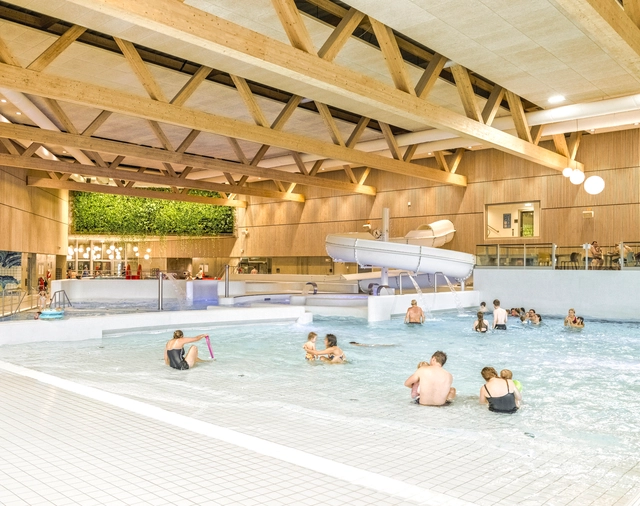
Chroma Pool. Image Courtesy of Courtesy of Agrob Buchtal/photo: Rasmus Hjortshøj
Tinnerbäcksbadet, a leisure center established in 1965 on the shores of a lake in Linköping, Sweden, was showing signs of aging. To revitalize the area and meet the ever-changing demands, the city launched an international architectural competition for a new facility. The winning design, conceived by the Danish firm 3XN, blends modernity and functionality. This integration into the surrounding urban landscape, with the new structure serving as a focal point in a newly reimagined neighborhood square, was crucial to the project's success.
However, it is in the material details and subtle undulations of its layout that the genius of the design is revealed, guiding visitors and users to the indoor spaces and verdant extensions surrounding the bathing lake. The project exudes warmth and sophistication with its palette of natural, earthy colors, through the extensive use of exposed wood, concrete, and ceramic tiles. Manufactured by Agrob Buchtal from natural raw materials, these tiles contribute to the space's elegance while promising longevity, a hallmark of truly sustainable architecture. Covering 18,000 m², the ceramic surfaces play a fundamental role in promoting visual comfort and unifying the entire structure.
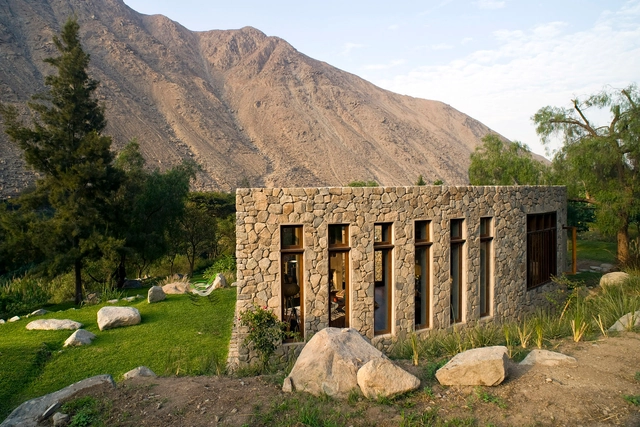
Organizing, shaping, stacking. Transforming raw materials from the soil into architecture. This is a challenge that many Latin American architects embrace, demonstrating that scarcity can be daunting but also a rich opportunity to unleash creativity.
The use of materials extracted from the local soil serves a dual purpose. In regions with limited industrialization, using locally sourced materials makes economic sense because industrial materials such as concrete and steel are expensive and often require long-distance transportation, adding to their cost. Environmentally, choosing locally sourced materials from the start of a project reduces transportation needs and carbon emissions, supporting sustainability efforts.
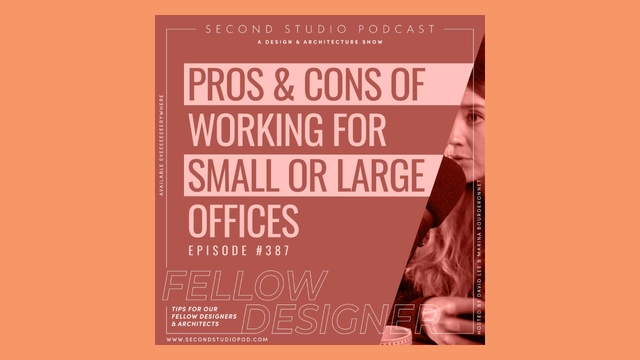
The Second Studio (formerly The Midnight Charette) is an explicit podcast about design, architecture, and the everyday. Hosted by Architects David Lee and Marina Bourderonnet, it features different creative professionals in unscripted conversations that allow for thoughtful takes and personal discussions.
A variety of subjects are covered with honesty and humor: some episodes are interviews, while others are tips for fellow designers, reviews of buildings and other projects, or casual explorations of everyday life and design. The Second Studio is also available on iTunes, Spotify, and YouTube.
This week David and Marina of FAME Architecture & Design discuss the benefits and negatives of working for small and large architecture offices as a young professional. The two share their own experiences and cover why working at different-sized offices can be beneficial.
https://www.archdaily.com/1017054/the-second-studio-podcast-dynamics-of-working-for-small-and-large-architecture-officesThe Second Studio Podcast
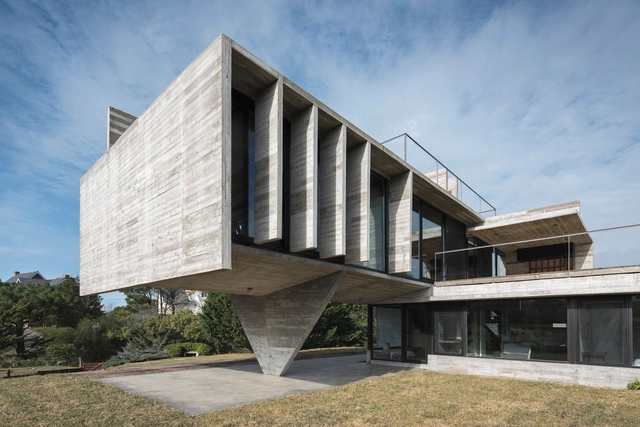
In response to the diverse topographies and natural conditions throughout the Argentine territory, the works of Luciano Kruk propose an architecture that works in harmony with the environment, the landscape, and the nature in which they are situated. Whether immersed in a forest, on sloping terrain, or on a rural plain, among other geographies, his intention is to enhance the relationship between the interior and exterior of the architecture, using concrete as the main material in most of his projects.
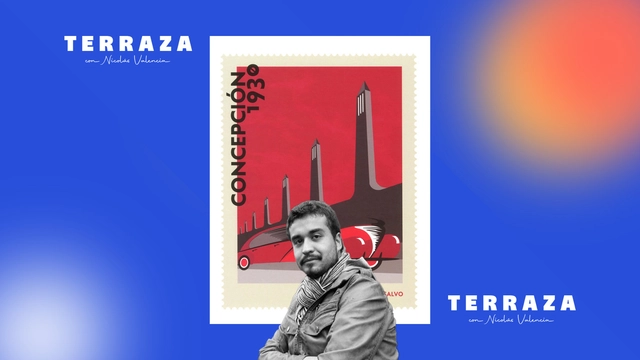
Nicolás Valencia speaks this week on the TERRAZA podcast with Chilean researcher Luis Darmendrail about his book Concepción 1930, published by dostercios editorial in 2023.
Concepción 1930 is a compelling study of a pivotal decade in the architectural history of the Chilean city of Concepción: the 1930s are presented as a turbulent period of change and new beginnings, where culture, commerce, the media, and institutions serve as the pillars of an urban life that flows alongside the narrative, revealing a city at the turn of the century.
https://www.archdaily.com/1078820/luis-darmendrail-in-chile-a-lot-is-taught-about-the-history-of-wars-but-what-about-urban-historiesArchDaily Team
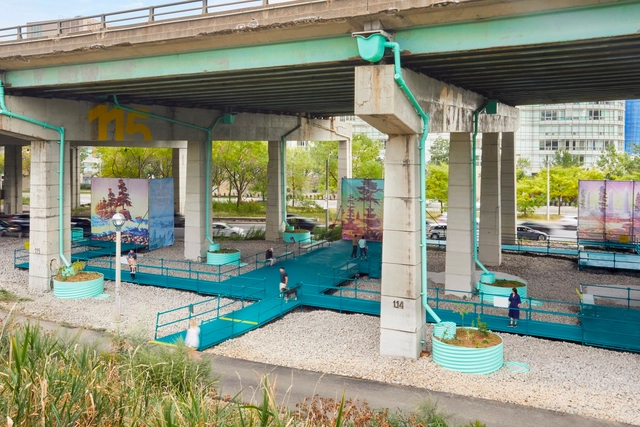
Urban infrastructure intended for city connectivity disrupts urban patterns and often leaves behind a series of spaces without a properly defined use. Fortunately, the notion of space beneath infrastructure is being redefined, as architects are generating public spaces nestled under flyovers, bridges, and other urban structures.
Formerly neglected spaces, overlooked or dismissed as mere leftovers of urban planning, are now transformed into dynamic environments for community engagement and artistic expression. Architects, city planners, and the users themselves are embracing the challenge of reclaiming forgotten or underutilized areas and developing innovative solutions, integrating greenery, art installations, and sustainable elements into the urban fabric.
In pool design, one big challenge is to make sure that the pool blends in with the rest of the architecture. If it is being designed from scratch, the materials must meet the necessary design criteria, as well as the technical requirements of areas exposed to the elements and in direct contact with water.
These were the premises that Sebastián Arquitectos took into account in this project for a villa—Casa EA!—, using a single floor tile collection by Gres Aragón. Set in the midst of Litago nature reserve, at the foot of Mount Moncayo in Zaragoza (Spain), the villa blends in beautifully with its surroundings.
In his first collaboration with Forestier, David Fabbri has designed the captivating Thésée collection taking inspiration from nature. Image Courtesy of Forestier
It’s a paradox that as our society becomes increasingly connected through global travel and digital realms, we often feel more disoriented and disconnected than ever before. The power of interiors to ground us in the present and help us reconnect with what we value should not be underestimated. One way to bring authentic emotional depth to space is through atmospheric lighting, which, in combining illumination and form, can transcend practical function to perform a vessel for mindfulness.
When he was invited to design the 21st Serpentine Pavilion in London’s Kensington Gardens public park, Chicago-based artist Theaster Gates envisioned a calm space to offer respite and a subtle exploration into the power of sound and music in architecture. Created out of lightweight stained wood, the “Black Chapel” demonstrates more than just artistic and architectural sensibilities. In addition to the use of sustainable materials, the project also pays close attention to how the building materials are sourced, bringing visibility to the problem of modern slavery in the construction materials supply chain.
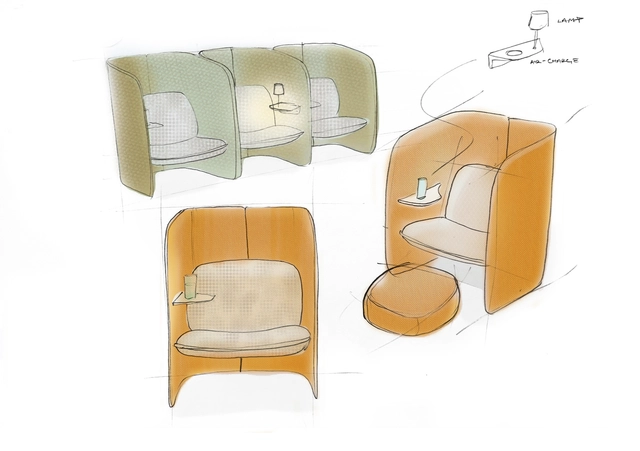
According to Norman Foster, "as an architect you design for the present, with an awareness of the past." In this sense, present-day architecture, interiors, and furniture have undergone a radical evolution in recent years, driven by a paradigm shift in the conception of space and our interaction with it. This contemporary approach has steered us towards less constrained, more collaborative, and multi-purpose spaces, which can also provide privacy and functionality. In addition, they must serve as temporary workspaces in specific contexts, adapting to the dynamism of contemporary needs and activities.
From this new approach, architects and designers are reshaping interior environments to accommodate new behaviors, facilitating the discovery of renewed ergonomics in human activities. Today, architectural thinking is merging to create spaces that enable conducting our lives in motion, a trend particularly evident in dynamic environments such as airports, encompassing intimate and social moments with people on the move. Consequently, a new kind of furniture has re-emerged, becoming commonplace in airport settings and other shared spaces: the booth.
https://www.archdaily.com/1016389/a-new-level-of-functional-privacy-in-airports-the-rise-of-lounges-and-work-cabinsEnrique Tovar
Brick is one of the oldest and most versatile materials in construction, going beyond the simple masonry wall. Its origins date back to 7500 B.C., with kiln-fired specimens appearing around 3000 B.C., representing a technological breakthrough for the construction of sturdier buildings. Spreading across Europe and Asia around 1200 BC, they replaced materials such as wood and stone in scarce regions. Roman bricks, notable for their long shape, were widely used in the construction of their cities and are still used today. The history of bricks is intertwined with that of civilization, being an easy-to-produce, resistant and versatile material, allowing for a multitude of applications and achieving impressive and unusual results.
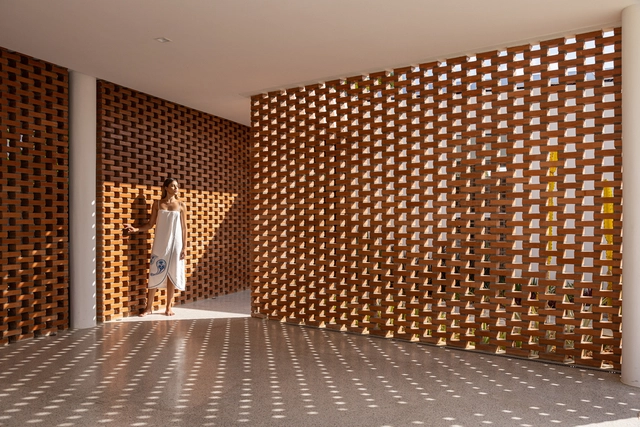
Designed by Coletivo de Arquitetos, the Thai Residence exemplifies the multiple possibilities that brick offers in contemporary architecture. Located in a coastal area in the state of Sergipe, Brazil, this residence not only exemplifies the aesthetics of the material, but also its functionality and adaptability to local conditions. One of the most striking features of the project is its layout in two distinct blocks. The main pavilion houses most of the house's program, while a second connected block houses the gourmet area, services and garage. This configuration provides an intelligent distribution of spaces and harmonious integration with the surroundings.
As the demand for affordable housing grows and the availability of low-cost properties diminishes, stakeholders in housing must become more innovative in their approach to social housing development. One opportunity lies in restoring and repurposing abandoned buildings. While building new houses remains the primary strategy for Housing Authorities and Associations, rehabilitating derelict buildings can be a more economical option. This approach not only maximizes the use of dilapidating infrastructure but also provides an economic opportunity to increase affordable housing within the city. Although rehabilitating derelict residential buildings may seem like an obvious solution, it becomes even more crucial when considering abandoned commercial, institutional, or historical buildings for social housing.
A flat or low slope roof assembly consists of several components that need to work together efficiently and consistently to offer a long-term, sustainable solution. While the roofing membrane is often the top and therefore most visible layer, what lies under it has a significant impact on the overall roof performance. Choosing the adequate and most sustainable materials (and ensuring their proper installation) is what makes a roof stand the test of time and be ready for the challenges of the future.
This article is the ninth in a series focusing on the Architecture of the Metaverse. ArchDaily has collaborated with John Marx, AIA, the founding design principal and Chief Artistic Officer of Form4 Architecture, to bring you monthly articles that seek to define the Metaverse, convey the potential of this new realm as well as understand its constraints. In this feature, architect John Marx interviews Peter Hirshberg, chairman, and Anna Fedorova, principal at the Maker City Project.
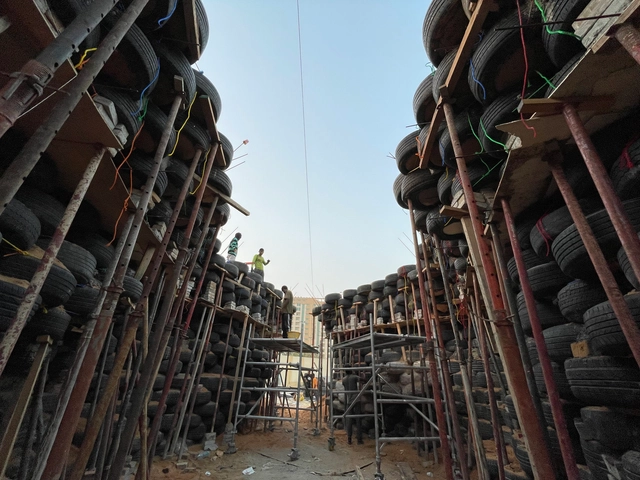
Limited resources are becoming an increasingly common challenge in architecture. Today, regardless of the region, projects are affected by the availability of resources, which are now compounded by environmental considerations. This situation, far from being restrictive, prompts us to explore new possibilities in how we conceive the built environment. In this context, it is crucial to understand that resources are not only limited to the economy but also include technological, material, and spatial aspects. Thus, we can enhance our creativity and efficiency by broadening our considerations when approaching architectural design and its challenges, doing more with less.
At the community level, the challenge becomes even more significant when we consider that our projects must not only be designed to overcome these "constraints," but also to positively impact their communities. Therefore, contemporary projects must present different strategies to overcome limited resources and materials depending on the context, always aiming to achieve a positive impact and become powerful and ingenious proposals while democratizing access to architecture.
https://www.archdaily.com/1016682/community-growth-through-architecture-maximizing-limited-resources-for-positive-impactEnrique Tovar