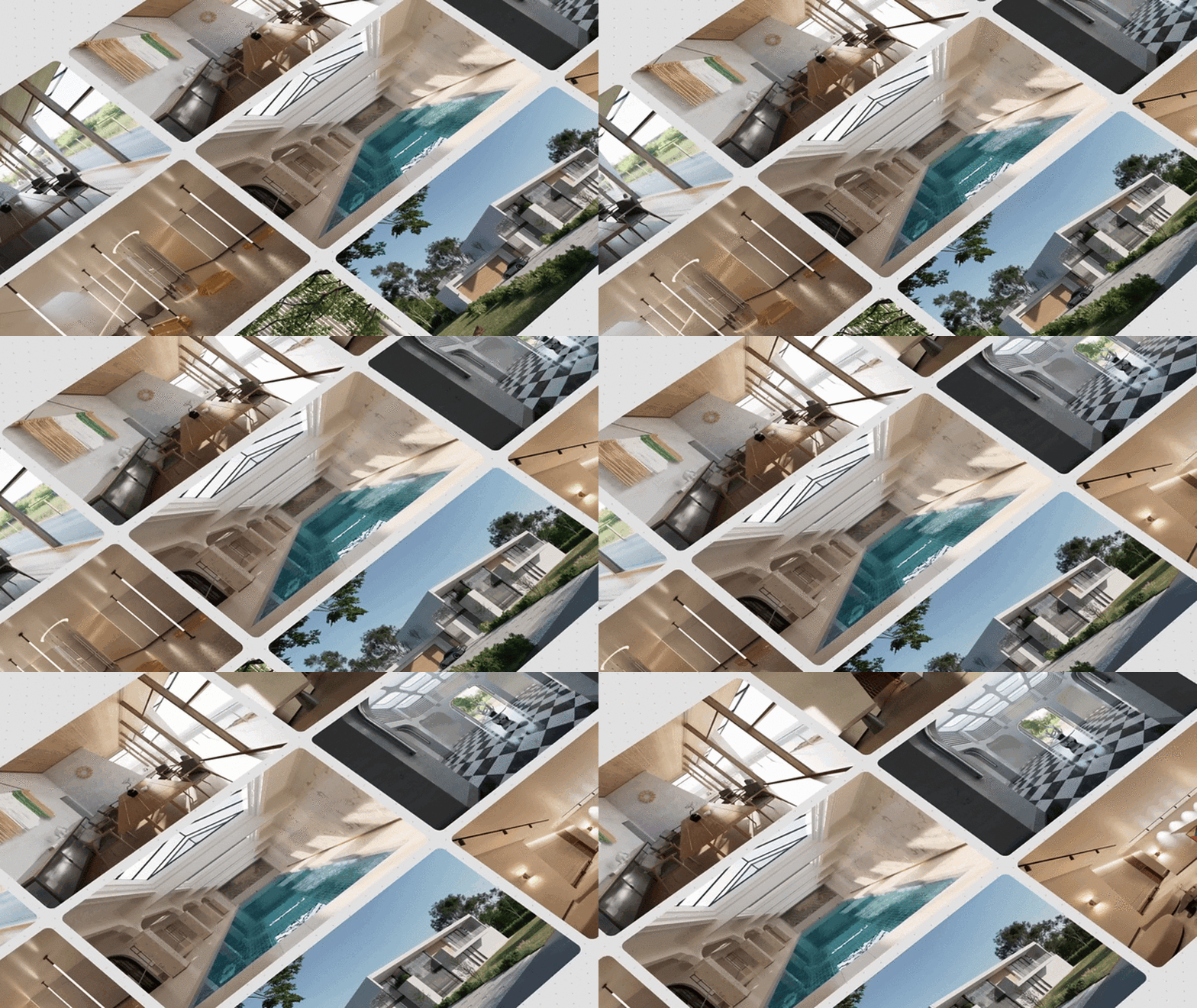
How to visualize architectural concepts in SketchUp using D5 Lite for faster design exploration.
How to visualize architectural concepts in SketchUp using D5 Lite for faster design exploration.
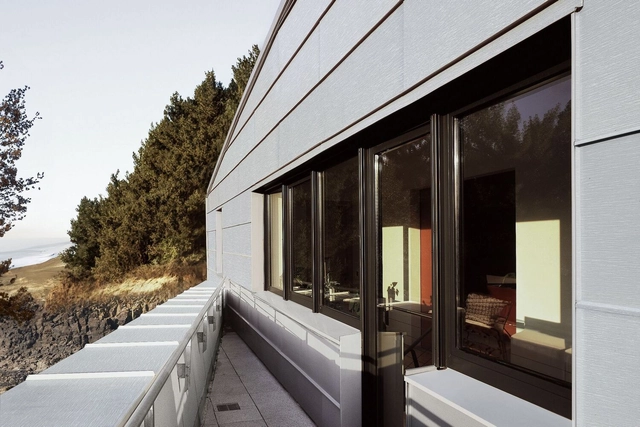
In architectural design, materials play a crucial role not only in shaping a building's aesthetics but also in its performance and in reflecting the ideologies of its creators. Today's architectural megatrends are driven by the need for sustainability, resilience, and material innovation, particularly in response to climate change and resource conservation. Wellness-focused design is also gaining importance, prioritizing environments that support physical and mental health. In this context, natural materials, biophilic principles, and improved indoor environmental quality are increasingly used to enhance comfort and foster a deeper connection with nature. Among these materials, titanium zinc stands out as a versatile and sustainable option, offering durability, aesthetic appeal, and potential health benefits in architectural applications.
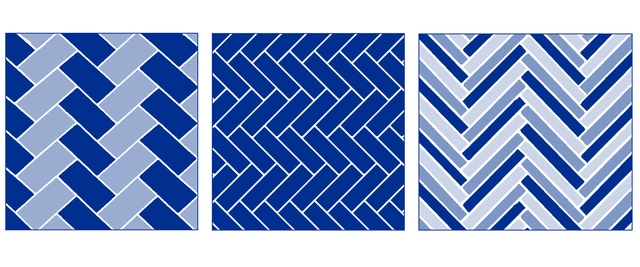
Created by a series of angled parallel lines that form a mesmerizing zigzag, the herringbone pattern has withstood the test of time and remains present in diverse design styles. Named after the resemblance to a fish's bones –a herring, for instance–, this classic V-shaped pattern arranges rectangular blocks in different proportions. With varying block edge length ratios, such as 2:1 or sometimes 3:1, the versatile design adapts to a wide range of uses, dimensions and materials.
The arrangement of the blocks, even when used in single colors, creates a subtle texture and adds visual interest. While the herringbone arrangement may seem simple at first glance, the strong directional quality of the typically 45-degree angle lines requires a careful design process for a seamless and consistent look. The pattern can be found in walls and floors, from fabrics to wood and tiles. By playing with geometric shapes, it continues to be a trend that infuses style and structure into interior design while complementing a space's overall aesthetic. Below we dive into Architonic’s catalog to present different ways to apply it, exploring ceramic, wood, and synthetic herringbone patterns.
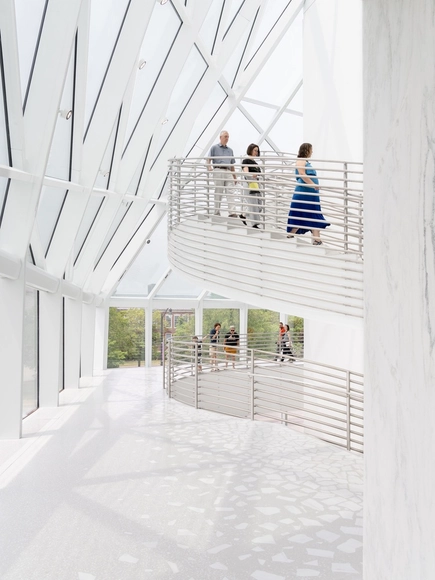
It's often said that trends come back, but terrazzo appears to be the exception—never truly fading from popularity. With a long tradition of craftsmanship, terrazzo has maintained its relevance over the centuries, continuously adapting to evolving creative expressions. Whether in homes, restaurants, or libraries, it demonstrates remarkable versatility, offering a unique combination of technical qualities, mottled aesthetic, and timeless appeal. As it evolves, terrazzo adapts to modern building standards and growing environmental awareness, ensuring its relevance in contemporary architecture and design while expanding sustainable solutions.
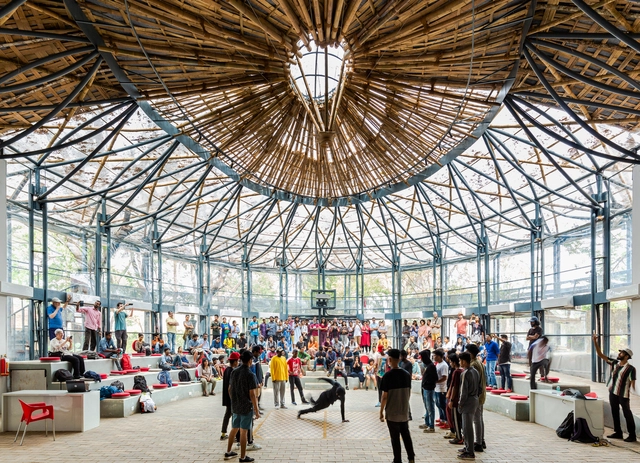
Along India's southwest coast dotted with a mix of colonial architecture and ancient heritage, the city of Kochi stands as a relic of foreign influence. A previously colonized town by the Portuguese, Dutch, and British now breathes new life into its built landscape. Across the world, in the German city of Kassel, the scars of World War II are etched into the environment, deep under its revived cultural soul. Both Kochi and Kassel, though worlds apart in geography and history, shared a commonality: the power of art and festivals to heal. In the aftermath of historical trauma, these cities found renewal in the creative expression of artists from around the globe.
The world's leading competition for sustainable design, Holcim Foundation Awards 2025, is calling for entries. The Swiss-based Holcim Foundation invites innovative projects at any scale, supported by clients and in the late-stage design phase, to compete for global recognition. The competition is free of charge with a prize pool of USD 1M and will be awarded across 20 winning entries.
Projects already under construction are eligible, provided construction is not completed before February 11, 2025. The entry window is now open from October 1, 2024 until February 11, 2025, with the Awards Ceremony taking place at the Foundation's Venice Forum event on November 20, 2025.
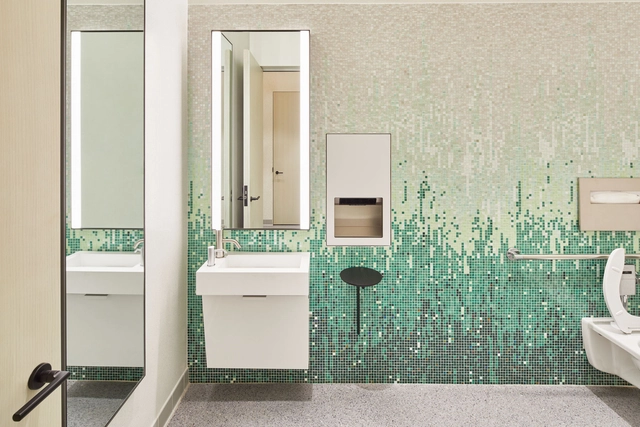
Nowadays, diversity and inclusion stand as fundamental pillars in the design of spaces, guiding the creation of structures that adapt to the needs of all individuals. This comprehensive approach addresses the functionality of buildings aiming to transform every aspect of design, promoting accessibility from scratch. A key milestone in this matter was the establishment of legislation such as the Americans with Disabilities Act (ADA) in the US. This document established a legal framework to prohibit discrimination against people with disabilities and set a precedent for promoting the design of public spaces and services that are accessible to all.
While it is undeniable that these advances have marked a turning point in the accessibility of the built environment, historically, these codes have led to the predominant aesthetics of accessible restrooms being based on conformity. This focus has gradually moved away from design, resulting in aesthetically limited proposals. Although compliance is not questioned, this situation has generated a need for new visions that can transform the aesthetics of bathrooms while adhering to these regulations. The growing need for accessible facilities has led to the development of innovative concepts, such as the Superloo cubicles. This self-contained facility maximizes usable space while highlighting the trend of merging functionality and inclusivity in an aesthetically pleasing environment.
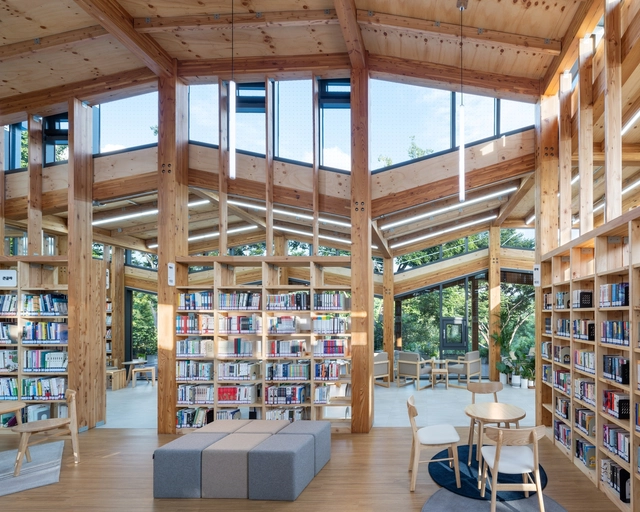
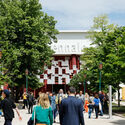
In the year 2000, the Royal Institute of British Architects (RIBA) awarded its prestigious Stirling Prize to Peckham Library, by architects Alsop and Stormer. Although it wasn't the first time for a library to win the prize, it was the first time a local library won it. It was an illustration of the times when public finances could conjure briefs with the intention to "create a building of architectural merit that will bring prestige to the borough." The library was commended for the public open space it created, its fun and colorful design, and its environmental credentials. It sits proudly in the heart of the community and it is interesting that its sign, projecting above the roof line, simply spells 'Library', an indication of the importance of this building's function to the area.
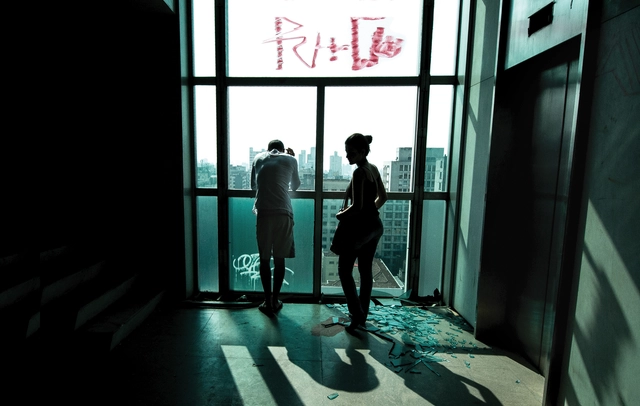
"Drinking Caracu is drinking health." This is what read on the massive blank wall of a building in downtown São Paulo on the morning of May 1, 2018. Hidden for decades, the advertisement for the famous beer brand now loomed before a massive heap of concrete, twisted metal, and shattered glass. This was the rubble to which the iconic Wilton Paes de Almeida Building had been reduced—a modernist landmark designed by architect Roger Zmekhol and the subject of the documentary Skin of Glass, directed by his daughter, Denise Zmekhol.
The film transcends traditional architectural documentation by blending a personal narrative with the political complexities of contemporary Brazil, a country shaped by deep inequalities and erased memories. At the heart of the story is the building itself, considered a landmark of Brazilian modern architecture, which collapsed in 2018 after a tragic fire.
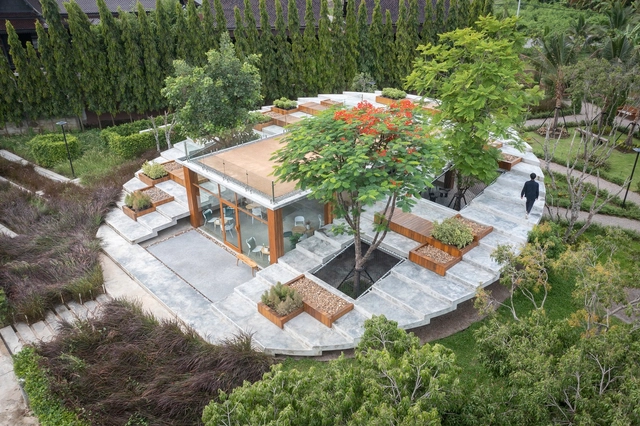
Pitched roofs and terraced lots or hillsides are some of the oldest, yet still highly functional, solutions for rainwater dispersal, redirection, and erosion management. While most constructions today still opt for traditional pitched or flat roofs, advancements in construction materials and techniques are leading to greater design exploration and layout variations. This has resulted in a rise in green roofs, passive insulation solutions, and more innovative uses of rooftops. One particular case has been the recurrence of the staircase or terraced roofs that often bring about a smooth continuity with the site and provide additional functional spaces to the project.
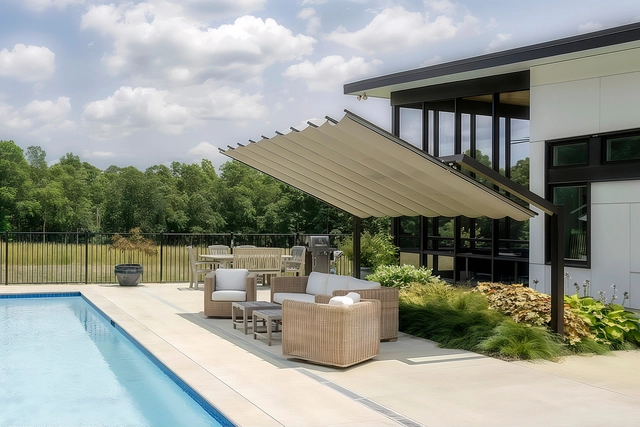
The sun is an inescapable partner in architecture, influencing lighting, energy efficiency, and comfort inside and outside buildings. This influence has become increasingly relevant in the context of climate change, which has led to rising temperatures and the creation of challenging environments. In response, designers are constantly working to adapt cities to heatwaves through large-scale urban strategies. On a smaller scale, such as in residential settings, the issue can be addressed more specifically through various shading solutions.
Since the sun's behavior varies by region and time of year, adjustable shade structures are crucial for managing sunlight and heat effectively. In high latitudes, the solar angles shift with the changing seasons, while in equatorial regions, the radiation remains more consistent throughout the year. ShadeFX retractable solutions are crafted to adapt to these varying conditions, regulating direct light intensity and minimizing excessive heat. By enhancing the comfort and functionality of spaces, these solutions also help reduce the impact of an overheated planet.
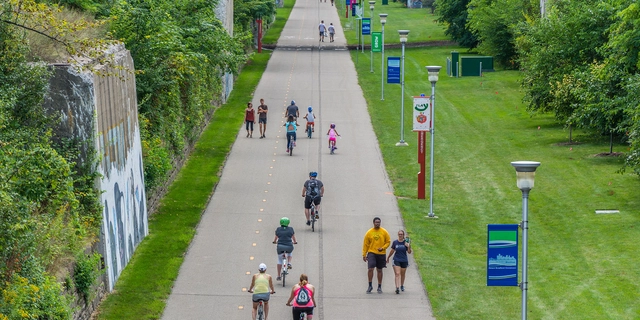
Throughout history, it has become clear that the key to long-lasting and sustainable projects is to lay solid foundations. Our society is headed towards a more urban future in which the density of metropolises will be ever greater. That is why this more urban tomorrow requires modern urban planning capable of building innovative, sustainable and flexible structures. Because the only way to make our society live better is to build better.
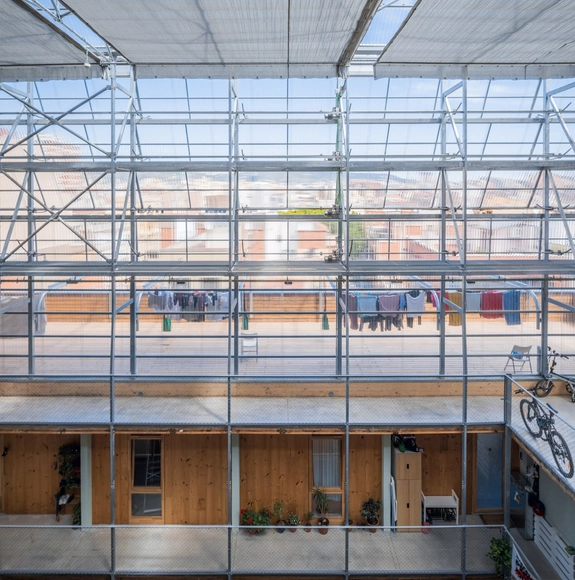
One of the biggest current challenges in large cities is the housing crisis and the lack of efficient solutions to mitigate its effects on citizens. This problem is exacerbated in cities where tourism and vacation or temporary housing dominate the market, distancing residents from the possibility of accessing affordable urban housing. Furthermore, gentrification, driven by rising rents and real estate speculation, contributes to the displacement of local communities, transforming traditional neighborhoods into areas exclusively oriented toward tourist consumption.
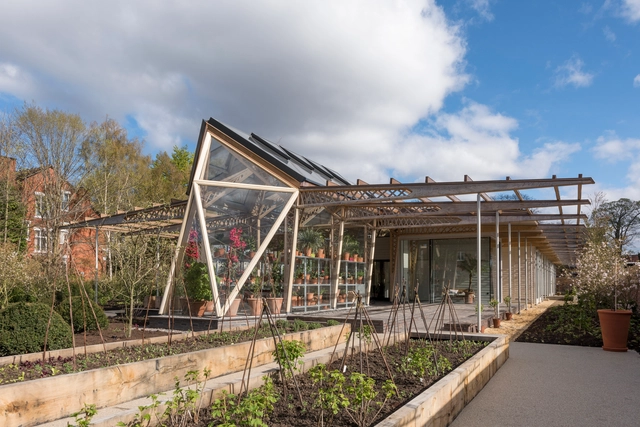
Architecture has long been understood as a powerful tool for shaping the physical environment and social dynamics within it. However, its potential to foster social equity is often overlooked. Empathy-driven design invites architects to approach their work not only as creators of space but as facilitators of human connection and community well-being. This approach centers on understanding people's lived experiences, struggles, and aspirations — particularly marginalized communities — and responding to their needs through thoughtful, inclusive architecture. It goes beyond aesthetics and functionality, instead focusing on creating spaces fostering dignity, accessibility, and social equity. By prioritizing empathy, architects can design environments that uplift communities, address disparities, and create inclusive spaces that promote positive societal change in a tangible, human-centered way.
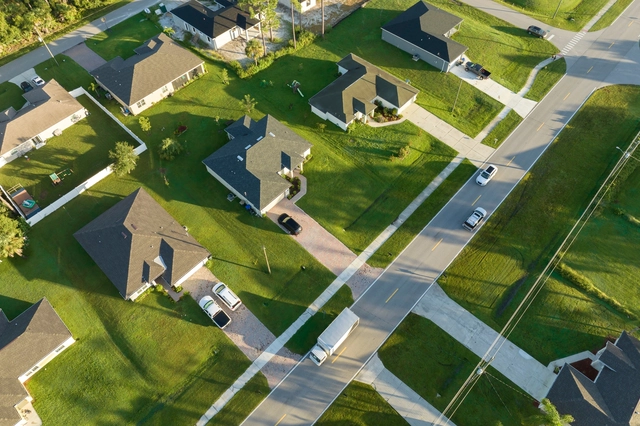
The almost cliché image of the white picket fence has become synonymous with the ideals of the American Dream. Behind the fence, there is invariably a perfectly manicured lawn, a green carpet upon which life can unfold. This image and its associations are not, however, accidental. In her book, "Domesticity at War", Beatriz Colomina notices that, since the Second World War, the lawn has taken a central space in the imagination of the country, becoming first a in order to make space for diversity, both social and ecological. symbol of the stability of the homes soldiers were hoping to return to, offering a space where those at home could still perform duties for the nation, and, after the war, propagating the image of an idealized lifestyle, one maintained with hard work and dedication. In recent years, the lawn has emerged once again as a site of conflict, this time between those hoping to preserve this idealized image, and those seeking to break the uniformity in order to make space for diversity, both social and ecological.
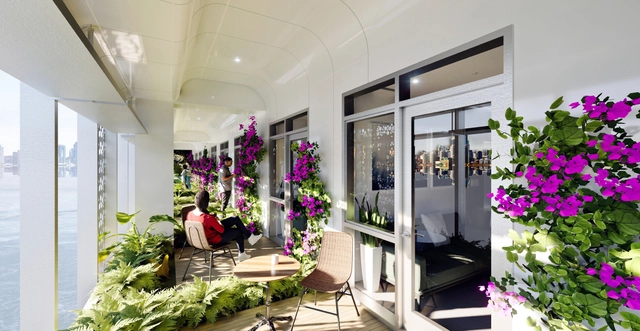
Buildner, in collaboration with building materials manufacturer Kingspan, has announced the winners of the MICROHOME Kingspan Edition, awarding a total prize fund of 150,000 EUR. This year's competition, now in its seventh edition, attracted professional and student architects and designers from 115 countries.
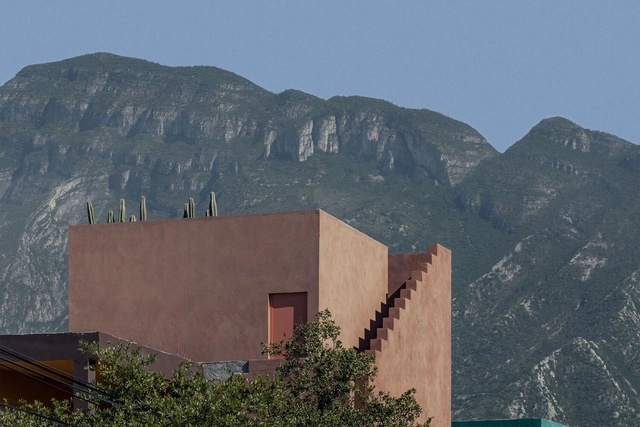
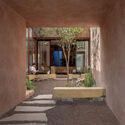
When we think of spaces that foster meditation, our minds often travel either to Japan's Zen gardens, where clean lines and carefully arranged landscaping call for stillness, or to Scandinavia's designs with neutral tones and soft fabrics. These styles evoke a sense of calm through simplicity, often seen as a characteristic of Japanese and Northern European architectural styles. Yet, stillness and meditation are not restricted to these types of settings. Latin American architectural traditions also offer powerful, though often overlooked, approaches to meditative spaces. With earthy tones of terracotta, rough adobe textures, intimate courtyards, and a strong connection to nature, these environments call for reflection through warmth and material richness, creating spaces that are calming without being understated.
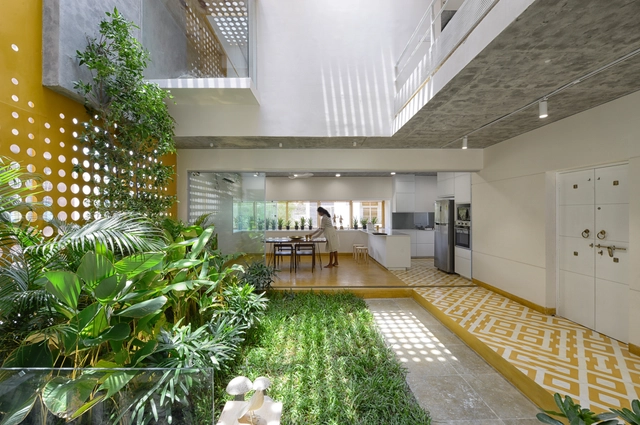
From subtle light beams to wide openings, skylights transform natural light into a powerful architectural tool, creating a dynamic interplay of light and shadow that adds movement and vitality to buildings. This intricate dance captivates not only with the patterns the light casts on surfaces but also with the practical benefits of overhead lighting, such as improved thermal comfort and enhanced well-being.
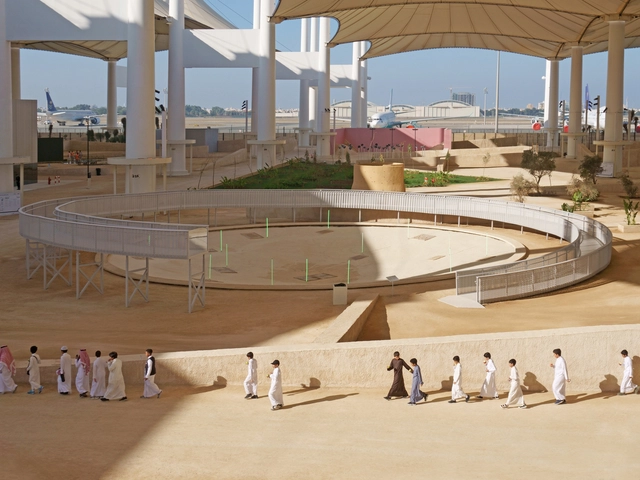
In his book "Curation: The Power of Selection in a World of Excess," Michael Bhaskar defines curation as "using acts of selection and arrangement (but also refining, reducing, displaying, simplifying, presenting, and explaining) to add value." Originating from the Latin word curare, meaning to take care of, the curator's role in dissecting our understanding of the world around us cannot be overlooked. Over time, as the definition morphs into different bodies, the practice of curation continues to evolve, filling the roles of caretakers of our built environment and thinkers of different forms for the overall bettering of society.
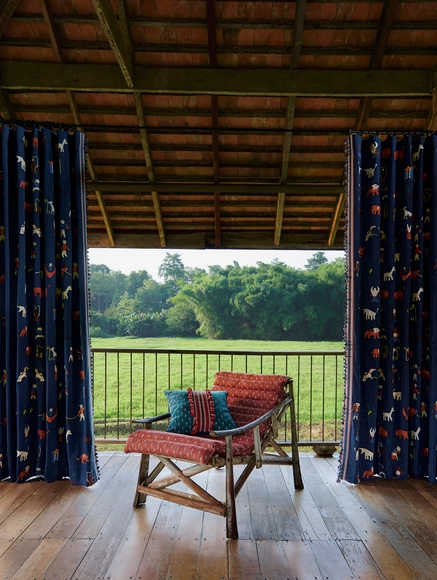
Today, there are only a handful of names in the contemporary world of textiles that have a significant historical legacy and an incredible biography woven into their backstory. Jim Thompson is rich in romance. The Delaware native was a serviceman in South Asia and working for the Office of Strategic Services (OSS), the U.S. intelligence agency. When the conflict ended, he found himself in Thailand, building a new life rooted in his fascination with the beauty and craft inherent to the nation. It was a time when silk weaving was threatened by machine-made fabrics and he discovered a community of exceptionally skilled silk weavers in Bangkok. He worked closely with them to develop production and introduced them to other talented weaving communities, including one in Pak Thong Chai, Korat – a province in the North East of Thailand. His efforts were instrumental in reviving Thailand's silk industry, a legacy that endures today.
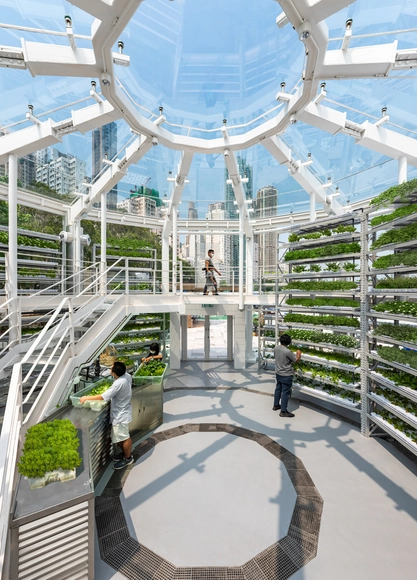
Crisis, crisis, crisis... and guess what? More crises. Every time we hear that word, it all feels more daunting. But here's the thing: with every challenge comes an opportunity. From the affordable housing shortage to the economic downturn and the climate emergency, there's always a new challenge, opening the door to new possibilities. But the truth is, none of these are isolated events; they're all interconnected in some way, forming different facets of the same story. Perhaps one of the least mentioned, particularly when it comes to the built environment, is the global food crisis, which is growing (almost) silently, waiting to take center stage. It poses various challenges for future food production, especially in cities.
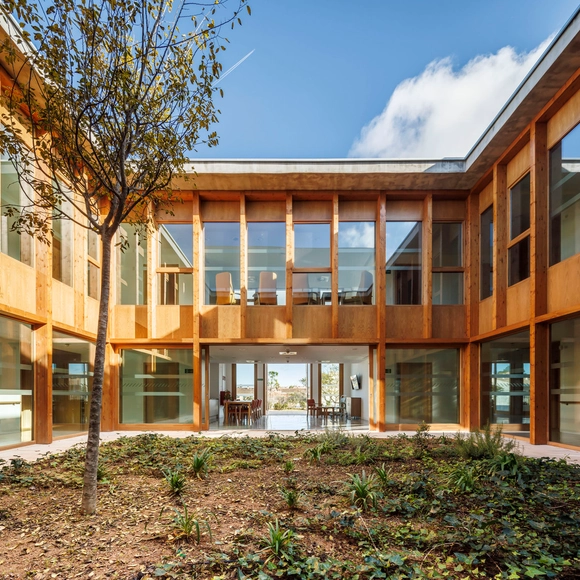
Faced with the aging of the global population, one of the most significant social transformations of the 21st century is anticipated. The design of patios, gardens, terraces, and other green areas in facilities for the elderly presents an opportunity to foster interaction, participation in various collective activities, and the establishment of gathering spaces aimed at reducing loneliness among older adults while enhancing well-being and social interaction in connection with nature. How can built environments be created to adapt to the needs of older adults?
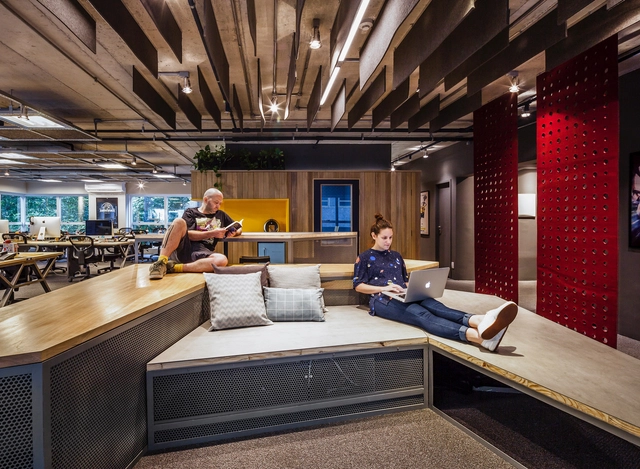
Imagine stepping into an environment that fully understands you, knows your habits, and actively works to support your wellbeing as an occupant. Air quality might be monitored and managed, and occupant circadian rhythms might be tracked to suggest ideal states of productivity. Workplace designers have been considering occupant wellbeing and health in their designs for offices of the future. Hypothesizing what time ahead may contain, there is a strong case to be made for sentient architecture and interior design being disruptive forces in how we interact with our work environments.
The Tianjin Binhai Library is an iconic building designed by MVRDV, located in the Tianjin Binhai New Area. Its intricate geometry invites exploration through advanced visualization techniques, enriching the storytelling and unveiling the design's full potential. This piece delves into how D5 Render creatively illustrates the visual narrative of this architectural gem through its real-time rendering and animation capabilities.
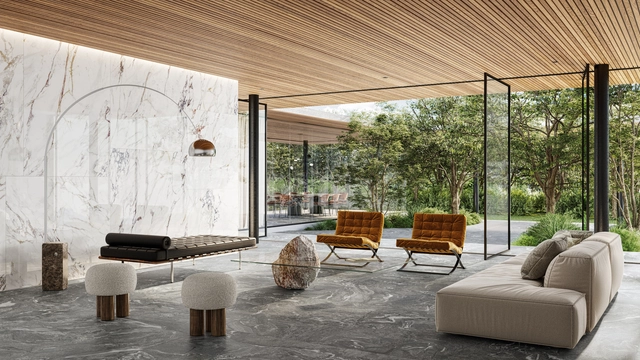
In 2024, the evolution of porcelain tiles has elevated the tactile experience to a new level, transforming them into true works of art. Produced with mineral texture printing technology, the collections feature striking reliefs in dimensions of 120 x 120 cm, 100 x 200 cm, 120 x 250 cm, 160 x 160 cm, and 160 x 320 cm, designed to awaken all the senses. Behind this advancement is Roca Brasil Cerámica, part of the Mexican LAMOSA Group, leading the Roca Cerâmica and Incepa brands.