
This guide covers a workflow that moves from project parameters to generated floor plans, 3D perspective views, exterior design exploration, and site context visualization, using AI tools in place of preliminary CAD and rendering work.
This guide covers a workflow that moves from project parameters to generated floor plans, 3D perspective views, exterior design exploration, and site context visualization, using AI tools in place of preliminary CAD and rendering work.
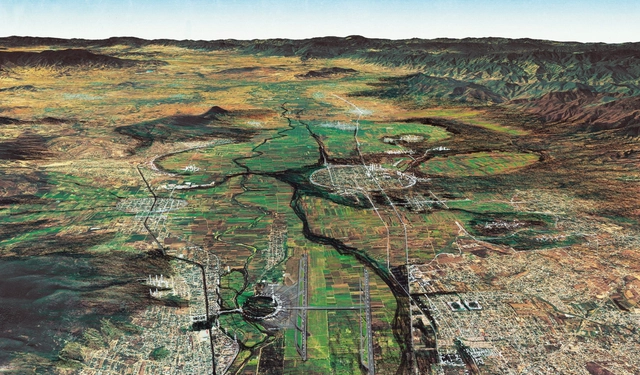
.jpg?1611548432 "Santa Fe, Mexico City. Image © Johny Miller")
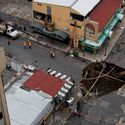
_22.43.53_(1).jpg?1611548822 "Mexico City During the COVID-19 Pandemic. Image © Santiago Arau")

When looking at the population of the world's metropolises, in this case Mexico City, the reality is that the majority of the people living there have migrated from other regions of the country and, sometimes, from other countries as well. Of course, thanks to the Covid-19 pandemic, companies and schools have gone virtual, and, with their work and studies no longer tied to urban centers, people have left in masse for the coast and other less populated areas in search of space and lower living costs.

The team at ruta 4 taller and architect Gregorio Ballén present the following research resulting from their undergraduate thesis at Pontificia Universidad Javeriana, with the goal of addressing the current environmental, social, economic, and political crisis. It is an investigation into new ways of co-creating architecture by including actors external to the discipline, and proposes experimentation in the co-design of spatial artifacts created in collaboration with animal species such as the silkworm.
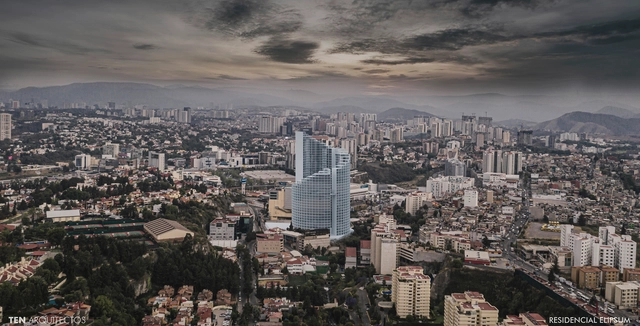
TEN Arquitectos is a practice based in Mexico City, New York, and Miami. Founded by Mexican architect Enrique Norten, the firm has 33 years of experience designing with a global perspective that yields a consistent international sensitivity when creating new spaces. This trajectory has been recognized with various national and international awards, including the Mies van der Rohe Award for Latin American Architecture, honors from the national American Institute of Architects (AIA) and several US chapters, Architectural Record, Architect Magazine, Architizer, Biennials in Mexico, Argentina, and Ecuador, and the Royal Institute of British Architects (RIBA), among others.
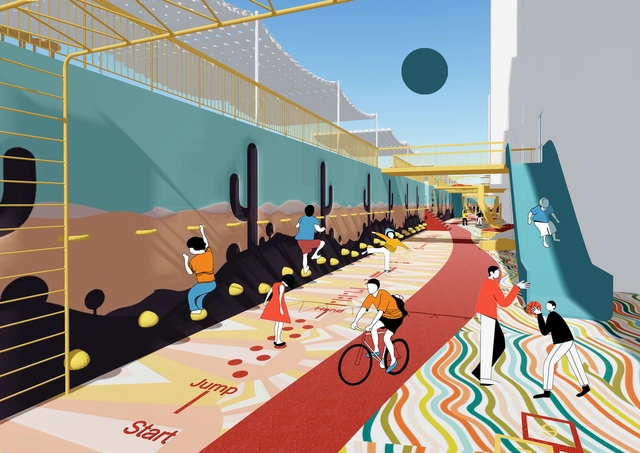
Looking at the urban environment, this week’s curated selection of the Best Unbuilt Architecture highlights interventions in public spaces, submitted by the ArchDaily Community. Suitable for this monthly topic, the article underlines worldwide approaches that tackle the challenges of these areas through the introduction of innovative solutions.
Exploring a multitude of methods fitting for different contexts, this feature presents a tactical urban strategy implemented in a neighborhood in Kosovo and micro-mobility measures in Italy. Other projects evoke public approaches in private developments and enhanced historical and cultural connections between parks, buildings, and cities. In addition, this roundup showcases conceptual interventions that tackle social distancing and the challenges of the pandemic, in order to allow people to move freely and safely across space.
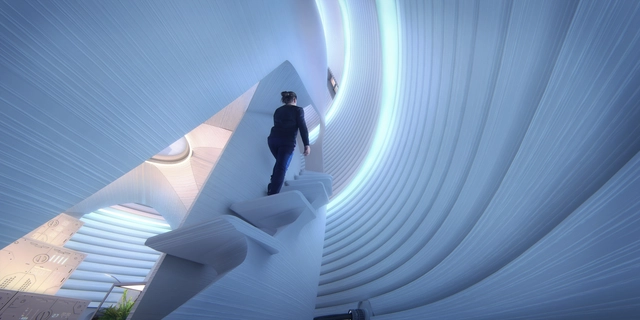
In Her, a 2013 film directed by Spike Jonze, a lonely writer develops a love affair with the virtual assistant of an operating system. Brave New World, a book written in 1932 by the English author Aldous Huxley, fabricates a dystopian society whose cult of efficiency and rationality creates a humanity that ignores hardship and pain but also represses love and freedom. In Mary Shelley's 1818 book Frankenstein, considered the first science fiction novel, a life is artificially created, producing a monster with human characteristics: wills, wishes, and fears. Whether describing the fear of artificial intelligence, the uncertainty produced by industrialization, or the limits of science, science fiction works reveal less about the future and much more about the moment in which they were created; they speak of the fears and hopes of their own time.
When we explore urban visions of the past anticipating the future, it is common to find exaggerated and even funny predictions. As for the promises of architecture and, consequently, of our cities, it is not an easy task to predict future developments clearly either. By looking at industry trends and using all of our imaginations, could we tell what cities will be like in tens or hundreds of years? Their materials, their appearance, their way of building and thinking? Will it be a more pristine and minimalist future or a more organic and complex future? How will new technologies and building materials affect the shape, aesthetics, and prosperity of the cities of tomorrow?

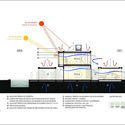
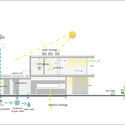
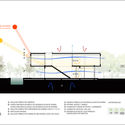
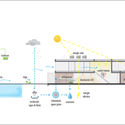
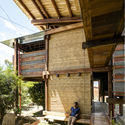
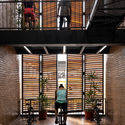
The principles of bio-climatic architecture, when applied with an understanding of the surrounding climate and geography, can simultaneously increase a building's efficiency and create a more comfortable living space. Passive measures like solar panels, rainwater and grey water harvesting, openings for natural light, and cross-ventilation are all low-cost, high yield methods of increasing a home's thermal comfort and efficiency and decreasing its carbon footprint.
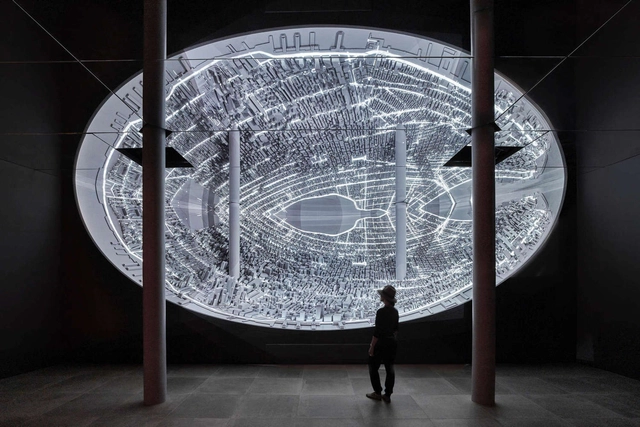
Are machines capable of design? Though a persistent question, it is one that increasingly accompanies discussions on architecture and the future of artificial intelligence. But what exactly is AI today? As we discover more about machine learning and generative design, we begin to see that these forms of "intelligence" extend beyond repetitive tasks and simulated operations. They've come to encompass cultural production, and in turn, design itself.
With the major happenings of the past year, our built environment and people’s needs within it seemed to change. Different ways of Architectural thinking and design solutions were put forth, showing how global events are capable of pushing the limits of the profession, increasing our responsibility, and also our opportunities to contribute to a better quality of life in every possible way. At ArchDaily, we have continued to connect with architects and designers from all over the globe and have shared diverse works, all displaying relevant implementations and architectural solutions that have an impact on our community.
In response to the published works, we have experienced different reader behaviors that indicate how architectural production can actually have an impact on designers and non-designers all over the world. This led us to create ArchDaily’s Annual Architecture Report which analyzes the most popular trends and topics in the architecture world over the past year, in an effort to understand, discuss and forecast the trends for 2021.
.jpg?1612319093&format=webp&width=640&height=580)
If you’ve been procrastinating, now is your last chance to enter your design for an A’ Design Award before the deadline on February 28. The international competition was "born out of the desire to underline the best designs and well-designed products" of designers, architects, and innovators from all design fields. Among other design competitions and awards, the A' Design Award stands out for its exceptional scale with over 100 design categories.

Chihuahua is a Mexican state in the northwest region of the country, sharing a border with Coahuila, Durango, Sinaloa, and Sonora as well as the US states of New Mexico and Texas. Chihuahua's largest urban center is Ciudad Juárez, an industrial hub situated on the U.S.- Mexico border right across from El Paso, Texas. Throughout the years, Juarez's economic landscape has been dominated by the maquilladora industry and, thanks to the crime wave between 2008-2012, it earned a spot on the list of the world's most violent cities.
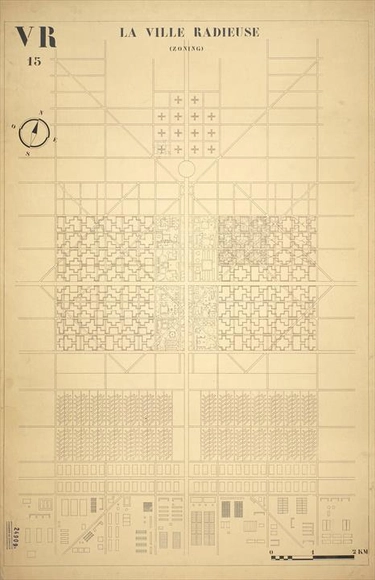
Throughout history, religious reformers and visionary starchitects have attempted to envision the future of our cities: from the Venetian model city of Palmanova to the multi-story housing complex for 5,000 people drafted by Italian architect Paolo Soleri, from Frank Lloyd Wright’s Broadacre City to Le Corbusier’s Radiant City, numerous masterplans have been crafted to illustrate some of the most unprecedented ambitions.
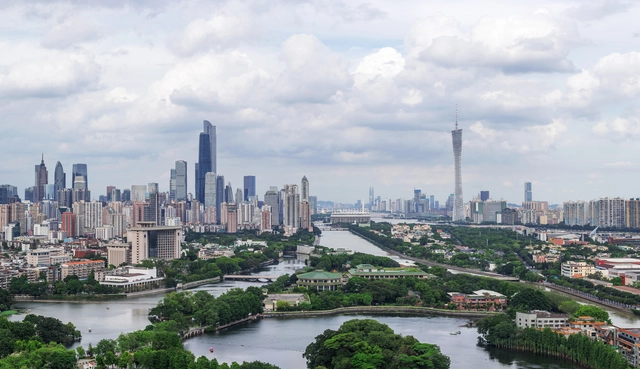
Many of our ideas about the cities of tomorrow are shifting as we confront today's pressing global challenges—from the climate crisis to how we will live together.

To live in the city and to experience the city is to be open to any and every event. Within a single day, we pass through different places and spatialities, with distinct compositions and tempos. No day is like another, as we are in constant motion, facing a random combination of events that affect both objects and subjects—shaping the spaces we traverse and the perceptions we experience. In light of this reflection, a discussion emerges on the effects of architecture and urbanism beyond the visual realm, linked to the individual's sense of belonging to space and based on urban form and dynamics. How can we grasp the effects of the object on the subject and vice versa? What is the materialized reading of the city as a reflection of societal actions?

When discussing bioclimatic architecture, the focus is primarily on practices that reduce energy consumption and the environmental impact of buildings, both during construction—for example, by using materials with a low carbon footprint or incorporating responsible processes tailored to the site—and during their lifespan. This approach results in passive architecture designed to minimize long-term energy use. This is achieved—either by supplementing mechanical ventilation, heating, and cooling systems with passive methods, or by relying entirely on alternative systems—by adapting the design, geometry, and orientation to the topography, climate, natural vegetation, solar radiation, and prevailing winds of the site.
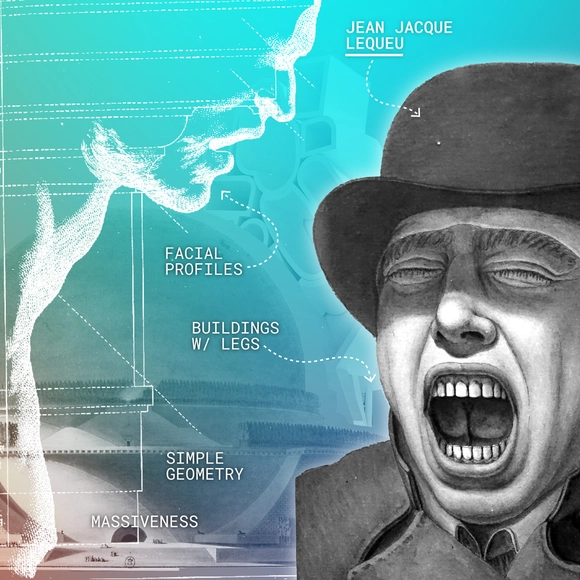
We’ve all commented on a building’s character before. An apartment might have it because of some special oak trim, or a building might not fit with the ‘character’ of its neighborhood. In this video, architectural designer and professor Stewart Hicks takes a close look at the meaning and origins of this elusive concept. Why do we use this word for both people and for buildings? Characters also occur in fiction, does that help explain how buildings tell stories? From the Enlightenment architects Ledoux, Boullée, and Lequeu, to the Beetlejuice house, to contemporary practices exploring what it might mean for a building to have a face or a posture, we get to the bottom of why architects might consider architectural character to be a good idea.
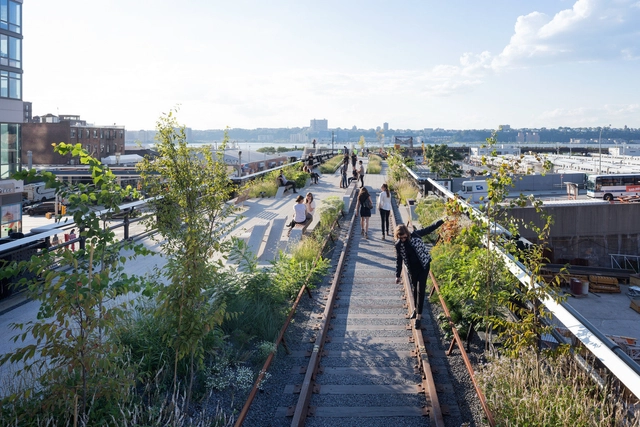
Understanding what drives economic, social, and educational disparities between communities is one of urbanism’s most critical and highly-discussed topics. It’s an increasingly complex issue, with many factors at play- one of them being the design and location of desirable urban green spaces. While sometimes they are a tool that helps to bolster underserved communities in terms of health and economic benefits, safety, and climate resistance, other times they can actually drive out the residents that they are created to serve. Now, the challenge lies in how to design these recreational sites to create better futures for all.
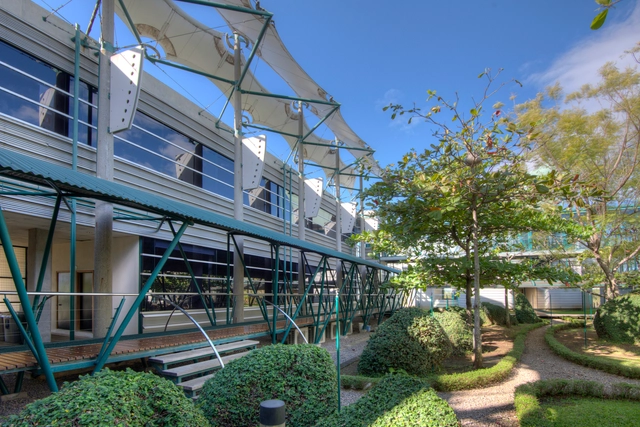
Certification of sustainable buildings has become a prominent trend in architecture over the last couple of years and while most people can agree on the importance of sustainability in building, how to achieve it leaves copious room for discussion.
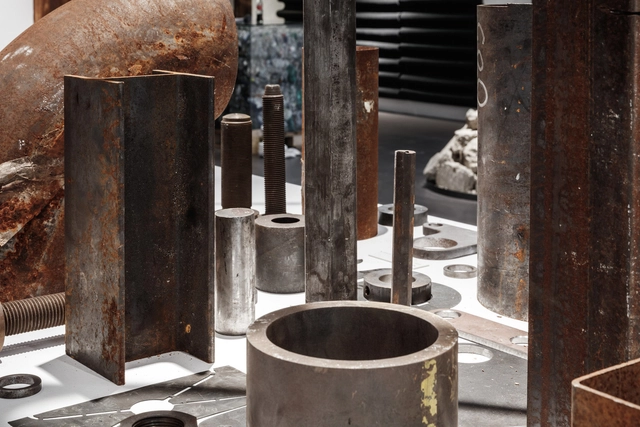
This article was originally published on Common Edge
In a Common Edge article, I briefly discussed a concept that I call the “Triple Bottom Lie,” which posits that more people, plus more consumption by each person, plus an economic system completely dependent on the aforementioned items, can just keep working forever, without consequences. Historically, the United States has accepted the economic shibboleth of endless growth because it reduced class conflict; a rising tide (supposedly) lifted all boats, rafts and yachts included. We are, however, approaching the limits of growth, from both a resource standpoint (we’re running out of raw materials) and a technological standpoint (our inventions are progressively less revolutionary).

Lighting brand ZERO presents HOOP: a luminaire designed by fellow-Swedish design group Front. An elliptical globe of light sits within a system of wire loops – its technology hidden to give it a magical feel. Watch the video to find out more...
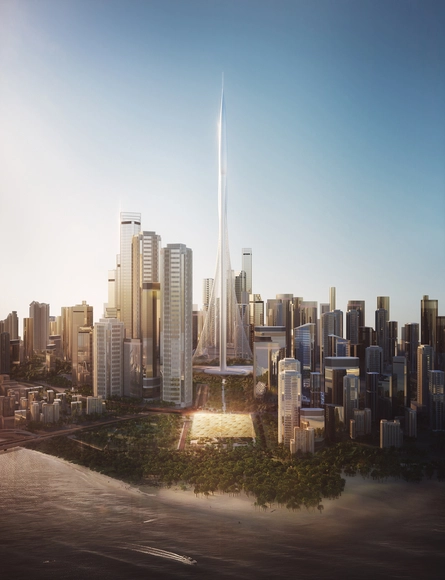
Extreme weather and conditions call for contextual architectural approaches. From sandy deserts to cold, icy climates, how we build is intimately tied to location. Drawing from diverse project sites around the world, architects and designers create proposals that construct and organize new ways to live, work and play. These unbuilt projects rethink traditional forms while addressing a wide range of landscape conditions.
This week’s curated selection of the Best Unbuilt Architecture focuses on diverse typologies in hot and cold climates around the world. Drawn from an array of firms and local contexts, they represent proposals submitted by the ArchDaily Community. They explore everything from generative design through a desert shelter in Siwa and a cave dwelling in China to a coastal development in Spain and a series of igloo habitats for penguins in Antarctica.
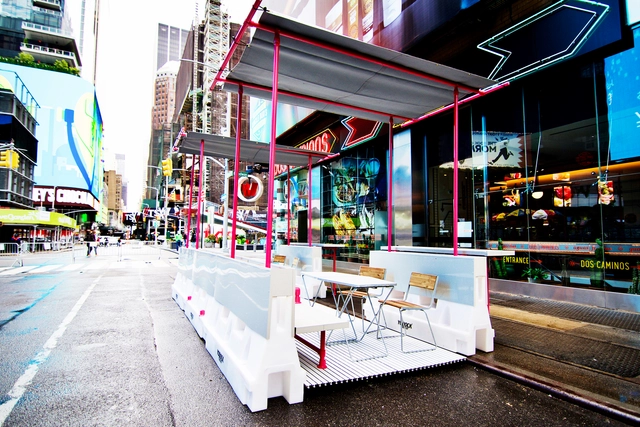
The global COVID-19 pandemic has forced us all to adapt quickly to new ways of living: new ways of working, communicating, buying groceries, and so much more. That adaptability is the key to navigating our changing world. Modular and flexible building systems can help us adapt our physical spaces to the new realities of social distancing or even to the need for rapidly deploying field hospitals.
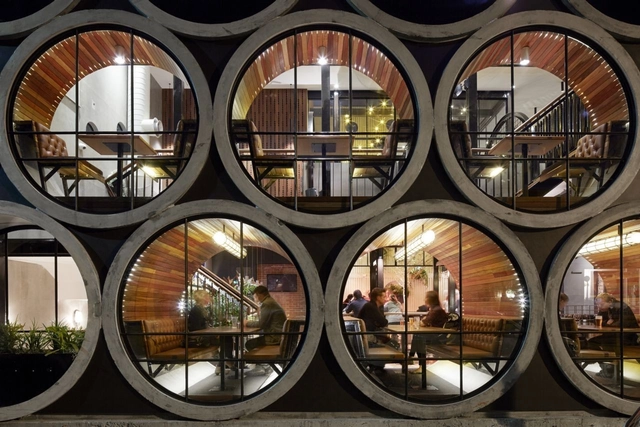
Urban infrastructures provide comfort to inhabitants and mitigate the risks of disasters such as flooding. Underground systems specifically conceal urban infrastructures from public view and are configured as real mazes under the streets. The distribution of drinking water, urban drainage, sewage, and even electrical wiring and fiber optics in some cases, pass under our feet without us noticing. To this end, the industry developed precast concrete parts for about 100 years that provided construction speed, adequate resistance to force, and durability against time. Concrete pipes with circular sections, in many diverse diameters, are perhaps the most used conduits and are ubiquitous around the world. But there are also those who use these apparently functional elements in creative architectural contexts as well.
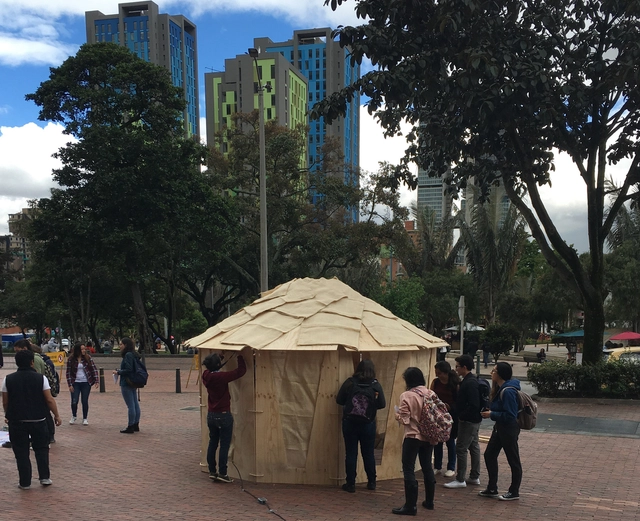
Some administrative decisions affect populations to varying degrees. The signing of the agreement between the Colombian government—and guarantor countries—and the FARC-EP was one of the most anticipated events for over 40 million Colombians and multiple generations affected by the internal armed conflict. Yet, the path was not easy, and deep polarization surrounded an agreement that would bring an undeniable benefit to everyone, regardless of political affiliation: peace.

Architect Erich Coufal (1926–2021) traveled from his native Vienna, Austria, to Guadalajara, Mexico, at just 24 years of age, ultimately remaining in the city for the rest of his life. Here, he left a fundamental legacy for Modern architecture in Guadalajara and Mexico. An immigrant who adopted the city as his own, he often said he was born twice: first in Vienna in 1926, and second in Guadalajara in 1950.


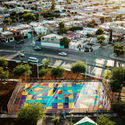
(%C2%A9minorormajor).jpg?1612954566 "Oasis-Playground. Image Courtesy of Studio Minorormajor")





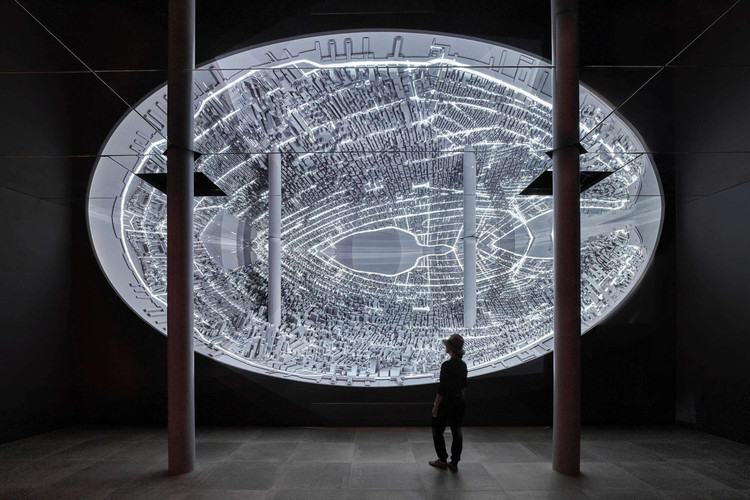


.jpg?1612319093)



.jpg?1612411982 "Courtesy of Sajjad Navidi")



.jpg?1612365403 "De izq. a der.: Horst Hartung, Silvio Alberti y Eric Coufal. Fotografía: Libro. La fundación de un sueño. Image Cortesía de coolhuntermx")
.jpg?1612365405 "Reunión de los profesores de la Escuela de Arquitectura. De Izquierda a derecha: Jorge Hermosillo (secretario), Ignacio Díaz Morales, (Director), José Villagrán García (Asesor), Bruno Cadore, Horst Hartung, José Tapia. De espaldas aparecen: Carlo Kovacevich, Erich Coufal y Mathias Goeritz. Fotografía: Libro. La fundación de un sueño. Image Cortesía de coolhuntermx")
.jpg?1612385964 "Teatro Experimental de Jalisco, West Facade (2010). Image © Enrique Rivera-Valdivia / Albertina")
.jpg?1612385938 "Casa de las Artesanías (2016). Image © Mónica del Arenal / Albertina")
