1. ArchDaily
  2. Articles

Articles

Roofless Country: The Future of Housing in Mexico

Subscriber Access | 

Since the pandemic, urban issues have become more pressing than ever for many people in Latin America. COVID-19 triggered a turbulent shift in the real estate market, driven both by speculation in second-home markets and the influx of “digital nomads” in cities like Medellín, Buenos Aires, and Mexico City.

Raio-que-o-parta: Architecture Between Shards and Colors in Pará

Subscriber Access | 

Modernism in Brazil was shaped by various facets and conceptions of progress. In architecture, one of the primary aesthetic languages used to express this was ceramic tile panels, as seen in the work of artists such as Athos Bulcão, Cândido Portinari, and Burle Marx.

In the northern region, specifically in the state of Pará, the Modernist movement arrived adapted to local standards. This was reflected in the widespread use of parapets to conceal roofs, gardens featuring native plants, wooden window frames, and facades clad in ceramic tiles, among other features. Furthermore, engineers and architects of the era, such as Ruy Meira and his nephew Alcyr Meira, designed several murals across the region using both whole and broken tiles. 

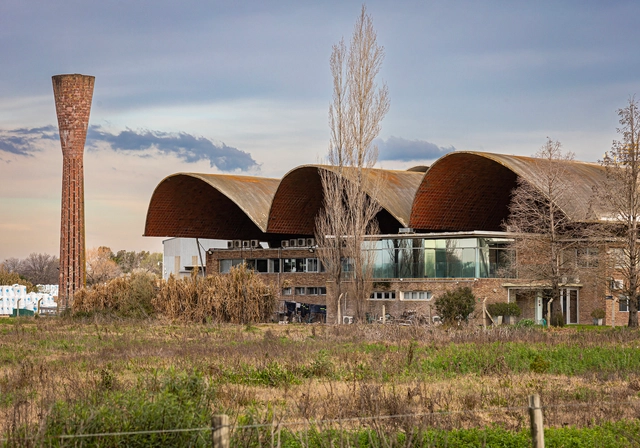
Raio-que-o-parta: Architecture Between Shards and Colors in Pará - Imagen 1 de 4Raio-que-o-parta: Architecture Between Shards and Colors in Pará - Imagen 2 de 4Raio-que-o-parta: Architecture Between Shards and Colors in Pará - Imagen 3 de 4Raio-que-o-parta: Architecture Between Shards and Colors in Pará - Imagen 4 de 4Raio-que-o-parta: Architecture Between Shards and Colors in Pará - More Images+ 6

Reinterpreting the past: The iconic pavilion in the Plaza de la Constitución designed by Montserrat Palmer in 1972

Subscriber Access | 

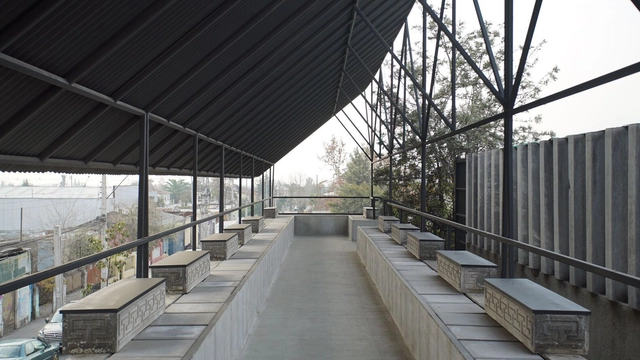
The Exhibition Pavilion for the 2023 Chilean Biennial of Architecture and Urbanism was located in the Plaza de la Constitución, just steps from the Palacio de La Moneda. The structure references and reinterprets a pavilion designed on this very site in 1972 by architect Montserrat Palmer for the Ministry of Public Works (MOP) to mark the opening of UNCTAD III—the headquarters of the Third United Nations Conference on Trade and Development in the Third World.

Sukabumi Stone Pools: A Versatile Aesthetic Proposal

Subscriber Access | 

Pool design is an opportunity to create sophisticated, relaxing spaces that complement and enhance their surroundings. When choosing materials, it is essential to look for options that are not only aesthetically appealing but also durable and wear-resistant. One material that meets all these criteria is Sukabumi stone.

This natural stone is quarried in the region from which it takes its name, Sukabumi, Indonesia. In addition to its visual appeal and emerald green color, Sukabumi stone has slip-resistant properties and is highly resistant to erosion. These qualities make it a popular choice for pool projects and decorative accents with a natural aesthetic worldwide.

Excavated architecture: heritage of the past and a possibility for the future

Subscriber Access | 

In the dawn of humanity, communities instinctively organized themselves based on local conditions, available resources, and their way of life. While nomadic groups created solutions for temporary occupation—often carrying shelters among their belongings—settled groups also developed ways to occupy available spaces, establishing construction techniques that have evolved to this day.

One such way of dwelling, which conventional architecture eventually sidelined—to the point of it acquiring a fantastical status in popular culture—was the occupation of cavernous or excavated spaces. Yet, this remains an ancient practice that leverages vernacular techniques to adapt to climate conditions and expand architectural possibilities.

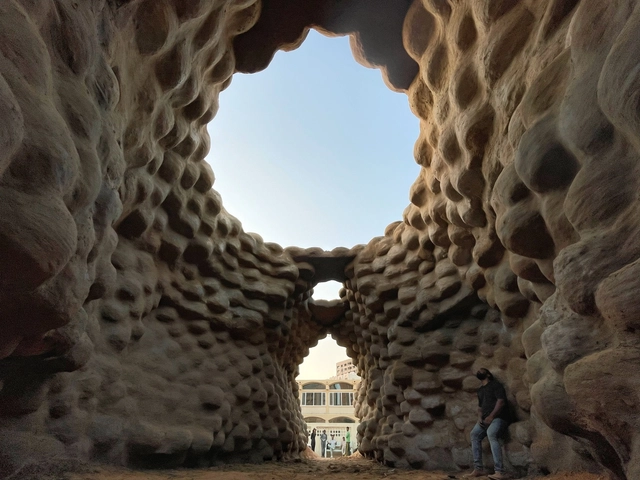
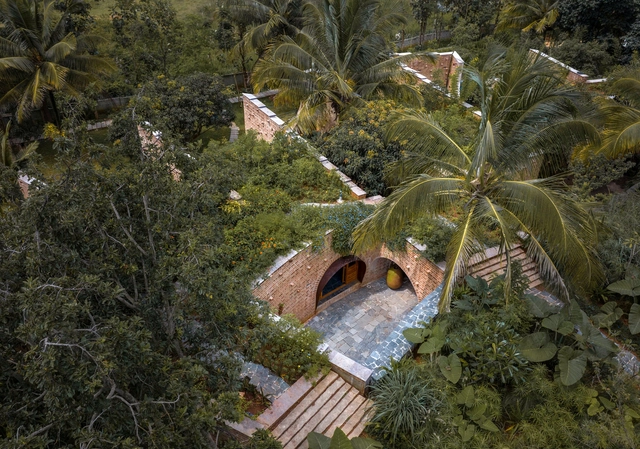
Excavated architecture: heritage of the past and a possibility for the future - 6 的图像 4Excavated architecture: heritage of the past and a possibility for the future - 2 的图像 4Excavated architecture: heritage of the past and a possibility for the future - 4 的图像 4Excavated architecture: heritage of the past and a possibility for the future - 1 的图像 4Excavated architecture: heritage of the past and a possibility for the future - More Images+ 2

Grid urban design: the forgotten art of city-making

Subscriber Access | 

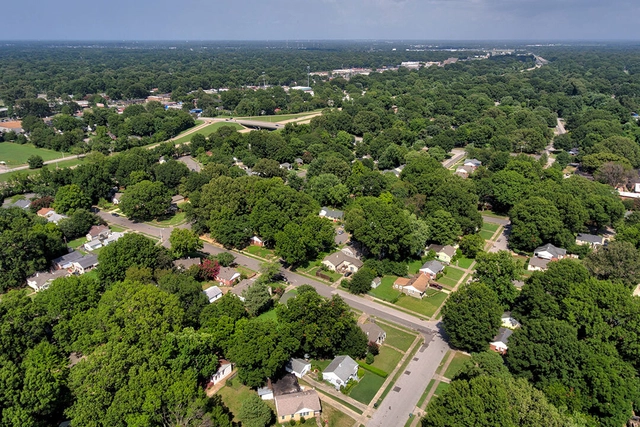
Navigating certain cities around the world is remarkably easy to grasp, just as finding an address without GPS is not particularly difficult, even for first-time visitors. Urban design explains this ease of navigation. Urban spaces designed on a grid, such as Barcelona (Spain), New York, Chicago, and Phoenix (US), and Toronto (Canada)—where streets intersect at right angles to form a gridiron pattern—make orientation intuitive and optimize spatial utility.

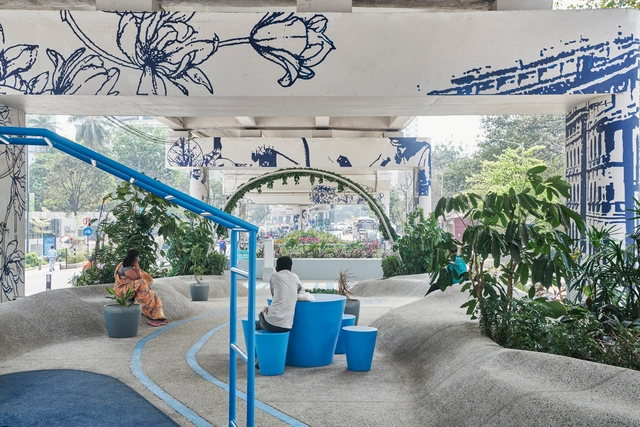
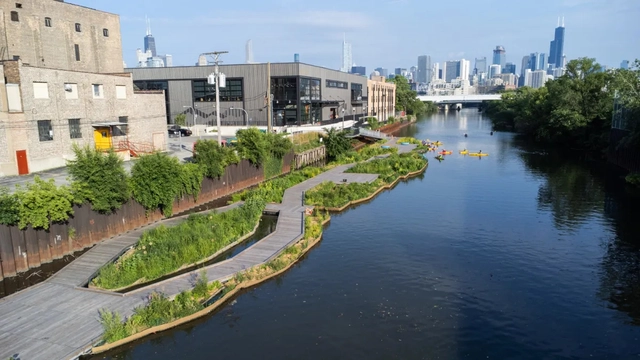
Grid urban design: the forgotten art of city-making - Imagem 1 de 4Grid urban design: the forgotten art of city-making - Imagem 2 de 4Grid urban design: the forgotten art of city-making - Imagem 3 de 4Grid urban design: the forgotten art of city-making - Imagem 4 de 4Grid urban design: the forgotten art of city-making - More Images+ 1

What is the future of lighting?

Subscriber Access | 

From fire in prehistoric caves to public lighting in smart cities, illumination has constantly evolved alongside technological advancements. In recent years, however, it has begun to shift even more significantly in terms of design and functionality, driven by a growing awareness of its impact on the environment and human health.

How Were Four Highly Realized Projects Co-Created and Co-Imagined? A Recap of the Jianri Building Materials Forum

Subscriber Access | 

On December 10, 2022, ArchDaily successfully hosted the inaugural "Co-Creation & Co-Ideation" forum for ArchDaily Building Materials (Jianri Zhucai). The event featured seven guest speakers who shared their stories about materials: Libin Chen (Partner at David Chipperfield Architects Shanghai), Jing Lin (Senior Project Architect / Associate Director at SHL Architects), Shuangquan Ni (Marketing Director at Avarte), Yi Yao (Deputy General Manager of the Design Management Department of China Resources Land East China Region), Zhou Qing (Deputy General Manager and Design Director at GOA), Isabel (Residential Project Manager at iGuzzini), and Chunyan Cai (Principal of Atelier Tao+C). Additionally, Shuang Han, ArchDaily China's Editor-in-Chief, introduced our decision to launch a WeChat Mini Program to enter the building materials sector, along with our future plans. We would like to extend our special thanks to China Resources Land for providing the venue, to our sponsors iGuzzini and Avarte for their generous support, and to all the attendees.

Color Palette Trends 2023: Natural Inspiration

Subscriber Access | 

Choosing color palettes plays a fundamental role in any design strategy. Beyond their influence on aesthetics, spatial perception, and emotion, selected colors can define the character of an environment. When choosing a color palette, it is essential to consider the context, the building's use, and the lifestyle of its inhabitants, while also accounting for how the colors interact—whether as complementary hues, highlights, or counterpoints to predominant tones.

In addition to enhancing interior comfort, colors profoundly influence user perception and behavior. Alongside structural and ornamental elements, paint choices complete the definition of color palettes in architecture and design. As they do every year, Sherwin-Williams has presented its color trends—this year introducing Terra Colormix 2023, which features 40 trending colors inspired by the rich interweaving of our lives and spaces. Below, we present various color palettes tailored to different types of projects—such as workspaces, educational and healthcare centers, multifamily buildings, contemporary residences, and hospitality spaces—showcasing the versatility of this collection through practical applications.

Exploring: Restoration and Durability of Contemporary Exposed Concrete Architecture | 19 Completed Projects

Subscriber Access | 

Founded in 2006, Shanghai Hetai Architectural Decoration Co., Ltd. has spent the past 17 years specializing in the research and practice of fair-faced concrete restoration and long-term protection, as well as the creation of fair-faced concrete finishes (weather-resistant Portland cement and weather-resistant white cement finishes). Through rigorous product selection, performance testing, process exploration, project application, and technological innovation, the company has successfully completed the restoration and long-term protection of 36 fair-faced and conventional concrete buildings cast across various periods. Additionally, they have completed nine fair-faced concrete finish projects alongside ongoing weather-resistance and stability testing spanning 10 to 16 years.

Places of Origin, Archaeologies of the Future: Brazil's "Terra" Pavilion at the Venice Biennale

Subscriber Access | 

Terra is the title of Brazil's participation in the 2023 Venice Architecture Biennale, an exhibition curated by Gabriela de Matos and Paulo Tavares that occupies the spaces of the Brazilian pavilion at the Giardini. Divided into two galleries, the exhibition challenges the canons of modern architecture while seeking alternatives for a decolonized and decarbonized future in marginalized ancestral narratives. Terra is the first Brazilian pavilion to be awarded the Venice Architecture Biennale's highest honor, the Golden Lion.

In an effort to expand access to the content exhibited in Venice, we present here the texts and images from the second gallery, titled Places of Origin, Archaeologies of the Future. The first gallery, Decolonizing the Canon, can be revisited here. ArchDaily would like to thank the Fundação Bienal de São Paulo, which generously provided the material from the Terra pavilion for this publication.

Places of Origin, Archaeologies of the Future: Brazil's "Terra" Pavilion at the Venice Biennale - 1 的图像 4Places of Origin, Archaeologies of the Future: Brazil's "Terra" Pavilion at the Venice Biennale - 2 的图像 4Places of Origin, Archaeologies of the Future: Brazil's "Terra" Pavilion at the Venice Biennale - 3 的图像 4Places of Origin, Archaeologies of the Future: Brazil's "Terra" Pavilion at the Venice Biennale - 4 的图像 4Places of Origin, Archaeologies of the Future: Brazil's Terra Pavilion at the Venice Biennale - More Images+ 15

For an End to Power Sector Subsidies for the Occupation of High-Risk Areas

Subscriber Access | 

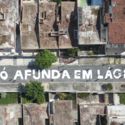
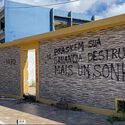
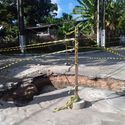
During periods of heavy rainfall, news of urban disasters such as landslides, floods, and waterlogging is recurrent, resulting in loss of life and severe property damage. In most cases, the vulnerability of the affected areas was already well known, yet their occupation was not prevented. As a rule, these devastated areas are reoccupied by survivors as quickly as possible, without any mitigation work being done to eliminate the risk.

The Need for Design Literacy for All

Subscriber Access | 

While design has become increasingly professionalized over the years, design literacy and visual thinking—the ability to understand and interpret visual resources—are becoming non-negotiable in many workplaces, even for those who do not consider themselves designers.

Visual thinking is the tool of processing information visually, using the emotional and creative parts of the brain to organize data intuitively and simultaneously through drawings, graphics, and strong aesthetic clarity and color theory.

Monserrate Canal Promenade and Plaza: Renaturalization and Water Memory in a Traditional Neighborhood of Downtown Lima

Subscriber Access | 

As part of the 66 interventions planned under the Rímac River Special Landscape Project (PEPRR)—and developed by the Public Space Projects team at PROLIMA (Program for the Recovery of the Historic Center of Lima)—the Monserrate Canal Promenade and Plaza project in the Historic Center of Lima seeks the comprehensive revitalization of the historic Monserrate neighborhood. By highlighting the archaeological heritage of the canal, the project aims to integrate the memory of the historic landscape and the identity of its residents into the public space.

Open Question: What will the future of lighting be?

Subscriber Access | 

From fire in prehistoric caves to street lighting in smart cities, lighting has evolved steadily alongside technological advancements. In recent years, however, it has begun to transform even more significantly in terms of design and functionality, driven by a growing awareness of its impact on the environment and human health.

5 Modular Kitchen Styles and How to Combine Them

Subscriber Access | 

The role of fire in human development is undeniable. Our ancestors leveraged this discovery to cope with low temperatures, protect themselves from predators, and cook food to make it more digestible. Over time, the ritual of cooking evolved from a simple open-air campfire to enclosing fire within chambers. These chambers gradually became more sophisticated over the years, eventually transforming into the complex, modern elements that served as the starting point for the emergence of kitchens as social architectural spaces.

Regardless of its size or layout, the kitchen as a shared space has preserved its ritualistic nature to this day. In ancient times, we gathered around the fire to prepare food and tell stories; today, we meet in our home kitchens to connect with one another. The importance of this space in daily life is enhanced by kitchen furniture lines like Wasser, a brand distributed by CHC that balances aesthetics and functionality, conceiving kitchens as utilitarian and social spaces, with special attention paid to design.

Benevides, Jundiaí, and Fortaleza Win Walkable City Award

Subscriber Access | 

Addressing the climate crisis urgently requires transforming urban lifestyles, as cities are major polluters and energy consumers. Re-evaluating motorized vehicle use, particularly individual transport, is one of the necessary shifts in urban centers. Cities that offer safety for pedestrians, cyclists, and an efficient public transit network are increasingly essential.

Encouraging the development of urban centers where people can move actively—on foot and by bicycle—for their daily activities is the path promoted by the Instituto Caminhabilidade. To this end, it established the Walkable City Award, which highlights and inspires initiatives for walkable cities in Brazil.


Lessons from Recife's Porto Digital

Subscriber Access | 

There are many reasons why some urban areas deteriorate while others thrive, including economic, planning, social, and cultural factors, as well as sheer chance. Understanding these dynamics—and, more importantly, minimizing the risk of decay while fostering vitality in urban areas—is a recurring theme in urban planning, driven by the shared and legitimate desire to live in beautiful, pleasant, and prosperous environments.

Sordo Madaleno Arquitectos presents "Urban Transformation," an exhibition showcasing 85 years of practice.

Subscriber Access | 

Today, February 17, the exhibition "Urban Transformation: Sordo Madaleno Arquitectos" opens at the Palacio de Cultura Citibanamex - Palacio de Iturbide in Mexico City. Organized in collaboration with the Banco Nacional de México, through Fomento Cultural Citibanamex, A.C., and the Fundación Sordo Madaleno A.C., the exhibition chronicles the firm's 85-year history. It constructs a narrative drawn from more than 450 projects, presenting a curated selection of 62 architectural works built in Mexico and abroad to serve a variety of programs.

Benefits of thermobonding in thermal insulation for roofs, ventilated floors, and partition walls

Proper home insulation and selecting the right materials are fundamental when undertaking a construction project. These strategies enhance interior comfort and serve as a long-term cost-saving measure.

How has contemporary Brazilian architecture conceptualized educational spaces?

Subscriber Access | 

Today, Brazil celebrates Student Day. Established in 1927, the date marks access to a fundamental right for all citizens: education. Nearly a century later, new pedagogies and ways of looking at learning have emerged, bringing with them new architectures that embrace both pedagogical and technical advancements. With this in mind, we have gathered seven examples of Brazilian educational spaces designed after 2020. Through solutions that highlight key design aspects, these projects help outline a brief overview of contemporary references on the subject.

How has contemporary Brazilian architecture conceptualized educational spaces? - Imagem 1 de 4How has contemporary Brazilian architecture conceptualized educational spaces? - Imagem 2 de 4How has contemporary Brazilian architecture conceptualized educational spaces? - Imagem 3 de 4How has contemporary Brazilian architecture conceptualized educational spaces? - Imagem 4 de 4How has contemporary Brazilian architecture conceptualized educational spaces? - More Images+ 15

Children's Street: urban intervention co-created with public school students in São Paulo

Subscriber Access | 

Over the last few decades, cities have undergone profound and rapid transformations, which have also significantly impacted childhood. While cities grow larger and increasingly complex, the child population is facing a stark decline in urban quality of life. Children have lost their spaces in the city and are increasingly confined to enclosed, institutionalized environments.

The perception of the city as dangerous has grown stronger, establishing a self-reinforcing cycle: with fewer children on the streets, these spaces are dominated by speeding cars, which hinders public use of space, in turn fostering violence and further driving children—and everyone else—away from the streets. The rarity of children playing on streets and in other public areas of urban centers also makes this demographic largely invisible to adults and policymakers.

Children's Street: urban intervention co-created with public school students in São Paulo - Imagen 1 de 4Children's Street: urban intervention co-created with public school students in São Paulo - Imagen 2 de 4Children's Street: urban intervention co-created with public school students in São Paulo - Imagen 3 de 4Children's Street: urban intervention co-created with public school students in São Paulo - Imagen 4 de 4Children's Street: urban intervention co-created with public school students in São Paulo - More Images+ 3

Neuroarchitecture and inclusive wayfinding: new paths for diverse minds

Subscriber Access | 

Increasingly robust and promising scientific evidence can assist architects and other designers seeking inclusive design by taking diverse minds into account—that is, creating built environments that engage with neurodiversity. Neurodiversity has always been a part of humanity. The term encompasses people with a wide range of neurological conditions and was coined by sociologist Judy Singer in 1999.

Neuroarchitecture and inclusive wayfinding: new paths for diverse minds - Imagen 1 de 4Neuroarchitecture and inclusive wayfinding: new paths for diverse minds - Imagen 2 de 4Neuroarchitecture and inclusive wayfinding: new paths for diverse minds - Imagen 3 de 4Neuroarchitecture and inclusive wayfinding: new paths for diverse minds - Imagen 4 de 4Neuroarchitecture and inclusive wayfinding: new paths for diverse minds - More Images+ 2

These are the architectural design projects from the "Jóvenes Creadores 2021-2022" program for FONCA.

Subscriber Access | 

Each year, the National Fund for Culture and the Arts (FONCA), through the National System of Art Creators (SNCA), honors key figures of excellence in national culture through the Young Creators Program. By providing grants, the program supports the creative and educational development of young Mexican artists, fostering favorable conditions for the execution of original, meaningful, and positive creative projects. For this edition, the grant recipients in the “Architectural Design” category were Ruy Berumen, Diego González, Juan José Kochen, Ignacio Pérez, Elsa Ponce, Luca Salas, and Tania Tovar, who worked under the mentorship of tutors Elena Tudela Rivadeneyra, Rafael Ponce Ortiz, and Patricia Ivonne Álvarez De Anda.

You've started following your first account!

Did you know?

You'll now receive updates based on what you follow! Personalize your stream and start following your favorite authors, offices and users.