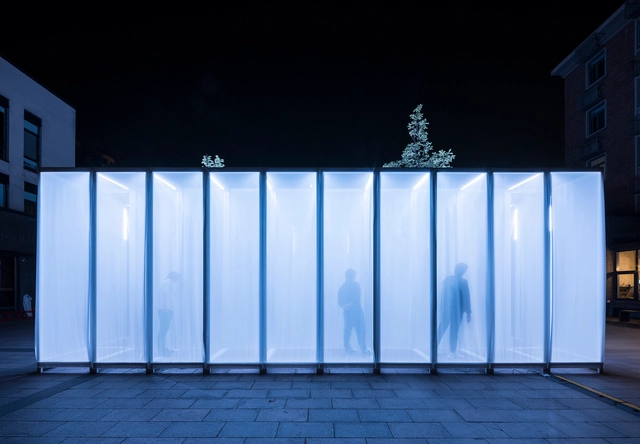
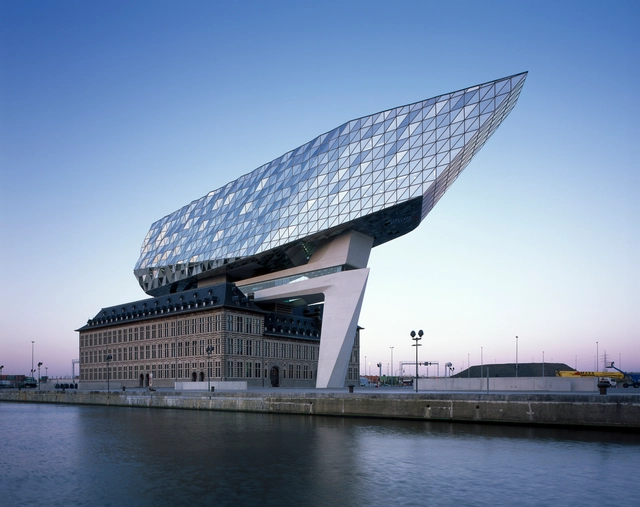
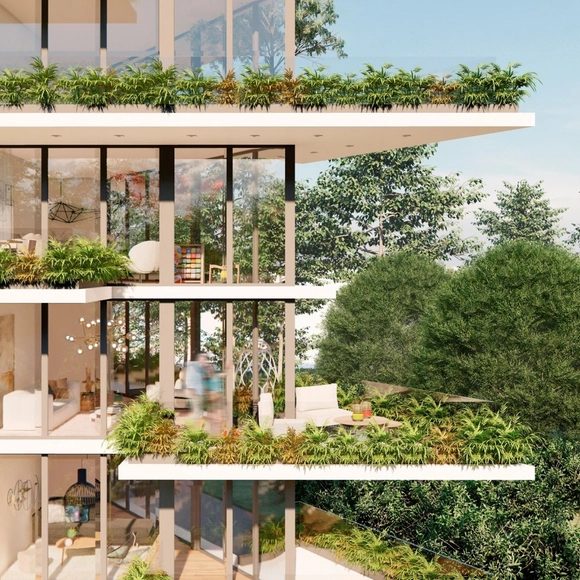
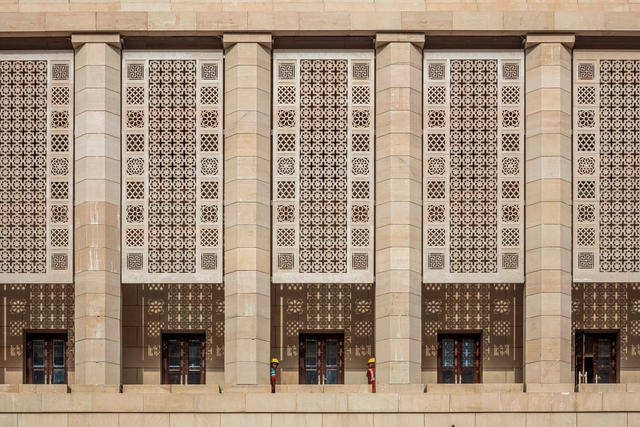
Translucency, at its essence, is an optical property that enables the total or partial passage of light through materials, without providing a clear view of the objects behind them. Despite its apparent simplicity, this property has fascinating applications in the architectural field, generating attractive and powerful proposals that play with light without obstructing views.
Traditionally, glass sheets have been the symbolic material associated with transparency, commonly used in the fabrication of doors and windows. However, technological advances in production and the exploration of innovative materials have significantly expanded the opportunities to take advantage of this property in both interior and exterior applications. These advances challenge preconceived limitations and encourage creativity in the development of novel architectural proposals.
https://www.archdaily.com/1013517/seeing-through-layers-translucent-materials-in-architectureEnrique Tovar
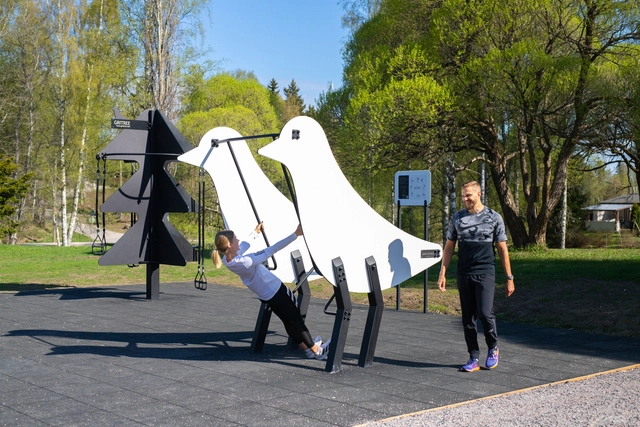
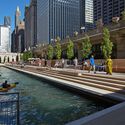
In modern-day urban environments, green spaces such as gardens, home yards and public parks are becoming increasingly important to provide balance to our day-to-day lives. In the case of playgrounds, which are key public spaces for children, the question arises: if we make playgrounds for children to spend time and play in, why shouldn’t we extend this idea to serve adults as well? Adults need to be present in playgrounds, accompanying their children, so why not extend these areas to become interesting and inclusive for adults too?
Any historiography of architecture is inherently implicated and incomplete by definition: implicated because it demonstrates the interpretation and curation of examples by the one who writes it, and incomplete because, in this selection, divergent examples often fall outside the "official" timeline. However, the ability to trace forms, their application, and repetition over historical periods separated by centuries is always a good indication of genealogy. This lineage situates examples and broadens repertoire.
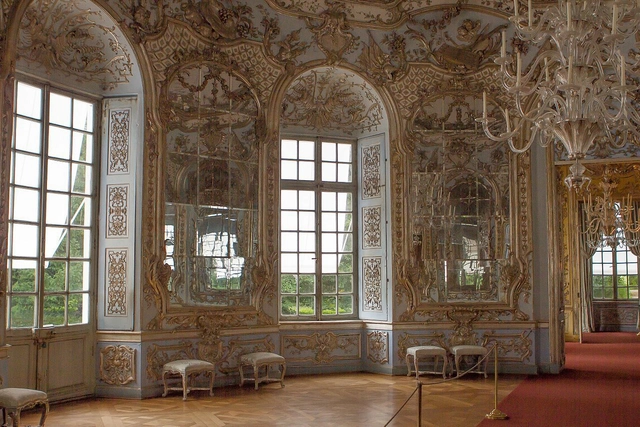
A historiography of architecture can bridge past-century elements and movements considered 'outdated' with contemporary forms and applications, establishing a nexus of relationships that offer conceptual and design insights. By categorizing specific styles, notable features are emphasized, often resonating with present-day scenarios as suggested by bibliographical sources, which holds even for seemingly distant connections, as exemplified by the Rococo.
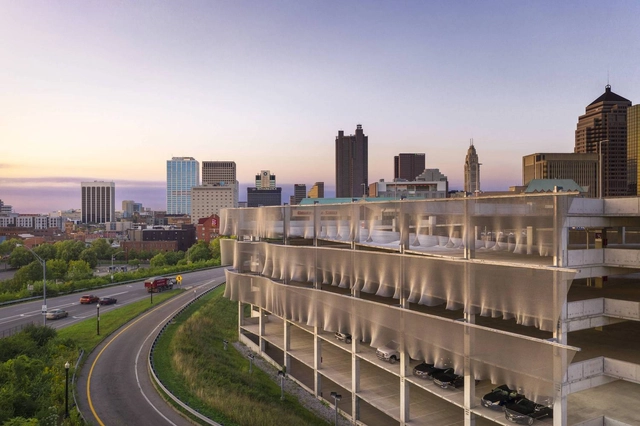
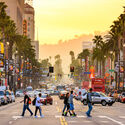
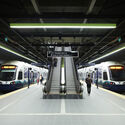
Urban mobility in the United States has seen a radical transformation with the introduction of ridesharing services in the late 2000s. The widespread adoption of services such as Uber and Lyft has altered the way citizens move around cities, offering convenience, flexibility, and accessibility like never before. The innovative business model that excels at designing for individual users failed to foresee larger implications at the scale of the city - congestion, public transit systems, and car ownership. While European countries such as Brussels have pledged to encourage public transportation to curb traffic congestion issues, American cities hunt for solutions of their own.
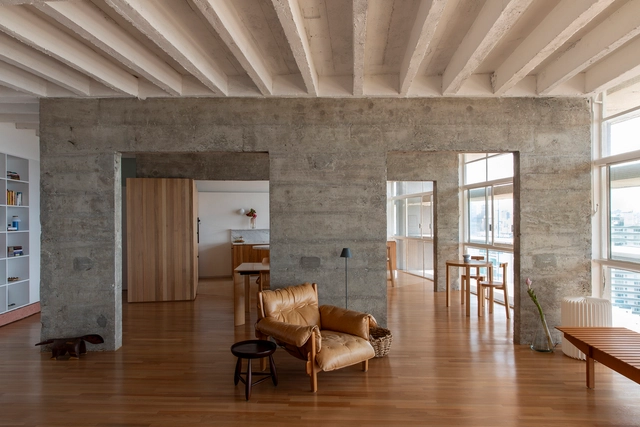
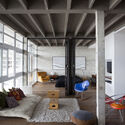
The landscape of downtown São Paulo would not be the same without the presence of Copan. The building inserts Niemeyer's curves into São Paulo's dense verticality, creating a distinctive rhythm that becomes a landmark for all who encounter it. Besides accommodating around five thousand residents, the building serves various purposes, offering different typologies for its residential programs, varying apartment sizes, and prioritizing diversity among its tenants. Differences also emerge when we examine how each person inhabits a standard floor plan; renovations proposing distinct finishes and new layouts reflect the character of each resident but also showcase the inventiveness of the architects intervening in this classic structure. Thus, we gather here projects realized within this icon to demonstrate how each home is unique, even when created in series.
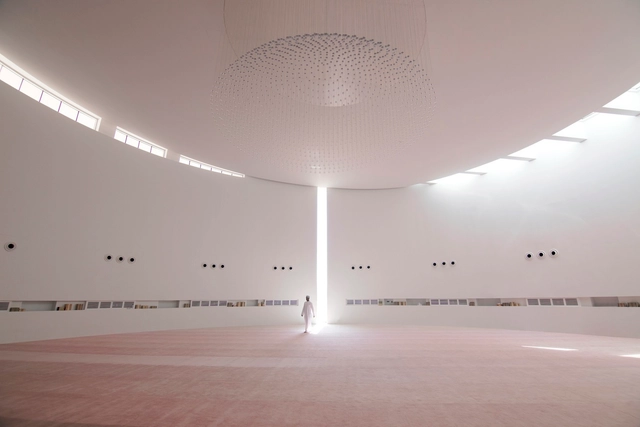
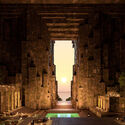
Religious architecture has always had a unique power to transcend the physical realm, transporting visitors to a spiritual journey. In many belief systems, it serves as a space between the earthly and the universal divine. This designed experience can often be facilitated through different choices, where light, form, materiality, and circulation play essential roles. Furthermore, architecture and design hold the power to have a profound impact on one’s lived spiritual experience.
This exploration of religious architecture in the global south showcases the integration of tradition and contemporary innovation. Whether it’s the Omani Mosque, where heritage and Islamic tradition are honored, or the Abrahamic Family House that features a mosque, a church, and a synagogue in dialogue and coexistence. Form and public access are explored through a design in Brazil, while a monastery in Uganda expands its size to serve guests and novitiate.
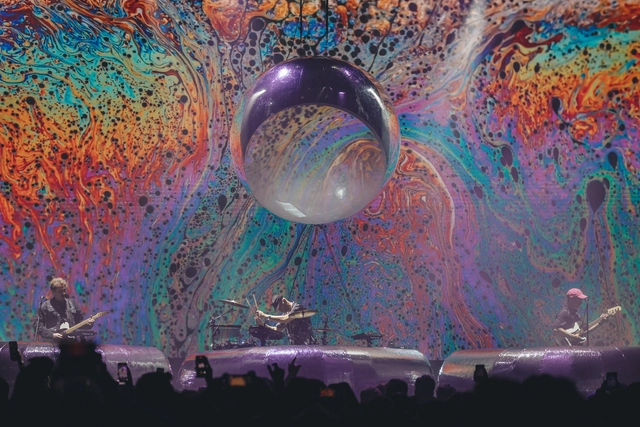
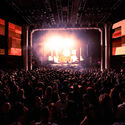
Immersive spaces are heavily sensorial environments meant to create impactful experiences crafted through intentionally curated architecture, light, imagery, sound, and sometimes even smell. To "immerse" oneself is to be wholly enveloped in a world shaped solely by immediate sensory input. Using digital tools to craft these environments to showcase art, create compelling exhibitions, and feature performance events has become increasingly popular. Evocative experiences like these can offer a respite from the inundation of personalized digital content and foster shared, grounding encounters. The design of these can exist at the intersection of architecture, graphic design, visual art, lighting design, music, and performance. They underscore the power of interdisciplinary collaboration to craft memorable moments. So, what role does architecture play in shaping these?
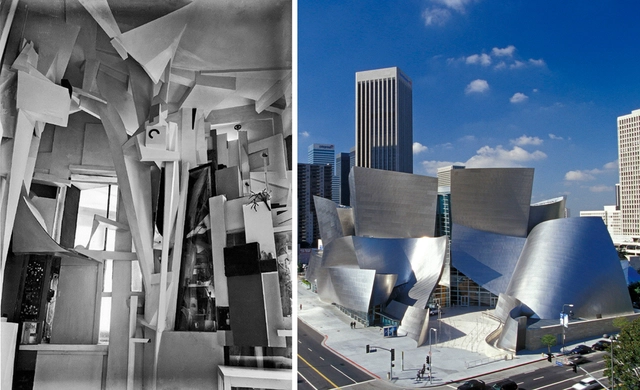
As far as history goes back, art and architecture have always been interrelated disciplines. From the elaboration of the Baroque movement to the geometric framework of modernism, architects found inspiration from stylistic approaches, techniques, and concepts of historic art movements, and translated them into large-scale habitable structures. In this article, we explore 5 of many art movements that paved the way for modern-day architecture, looking into how architects borrowed from their characteristics and approaches to design to create their very own architectural compositions.
As cities grow and evolve, the question of preserving, rehabilitating, or adapting historic sites arises. The intervention in such buildings requires a delicate balance between honoring their heritage and meeting contemporary demands. Often, the most innovative and radical solutions emerge when architects attempt to renew a building while maintaining its original footprint and as many features as possible. They then create modern extensions that either harmonize or contrast with the original structure. This approach not only revitalizes the building but also celebrates the synergy between the past and present, including materials, construction technology, architectural movements, stories, and overall building quality. The layering of both old and new elements through harmony or contrast requires an intelligent and sensitive approach that gives the building a unique aesthetic and a new meaning.
"Born out of the desire to underline the best designs and well-designed products," the A' Design Awards recognize excellent and original talent from across the globe. Both a major achievement for designers and a source of inspiration for award-winning architects, brands, and design agencies, the Awards are open to contestants from every country. Registration for the A' Design Award & Competition 2023-2024 period is now in the "Last Call for Entries" stage. Register and upload your design here.
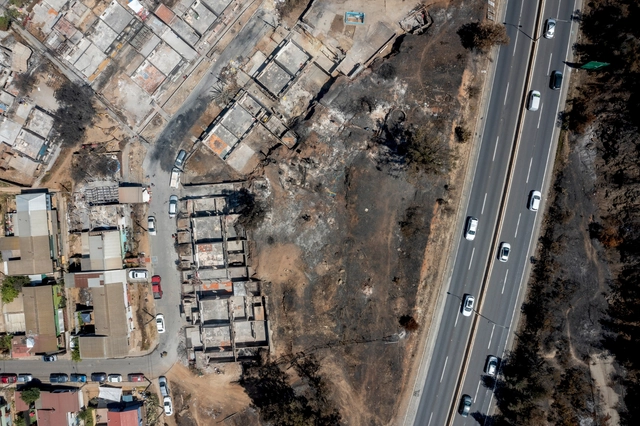
As of this writing, the death toll exceeds 130, with over 15,000 homes affected by the megafires in Valparaíso, Viña del Mar, and Quilpué, which struck Chile in early February 2024. Above all, this tragedy forces us to once again confront the lack of urban planning and to continue improving prevention, evacuation, and warning systems. These events also demand—once again—that we outline a diagnosis and concrete courses of action toward necessary adaptation.
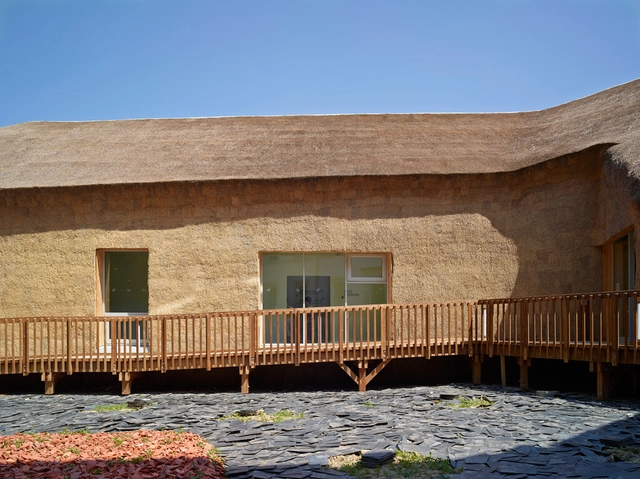
The use and demand for natural materials in architecture and interiors have enabled the revival of traditional construction systems updated for the contemporary context. What was once considered rustic is now being explored in more modern environments, therefore, the application of the material is also subject to new forms of fixing, coloring, and orientation (horizontal or vertical). Wood is the dominant material when it comes to traditional systems and environmentally sustainable materials. However, a material that has been used for centuries, equally sustainable and biodegradable, and has received less attention is straw.
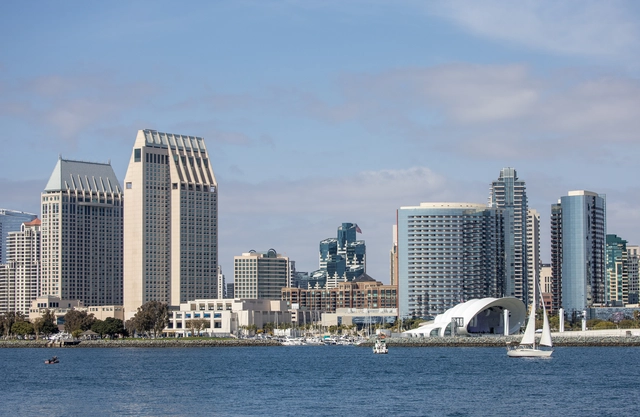
Throughout history, San Diego has been a canvas for visionary architects who have left enduring legacies on its built environment. From iconic landmarks like the Geisel Library and the Salk Institute to the dynamic spaces of the San Diego Central Library and the Rady Shell at Jacobs Park, each piece of architecture reveals hidden aspects of the layered history and the spirit of exploration of San Diego.
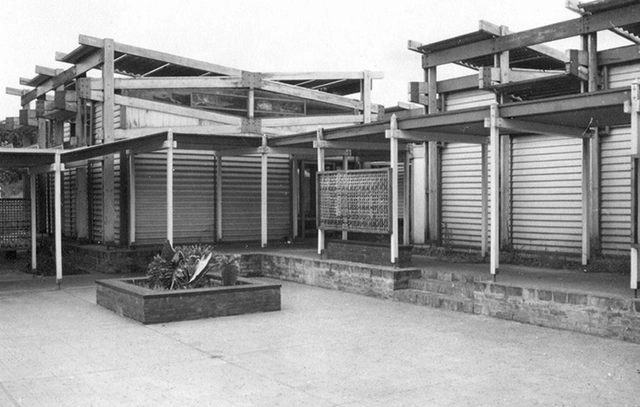
By December 1956, Mario Soto and Raúl Rivarola received the first prize to build four schools in the province of Misiones, Argentina. That was followed by the first prize for the construction of six hostels, the commissioning of the project for the Escuela Normal Superior N° 1 in Leandro N. Alem, and the first prize for the construction of the Instituto de Previsión Social y Hotel in the city of Posadas. Their works in Misiones, developed within the framework of the process of provincialization of the national territories that took place between 1951 and 1955, have provided the opportunity to study themes such as the link between the State and architecture, the connection between technique and politics, state architecture and avant-gardes, the dilemma of styles, among many others.
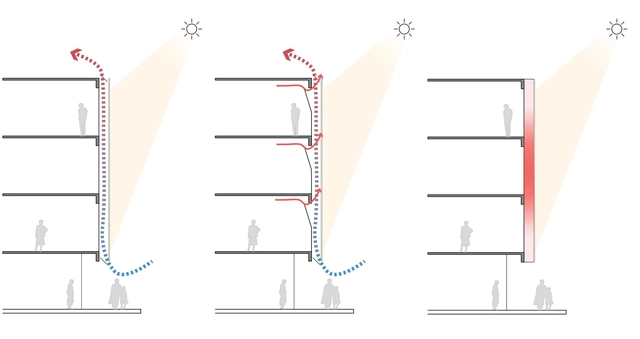
Double skin façades: Almost a self-explanatory name for façade systems consisting of two layers, usually glass, wherein air flows through the intermediate cavity. This space (which can vary from 20 cm to a few meters) acts as insulation against extreme temperatures, winds, and sound, improving the building's thermal efficiency for both high and low temperatures. Perhaps one of the most famous examples of double-skin facades is Foster+Partners' 30 St Mary Ax Building, "The Gherkin."
The airflow through the intermediate cavity can occur naturally or be mechanically driven, and the two glass layers may include sun protection devices.
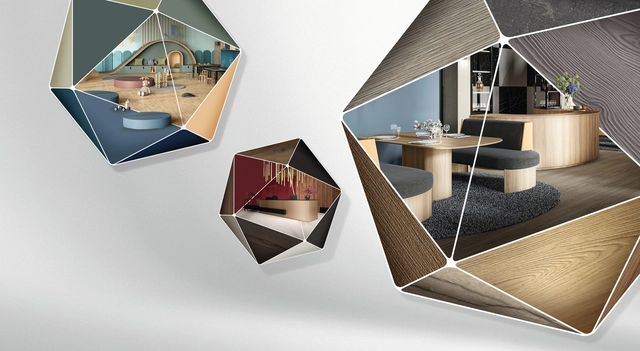
Nowadays, the cycles of change around society and architecture have generated new urban models, emerging technologies, and design trends that underline the need for constant adaptability in all areas. In this context, aspects such as flexibility, reliability, and simplicity emerge as distinctive elements, both in architecture and in the components that constitute it, including materials. This is why lines such as the EGGER Decorative Collection 24+, crafted from wood-derived materials, seek to redefine concepts through a rolling series, updated at most every two years. This dynamic enables a more agile response to new trends, influences, and product innovations that arise in the built environment.
https://www.archdaily.com/1012771/from-wood-stone-steel-and-uni-colors-a-decorative-collection-for-fast-moving-trendsEnrique Tovar
As the architecture industry shifts its focus towards greater sustainability and energy efficiency, many modern projects in the world’s hottest (and getting hotter) environments are unearthing more traditional ways to control temperature, light, and ventilation by learning from the past to save us from the future.
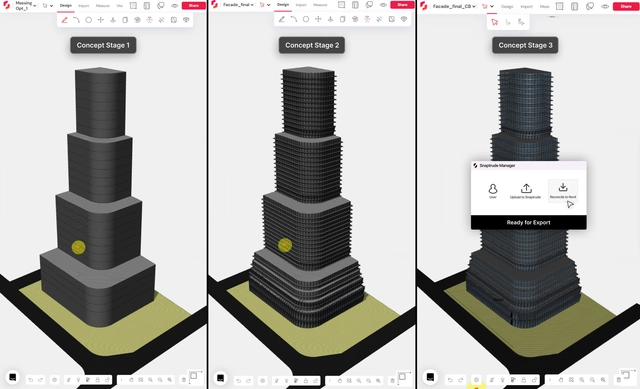
In any architectural design project, the transition from conceptual design to schematic design typically marks the evolution from broad ideas and massing studies to more detailed and refined planning. While this transition may seem straightforward, architects often find themselves facing a bottleneck that complicates the seamless flow of the creative process- particularly due to siloed tools and workflows.
During initial feasibility studies, conceptual surface modeling tools provide fertile ground for shaping spaces and manipulating forms. They allow for quick iterations and facilitate building the essence of the design. However, these models lack the inherent data understood by BIM software like Revit and ArchiCAD. As a result, eventually transitioning to such BIM tools for further detailing leads architects to face a series of technical limitations and rework.
In the highlands of the Central Andes, one finds the "bofedales." Known by some as 'high Andean wetlands,' bofedales are ecosystems and landscapes crucial for water regulation and storage in the Andes. Moreover, they are natural infrastructures that constitute a material and immaterial heritage to address contemporary climate crises and to sustain local Andean communities, which have nurtured them for generations.
https://www.archdaily.com/1012952/bofedales-natural-infrastructures-and-andean-landscapesDiego Vivas
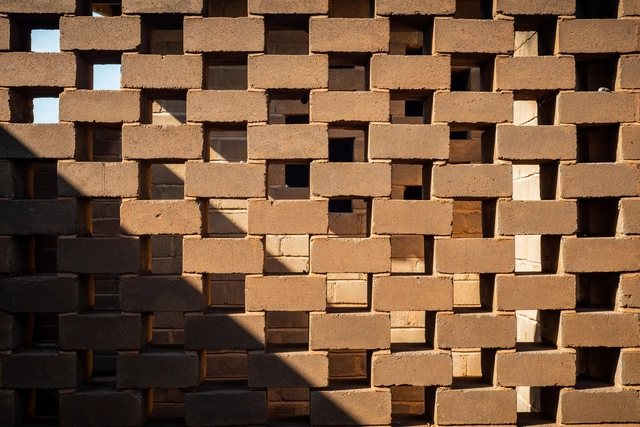
Bricks are part of the collective imagination when thinking about construction. These are elementary, ubiquitous, modular, light, and reliable materials for erecting buildings. However, traditional ceramic block manufacturing relies on burning clay in kilns at high temperatures, often powered by non-renewable fossil fuels such as coal or natural gas. Furthermore, the transportation process significantly increases its environmental footprint, as the materials are heavy and bulky. In light of this, there is a growing interest in alternative construction materials that offer a lower environmental impact and greater sustainability. Soil cement bricks –or Compressed Stabilized Earth Blocks– are a good example of an existing alternative, as they have a smaller environmental footprint due to their use of local raw materials and the elimination of the burning process, while maintaining many of the intrinsic qualities of traditional bricks.
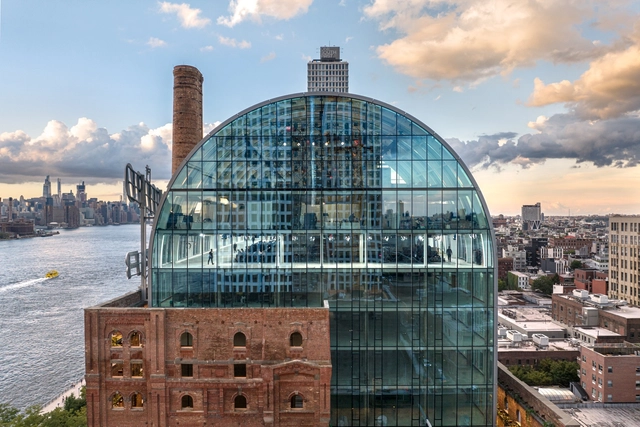
Domino Sugar Refinery / PAU - Practice for Architecture and Urbanism
In the same way that societies transform, times change, and cities evolve, industrial architecture modernizes and becomes more technological, sometimes reaching a state of abandonment or ruin. Understanding its value as a built legacy and being vestiges of technological, social, and cultural changes, the renovation and/or conversion of numerous factories and industrial warehouses can lead to the revitalization, recovery, or growth of various areas in large cities by incorporating new uses and spaces for the enjoyment of its citizens.
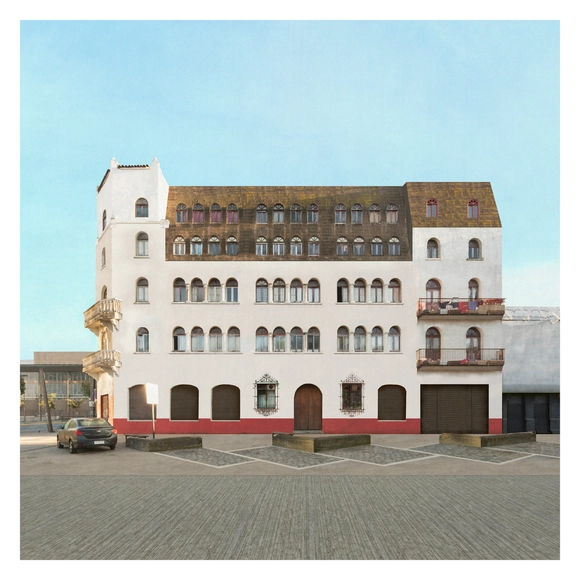
The images in this exhibition seek to create a space for reflection on a condition that can be extrapolated to the current state of the city of Concepción, Chile. They offer a simultaneous view of architectural works related by technique, scale, or construction period, capturing the distinctive identity that defined the city over the last 100 years—one that is currently threatened by an urban renewal process far removed from the motivations that gave rise to its heritage legacy.
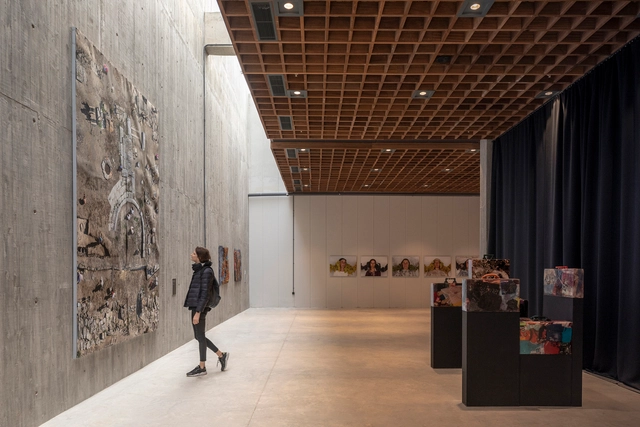
Glicéria Tupinambá. Tupinambá cloak, 2023. Courtesy of the artist. Photo: Glicéria Tupinambá
Hãhãwpuá is the name used by the Pataxó Indigenous people of Brazil to refer to the land, the soil, or, more precisely, the territory that after colonization became known as Brazil, though it has had—and still has—many other names. Amidst all these “Brazils,” Brazil as Indigenous land is the focus of the country's pavilion at the Venice Art Biennale 2024, which has consequently been renamed the Hãhãwpuá Pavilion.
Architecture is the design of spaces for human occupation. Despite architects’ skill in designing spaces to influence human behavior there often is a shortfall in anticipating and reacting to occupants’ behavior. To create environments that boost well-being, productivity, and social engagement, a symbiotic relationship between buildings and human behavior must be fostered. The intersection of architectural and anthropological studies forms an insightful framework for the design of physical spaces informed by human behavior and cultural context.