1. ArchDaily
  2. Articles

Articles

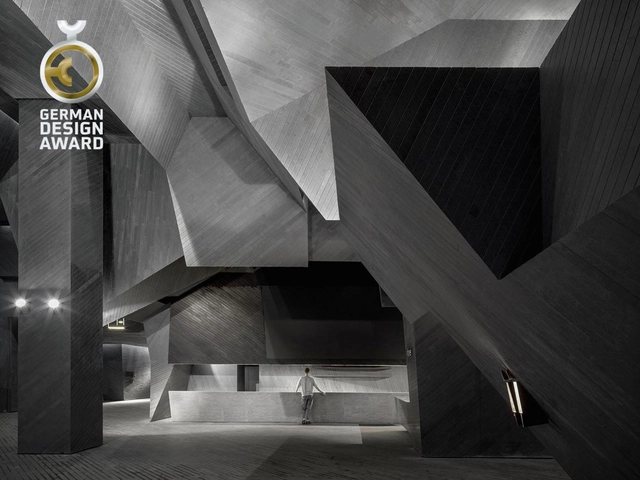
Call for Submissions: German Design Awards 2021

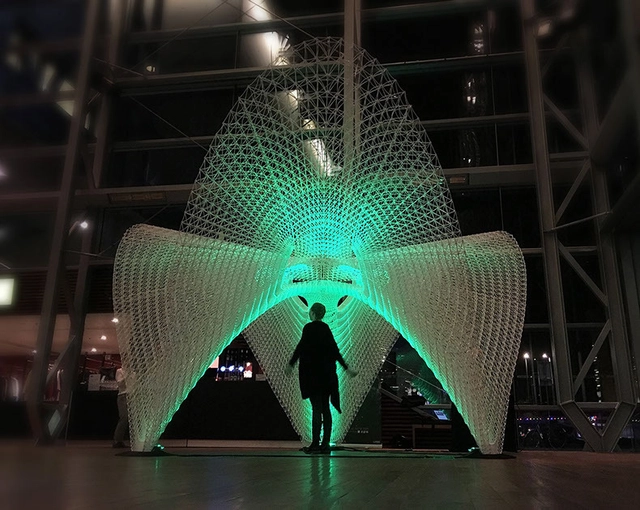
Design, branding and innovation are the most important factors in the success of entrepreneurial strategy, especially in times of change and crisis like the present. Receiving a renowned award is an efficient opportunity to draw attention to the recipient’s work with precise, positive messages. The German Design Awards – the international premium prize of the German Design Council – are entering the call-for-entries stage and offering winners the best-possible opportunity for publicity. They are proof of innovation capability and design expertise and demonstrate that the winners are well positioned and able to differentiate themselves through outstanding design.


Urban mobility in times of pandemic

Subscriber Access | 

The COVID-19 pandemic has been managed differently across countries. In Brazil, several states and municipalities imposed restrictions on freedom of movement. These measures led to a sharp decline in economic activity and in the volume of vehicle and pedestrian traffic in cities. Google released data on changes in mobility patterns, and in the Brazilian case, there are striking differences.

In Praise of Cemeteries

When you live in a small New England town, a cemetery is never far away. If I take an hour’s walk through local streets, I will easily pass by or through two or three. They’ve long been places of solace, peace, tranquility—even ironic hubris.

Aerial Photographs of Buenos Aires' Empty Streets During the Mandatory Quarantine

Subscriber Access | 
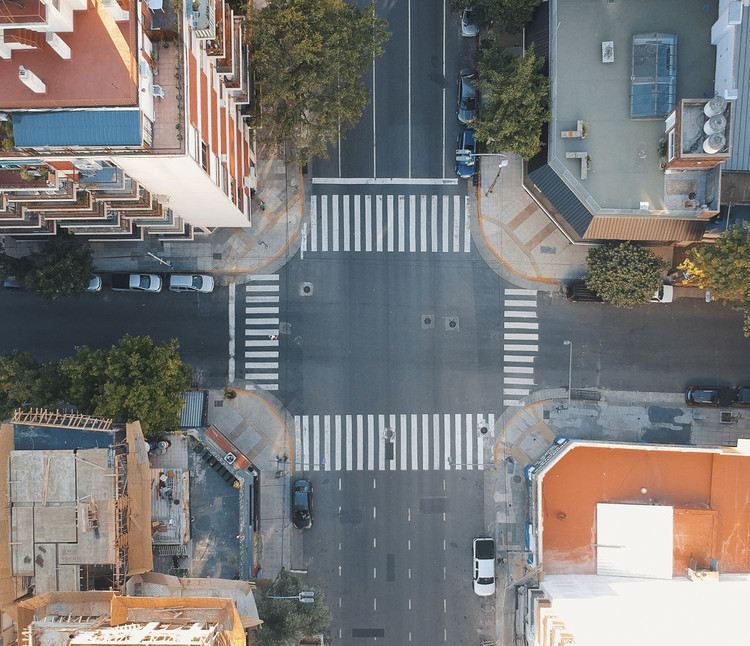
Aerial Photographs of Buenos Aires' Empty Streets During the Mandatory Quarantine - Featured Image
© Matias De Caro

Aerial Photographs of Buenos Aires' Empty Streets During the Mandatory Quarantine - Image 1 of 4Aerial Photographs of Buenos Aires' Empty Streets During the Mandatory Quarantine - Image 2 of 4Aerial Photographs of Buenos Aires' Empty Streets During the Mandatory Quarantine - Image 3 of 4Aerial Photographs of Buenos Aires' Empty Streets During the Mandatory Quarantine - Image 4 of 4Aerial Photographs of Buenos Aires' Empty Streets During the Mandatory Quarantine - More Images+ 11

Since March 20, the Argentine government has taken drastic measures to protect the public and curb the spread of COVID-19, including mandatory social isolation. Under these measures, residents and anyone visiting the country must remain indoors and abstain from visiting public spaces until the March 31.

Perhaps nowhere are the effects of the quarantine more notable than on the streets. All cultural, recreational, athletic, and religious events have been cancelled. Public areas like plazas and parks are ghost towns. With the streets closed, balconies have become the new platforms for everything from social interactions and celebrations to protests.  

An Alternative Museum for Burning Man and a Concrete Lighthouse: 12 Unbuilt Projects Submitted by our Readers

Subscriber Access | 

Gathering the best-unbuilt architecture from our readers' submissions, this curated collection features conventional, original and innovative functions. With projects from all over the world, this roundup is a conceptual discovery of different architectural approaches.

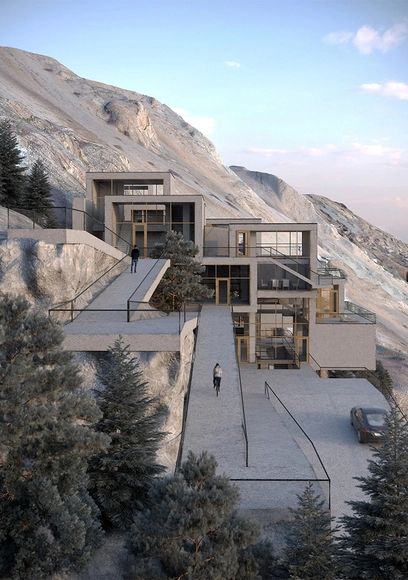
Art takes center stage in this week’s article with a different kind of museum for Burning Man, a futuristic art center in Slovakia, a museum dedicated to writing, and the Chinimachin Museum, inspired by the urban fabric of the city of Bayburt in Turkey. Moreover, the editorial showcases integrated houses, a redevelopment of a city block in London and mixed-use projects in Ukraine and Poland. New highlighted functions include a concrete lighthouse in Greece, a retirement complex in the Rocky Mountains of Lebanon, and a thermal hotel and spa in Cappadocia.

7 Emerging Architecture Practices Worth Exploring

New Generations is a European platform that analyses the most innovative emerging practices at the European level, providing a new space for the exchange of knowledge and confrontation, theory, and production. Since 2013, New Generations has involved more than 300 practices in a diverse program of cultural activities, such as festivals, exhibitions, open calls, video-interviews, workshops, and experimental formats.

New Generations has launched a fresh new media platform, offering a unique space where emerging architects can meet, exchange ideas, get inspired, and collaborate. Recent projects, job opportunities, insights, news, and profiles will be published every day. The section ‘profiles’ provides a space to those who would like to join the network of emerging practices, and present themselves to the wide community of studios involved in the cultural agenda developed by New Generations.

ArchDaily and New Generations join forces! From this month, ArchDaily publishes a selection of studio profiles chosen from the platform of New Generations.

Postcards from Quarantine: Tourism at Home

Subscriber Access | 

Postcards from Quarantine is a series of illustrations by Alvaro Palma y Alvaro Bernis inspired by touristic postcards that analyze the purpose of travelling and the desire to share the experience--a topic that has been brought to the forefront in times of quarantine during the COVID-19 outbreak.

Quick Guide to Circular Economy for Architects, Engineers, and Builders

Subscriber Access | 

The construction industry is one of the largest contributors to climate change, natural resource depletion, and waste generation. Consequently, the way we conceptualize cities, buildings, and their various components must change. This requires transitioning from a linear mindset to a circular model—one that increases resource efficiency while reducing waste and pollutants, ultimately making cities and their buildings more inclusive, socially equitable, and sustainable. 

Recycling Tires as Waterproofing Reduces Landfill Waste and Emissions

 | Sponsored Content

In Mexico, 40 million used tires are thrown away each year and only 12% are recycled. Tires are a difficult waste product to address, due to the sheer volume produced as well as their durability and the components within tires that are bad for the environment. According to specialists, in Mexico about 5 million tires are recycled in organic products and in the cement industry. 

Rethinking Workplace Design in the Age of Big Data

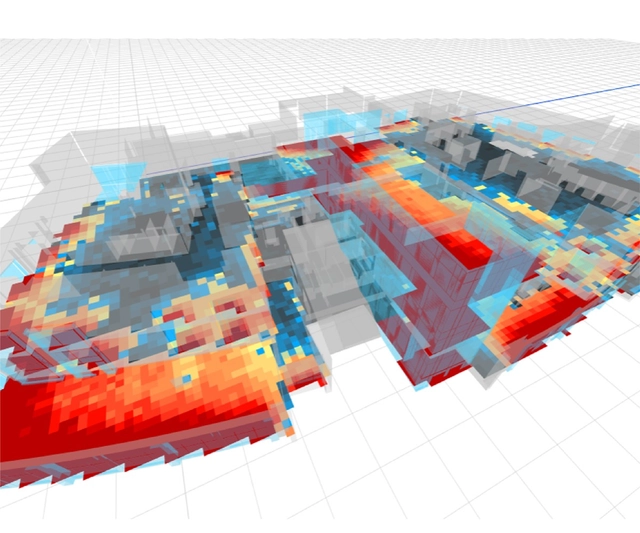
In the highly connected world we live in, technology influences and impacts almost every decision we make. Big Data, Artificial Intelligence (AI), and the Internet of Things (IoT) have enhanced our connected world and helped us understand more about the spaces we inhabit. Aside from the smart homes and smart appliances we have become accustomed to, the modern day office is being redesigned and reprogrammed to include a variety of smart technology systems. The goal of these systems is to put our offices to work and empower businesses to better understand their design decisions, real estate investments, and most importantly- their own employees.

Spotlight: Kisho Kurokawa

Subscriber Access | 
Spotlight: Kisho Kurokawa - Image 3 of 4
Nakagin Capsule Tower, Tokyo. Image © Wikimedia user Jordy Meow licensed under CC BY-SA 3.0

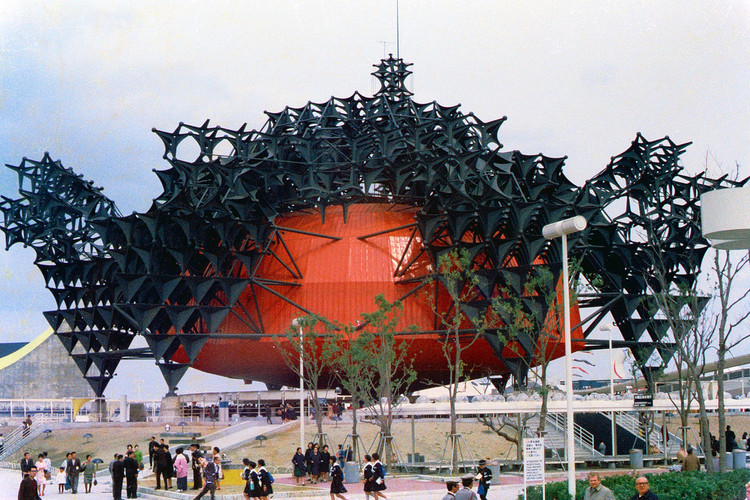
Kisho Kurokawa (April 8th 1934 – October 12th 2007) was one of Japan's leading architects of the 20th century, perhaps most well-known as one of the founders of the Metabolist movement of the 1960s. Throughout the course of his career, Kurokawa advocated a philosophical approach to understanding architecture that was manifest in his completed projects throughout his life.

Spotlight: Kisho Kurokawa - Image 1 of 4Spotlight: Kisho Kurokawa - Featured ImageSpotlight: Kisho Kurokawa - Image 2 of 4Spotlight: Kisho Kurokawa - Image 3 of 4Spotlight: Kisho Kurokawa - More Images+ 3

Spotlight: Jean Prouvé

Subscriber Access | 
Spotlight: Jean Prouvé - Image 1 of 4
One of Jean Prouvé's Demountable Houses on display. Image Courtesy of Forward

A figure whose work blurred the line between the mathematical and the aesthetic, French industrial designer, architect, and engineer Jean Prouvé (8 April 1901 – 23 March 1984) is perhaps best remembered for his solid yet nimble furniture designs, as well as his role in the nascent pre-fabricated housing movement. His prowess in metal fabrication inspired the Structural Expressionist movement and helped to usher in the careers of British High-Tech architects Richard Rogers and Norman Foster.

An Intermittent Breath of Fresh Air: Declining Emissions in Cities Soon on the Rise After Coronavirus

Subscriber Access | 

From Wuhan to New York, the epicenter of the coronavirus is moving from east to west and leaving a staggering number of corpses behind. We read of alarming reports, contradictory news, and reminded every day that we live in unprecedented and difficult times. One good news, however: emissions in cities are on the decline, and nature is running its regenerative course. But how long will this last?

In Africa, A Modular Prototype School Combines the Practical and Utopian

Subscriber Access | 

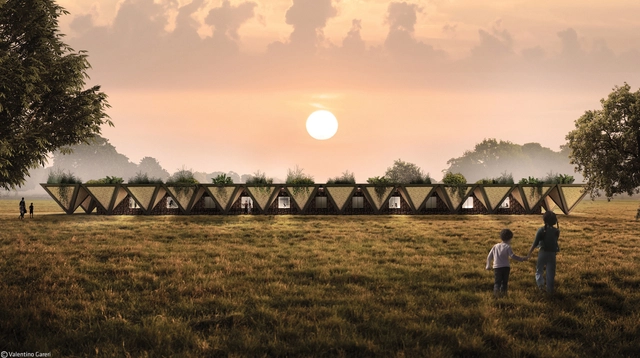
The World Bank believes that urbanization will be “the single most important transformation that the African continent will undergo this century”, with over half of the population set to live in cities by 2040. This will manifest as 40,000 people moving to cities every day for the next 20 years. While much of the architectural discourse around Africa's future focuses on cities, rural areas are often ignored. This has however been the preoccupation of Italian architect Valentino Gareri, founder of Valentino Gareri Architectural Atelier and Senior Designer at Bjarke Ingels Group.

5 Expert Tips to Help you Coordinate Building Performance While you are Working Remotely

 | Sponsored Content

In the past, sustainability initiatives were coordinated by a few key sustainability-focused professionals in the office. These team members would take charge and corral the rest of the project collaborators in conference calls, emails chains, and boardroom meetings making sure building performance targets were discussed, decided, pursued, and implemented.

Present circumstance makes this process, which was not too efficient, very challenging to begin with. With that in mind, here are some tips from cove.tool and AEC leaders that have mastered remote work and the best ways to coordinate building performance while stuck at home.

Pioneers: 6 Practices Bringing AI into Architecture

In this article, we tap into how AI could be augmenting, changing design processes, and how architects and other professionals are responding and incorporating these technological advancements into their design work. What kind of innovation can AI bring to this industry, and what has been experimented with so far? This selection of projects can help form an opinion on the architectural application of AI.

Spotlight: Léon Krier

Subscriber Access | 

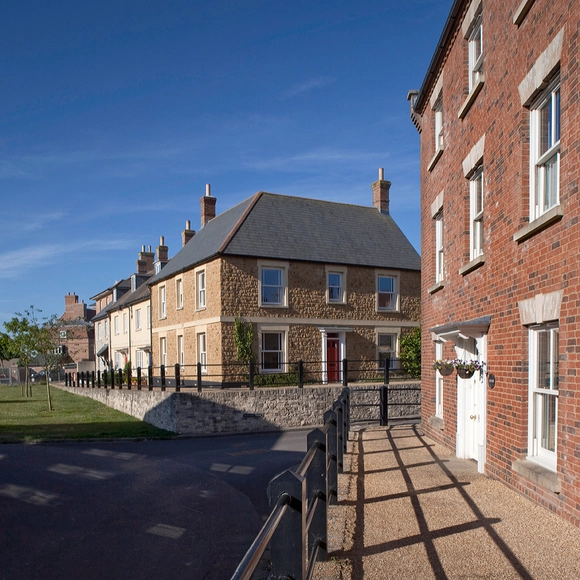
One of the most boldly dissenting voices of our time, architectural and urban theorist Léon Krier (born 7 April 1946) has throughout his career rejected the commonly accepted practices of Modernist Urbanism, and helped to shape the ideals of the New Urbanism movement. Through his publications and city designs, Krier has changed the discourse of what makes a city successful and returned importance to the concept of community.

Curtains as Room Dividers: Towards a Fluid and Adaptable Architecture

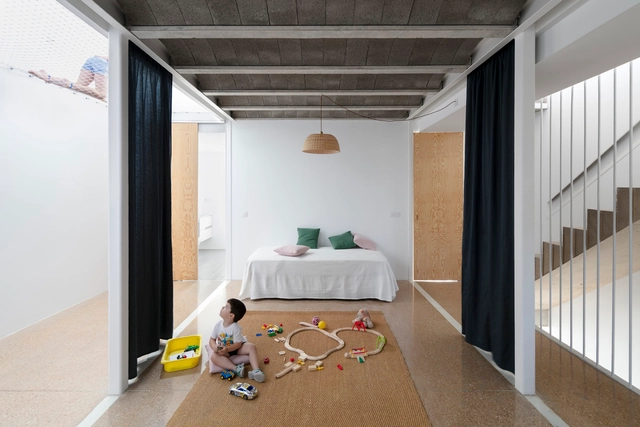
Over the past few decades, interior spaces have become increasingly open and versatile. From the thick walls and multiple subdivisions of Palladian villas, for example, to today's free-standing and multi-functional plans, architecture attempts to combat obsolescence by providing consistently efficient environments for everyday life, considering both present and future use. And while Palladio's old villas can still accommodate a wide variety of functions and lifestyles, re-adapting their use without changing an inch of their original design, today, flexibility seems to be the recipe for extending the useful life of buildings as far as possible.

How, then, can we design spaces neutral and flexible enough to adapt to the evolving human being, while still accomplishing the needs that each person requires today? An ancient element could help redefine the way we conceive and inhabit space: curtains.