Subscriber Access

Urban mobility in times of pandemic

The COVID-19 pandemic has been managed differently across countries. In Brazil, several states and municipalities imposed restrictions on freedom of movement. These measures led to a sharp decline in economic activity and in the volume of vehicle and pedestrian traffic in cities. Google released data on changes in mobility patterns, and in the Brazilian case, there are striking differences.

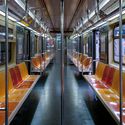
Urban mobility in times of pandemic - Image 2 of 5Urban mobility in times of pandemic - Image 3 of 5Urban mobility in times of pandemic - Image 4 of 5Urban mobility in times of pandemic - Image 5 of 5Urban mobility in times of pandemic - More Images

During this period, public transit will be the big loser. Much of its demand comes from commuting (home-work-home and home-school-home). As soon as the quarantine began, bus companies switched to weekend or holiday schedules, and some simply suspended operations due to a lack of demand.

Content Loader

Image gallery

See allShow less
About this author
Cite: schlickmann, Marcos. "Urban mobility in times of pandemic" [Mobilidade urbana em tempos de pandemia] 13 Apr 2020. ArchDaily. (Trans. Romullo Baratto) Accessed . <https://www.archdaily.com/1124152/urban-mobility-in-times-of-pandemic> ISSN 0719-8884
Aerial view of Buenos Aires in quarantine. Image © Matias De Caro

疫情时期的城市交通

是否

You've started following your first account!

Did you know?

You'll now receive updates based on what you follow! Personalize your stream and start following your favorite authors, offices and users.