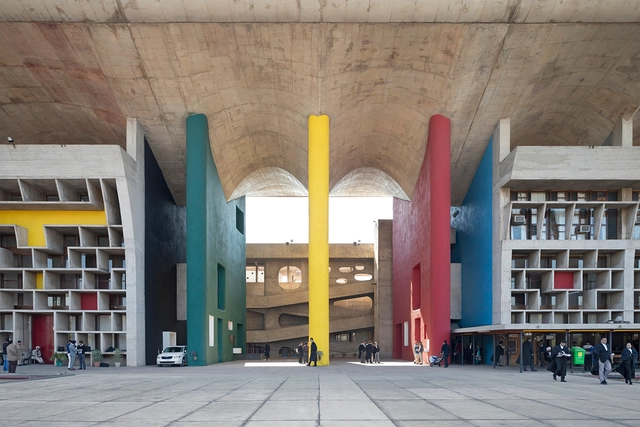
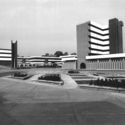
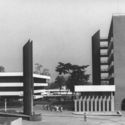
Through its urban planning and civic buildings, Chandigarh represents an iconic fragment of Modernist architecture. This economic and administrative centre was meant to showcase the progressiveness of the 1950s' newly independent India.
Through its urban planning and civic buildings, Chandigarh represents an iconic fragment of Modernist architecture. This economic and administrative centre was meant to showcase the progressiveness of the 1950s' newly independent India.
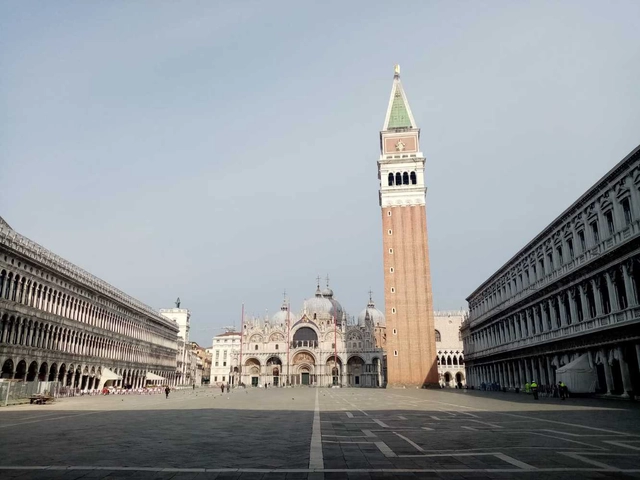
Last week the Venice Architecture Biennale announced it would postpone its opening to August 29 of this year, while maintaining the original closure date of November 29. The duration of the Biennale will thus be reduced to three months. The reason for this intervention is clear to everyone: the Covid-19 epidemic, which has threatened the usual intense preparations for the Biennale, and which, since the decision was announced, has exacerbated to a national state of emergency. The announcement of the decision reads as a lesson in common sense.

This week’s curated selection from our readers’ submissions focuses on some of the essential components of our present-day cities.
Featuring the best-unbuilt architecture, the article highlights adaptive reuse projects that transformed abandoned warehouses and factories, a street design in Luxembourg, a regenerative master plan in Seoul, and an emergency family accommodation to temporarily house those in need. Moreover, the roundup distinguishes a library in South Korea and an extension of a museum in Helsinki, because the cultural aspect is an integral part of our urban environment.
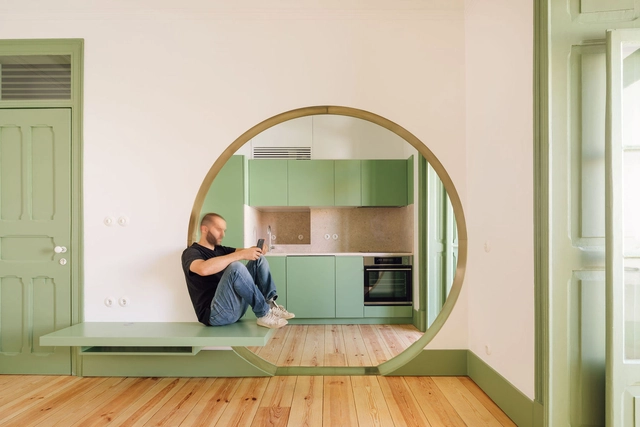
With a vast built heritage, Lisbon's contemporary architectural production is rich in rehabilitation projects. Lacking space for new buildings - unless one is willing to pay for the land's high market price - Lisbon's current architecture prescinds tabula rasa and faces the challenge of working with what already exists - often limiting itself to design only interior spaces.
.jpg?1582834753&format=webp&width=640&height=580)
Craftmanship is back. Following a century of mass production and industrial development, crafts are starting to be revalued and reinterpreted. A new sensitivity towards raw materials, the recovery of local techniques and the defense of small-scale trade are a few of the claims that this comeback represents. Materials such as earth and ceramics, textiles and wood are being reinterpreted by designers, artists, and architects around the world, in search of both their own style and the representation of collective nostalgia.
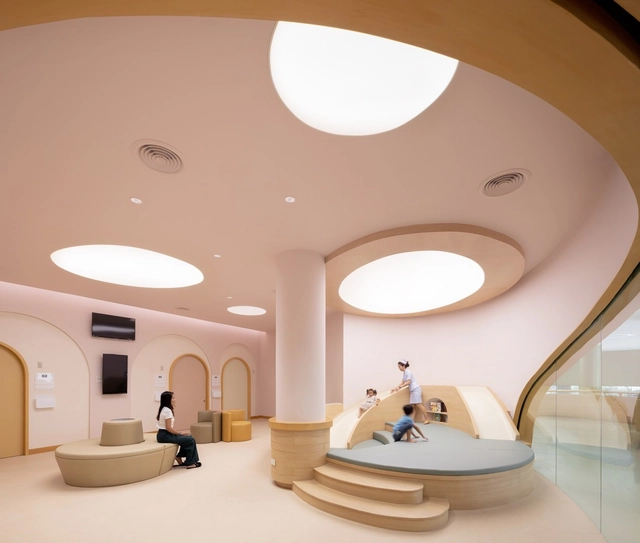
Architecture and interior design constantly evolve to meet the needs of society and part of its social role is to assist the well-being of those who transit and use their spaces daily. Hospital architecture is a niche responsible for the development of projects focused on the health area, based on specifications, requirements, and regulations that guarantee and ensure the comfort of patients - it is continuously studying intrinsic issues of how a sick body behaves in space, in order to create environments that assist in the rehabilitation process.

Over the last three months, Coronavirus has spread to more than 100 countries and claimed more than 3,800 lives (as of 8th March 2020). It has also plunged many global industries into a paralysis, from canceled flights and mass quarantines to disruptions in supply chains and financial markets. Setting aside the serious health implications of the outbreak, the coronavirus epidemic has, in an unorthodox way, amplified a debate over the future of work. With millions of people around the world working from home as a result of the outbreak, whether through quarantine or as a company precaution, the question is being asked by outlets around the world: are we seeing the beginning of the end of the traditional office typology?
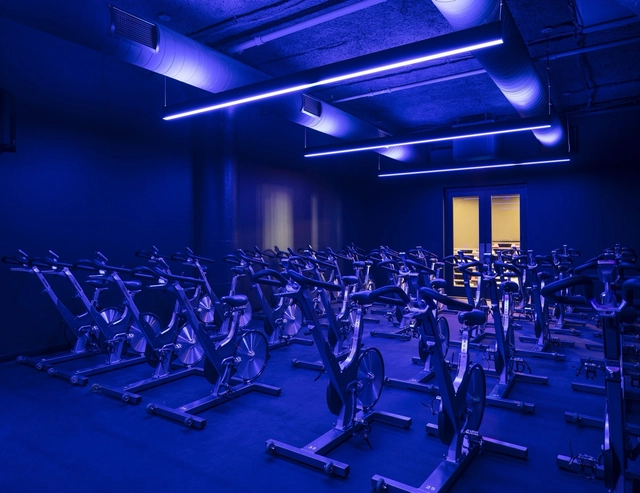
Color-tunable lighting is an exciting and relatively new lighting technology that allows users to control the color of light anytime after installation and attune lighting to individual preferences or specific application needs.
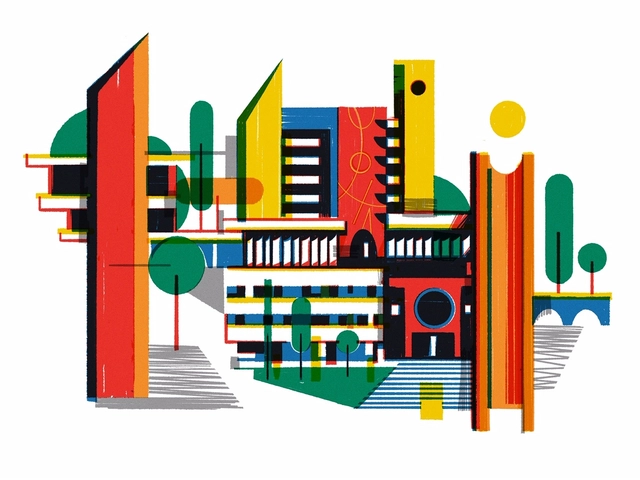
From academic institutes in North America to residential projects in the Middle East, the various disciplines of Bauhaus and its influence on architecture and design are noticeably present in projects all over the world. While most projects acquired the school's universal language, a few unique ones combined Bauhaus' theory and design principles with the site's cultural and climatic specificity.
This article is a collaboration between ArchDaily and the Arieh Sharon Org. All historical images were shared by the organization.
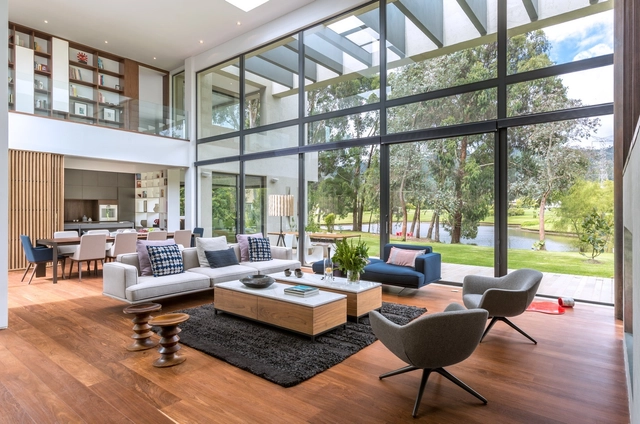
Architecture impacts the context in which it is built. However, the user experience ultimately unfolds within interior spaces. Great figures like Rogelio Salmona and Antonio Gaudí conceived their works across the entire architectural spectrum, ensuring that even the finest finish details were integral to the experience.
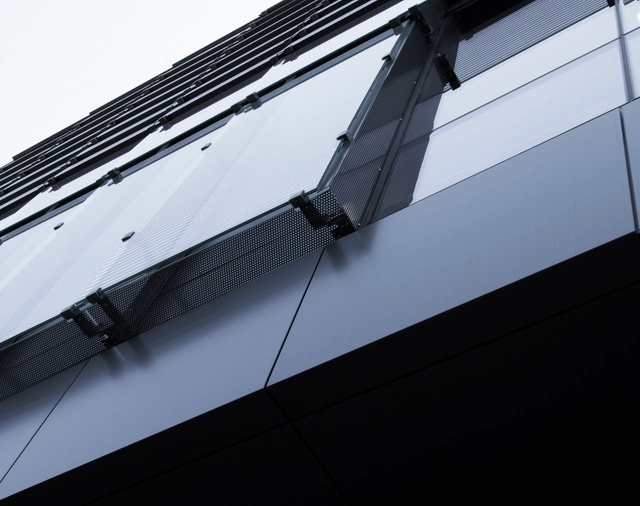
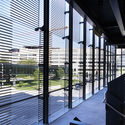
In an effort to avoid disruptions to the coming football season (and by extension, any frustration among the passionate University of Iowa Hawkeyes’ fans), the challenge facing Iowa City architecture firm Neumann Monson was to rapidly deliver and install Kinnick Stadium’s new custom glass facade, all during the team’s off-season. Ranked top among Big 10 stadiums, Kinnick opened the 2019 football season with an expanded North End Zone after careful coordination by the design, manufacturing, and construction teams throughout the project.

By definition, architecture is the art and technique of planning, designing, constructing, and modifying the human habitat. However, my own professional career has constantly forced me to confront the same question: if you are an architect and you don't design, are you still an architect?
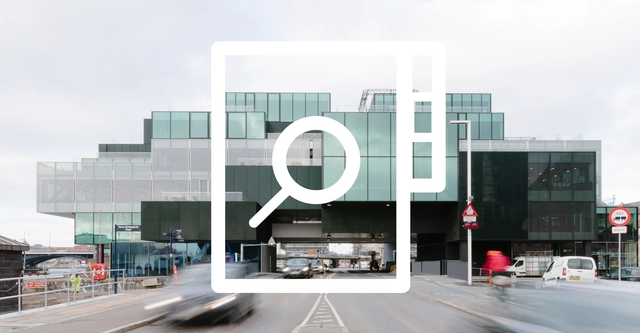
ArchDaily has created a list of best articles, news and projects that address everything you need to know about glass.
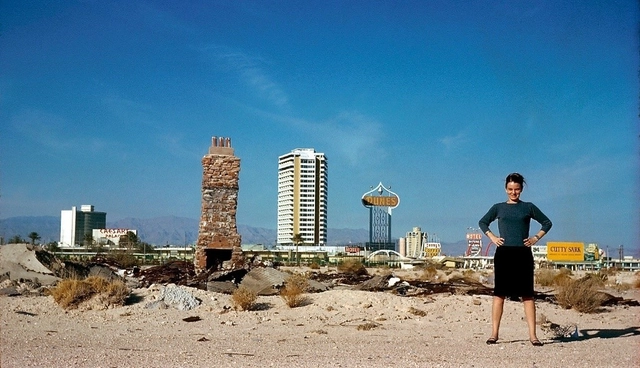
In honor of International Women’s Day celebrated on March 8, it’s important to reflect upon and acknowledge the progress that women across all design professions have made over the last several years. From more women being appointed to leadership roles in prominent academic institutions around the world, Jeanne Gang being named to Time 100’s Most Influential People in 2019, the all-female team of Counterspace being awarded the design of the Serpentine Pavilion in London, and the first female practice winning the prestigious Pritzker Prize only a few days ago, more women in architecture are gaining the recognition that they deserve in this traditionally male-dominated profession.

Which is more male: a stadium or a nursery? Hannah Rozenberg, a recent graduate of the Royal College of Art, says that it’s the former—and she has an algorithm to prove it.
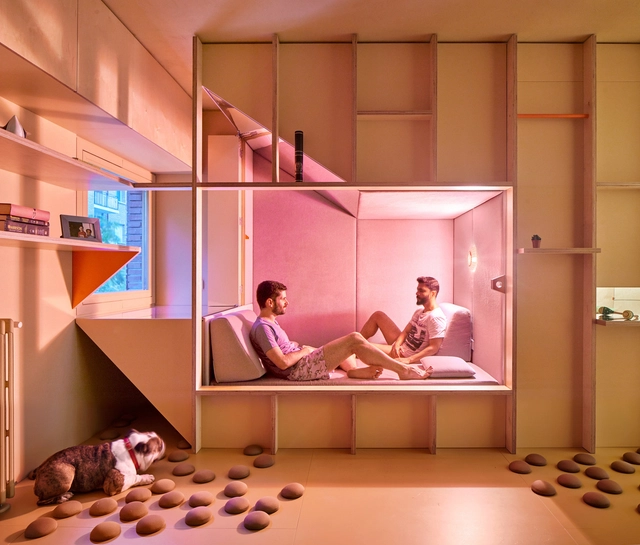
As walls and slabs, furniture may delimit and define a space. However, opposite to constructive elements, which distinguish the rooms in a more permanent way, furniture may create useful boundaries between one space and another in an easily adaptable way.
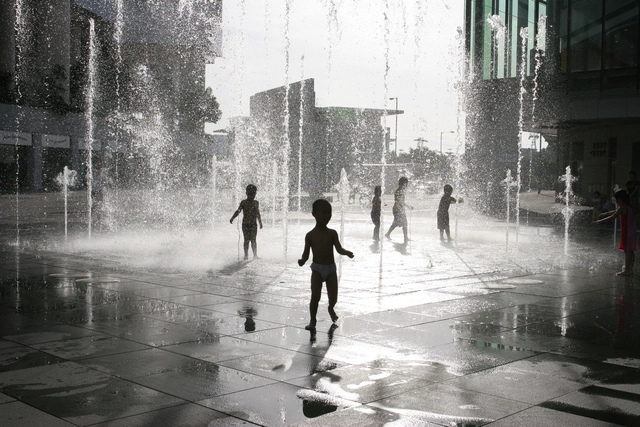
'Cities for Play' is a project whose main objective is to inspire architects and urban planners to create stimulating, respectful, and accessible cities for children.
Natalia Krysiak, its creator, is an Australian architect who believes that children's needs should be placed at the center of urban design to ensure resilient and sustainable communities. In 2017, she produced 'Cities for Play,' studying examples of cities that are concerned with providing environments that are capable of promoting the health and well-being – physical and emotional – of children through a focus on play and "active mobility” in public spaces.
Pritzker Prize 2020 Laureates, Irish architects Yvonne Farrell and Shelley McNamara are known for their powerful yet delicate approaches. In this exclusive video for ArchDaily, Martha Thorne, executive director of the Pritzker Architecture Prize and Dean of IE School of Architecture and Design, shares some of the reasons why Grafton Architects has won the Pritzker Prize 2020.



.jpg?1582834791 "via Shutterstock")



.jpg?1582834753)







.jpg?1578857650 "© Neumann Monson")


