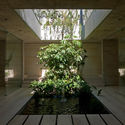
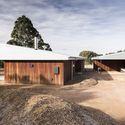
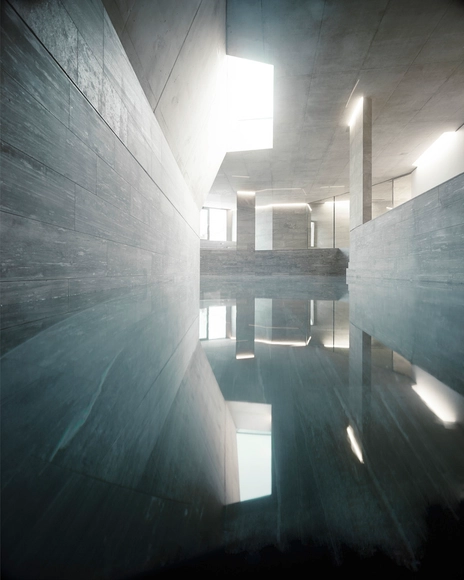
The work of the Catalan firm Barozzi Veiga is explored through the tension between tradition and invention in architecture in this article by João Paulo Rapagão, published in partnership with AMAG.
The work of the Catalan firm Barozzi Veiga is explored through the tension between tradition and invention in architecture in this article by João Paulo Rapagão, published in partnership with AMAG.

Being able to move around cities is a basic requirement for the development of most human activities. Yet daily trips between home and work, study, leisure, and other daily commitments are not always done under the most comfortable conditions, whether it be because of crowded public transportation or unexpected traffic jams. Urban mobility is a hotly debated topic, from informal conversation circles to technical and scientific seminars. It's hard to find someone who doesn't have an opinion on the subject or some miraculous solution to the problems in their city or region. In fact, we have already posted several articles addressing this issue on this site, from utopian proposals to questions related to the daily lives of most of the population.

The following research, developed within the Master's in Sustainable Habitat and Energy Efficiency program at the Universidad del Bío-Bío by C. Matías Tapia Maureira and María Beatriz Piderit M., addresses the integration of resilience and sustainability criteria in the design of educational buildings in Chile. Read a summary of their work below.


Conceived as a large-scale residential development in an expansion zone of São Paulo, the Jardim Ana Rosa Residential Complex began its subdivision design in 1950, in the Vila Mariana neighborhood, facing Largo Ana Rosa. The development, carried out by the Banco Hipotecário Lar Brasileiro, featured the participation of several prominent São Paulo architects of the time, such as Abelardo de Souza, Plínio Croce, Roberto Aflalo, and Salvador Cândia. In its initial version, the project planned for a few buildings bordering Vergueiro Avenue, with most of the area designated for single-family homes.
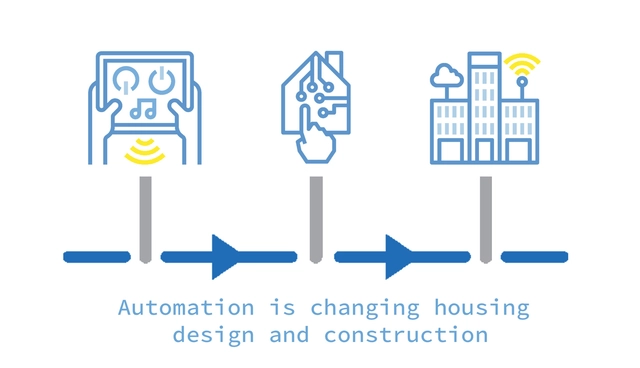
Throughout the past year, the concepts of Smart Homes (+160% YoY) and Domotics (+450% YoY) have been gaining traction as they define the automation and connectivity between devices found within homes, and which constitute the basic units of the growing Smart Cities concept.

According to data released by the United Nations (UN, 2017), the global population has reached 7.6 billion, with more than half (54%) living in urban areas. In Brazil, according to data from the Brazilian Institute of Geography and Statistics (IBGE, 2010), 84.4% of the population lives in cities.
Open More Doors is a section by ArchDaily and the MINI Clubman that takes you behind the scenes of the world’s most innovative offices through exciting video interviews and an exclusive photo gallery featuring each studio’s workspace.
This month, we talked with Italian architecture firm Supervoid to discuss their design strategies and how they helped develop the office's interior space.
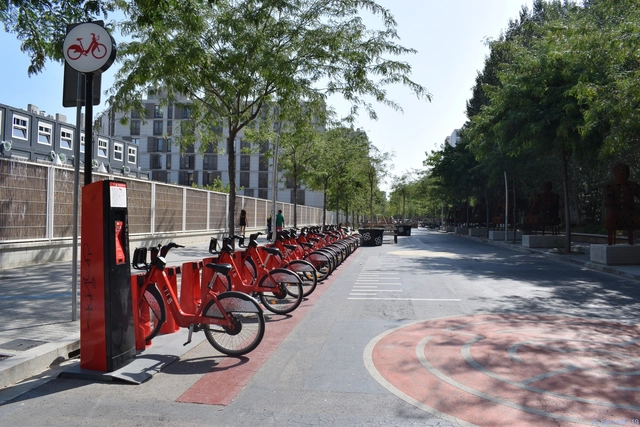
CityMakers is working with ArchDaily to publish a series of articles, conversations, and interviews with the different actors in the co-production of cities behind the Barcelona CityMakers Lab 2019, an event taking place from October 14 to 20.
On this occasion, we feature Salvador Rueda, director of the Urban Ecology Agency of Barcelona, who will give a Masterclass at the Barcelona CityMakers Lab 2019, addressing the challenges of implementing Barcelona's Sustainable Urban Mobility Plan based on "Superblocks".
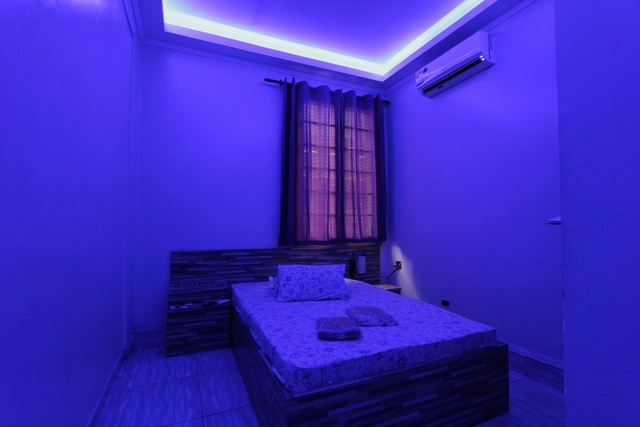
The visual stimulus that triggered this research[1] was the suggestive ambiguity of the letter m/h. Less glamorous than roadside motels, these motel-hotels are an affordable invitation to sexual fulfillment. To capture both their material and intangible complexity, the work is structured as a fiction. In doing so, the narrator imagined within these motel-hotels the potential to reveal other component parts of herself—as if these places, in their ambiguity and anonymity, could facilitate this encounter. In a simultaneous process of liberation and frustration, the multiple narrators find agency.

Over the past week, thousands of active fires in the Brazilian Amazon captured global attention in the press and on social media, where the hashtag #PrayForAmazonia was mentioned more than 150,000 times in a single day. But what can satellite data tell us about what is actually happening in Brazil's forests?
This article was originally published on Metropolismag.com.
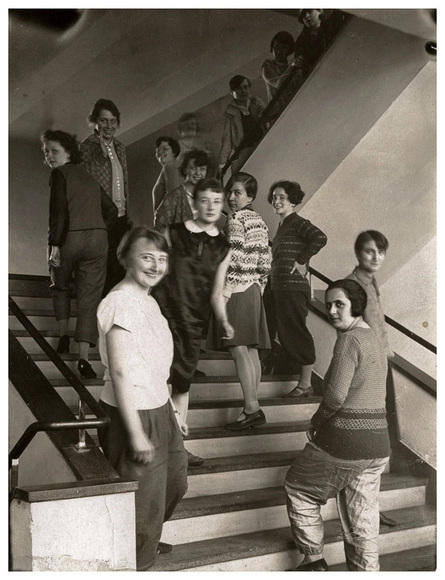
The Bauhaus was founded on the promise of gender equality, but women Bauhauslers had to fight for recognition. A new book recounts the achievements and talents of 45 Bauhaus women.

After the end of World War I, a spirit of optimism and a euphoric mood prevailed in Germany. Thanks to a new republican government and women’s suffrage, the war-torn nation was experiencing a radical new beginning.
As part of that convention-breaking wave, in 1919 German architect Walter Gropius assumed leadership of what would become the legendary Bauhaus. Initially, he declared that there would be “absolute equality” among male and female students.
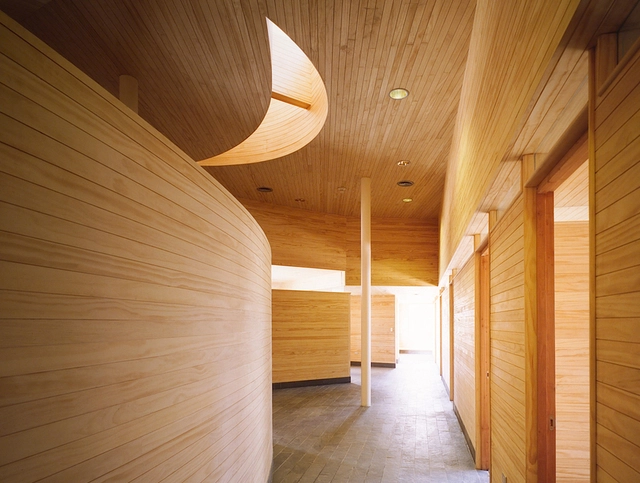
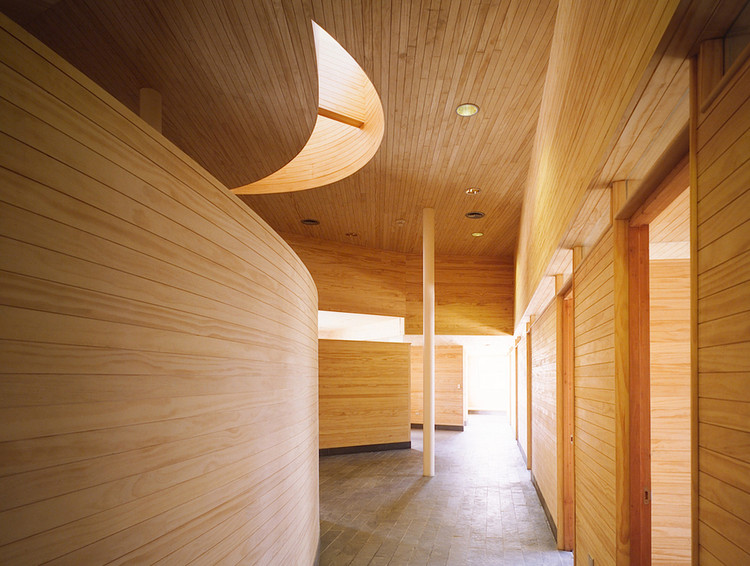
Offering warmth and a modern yet artisanal aesthetic, wood is always an excellent choice when selecting wall coverings for interior spaces or manufacturing furniture. However, how do you choose the right cladding for a specific project?
We have compiled a selection of coverings with different aesthetics, formats, and installation systems, identifying their characteristics and differences to help you choose the right material. Slats or panels? Melamine, Trupán, or Radiata Pine? A natural look or colored pigments? Compare eight different options below.
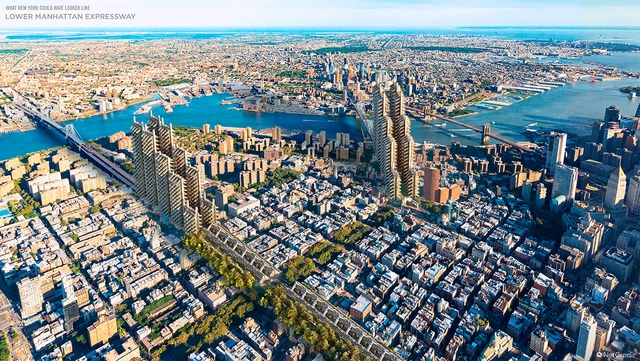
The United States of America has provided enormous opportunities to develop some of the most iconic buildings in the history of architecture, leaving the mark of important architects in urban, suburban, and rural areas around the country. However, ambitious ideas often come with a high price that cannot always be paid, causing some of the most exciting building, bridge, and tower designs to never evolve past archived plans.
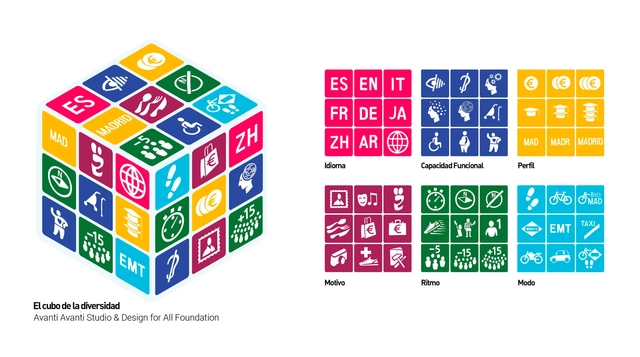
Among the various measures cities can implement to become more pedestrian-friendly, developing a comprehensive signage system is a highly efficient, straightforward improvement that delivers transformative results—as demonstrated by initiatives like Legible London, New York's WalkNYC, or Rio on Foot in Rio de Janeiro.
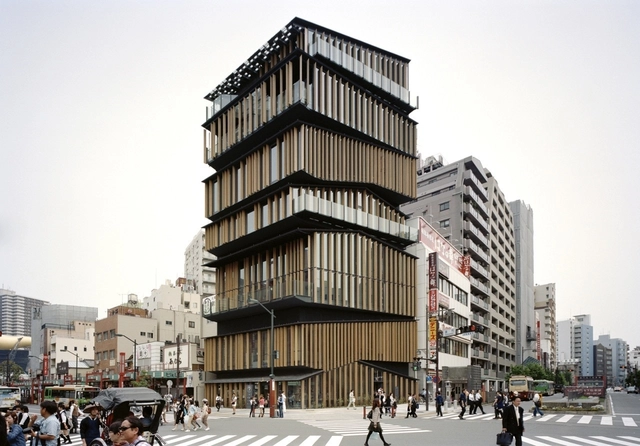
Design:ED Podcast is an inside look into the field of architecture told from the perspective of individuals that are leading the industry. This motivational series grants unique insight into the making of a successful design career, from humble beginnings to worldwide recognition. Every week, featured guests share their personal highs and lows on their journey to success, that is sure to inspire audiences at all levels of the industry. Listening to their stories will provide a rare blueprint for anyone seeking to advance their career, and elevate their work to the next level.
In this episode of Design:ED Podcast, host Aaron Prinz speaks with Kengo Kuma about why he chose to be an architect, what difficulties architects face when starting their own office, and how has cross-cultural education influenced his work.
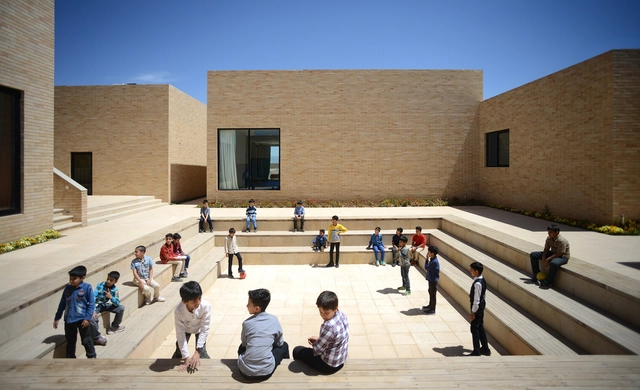
The design of educational spaces is perhaps one of the most compelling areas of architecture. It is also one of the fields in greatest need of development. Designing a school goes far beyond sizing classrooms and administrative areas; it involves conceiving spaces for gathering and exchange, connecting (or separating) specific areas, defining lighting and ventilation strategies, and studying color theory, to name just a few of the complexities involved.
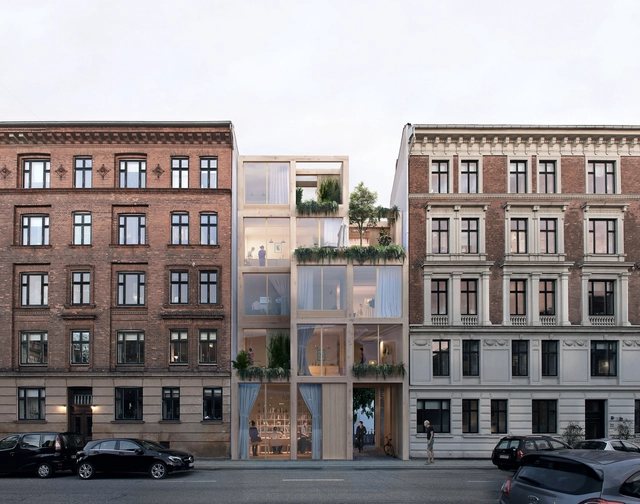
Major cities are facing major crises. The United Nations estimates that by 2050, almost one billion people with disabilities will live in cities, representing 15% of total city dwellers. With urban landscapes awash with inaccessible subways, shops, and bathrooms, the UN has declared that poor accessibility represents a major challenge for cities. At the same time, most cities around the world are struggling to provide safe, respectable, affordable housing for their citizens, with rent accounting for more than 50% of some incomes. The World Economic Forum recently warned that “a world in which only a few can afford housing is not sustainable.”
Air-conditioning isn’t just expensive; it’s also terrible for the environment. Accounting for 10% of global energy consumption today, space cooling in 2016 alone was responsible for 1045 metric tons of CO2 emissions. This number is only expected to increase, with the International Energy Agency estimating that cooling will reach 37% of the world’s total energy demand by 2050.
_0262.jpg?1566906640)
_0153.jpg?1566907296)
_0268.jpg?1566907775)
_0247.jpg?1566906787)
_0247.jpg?1566906787)