LED bulbs have become ubiquitous due to their low energy consumption, durability, and increasingly affordable prices. However, our need for illumination can work against us if we do not understand the effects of this type of light on the body.
While we have previously addressed light temperatures, warm and cool lighting, and the dangers of blue light regarding sleep cycles and eye strain, we must now also consider the phototoxicity of blue light.
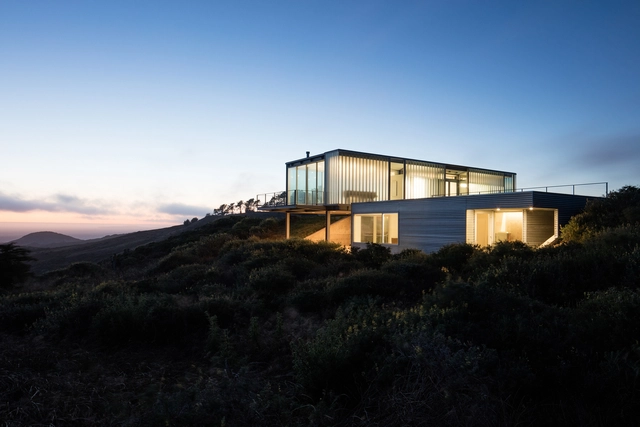
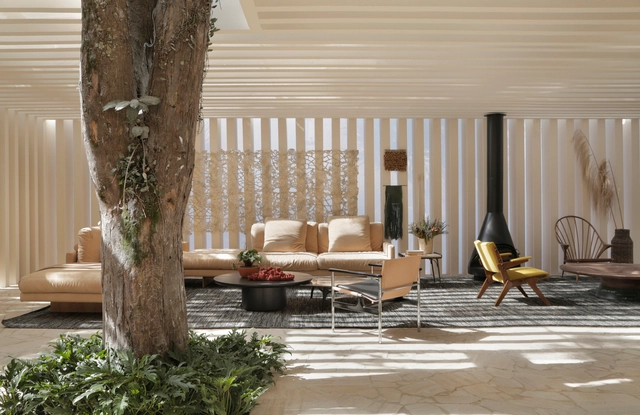
In architecture, when designing physical and tangible spaces, ephemeral and intangible aspects are essential considerations in the design process. One of the most important elements in this regard is natural light, which is crucial for ensuring comfort, quality of life, and health for its occupants.
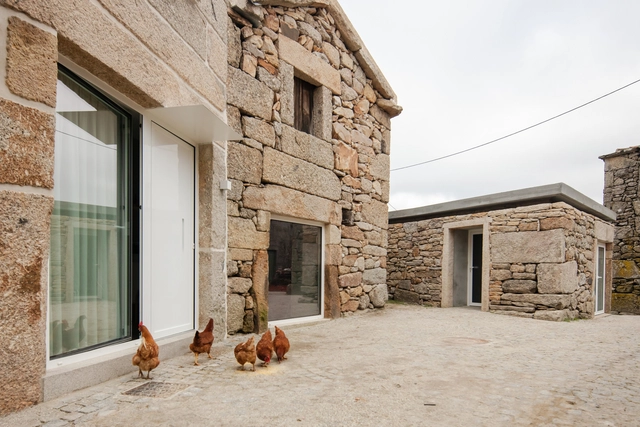
Stone is known to be a versatile, sturdy, inexpensive and long-lasting material, and has been used in traditional construction systems worldwide for a long time. Its practicality, neutrality, and availability in certain regions are some of its defining traits which, combined with its visual appeal, can contribute to its use in contemporary architectural projects.
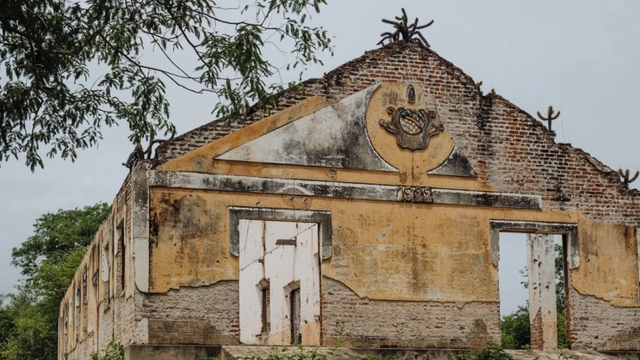
Ruins of the concentration camp in Senador Pompeu mark the struggle against hunger and the 1932 drought. Photo: Gustavo Gomes/EBC. Image via Haus
The year 1932 is a milestone in the history of Céará. One of the worst droughts ever recorded devastated the sertão, leading to scenes already immortalized in classics of Brazilian literature—such as Vidas Secas by Graciliano Ramos and O Quinze by Rachel de Queiroz: drought refugees forced to leave their homes to escape hunger and misery.
When considering “How Will We Live Together”, it is important to note the projective and future tense of the phrase. The idea not only encompasses ways we already share our built environment but targets the anticipated issues that are to be tackled to facilitate communal and mutually beneficial ways of living.
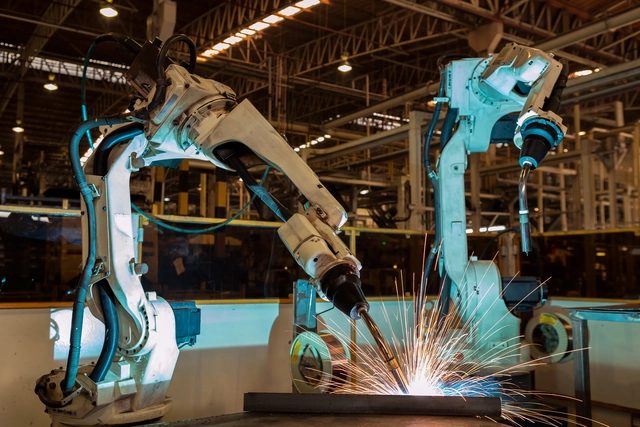
Robotic automation has been widely adopted by the manufacturing industry for decades. Most automotive vehicles, consumer electrical appliances, and even domestic robots were made and assembled by “armies” of robots with minimal human supervision. Robotic automation brings higher production efficiency, a safer working environment, lower costs and superior quality. After years of development and deployment, the process now requires minimal human involvement.
https://www.archdaily.com/945761/a-fully-automated-construction-industry-still-a-long-road-aheadDarwin Lau
Architecture is often associated with the idea of sheltering, ever since primitive constructions. However, memorials are among the few types of architecture that are not primarily intended to shelter, but to remember. A space that respectfully aims to keep alive the memory of those who have fallen in heroic acts or have been unfortunate victims of cruel historical events, which can, therefore, be perceived as a monument or a building with the purpose of materializing intangible emotions, creating collective memories that can be remembered through time.
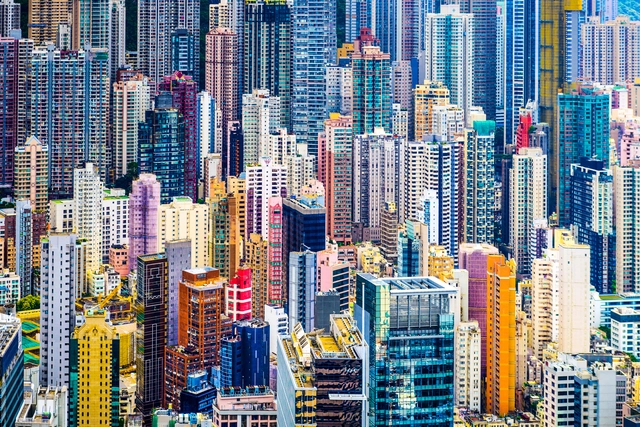
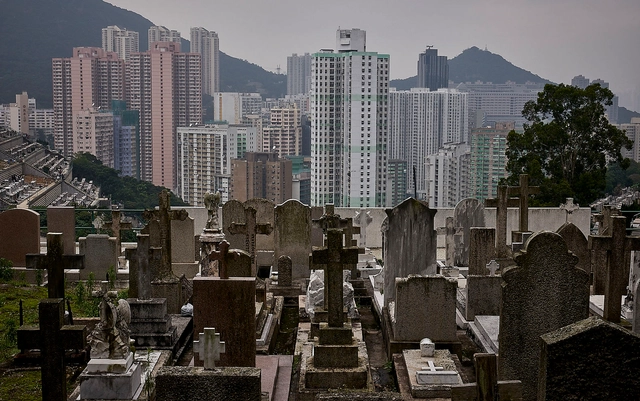
In some of the most dense cities around the world, it’s becoming an increasing challenge to find a comfortable space to live- and similar for when you die, too. It’s estimated that 55 million people pass away each year, and for every one living person today, there are 15 times the number of deceased. Yet urban planners and architectural developers are more interested in dealing with the living than dabbling in the business of death. As a result, it’s created tension in the two parallel worlds- and as time goes on, more questions are being raised about how we address public space that can be designed so that both the living and the dead can coexist.
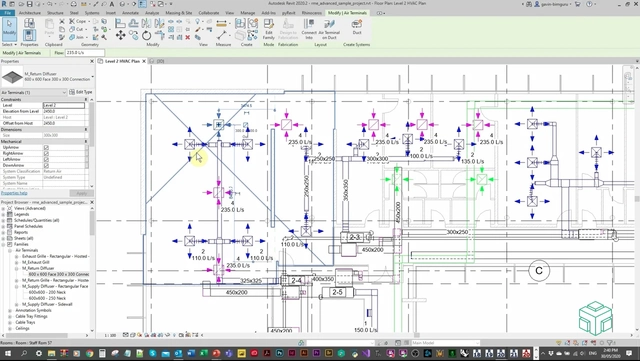
There's no shortage of architectural software these days and it can be challenging and overwhelming to know what tools will be the best fit for your work. Often the programs you learned in school or whatever your firm uses are what you stick with. However, it's often beneficial to step out of that comfort zone and investigate your options to see what else is out there. New software can present opportunities to simplify existing workflows or even bring new digital capabilities to you and your firm.
https://www.archdaily.com/945566/learn-more-about-dynamo-for-revit-features-functions-and-newsGoPillar Academy
Videos
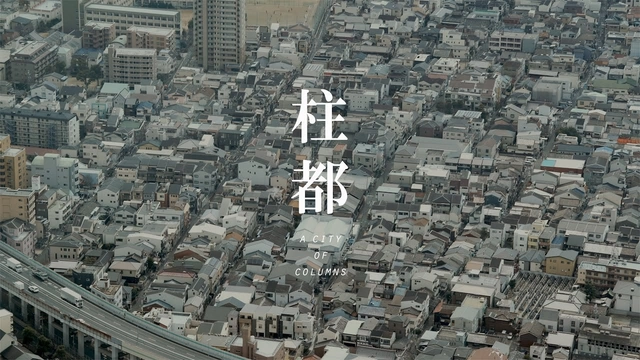
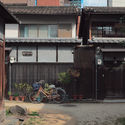
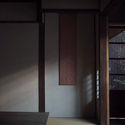
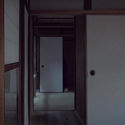
Osaka, Japan. Image Courtesy of Norihito Nakatani Seminar
Created by Japanese architectural historian Norihito Nakatani, the film "A City of Columns" explores the distinctive dwelling culture of nagaya, a housing typology that flourished in the Japanese early modern period. The video depicts one of the few remaining nagaya neighbourhoods in Osaka, revealing the standardization embedded in all aspects of this form of housing and documenting how architectural elements transition between different spatial configurations.
As planners who regularly engage everyday citizens in the planning process, we like to start by having people build their favorite childhood memories with found objects. Most often, these memories are joy-infused tales of the out-of-doors, nature, friends, family, exploration, freedom. Rarely do these memories have much to do with technology, shopping, driving, watching television, and so many of the other things that seem to clutter up our daily lives. But then again, these are folks who have known a world that has been—at least for part of their lives—screen- and smartphone-free.
https://www.archdaily.com/946090/designers-and-planners-take-note-peoples-fondest-memories-rarely-involve-technologyJames Rojas, John Kamp & Vassil Yorgov
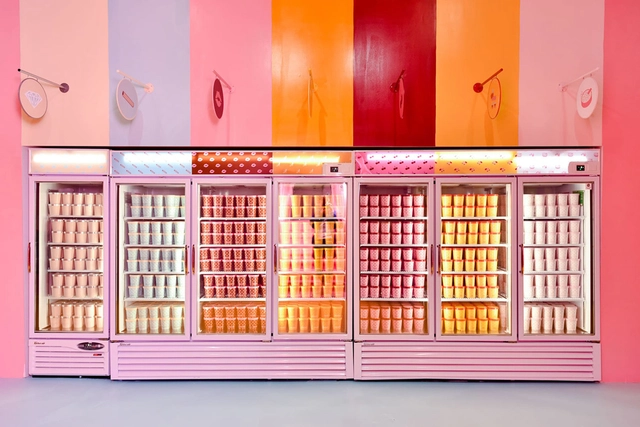
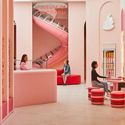
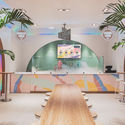
Sherbet, gelato, mochi and more. The architecture of ice cream is as diverse as its structure and flavors, ranging from pop-ups and small stands to elaborate creameries. Whether designing for a larger franchise with set standards, or a bespoke mom and pop shop, architects and designers are reimagining the spatial experience of ice cream. In turn, they are catering to evolving tastes while embodying the identity of diverse brands.
As the philosopher Byung-Chul Han states: every age has its signature afflictions. These illnesses have represented some of the most significant challenges in human history, bringing drastic changes not only to the healthcare sector but also to economic and political spheres, revealing humanity as a complex network negotiating its daily existence through actions that have reshaped our ways of living and relating to one another.
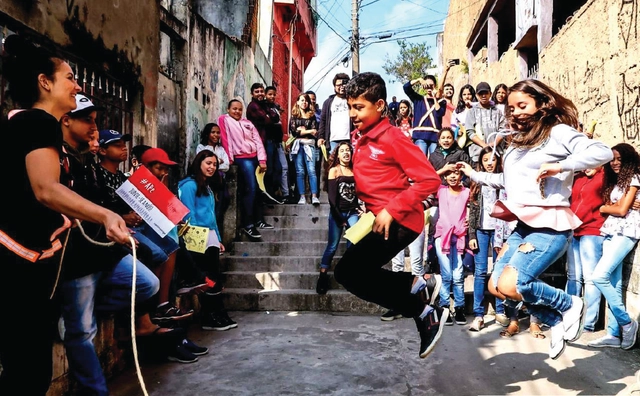
Mind the Step - Jardim Nakamura, São Paulo, Brazil. Image Courtesy of UN-Habitat
The Un-Habitat or the United Nations agency for human settlements and sustainable urban development, whose primary focus is to deal with the challenges of rapid urbanization, has been developing innovative approaches in the urban design field, centered on the active participation of the community. ArchDaily has teamed up with UN-Habitat to bring you weekly news, article, and interviews that highlight this work, with content straight from the source, developed by our editors.
Discover in this feature the first lesson to learn from UN-Habitat, on how to design with and for the people. In order to create great public spaces, the only secret is listening to the community. Questioning “how can we design together”, this article presents cases in Ghana, Brazil, and India, focusing on street, market, and open public spaces implementation projects, where interventions took on participatory approaches and involved local residents from the beginning of the process.
To celebrate World Photography Day, we've gathered a list of 10 BIPOC architectural photographers from around the world who are worth knowing - and following on Instagram.
The following names have also been recognized in two open lists that are constantly being updated in order to promote diversity in the photography industry: Diversify Photo and BIPOC STUDIOS. The idea behind these platforms is to allow Architects, Designers, Creative Directors, and art consumers in general, to discover photographers that identify themselves as Black, Indigenous, People of Color, available for assignments and commissions.
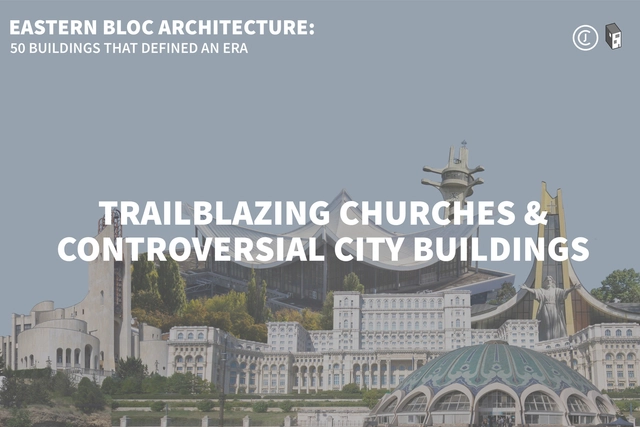
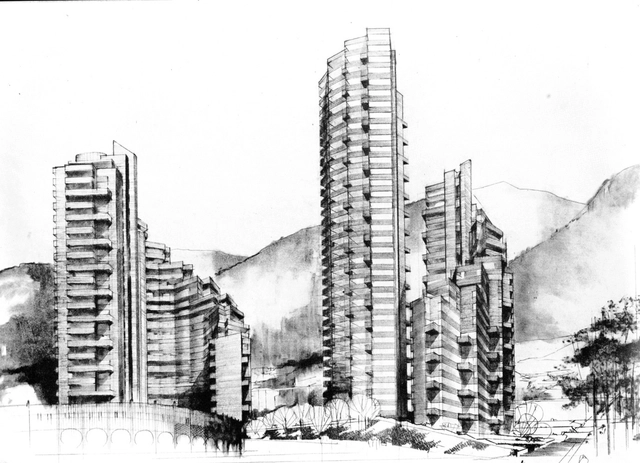
This article is part of "Eastern Bloc Architecture: 50 Buildings that Defined an Era", a collaborative series by The Calvert Journal and ArchDaily highlighting iconic architecture that had shaped the Eastern world. Every week both publications will be releasing a listing rounding up five Eastern Bloc projects of certain typology. Read on for your weekly dose: Trailblazing Churches and Controversial City Buildings.
https://www.archdaily.com/945948/eastern-bloc-architecture-trailblazing-churches-and-controversial-city-buildingsLucía de la Torre











_Blerta_Kambo.jpg?1597868162&format=webp&width=640&height=580)





_22.43.53.jpg?1597908512&format=webp&width=640&height=580)

_22.43.53.jpg?1597908512)