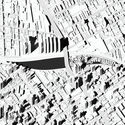
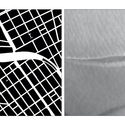
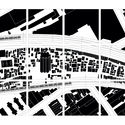
The urban structure of São Paulo was shaped by its topography. With its predominantly rugged terrain, railways were laid along the flat floodplains and river terraces, where they could be developed along routes better suited to their physical limitations.
The train—a machine slicing through cities and overcoming natural landscape obstacles at speeds of sixty kilometers per hour—was the invention that collapsed geographic distances. This connection-making tool, born of the Industrial Revolution, enabled a productive chain across its various stops by transporting manufactured goods and tons of moving machinery.








.jpg?1602872084&format=webp&width=640&height=580)

.jpg?1602872196 "Photo: 1931, Kaunas, Lithuania. Two children working on reading/writing words at Maria Varnienė's Children's House. The child on the left is Stasys Ragaišis, who later became a medical doctor.. Image via @montistory101")


.jpg?1602872084)
.gif?1604578732)












.jpg?1606152301&format=webp&width=640&height=580)












.jpg?1605991358 "Nüwa City on Mars. Image Courtesy of ABIBOO Studio")


.jpg?1605991377 "Nüwa City on Mars. Image Courtesy of ABIBOO Studio")