Subscriber Access

Favela do Moinho: process of abandonment and economic interests in downtown São Paulo

The urban structure of São Paulo was shaped by its topography. With its predominantly rugged terrain, railways were laid along the flat floodplains and river terraces, where they could be developed along routes better suited to their physical limitations. 

The train—a machine slicing through cities and overcoming natural landscape obstacles at speeds of sixty kilometers per hour—was the invention that collapsed geographic distances. This connection-making tool, born of the Industrial Revolution, enabled a productive chain across its various stops by transporting manufactured goods and tons of moving machinery.
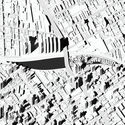
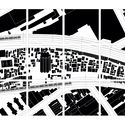
Favela do Moinho: process of abandonment and economic interests in downtown São Paulo - Image 2 of 12Favela do Moinho: process of abandonment and economic interests in downtown São Paulo - Image 3 of 12Favela do Moinho: process of abandonment and economic interests in downtown São Paulo - Image 11 of 12Favela do Moinho: process of abandonment and economic interests in downtown São Paulo - Image 12 of 12Favela do Moinho: process of abandonment and economic interests in downtown São Paulo - More Images+ 7

Content Loader

Image gallery

See allShow less
About this author
Cite: Silveira, Breno. "Favela do Moinho: process of abandonment and economic interests in downtown São Paulo" [Favela do Moinho: processo de abandono e interesses econômicos no centro de São Paulo] 29 Nov 2020. ArchDaily. (Trans. Romullo Baratto) Accessed . <https://www.archdaily.com/1123647/favela-do-moinho-process-of-abandonment-and-economic-interests-in-downtown-sao-paulo> ISSN 0719-8884
Former Vila Mariana Slaughterhouse. Arte/Cidade 1: The City Without Windows. Photographer: Nelson Kon

莫伊纽贫民窟:圣保罗市中心的遗弃进程与经济利益

是否

You've started following your first account!

Did you know?

You'll now receive updates based on what you follow! Personalize your stream and start following your favorite authors, offices and users.