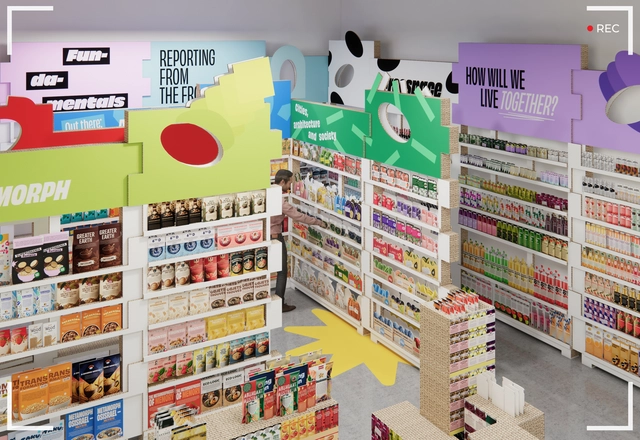
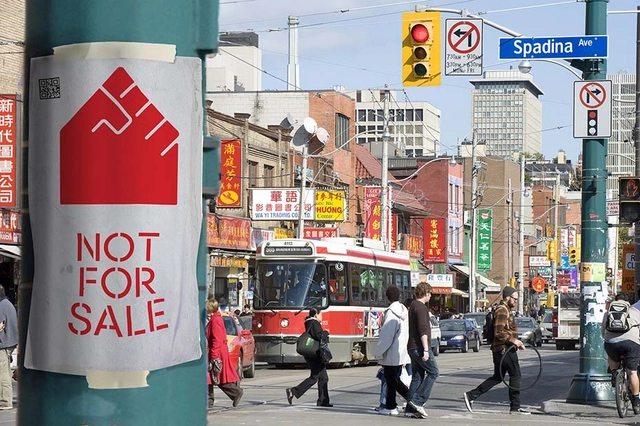
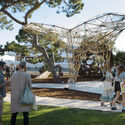
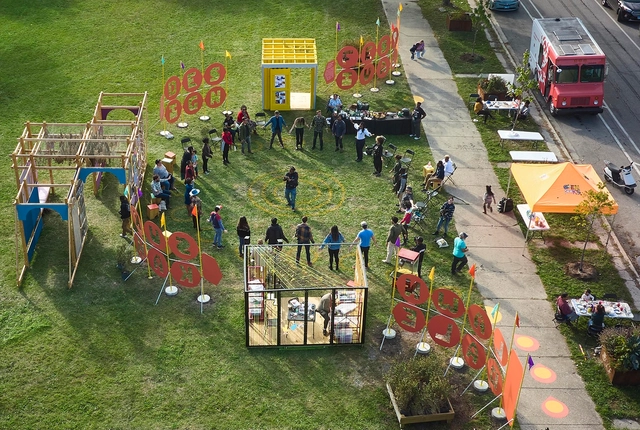
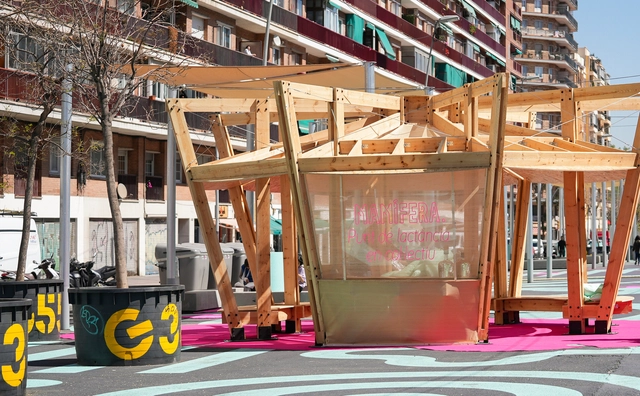
The ninth edition of Concéntrico, the international festival of architecture and design in Logroño, was inaugurated on April 27th to once again promote dialogue between the city, heritage, and contemporary architecture. Until May 2nd, citizens will have the opportunity to rediscover their urban environment alongside the work of more than 60 professionals from 15 different nationalities who have proposed an extensive program with 21 interventions, meetings, and activities.
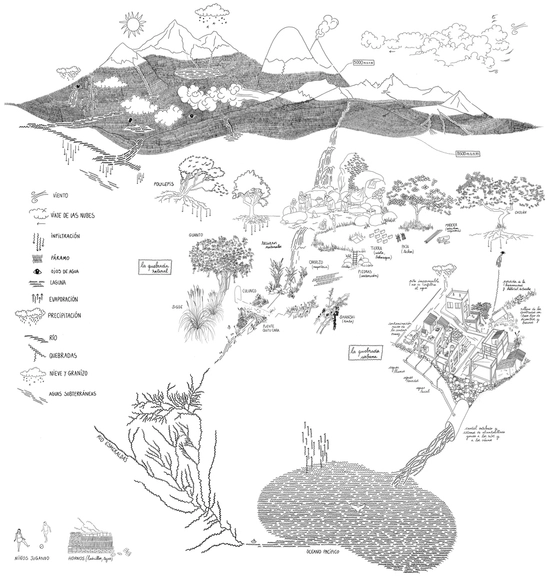
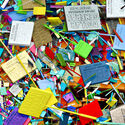
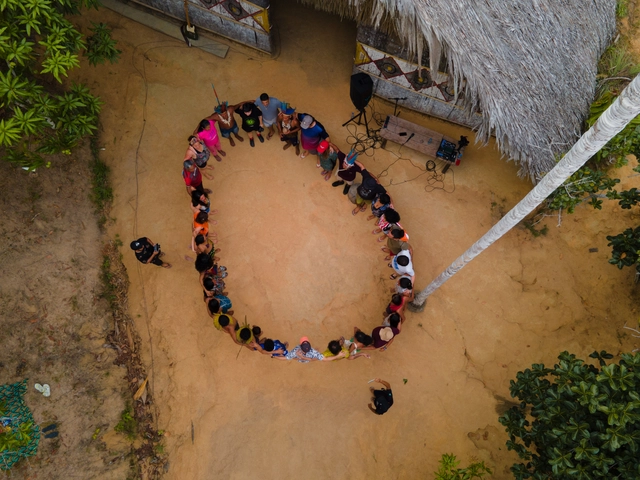
Revealing the river flows of our habitats, “Los Caminos del Agua” (The Water Paths) is a water-focused exhibition that opens a debate on human impact on the territories we inhabit. Originating in Quito, Ecuador, the work by La Cabina de la Curiosidad (led by Marie Combette and Daniel Moreno Flores) was developed in collaboration with the Tomorrow’s Cities project, the El Tejar community, the Wayku Project, and the Yaku Water Museum.
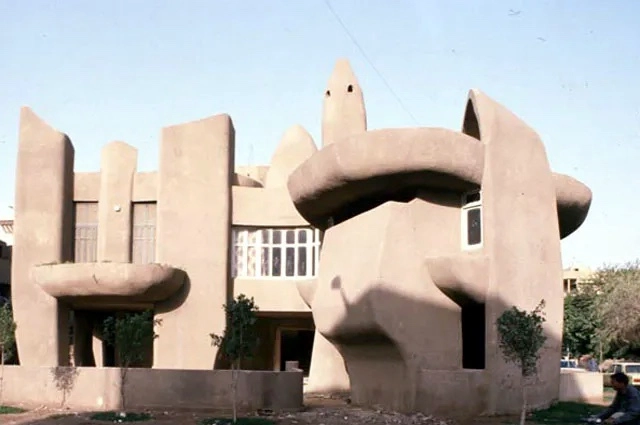
Villa Badran. Image Courtesy of Rare Books and Special Collections Library American University in Cairo
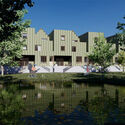
While Egyptian architects were exercising their understanding of modernism in the urban fabric in the 1970s, a “chubby rebellion” in the form of Villa Badran defied the standardized curvilinear forms and rigid geometry. Gamal Bakry dived deep into his imagination to construct this unique piece of architecture that still stands as part of the city of Cairo today. With curving and free-flowing facades, Villa Badran drew inspiration from natural forms. In an attempt to create a living space that was more natural in its essence, the bubbly intervention puts in place a monolithic composition that hosts a two-story detached home for an Egyptian family.
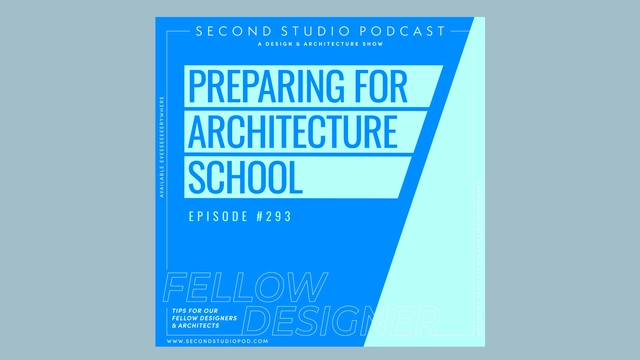
The Second Studio (formerly The Midnight Charette) is an explicit podcast about design, architecture, and the everyday. Hosted by Architects David Lee and Marina Bourderonnet, it features different creative professionals in unscripted conversations that allow for thoughtful takes and personal discussions.
A variety of subjects are covered with honesty and humor: some episodes are interviews, while others are tips for fellow designers, reviews of buildings and other projects, or casual explorations of everyday life and design. The Second Studio is also available on iTunes, Spotify, and YouTube.
This week David and Marina of FAME Architecture & Design discuss how to prepare for undergraduate architecture school. The two cover learning different skills and tools such as software programs, sculpture, drawing, and painting; learning about construction; common challenges students face; architectural education in general; dealing with negativity in the profession of architecture; and more.
https://www.archdaily.com/1000578/the-second-studio-podcast-preparing-for-architecture-schoolThe Second Studio Podcast
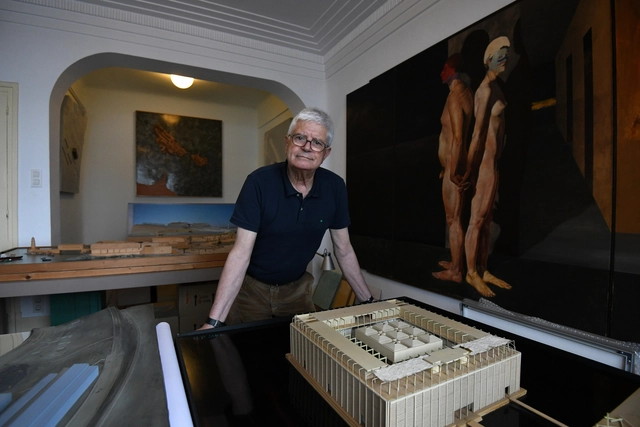
César Portela, an architect born in Pontevedra in 1937, has been awarded the Gold Medal of Architecture, one of the most prestigious distinctions in Spain's architectural profession. Established by the Superior Council of Colleges of Architects of Spain (CSCAE) in 1981, this award recognizes individuals and institutions whose work enriches architectural practice.
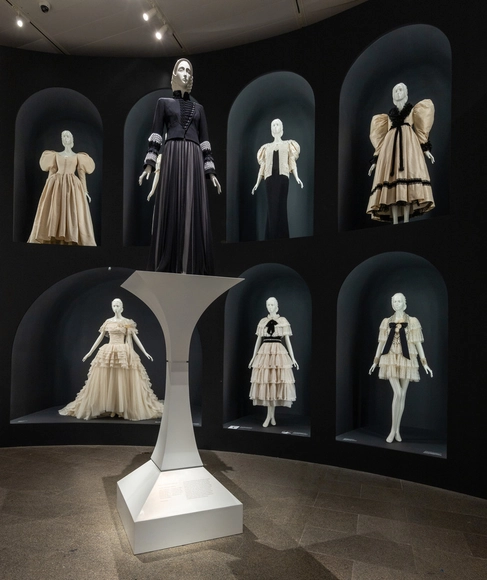
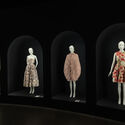
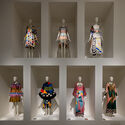
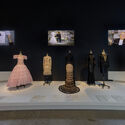
Architect Tadao Ando has been commissioned to design this year’s Costume Institute exhibition highlighting the work of Karl Lagerfeld. The opening of the exhibition titled “Karl Lagerfeld: A Line of Beauty” was marked by the world-renown Met Gala, a fundraising event attended by celebrities and personalities perceived to be culturally relevant in the fashion scene. Perceived as a thematic and conceptual essay on Lagerfeld’s work, rather than a traditional retrospective, the exhibition aims to illustrate the designer’s method of creative expression and its significance in the industry.
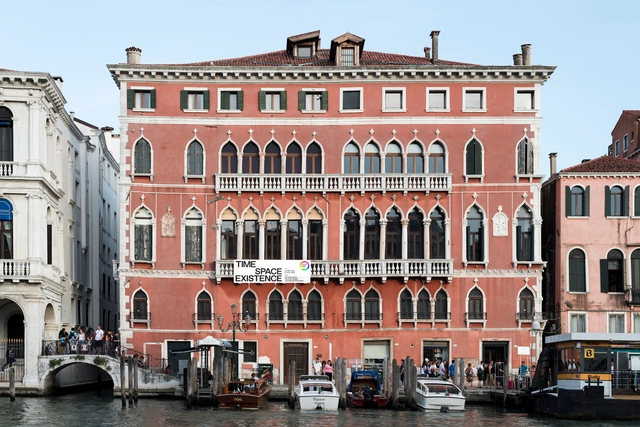
Organized and hosted by the European Cultural Centre (ECC), a non-profit organization committed to promoting culture through international exchanges, the sixth edition of the Time Space Existence exhibition "will draw attention to the emerging expressions of sustainability in its numerous forms, ranging from a focus on the environment and urban landscape to the unfolding conversations on innovation, reuse, community, and inclusion.".
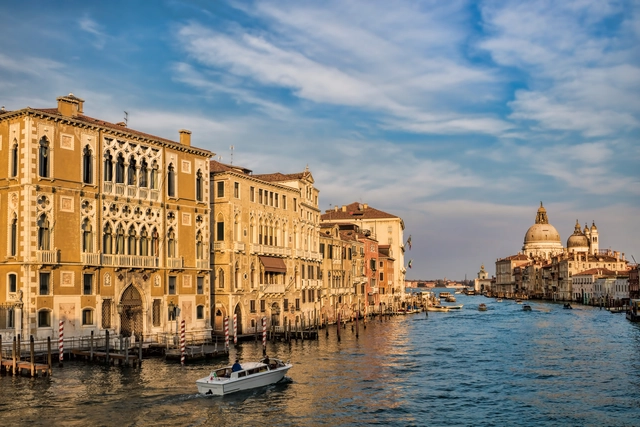
Architects, designers, artists, academics, and photographers, from 52 different countries will come together to explore and contemplate the philosophical concepts of Time, Space, and Existence, through different mediums and from diverse perspectives. Highlighting a total of 217 projects, the exhibition will run from the 20th of May until the 26th of November, 2023, at Palazzo Bembo, Palazzo Mora, and the Marinaressa Gardens, in Venice, during the 2023 Venice Architecture Biennale. Throughout the six months of opening, the show will be complemented by a program of talks, conferences, and workshops.
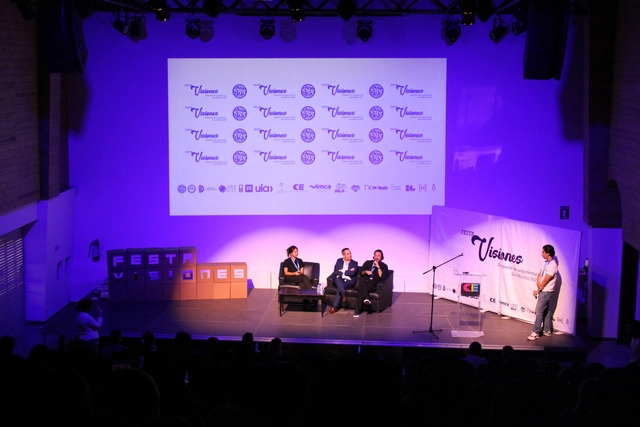
On April 26, 27, and 28 of this year, the "FESTA Visiones" architecture festival took place in Los Mochis, Sinaloa, marking the return of in-person activities and the revitalization of events. To this end, the Architecture Committee of the Tecnológico Nacional de México Campus Los Mochis and the Colegio de Arquitectos del Norte de Sinaloa joined forces to resume the region's most important educational event, once again inviting students to learn from national leaders in the profession.
The Architectural League of New York has announced the winners of its 42nd cycle of the Architectural League Prize for Young Architects + Designers. The theme for this edition of the competition was “Uncomfortable,” asking young designers to contemplate their position while wrestling with many uncomfortable responsibilities, like challenging traditional paradigms, dismantling architectural legacies, grappling with the costs of comfort, or responding to rising ecological concerns.
Established in 1981, the competition is open to young architects and designers in an effort to recognize the visionary work of young practitioners. This year’s theme was developed by the 2023 Young Architects + Designers Committee, which included recent League Prize winners Jose Amozurrutia, Germane Barnes, and Jennifer Bonner. The jury included the committee in addition to Barbara Bestor, Wonne Ickx, Kyle Miller, and Tya Winn.
From April 20 to 30, the second edition of the Model: Festival d'Arquitectures de Barcelona took place, debuting a new theme, Radical Empathy, and a new location, the surroundings of the new Parque de las Glorias. This year, managed by the Fundació Mies van der Rohe, the event turned the city into a laboratory of experimentation and dissemination of architectural and urban thought, providing an opportunity to rethink new models and new imaginations of the city.
During the 10 days of the festival, 5 temporary installations were presented as a tool to build a more sustainable, fraternal, and fair city. Among the proposals, we could find a breastfeeding area designed by Equal Saree, the roof of a parking lot transformed into a mushroom structure by Harrison Atelier, and a surface that provides information about the benefits and disadvantages of the city's air created by Daryan Knoblauch, among others. At the same time, a series of 4 digital architectures and augmented realities were added, incorporating new experiences and technologies.
Ahead of the ninth edition of Open House Madrid, the dates for this international architecture and city festival have recently been announced. Year after year, the event renews itself, inviting visitors to discover a city in constant change through its architecture. From September 21 to 24, 2023, Open House Madrid will take place throughout the capital, as well as in nearby urban areas, with the goal of promoting and showcasing the city's architectural heritage.
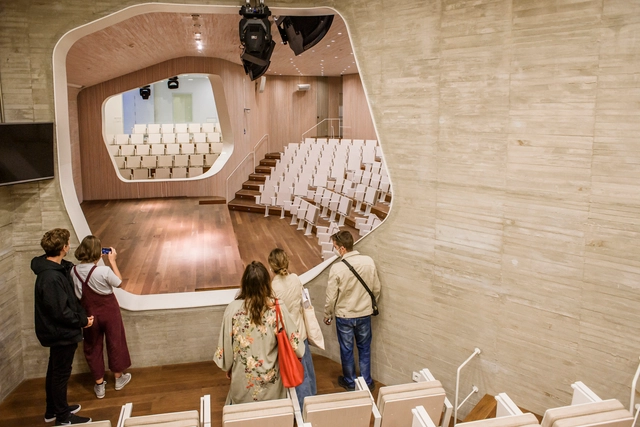
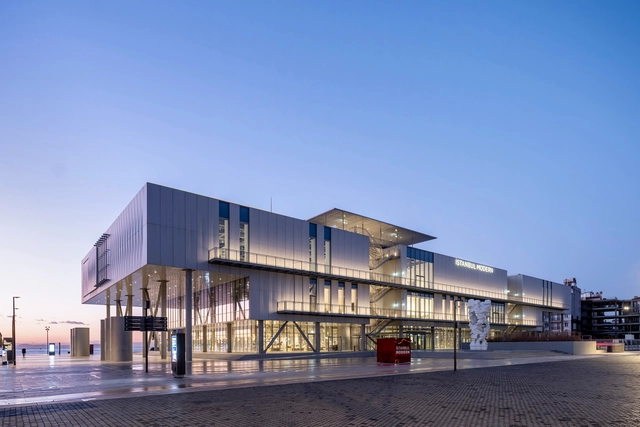
Designed by Renzo Piano Building Workshop, a new building for Istanbul Modern, Türkiye’s first museum of modern and contemporary art, will open to the public on May 4th, 2023. The official opening ceremony of the museum is set to take place at a later date. The museum, measuring over 10,500 square meters, is located on the Karaköy waterfront, a historic district at the intersection of the Bosphorus and Golden Horn. The new building offers spaces for temporary exhibitions, interdisciplinary educational programs, film screenings, and an extensive art collection.
Pastures, farmlands, mining, or urban areas. As the Amazon ecosystem approaches an irreversible tipping point of devastation, LABVERDE — a cultural and environmental activism project that promotes the production and democratization of knowledge about the world's largest rainforest — is launching a new edition of the "Speculative Ecologies" residency. Now in its eighth call, the initiative invites artists to actively participate in the discourse on nature conservation through the production of works resulting from research, experimental artistic languages developed during unique experiences in environmental reserves, and dialogues with indigenous communities facilitated by experts. Applications are open until May 8. Brazilian artists residing in Brazil are invited to apply through the website. LABVERDE covers travel, lodging, expeditions, and training, and provides a R$3,000 stipend to each selected participant to produce content.
https://www.archdaily.com/1135883/labverde-launches-open-call-for-artistic-residency-in-the-amazonArchDaily Team
ELEMENTAL, Herzog & de Meuron, Office for Metropolitan Architecture (OMA), Philippe Starck, and UNStudio are just a few of the internationally renowned architectural firms working with Qatar Museums to establish five new cultural facilities in Qatar. The new constructions will be overseen by Qatar Museums, tasked with maintaining and expanding Qatar's cultural assets through managing the nation's expanding network of museums, heritage sites, festivals, and public art installations.
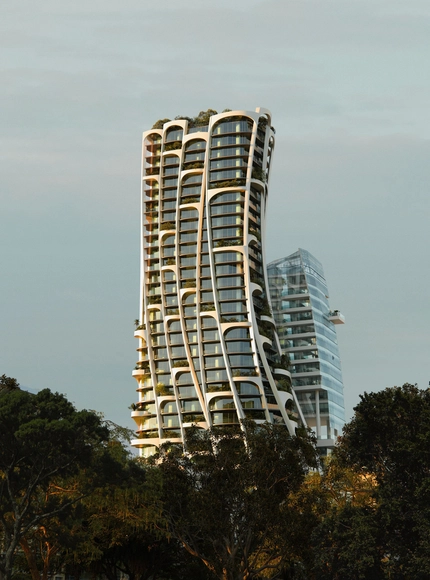
The architecture firm MAD Architects, based in Beijing, China, has presented the design of its first project in South America, the mixed-use "Qondesa" tower in Quito, Ecuador, which will soon become the tallest building in the city.
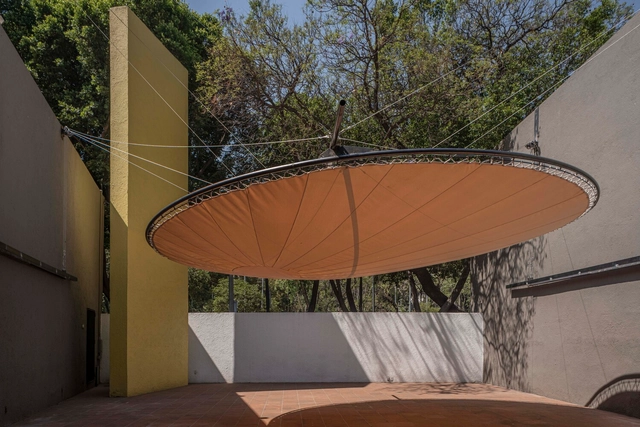
As part of the exhibition program of the Museo Experimental El Eco, the call for entries for the 2023 Eco Pavilion was launched, inviting professionals involved in architectural practice in Mexico to dialogue with the museum's space. This edition marks 13 years of the Eco Pavilion, a competition launched in partnership with Buró-Buró with the mission of offering a platform for architectural production focusing on experimentation and spatial reflection. The winning project belongs to the team composed of OCIO taller + Bianchi Majer + Nicolás Guzmán + Angélica M. Pena + Andrés Lira.