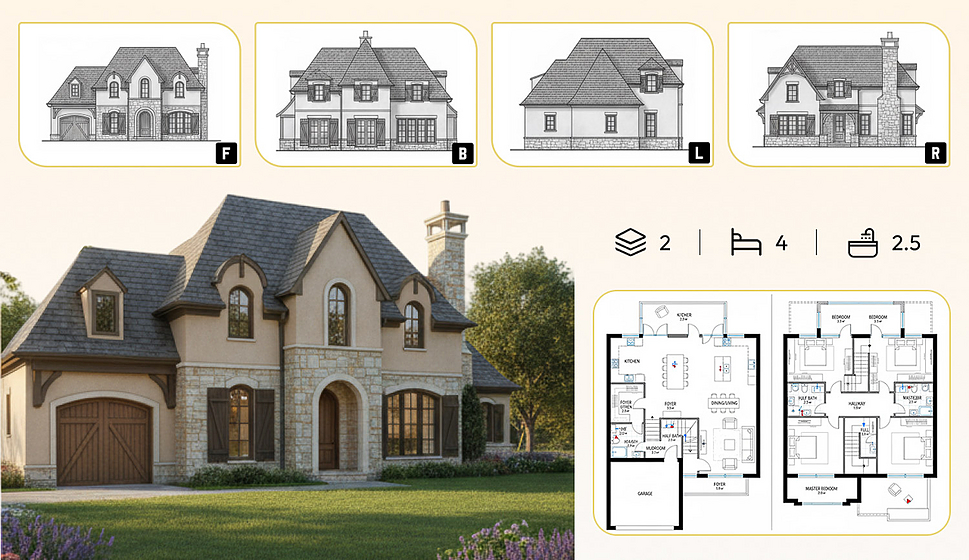
This guide covers a workflow that moves from project parameters to generated floor plans, 3D perspective views, exterior design exploration, and site context visualization, using AI tools in place of preliminary CAD and rendering work.
This guide covers a workflow that moves from project parameters to generated floor plans, 3D perspective views, exterior design exploration, and site context visualization, using AI tools in place of preliminary CAD and rendering work.
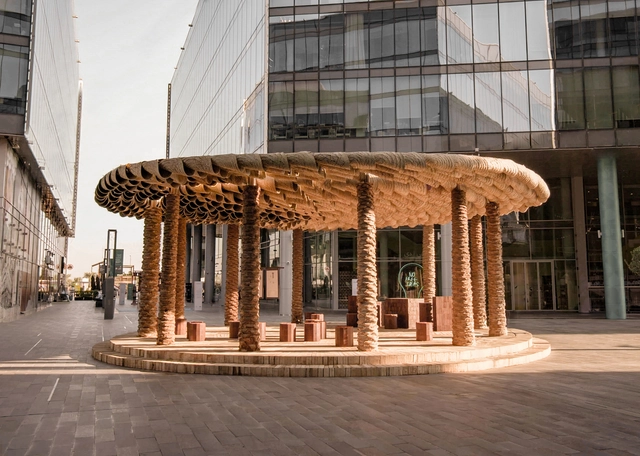
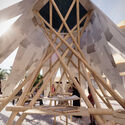
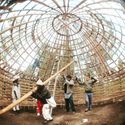
Happening between November 7 and 12, Dubai Design Week 2023 brought together over 500 designers, architects, and creative practitioners to explore the relationship between traditional practices and emerging technologies in an effort to create more environmental sustainability and design-led social impact solutions. As one of the most important cultural events in the Middle East, the festival brings forward a wide offering of installations, artworks, and immersive experiences, all exploring important topics of eco-friendly design.
This year’s interventions and installations drew inspiration from the region’s natural ecosystems as well as local traditions and craftsmanship while merging these practices with innovative technologies, biomaterial explorations, and reimagined ways of practicing. Across the interventions, a recurring motif emerges, that of celebrating Middle Eastern heritage and engaging productively with vernacular practices.
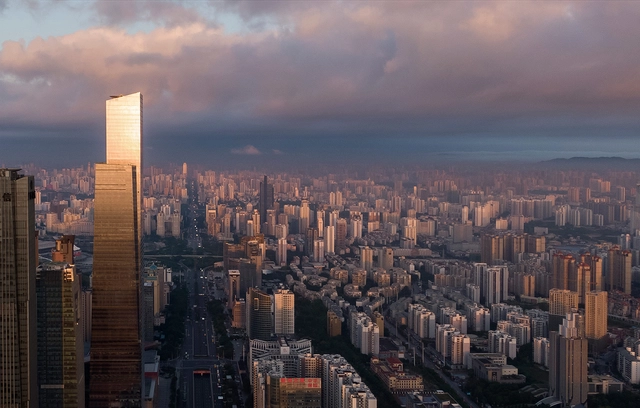
The Guangxi China Resources Tower has just received the distinguished “Tall Building Award” from the Council on Tall Buildings and Urban Habitat (CTBUH). The soaring skyscraper, standing at 403 meters in Nanning, China, was designed by Goettsch Partners (GP) and built by CR Land. This 86-story tower spanning 272,260 sqm features the Shangri-La Nanning hotel, office space, and retail space.
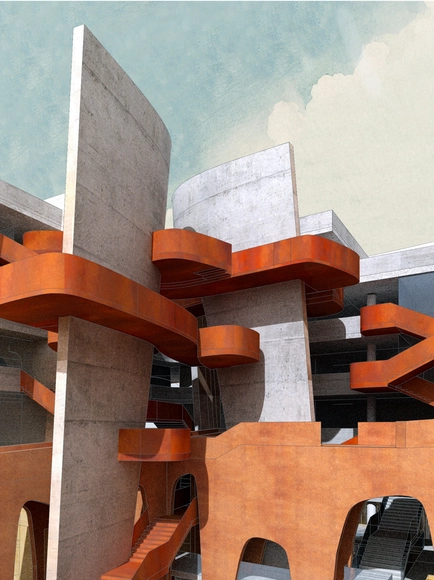
Sir Peter Cook and Gavin Robotham’s CRAB Studio has unveiled the design for a new cultural center to be constructed in New Delhi, India. Located on the site of a former quartzite quarry, the BRIJ offers facilities for the visual, performing, literary, and culinary arts as well as a new arts academy. The scheme, aiming to promote interactions between artists and audiences via an immersive environment, is designed by CRAB Studio, now led by Gavin Robotham, and CP Kukreja Architects (CPKA) as Executive Architect.
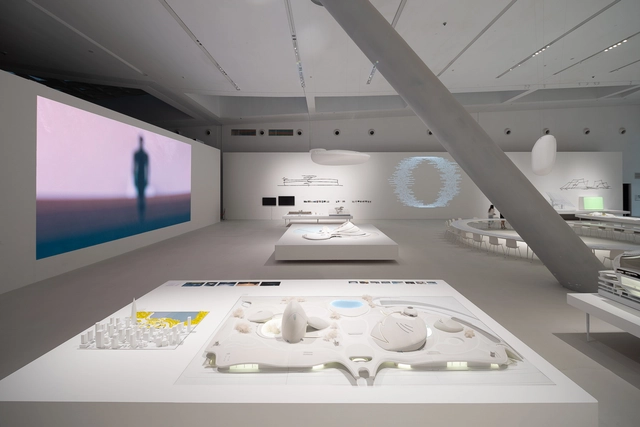
The Shenzhen Museum of Contemporary Art and Urban Planning in China (MoCAUP) has recently opened an exhibition titled “Ma Yansong: Landscapes in Motion.” This retrospective showcases the work of MAD Architects, led by Ma Yansong, Dang Qun, and Yosuke Hayano, spanning nearly two decades and 52 projects. Running until December 17, the display is envisioned as a platform for imaginative exploration of future urban life.
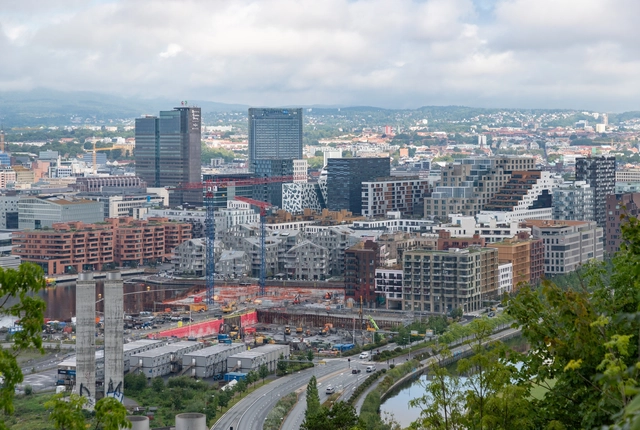
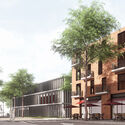
The Norwegian studio of Powerhouse, in collaboration with KIMA arkitektur, has won a design competition for the transformation and extension of one of the historical buildings located in the center of Landbrukskvartalet. Known as the Agricultural Quarter, a former farming and industrial site in central Oslo, the area is now scheduled to go through an urban revitalization process to be transformed into an active neighborhood based on the design philosophy of ‘new meets old’.
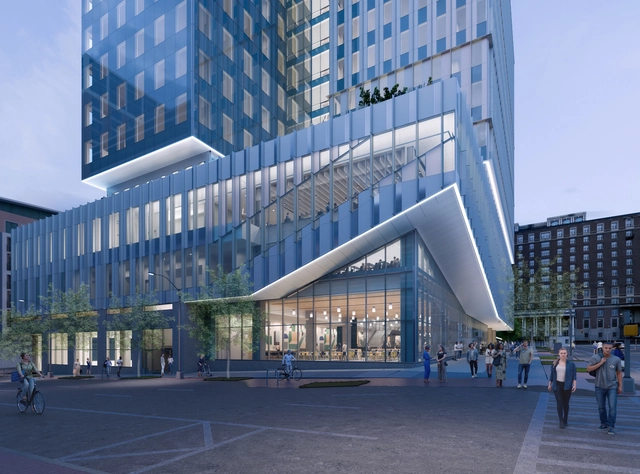
EskewDumezRipple has just revealed the designs for a new academic building for the Georgia Institute of Technology in Atlanta. Embedded into the new “Technology Square,” this expansive project marks phase 3 of Georgia Tech’s growth initiative. Designed to facilitate the development of technology leaders and enhance the human condition of Georgia Tech students and faculty, the scheme creates a vibrant intellectual environment filled with inspiration.
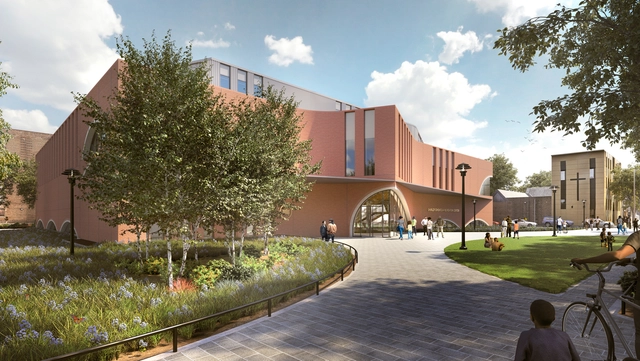
New York City Mayor Eric Adams, along with the New York City Department of Design and Construction, has announced the breaking ground on the construction of the Studio Gang-designed Shirley Chisholm Recreation Center. Located at the Nostrand Playground in East Flatbush, Brooklyn, the center aims to bring new amenities to the residents of East Flatbush while honoring the history and heritage of the community. The new center is named after Brooklyn-born politician Shirley Chisholm, the first African American woman to serve in Congress and the first woman and African American to seek the nomination for president of the United States.
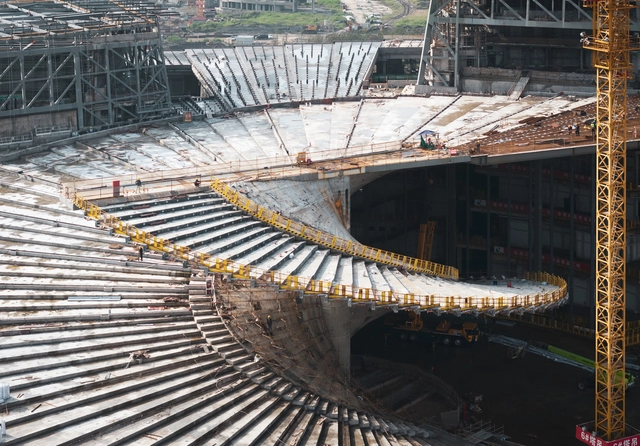
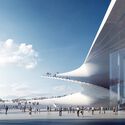
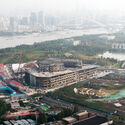
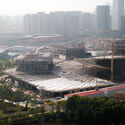
Snøhetta has just released construction images showing the progress on the studio’s long-awaited Shanghai Grand Opera House in China. With its iconic fan-shaped roof, the firm has been commissioned the scheme in 2019 following an international design competition. The project is set to be completed in 2025, seeking to attract a broad audience for traditional, classical, and experimental performances.
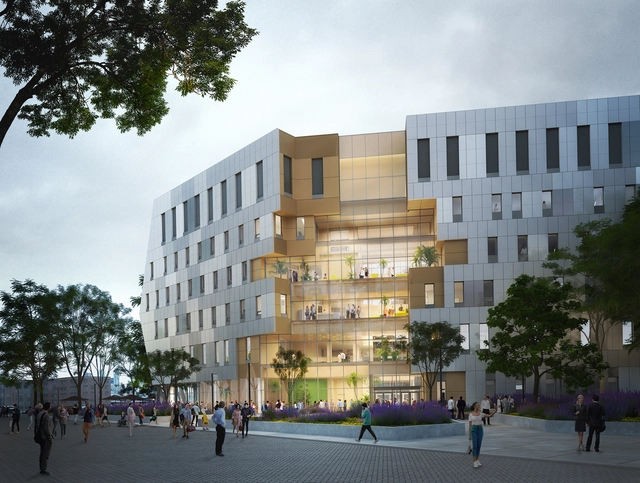
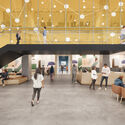
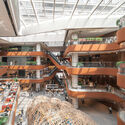
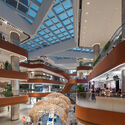
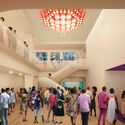
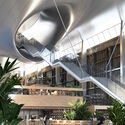
Diamond Schmitt and MVRDV have unveiled the design for a new building for the Scarborough Academy of Medicine and Integrated Health (SAMIH) at the University of Toronto’s Scarborough Campus. The new addition, featuring laboratory spaces, classrooms, and offices, aims to function as a communal and gathering space for the community. The functions are distributed around a five-story atrium that opens toward the exterior on both sides of the building and establishes a destination point within the pedestrian flows of the campus. Solar panels integrated into the façade help power the building, while the warm finishes of the interior contribute to creating a welcoming atmosphere.
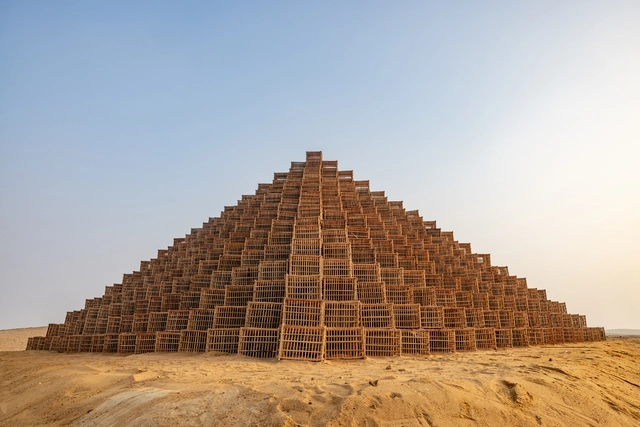
Last week in Cairo, CulturVator – Art D’Egypte launched its third edition of the annual international exhibition “Forever is Now.” Set by the backdrop of the Great Pyramids of Giza, the display features the work of 14 international artists. In essence, the exhibition “underscores the significance of cultural exchange among artists at the core of history and ancient Egyptian civilization.”
The third installment "Forever Is Now," running from October 26th to November 18th, presents a diverse ensemble of artists hailing from various corners of the globe. Among them are Egyptian artist Mohamed Banawy and Saudi Arabian talent Rashed Al Shashai, as well as American visual artist Carol A. Feuerman and Belgian creative Arne Quinze. Collectively, these artists have come together to creatively interact with one of the world's most iconic historical sites, crafting immersive visual narratives that seamlessly fuse contemporary elements with the past, weaving tales of the land and its inhabitants.
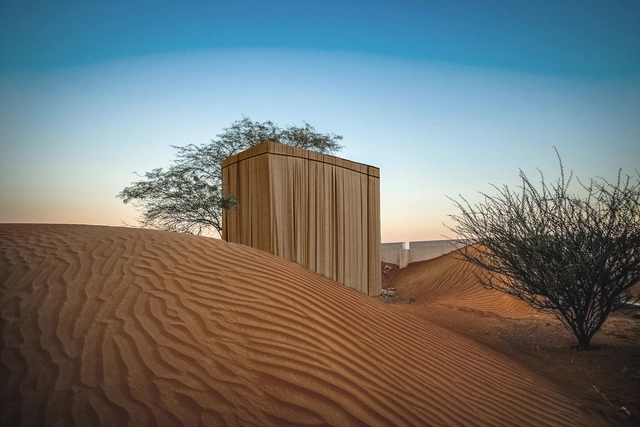
Prior to the opening of the Sharjah Architecture Triennial 2023 on November 11, 2023, the organizers have revealed details of several new commissions and site-specific interventions that will explore and expand on the overarching themes of this year’s edition, The Beauty of Impermanence: An Architecture of Adaptability. The three-day opening program has also been announced, featuring talks, tours, screenings, workshops, and performances. Curated by architect Tosin Oshinowo, the event set out to explore the innovations born out of conditions of scarcity in the Global South and ways in which cultures collaborate, adapt, re-use, and re-appropriate resources to move towards a more resilient and equitable future. Architects, designers, and studios have been invited to contribute with installations and projects to be displayed across the city and the surrounding desert.
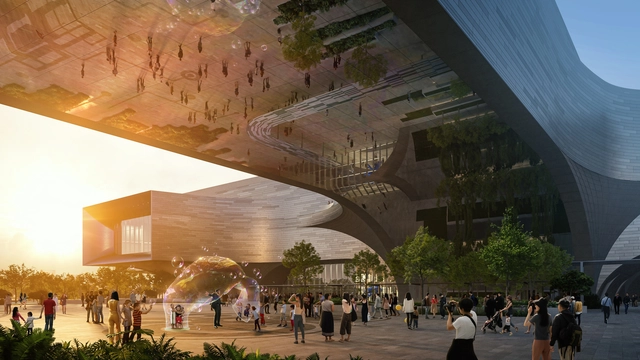
Singapore’s Science Center recently hosted a groundbreaking ceremony for the new building, designed to promote STEM education in all of Singapore. Situated adjacent to the Chinese Garden MRT station, this state-of-the-art facility designed by world-renowned Zaha Hadid Architects aims to become a landmark attraction in the Jurong Lake District. The new 55,000 sqm center is expected to open around the end of 2027, coinciding with its 50th anniversary.
The Media Architecture Biennale Student Awards recognize the world’s best student projects at the intersection of architecture, urban design and planning, media and interaction design, and urban media art.
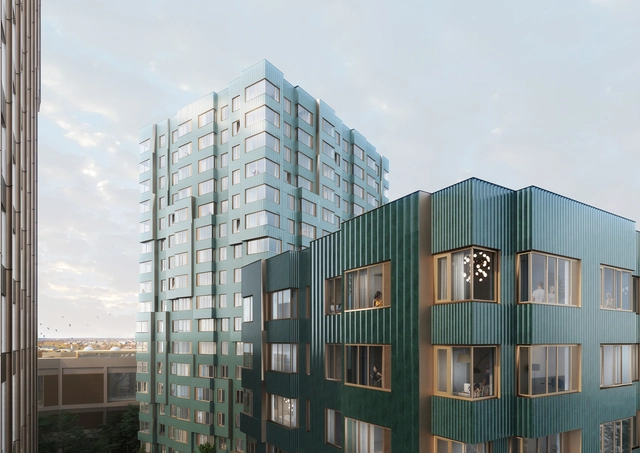
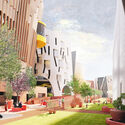
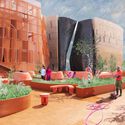
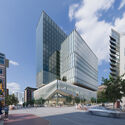
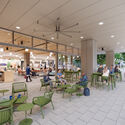
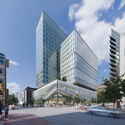
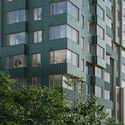
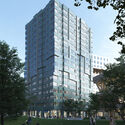
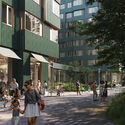
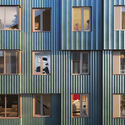
MVRDV has revealed the design of a new residential complex located in the Enterprise Research Campus in the Allston neighborhood of Boston, Massachusetts, a site adjacent to the Harvard Business School. The development, already under construction, features 343 apartments with a quarter of them dedicated to affordable units. It also includes amenities for the residents and retail spaces for small local businesses, aiming to create an inclusive and enjoyable space within the new urban district.
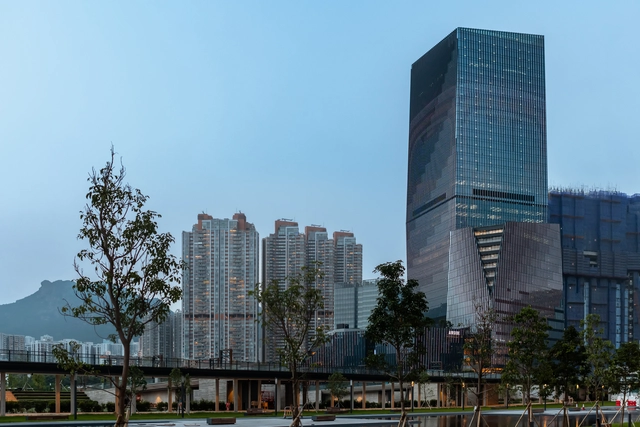
Built on a former airport site in Hong Kong, Snøhetta Asia has unveiled its latest project in Hong Kong, Airside. This mixed-use landmark was actually Snøhetta’s first project in the country and serves as a central hub in a redeveloped business district. The project boasts ample public areas and gardens, including outdoor plazas and rooftop gardens that may be used for events, dining, urban farming, and leisure. As the first project in Hong Kong to obtain five of the highest green building certifications, this development integrates several sustainable practices.
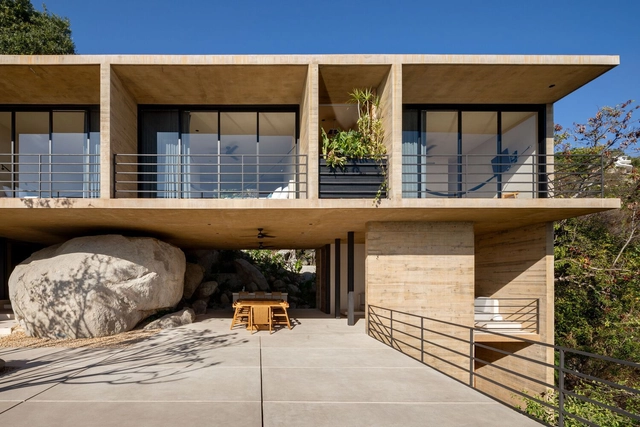
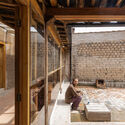
The Royal Academy has named Mexican architect Gabriela Carrillo as the overall winner of the Royal Academy's Dorfman Prize 2023, an award that rewards architecture from around the world, looking towards the future of architecture and architectural practice. Taller Gabriela Carrillo was selected in recognition of the clarity and precision of her work.
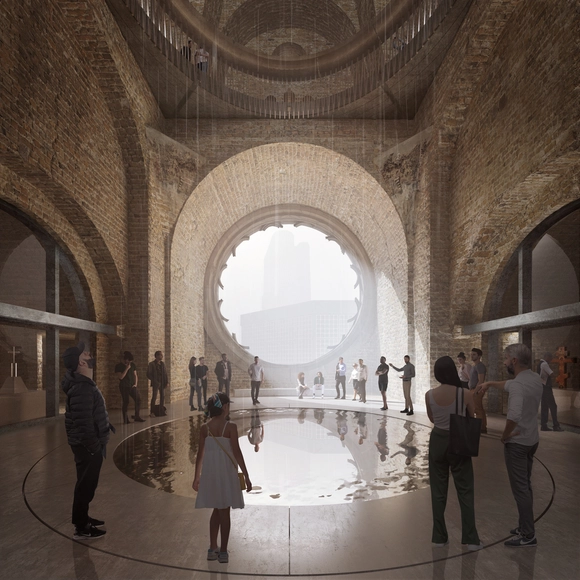
The design by heneghan peng architects, Dublin, with Ralph Appelbaum Associates, Berlin, was awarded 1st prize in the international competition for the replanning and expansion of the Old Tower of the Kaiser Wilhelm Memorial Church. The competition’s purpose was to redesign the original West Tower, which was partially destroyed during a bombing by the Allied Forces in 1943, and return it to the tourist circuit as a war memorial and exhibition space.
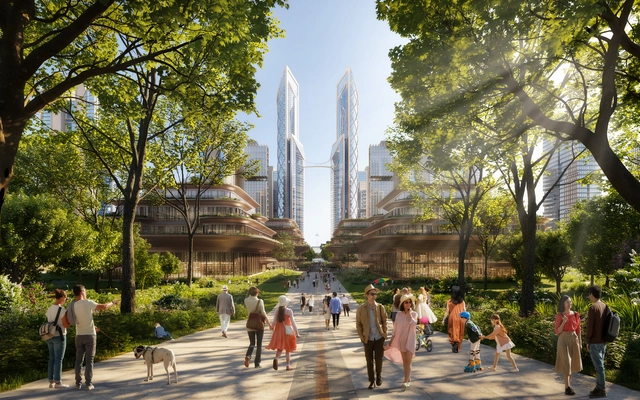
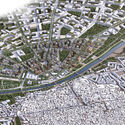
Foster + Partners has been selected as the winner of an international competition to design a new center for Hangzhou, the capital of China's Zhejiang province. The master plan envisions a green and interconnected mixed-use quarter situated in the heart of the Yuhang District. In its essence, the project aims to foster a strong connection between nature and people’s daily lives, creating a sustainable urban quarter.
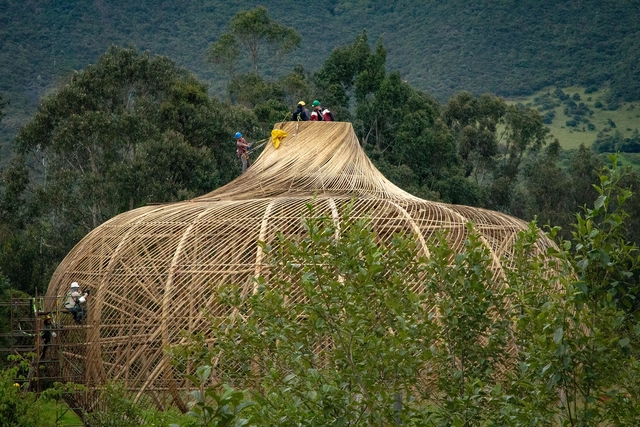
Copenhagen-based philanthropic association re:arc institute has announced the cohort of nonprofit organizations, people, and practices they will support throughout 2024. The organization founded in 2022 works at the intersection of climate action and architectural philanthropy, aiming to support the development of solutions that address the root causes and consequences of climate change.
The architectural field often adheres to conventional industry models, either client-based or competition-based, which can perpetuate problematic or extractive motivations. The re:arc institute hopes to rethink the architecture discipline’s potential for addressing social and environmental concerns by providing a blueprint for pioneering philanthropic projects. To do so, they provide funding to nonprofits, individuals, and community-led projects exploring innovative approaches that prioritize planetary well-being. Their focus is on hyper-local, grassroots initiatives that address climate crises with a strong emphasis on the unique needs of specific places and communities.
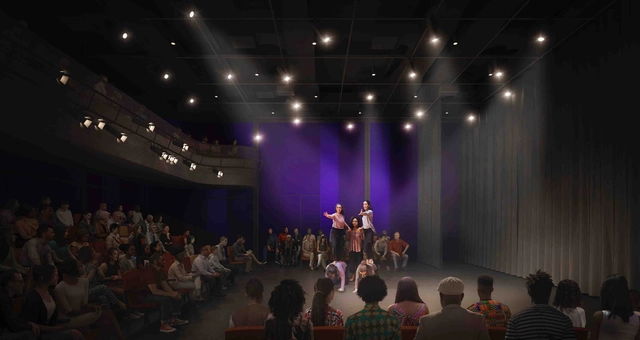
WORKac has just initiated the construction of a new cultural center in Inwood, New York. Led by immigrants and women of color, “The People’s Theater: Centro Cultural Inmigrante” is dedicated to supporting immigrant New Yorkers through various artistic programs. Spanning multiple languages and generations, their unique form of theater serves as a dynamic platform for immigrants and members of the Latin, Black, and Queer communities.
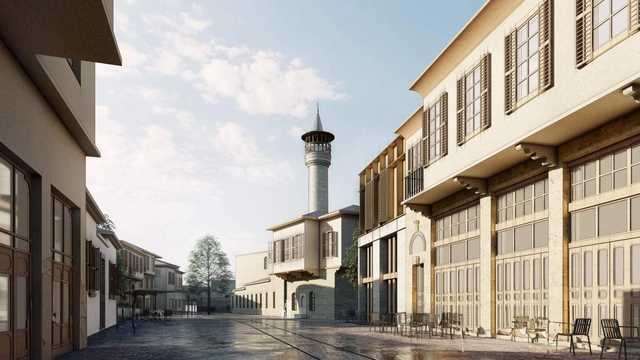
The Türkiye Design Council (TDC) has gathered 13 design practices, including Foster + Partners and Bjarke Ingels Group, to contribute to the revitalization of the historic province of Hatay, an area severely damaged by the 7.8 magnitude earthquake in February this year. Foster + Partners has been selected to lead the design and planning of the new master plan for the city of Antakya, known to antiquity as Antioch, while several other offices including Turkish practices DB Architects and KEYM (Urban Renewal Center) will work together to create a vision for the rebuilding of the city. The master plan is expected to be revealed in its entirety in 2024.
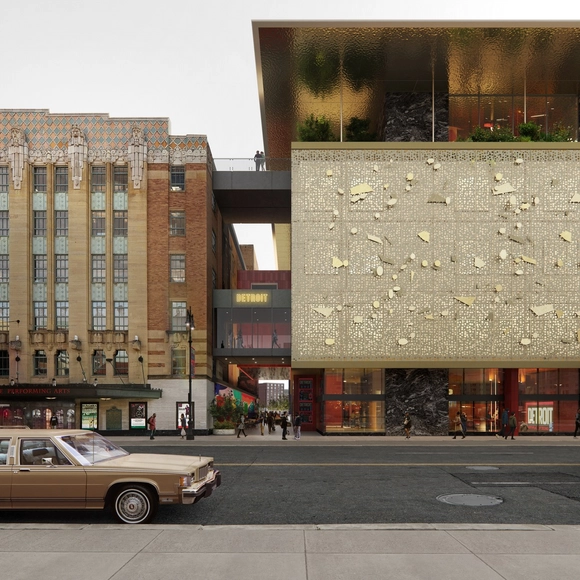
The Detroit Music Hall has just announced an expansion project designed by Tod Williams Billie Tsien Architects. As a cherished cultural institution in the heart of Detroit’s vibrant performing arts community, the project aims to become a central and accessible hub for music programming, production, and education. Ushering a new era of cultural enrichment, the project is focused on revitalizing downtown Detroit and the surrounding area.
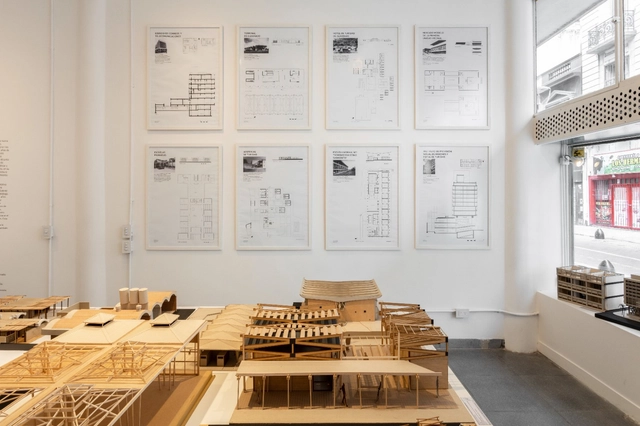
Co-organized by Bisman Ediciones and the Catholic University of Santa Fe (Santos Mártires campus, Posadas, Misiones), the exhibition “Misiones Moderna” focuses on the province's public architecture between 1955 and 1965, a period fostered by the Provincialization Law of 1953. Running until November 30, 2023, at the Casa de Misiones in the Autonomous City of Buenos Aires, the exhibition has also been on display at the Bisman Ediciones Gallery and Architecture Residency inside the “Artists' Studios Building” by Antonio Bonet, Horacio Vera Barros, and Abel López Chas.
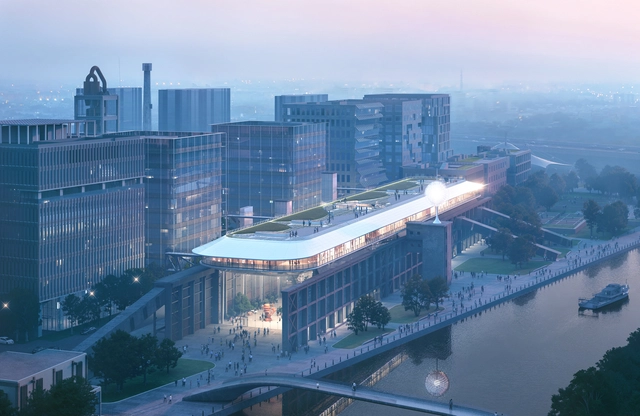
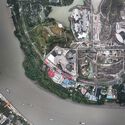
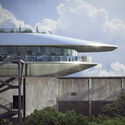
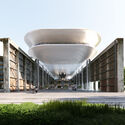
MAD Architects has unveiled the project for the renovation of the "Wanmicang" warehouse on the southside of the Shanghai Zhangjiang Cement Factory. The building is set to be transformed into a multifunctional public waterfront space for culture, creativity, and commerce. The project maintains the character of the former industrial site but introduces a new addition in the form of an ark-like metal 'floating' volume, creating a stark contrast between the old and new structures. The project is scheduled for completion by 2026.