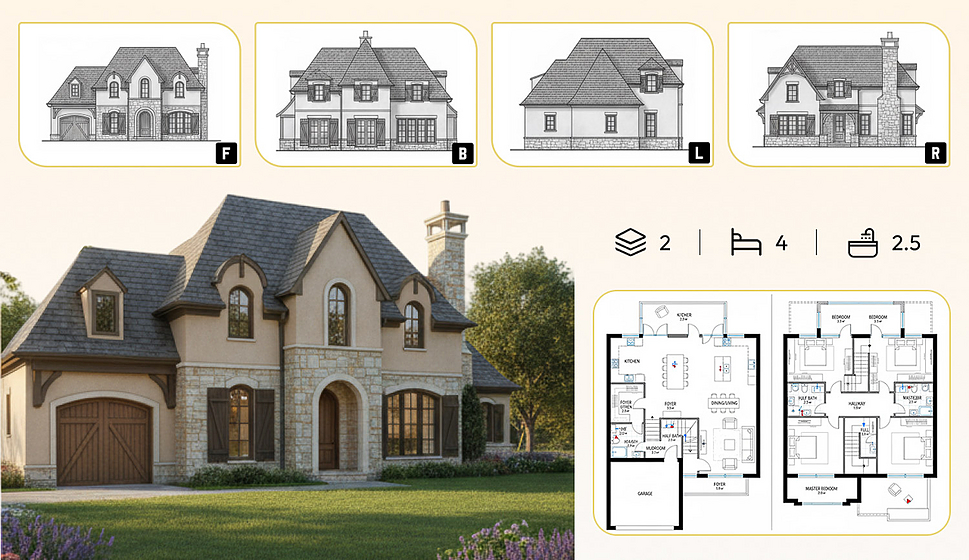
This guide covers a workflow that moves from project parameters to generated floor plans, 3D perspective views, exterior design exploration, and site context visualization, using AI tools in place of preliminary CAD and rendering work.
This guide covers a workflow that moves from project parameters to generated floor plans, 3D perspective views, exterior design exploration, and site context visualization, using AI tools in place of preliminary CAD and rendering work.
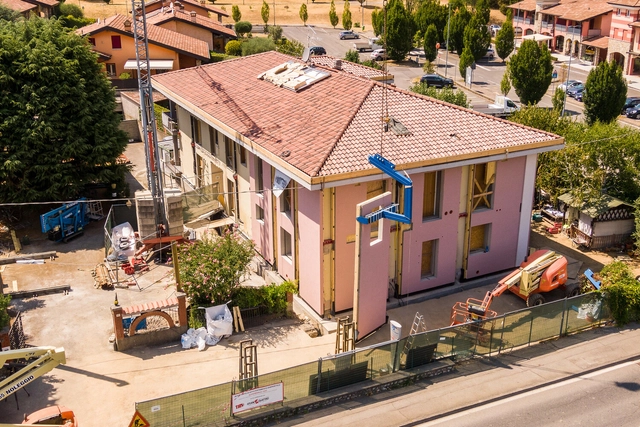
International non-profit organization World Habitat, in partnership with UN-Habitat, has announced the World Habitat Awards 2024. The prizes strive to highlight projects that demonstrate novel and transformative approaches to housing that incorporate principles of climate change adaptation and community-driven solutions. This year, 8 projects have been selected, out of which 2 projects were recognized with the Gold World Habitat Award.
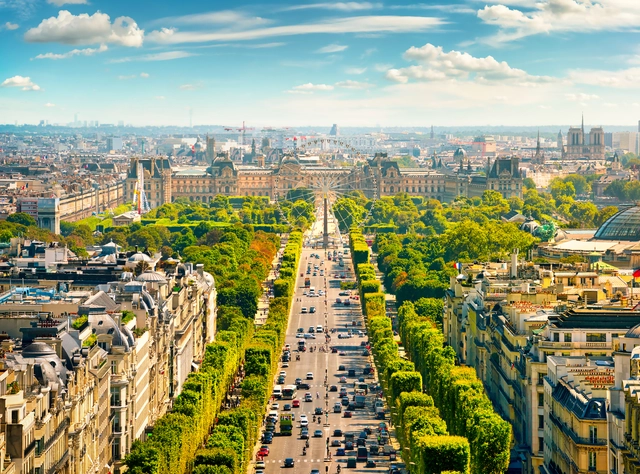
As the countdown to the XXXIII Olympic Games in Paris ticks away, the city is making preparations that will completely shift its urban landscape and infrastructure. Set to be the largest event ever organized in France, the games will start on 26 July and continue till 11 August 2024. With only 200 days left, the Paris City Council has approved around 43 new initiatives acting as a catalyst for the city's transformation – aiming for a greener, healthier, and mobile Paris. From cleaning the Seine River to building a cycling lane, activating a transit line, and banning non-essential city traffic, the heart of the French capital is on a mission against time to revitalize its historic urban core.


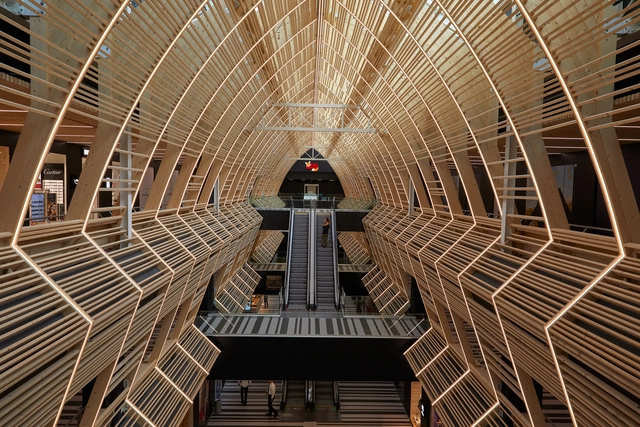
With a total of 95 new projects recognized by Prix Versailles, the 24 global winners of this 2023 edition have recently been announced. They stand as evidence of the aesthetic vitality of each of their respective regions, paying homage to the work of numerous pioneering and/or internationally renowned firms.
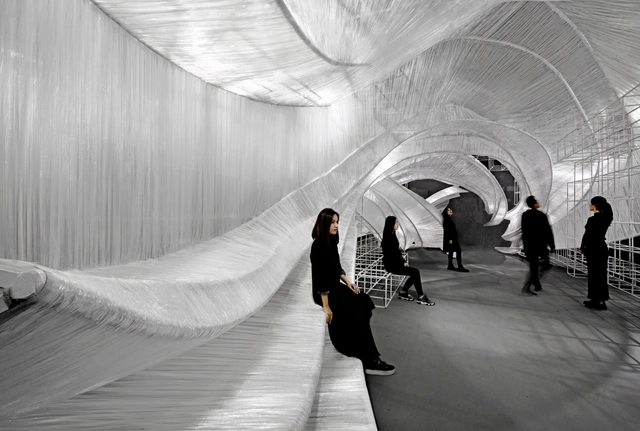
Created to offer insights into the state of the design industry, World Design Rankings (WDR) serves as a valuable resource by highlighting the creative strengths, weaknesses, and opportunities of different countries. Its methodology is based on classifying all countries according to the number of designers who have received the A' Design Award between the years 2010 and 2024.
Including the 2022-2023 period, China secured the top position among 114 countries, boasting an impressive tally of 110 Platinum Design Awards globally. This announcement underscores China's enduring influence and excellence in the world of design. The top positions were also claimed by the USA, Japan, Italy, Hong Kong, Great Britain, Taiwan, Turkey, Germany, and Portugal.
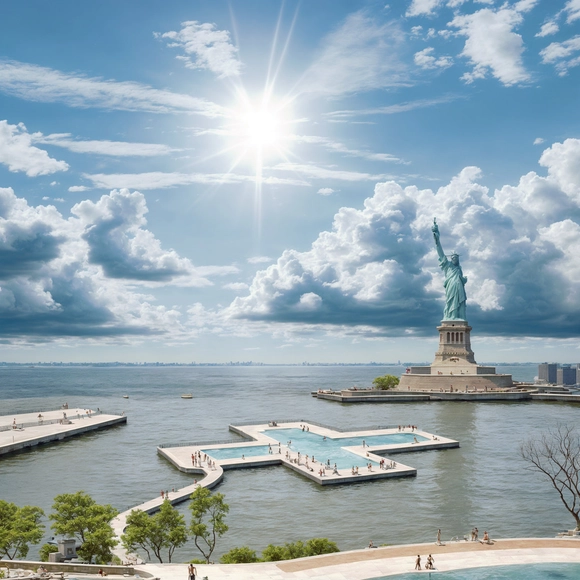
New York Governor Hochul has announced a partnership with the nonprofit Friends of + POOL to open the first urban river-sourced swimming facility in the United States. Utilizing + POOL’s design and technology, the 2,000-square-foot plus-shaped swimming pool is set to open in New York City’s East River in the summer of 2024. In 2010, four young designers, Archie Lee Coates IV, Dong-Ping Wong, Jeffrey Franklin, and Oana Stanescu, established + POOL with the goal of providing New Yorkers with access to free and safe river swimming. Now the state promised to invest $16 million to pilot and scale the system, hoping to expand it across the state of New York.
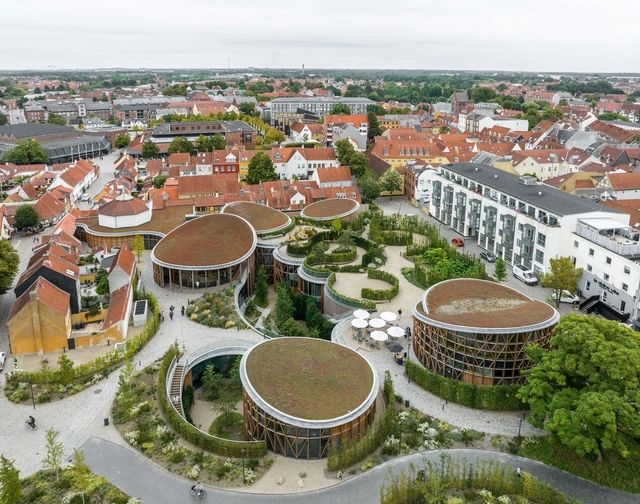
The Danish Landscape Award 2023 has been awarded to the H.C. Andersen Garden, designed by MASU Planning. The award focuses on honoring landscape architectural works with character, serving as “inspiration” for the industry. Situated in Odense in Denmark, this year’s winner was praised for reviving urban renewal in the city center by creating an escape that blends with the existing context.




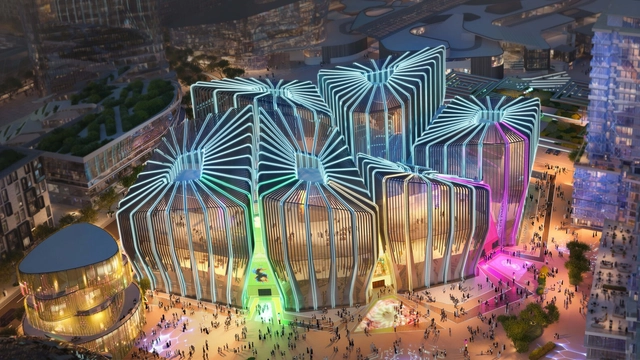
Populous has unveiled the design of the Qiddiya City Esports Arena, a new facility aimed to become the focal point for Qiddiya City, a planned entertainment and tourism megaproject in Riyadh, Saudi Arabia. Featuring the largest total area of video screens of any esports arena, along with immersive 4D technologies, the new arena strives to become the central attraction in the ‘world’s first mixed-use gaming and esports district.’
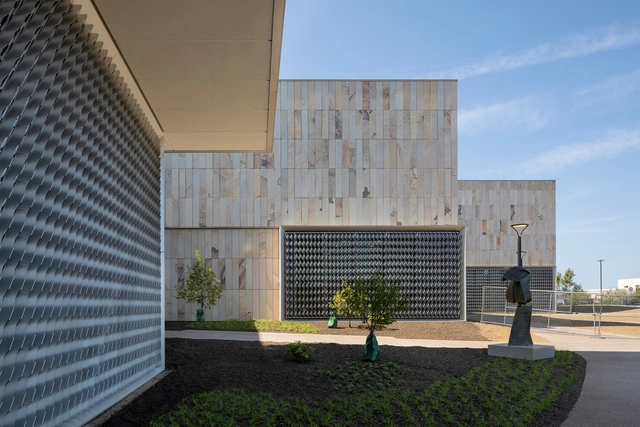
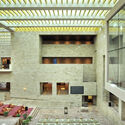
The new building as part of the Palmer Museum of Art at Penn State is set to open its doors on June 1, 2024. The new 6,600 sqm building is situated in The Arboretum at Penn State, intended to enhance accessibility and offer a new range of amenities while doubling the space of the current gallery to host a growing collection of more than 10,000 pieces. Designed by Allied Works and landscape architect Reed Hilderbrand, the new space features 20 art galleries, improved educational and event spaces, a museum store, a café, a sculpture path, and outdoor terraces.

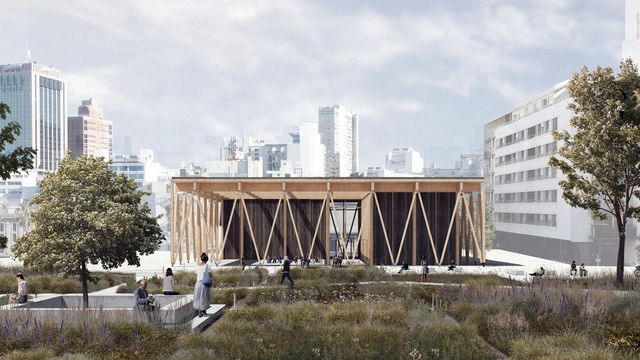
Organized by the Intendencia de Montevideo and Municipio B, with the support of the Sociedad de Arquitectos del Uruguay and sponsored by the Facultad de Arquitectura, Diseño y Urbanismo, the Architectural Preliminary Design Competition for the Mariano Arana Cultural Center (CCMA) was held to transform an iconic area of Montevideo's Ciudad Vieja, the Rambla Portuaria, and Diagonal Fabini.
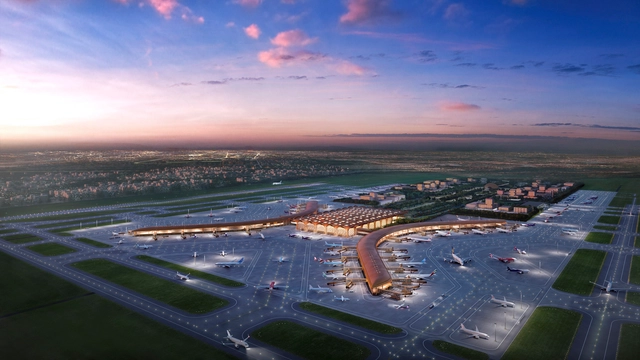
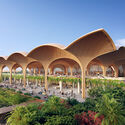
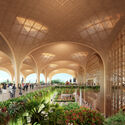
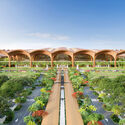
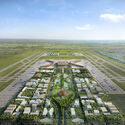
Construction is underway at the new Techo International Airport in Phnom Penh, Cambodia, designed by Foster + Partners. The project, located 20 kilometers from Cambodia’s capital city, draws inspiration from the vernacular architecture that defines the area, searching to provide adequate design solutions in response to the tropical climate. The commission, which was won following an international competition, includes the master plan for a new airport city in addition to the new terminal building.
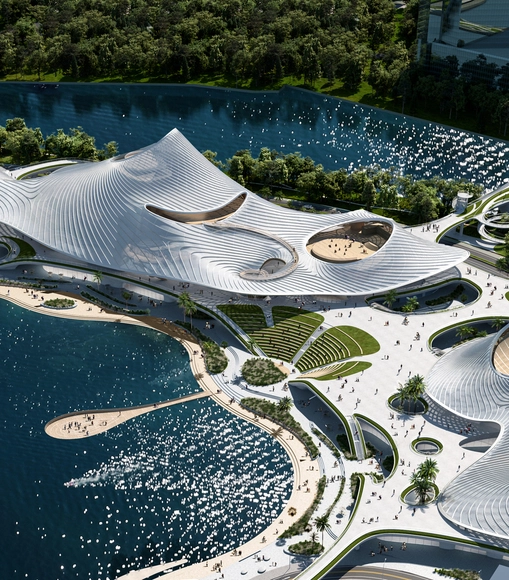
MAD Architects has revealed the designs for the Nanhai Art Center in Foshan City, Guangdong. Covering 59,445 sqm, the project features three main elements: a Grand Theater, a Museum, and a Sports Center. Aiming to encourage community and traditional culture, the center features a wave-like form with a new public gateway to the waterfront. Upon completion, the Art Center seeks to become a new waterfront public space blending social and creative aspects.
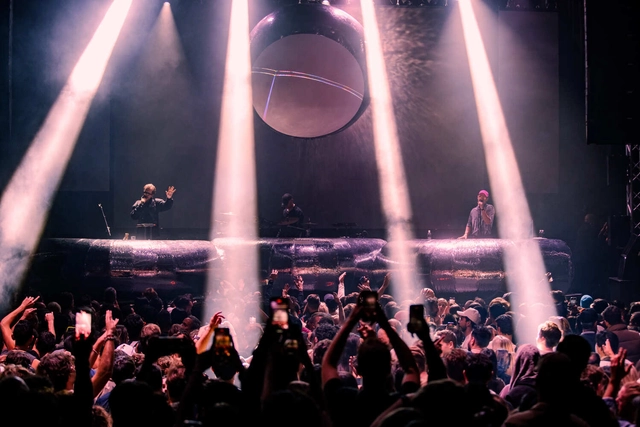
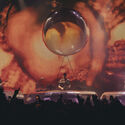
Architecture group BIG has unveiled the new stage design for the world tour of the Danish band WhoMadeWho. With visuals developed in collaboration with flora&faunavisions, EyeMix Studio, and Christopher Mulligan, the design features an inflatable sphere created to become a canvas for the three-dimensional video projections that contribute to the concert experience. The tour kicked off on November 2023 and will reach several cities around the world, including Paris, Madrid, Berlin, Istanbul, New York City, Los Angeles, Santiago de Chile, London as well as the band’s hometown, Copenhagen.
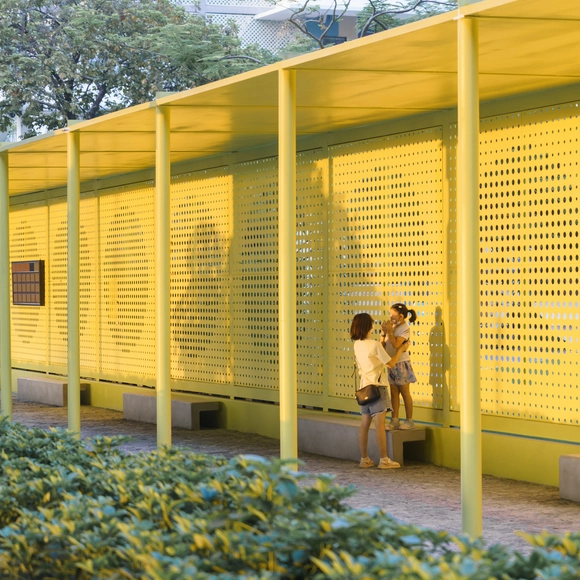
The Royal Institute of British Architects (RIBA), in collaboration with The Jencks Foundation at The Cosmic House, has announced that Dogma is the 2023 recipient of the Charles Jencks Award. Previously awarded to Zaha Hadid, Níall McLaughlin, Herzog & de Meuron, and OMA, the award celebrates other forms of thinking and production that can drive architecture beyond design. This year’s recipient, Dogma, is a Brussels-based architecture practice focusing on the interplay between architecture and urban environments.
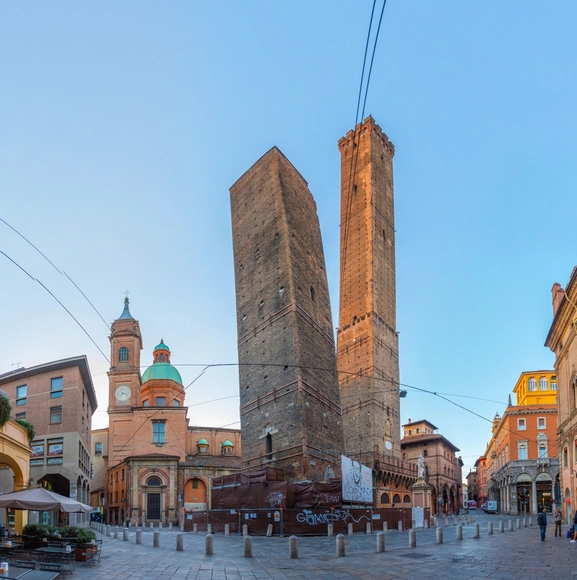
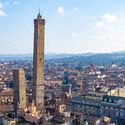
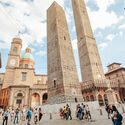
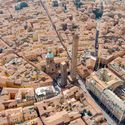
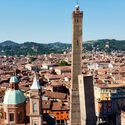
Bologna officials announced plans to secure and repair the leaning Garisenda Tower, a medieval structure in the center of the Italian city. Earlier last month, the area surrounding the tower was secured after raising fears of collapse, as monitoring has found shifts in the direction of the tilt. The 47-meter-tall tower leans at a four-degree angle, similar to its more famous counterpart, Leaning Tower of Pisa. The Garisenda Tower has been a defining feature of Bologna’s skyline along with its neighboring Asinelli Tower, which is around twice the height and also leans, though at a smaller angle, and is usually open for tourists to climb.

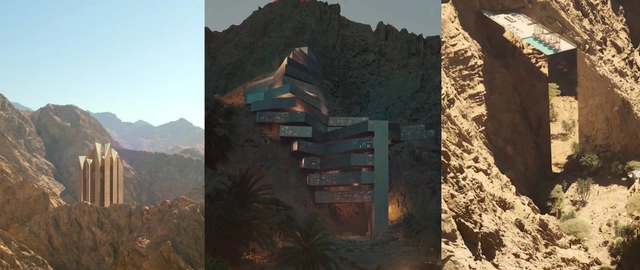
NEOM has just unveiled “Leyja” as a new tourism destination in Northwest Saudi Arabia. Featuring three different hotels by world-renowned architects, the Leyja region is located in an ancient valley overhung by mountains 400 m tall. The project includes a staggering hotel by Chris van Duijn, a mirrored hotel by Shaun Killa, and a vertical rock hotel by Mario Cucinella. In an attempt to support sustainable tourism, the destination is part of the Saudi Vision 2030.
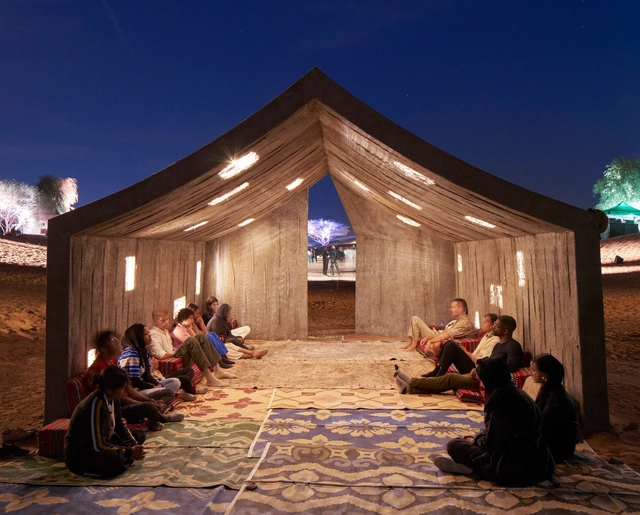
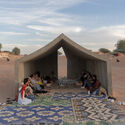
The Sharjah Triennial debuted on November 11th, 2023, with the theme of The Beauty of Impermanence: An Architecture of Adaptability. At the center of the abandoned 1970s “Al Madam,” in the eastern desert of Sharjah, the “Concrete Tent”, created by DAAR, an experimental Palestinian and Swedish Studio, combines elements of a mobile tent and a concrete house. Overall, the tent explores the notion of “permanent temporariness.”
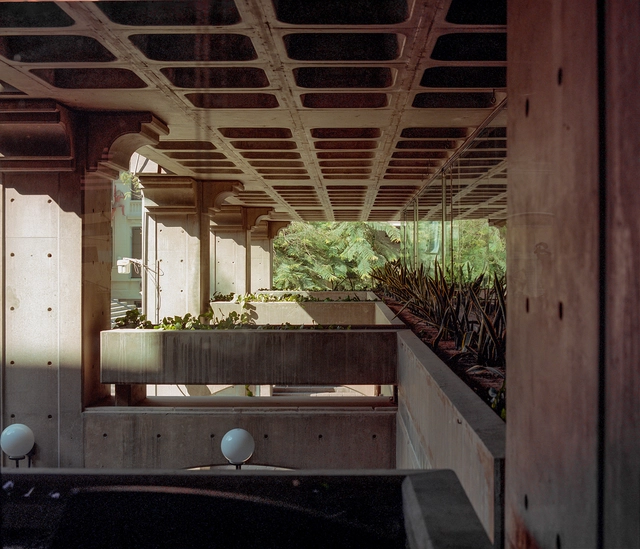
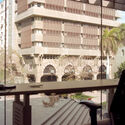
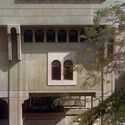
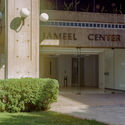
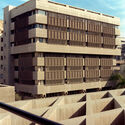
In Downtown Cairo, the Jameel Center pays homage to modernism and Mamluk architectural heritage. The Abdul Latif Jameel Center for Middle East Management Studies illustrates effective and adaptable architecture. The old business education building, a monument in Cairo's multi-layered architectural and academic heritage with staple elements such as concrete façades, has Mamluk-inspired arches, and wooden mashrabiyyas. Photographer Ebrahim Bahaa Eldin captures this unique architecture and its surrounding environment.
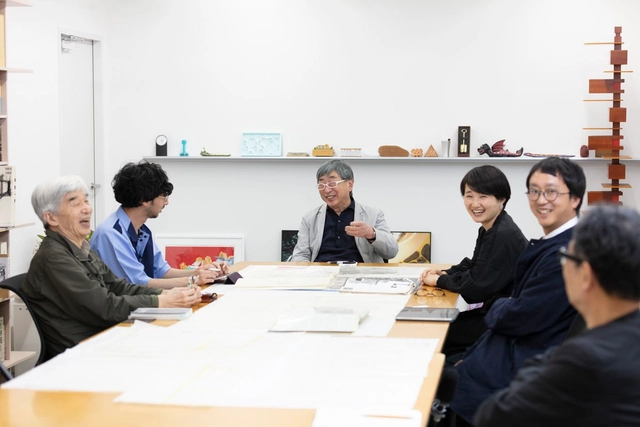
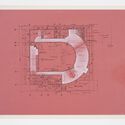
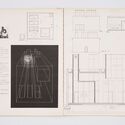
Architect Toyo Ito has donated his archive of architectural works to the Canadian Centre for Architecture (CCA), an international research institution and museum focused on increasing the accessibility of architectural knowledge. Toyo Ito is now contributing to the CCA Collection, which contains over 200 archival holdings, following his intention to encourage new research into his work and to put it in dialogue with other artifacts held by the institution. On December 6, 2023, the early works of the architect have arrived at the CCA.
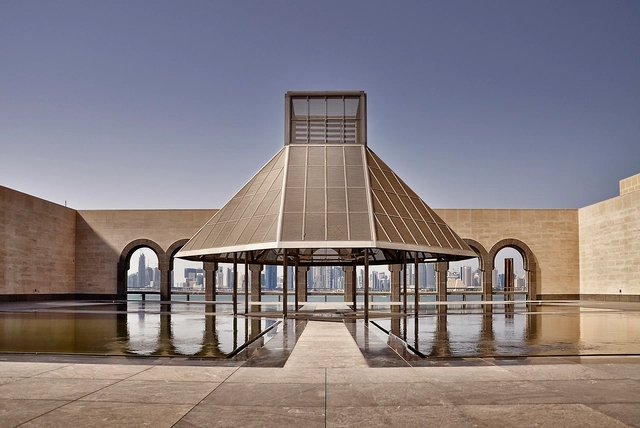
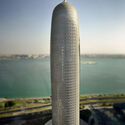
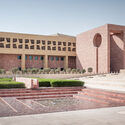
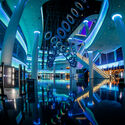
Doha, the capital of Qatar, is the residence of more than 90% of the country's population, which amounts to about 1.7 million people, with over 80% being professional expatriates. In its historical past, Doha was primarily a fishing and pearl diving town, characterized by numerous traditional individual houses until the mid-1960s. Modernizing the city occurred mainly during the 1970s, although its pace slowed in the 1980s and early 1990s. However, Qatar has recently emerged as one of the world's fastest-growing economies, lending significant geostrategic importance to Doha.
The country's development vision revolves around reducing dependence on natural resources and embracing a knowledge-based economy encompassing international universities, high-tech industries, IT services, and advanced producer services. Much of the coastline, including the corniche, has been artificially constructed. Several notable areas contribute significantly to the evolving character of the city. The city’s contemporary architecture has been captured through the lens of photographer Pygmalion Karatzas.
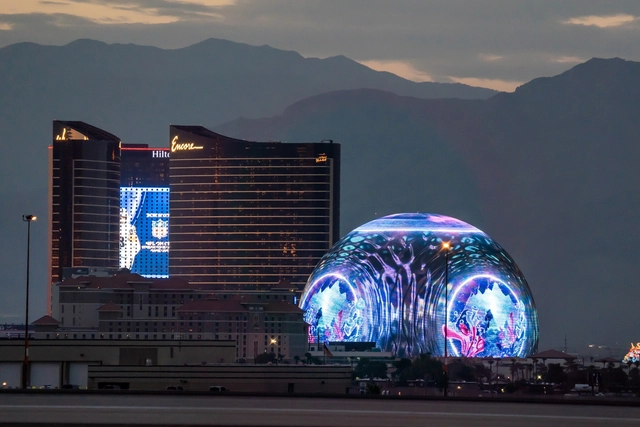
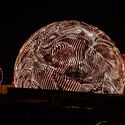
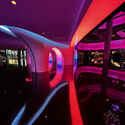
The Sphere at the Venetian Resort, previously known as the MSG Sphere, opened to the public with a series of concerts headlined by Irish rock band U2 on September 29, 2023, in Las Vegas. Designed by stadium specialist architecture office Populous, the project was first announced in 2018. Measuring 34 meters in height and 157 meters in width, the venue, whose building costs rose to $2.3 billion, is labeled the world's largest spherical structure, with its exterior clad in a high-resolution LED screen. The project, located east of the Las Vegas Strip and connected to the Venetian resort complex, is designed to host various events, including music, film events, and even some sports. To reveal the complete experience of this venue, new interior images showcase the intricate details and immersive atmosphere within.
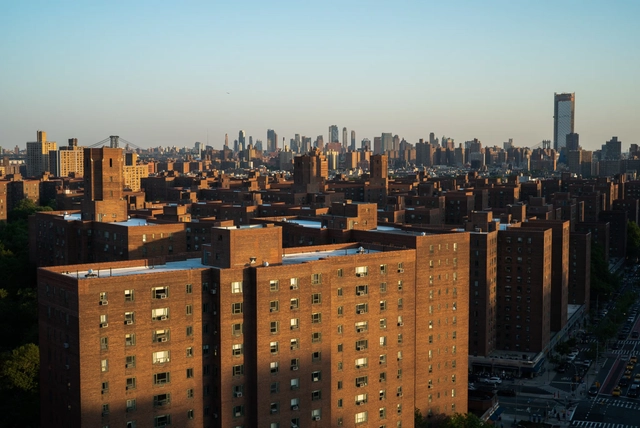
In the ever-evolving landscape of urban development, cities are faced with an array of challenges that demand quick and innovative solutions, ranging from the critical issue of affordable housing to the pressing need for efficient and decongested infrastructure and sustainable energy practices. As the demands of the built environment expand, local authorities worldwide are redefining policies and regulations to shape their cities. These innovative regulations can drive sustainable and consistent progress as cities stand at the intersection between their present challenges and future aspirations.


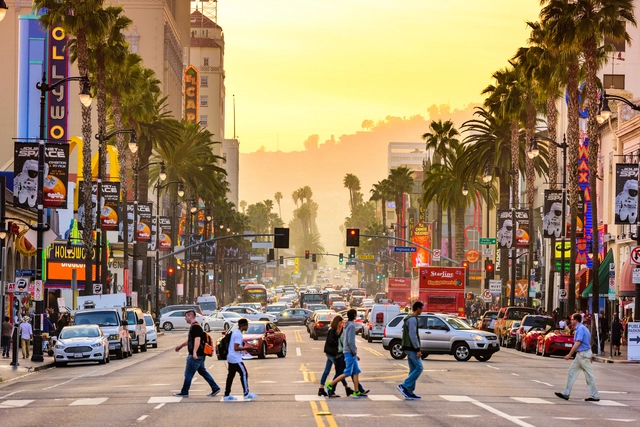
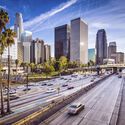
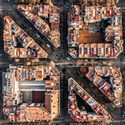
Los Angeles officials have voted on a motion to implement the first Park Block, a pilot project that creates a car-free grid of city streets to open up public space for pedestrians and cyclists, as reported by NBC Los Angeles. The plan takes inspiration from Barcelona’s Superblock program, which creates groups of nine blocks in the district of Eixample and restricts the traffic to the outside streets, freeing up the rest of the streets for pedestrian and local transit only. Implemented in 2016, the plan has led to reduced levels of air pollution, urban noise, and traffic fatalities. A similar program is now planned for Los Angeles, United States.


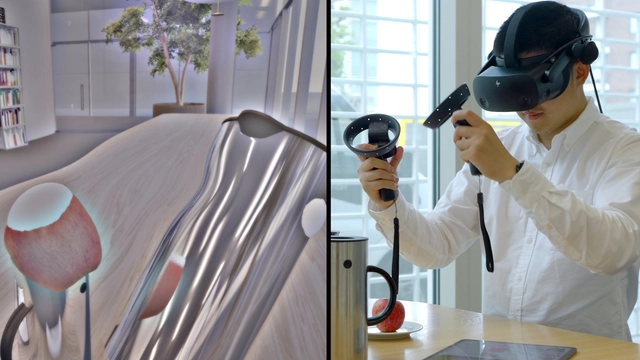
Foster + Partners Applied Research + Development team has created VARID (Virtual and Augmented Reality for Inclusive Design). Designed in collaboration with City, University of London (City) and UCL’s PEARL Lab, VARID is a design toolkit that uses virtual and augmented reality technologies. Its objective is to support academics, designers, and architects in better understanding how people with vision impairments perceive their environment.
On March 2, 2023, Rafael Viñoly passed away at the age of 78, leaving behind a legacy of bold and imposing designs that shaped the skyline of cities across the globe. He is internationally recognized for works such as the Boston Convention Center, which redefined urban space in the American city, the new Carrasco Airport in Montevideo, and the controversial 20 Fenchurch Tower in London.
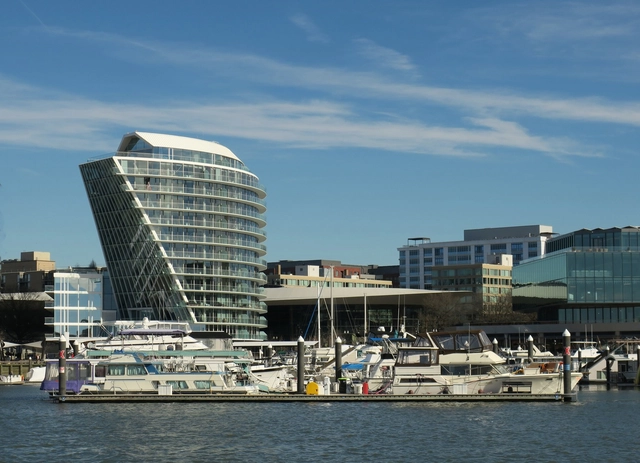
Paul Clemence has released images of the Amaris mixed-use development in Washington D.C., one of the latest works completed by renowned Uruguayan American architect, Rafael Viñoly. The photographic series reveals a distinctively shaped curvilinear building opening towards public spaces along the Potomac River. The volume is created to accommodate residential units with generous views toward the surrounding landscape, marking the terminus point to a row of new buildings in The Wharf development.