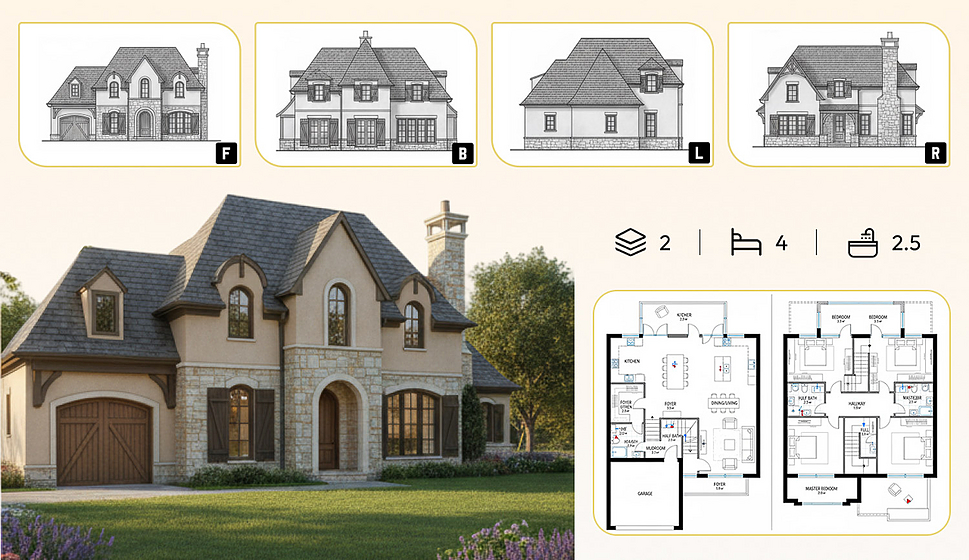
This guide covers a workflow that moves from project parameters to generated floor plans, 3D perspective views, exterior design exploration, and site context visualization, using AI tools in place of preliminary CAD and rendering work.
This guide covers a workflow that moves from project parameters to generated floor plans, 3D perspective views, exterior design exploration, and site context visualization, using AI tools in place of preliminary CAD and rendering work.
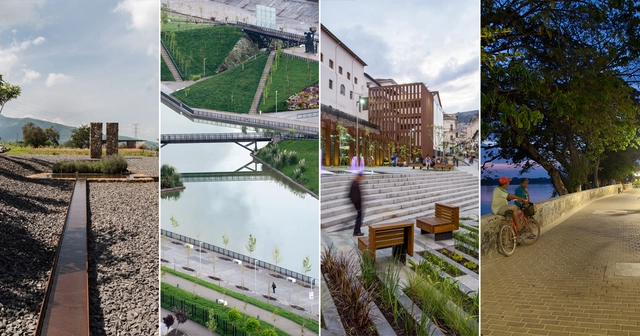
Yesterday, Monday (September 10), the 3rd Latin American Landscape Architecture Biennial announced the finalists for the competition, which will take place in Mexico City on September 26 and 27. Organized since 2014 by the Mexican Society of Landscape Architects (SAPM), the biennial seeks to highlight the role of landscape architecture in shaping the habitat in Latin America, with a particular emphasis on the environmental and social challenges facing the region.
"We seek to encourage participation in landscape construction to showcase the broad and diverse panorama of local interventions that ultimately help define a region sharing common challenges and solutions," the organizers state in the biennial's guidelines.
The 19 built works, unbuilt projects, and research papers meet the biennial's criteria, focusing on projects that respect the landscape and its values, demonstrate a commitment to sustainability, and integrate and address social issues, among other criteria.
Discover the finalists below:

Registration is now open for the 1st National Public Photography Contest organized by the Council of Architecture and Urbanism of Goiás (CAU/GO), under the theme “Historic Heritage in Architecture and Urbanism.” Submissions will be accepted until 4:00 PM on September 24 at the CAU/GO headquarters.
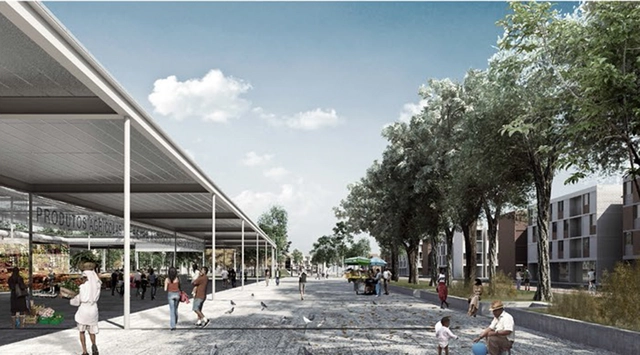
The Housing Development Company of the Federal District (CODHAB/DF) continues to release the results of design competitions, establishing itself as a benchmark for institutions across the country by holding competitions to ensure high-quality construction through a clear and democratic selection process for the most qualified technical, scientific, or artistic proposals. This latest edition features the National Public Urban Planning and Architecture Design Competition for the QNR 06 Housing Sector, in the Administrative Region of Ceilândia.

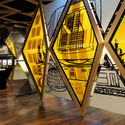
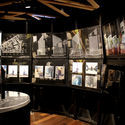
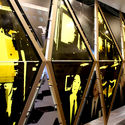
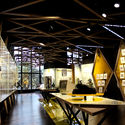
A new interactive museum is opening its doors at the Mexican Stock Exchange. The Mexican Stock Exchange Museum, “MUBO”—inaugurated in May 2018—is a space dedicated to a historical narrative focused on the country's financial market culture, utilizing interactive modules to enhance the understanding of the curatorial script. Through this new space, the Bolsa Mexicana de Valores Group brings together efforts initiated just over a year ago alongside the "Escuela de la Bolsa" to disseminate financial topics and foster an understanding of the country's history and development.
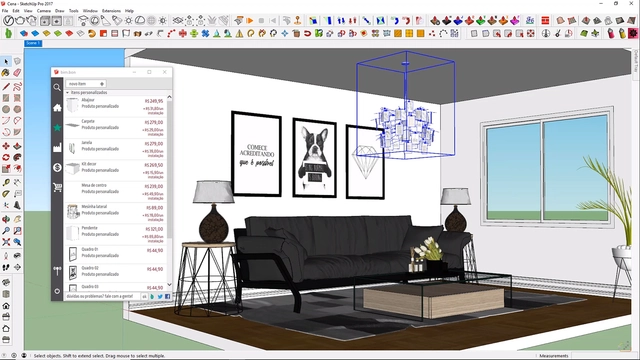
SketchUp is one of the most widely used digital modeling software programs in both professional practice and academia—and undoubtedly the most intuitive. However, the ease of creating orthogonal geometries can quickly turn into a nightmare when the goal is to design curved and organic shapes and objects.
With this in mind, Gabriel Chahoud of Chahoud Cursos released 30 video tutorials for what he called "SketchUp Month," sharing tips on how to model objects that, at first glance, seem complex to create in this software.
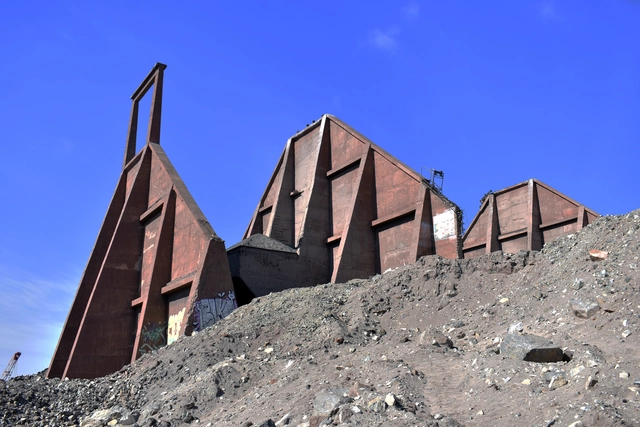
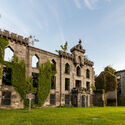
Alongside an archaeologist and a visual artist, the team led by architect and University of Chile academic Claudia Torres has documented a series of industrial ruins in rural areas throughout Chile. These are structures where geography and nature have played a fundamental role, both as a productive resource and as witnesses to their progressive deterioration after being abandoned decades ago.
Titled “From Noise to Silence: Valuing Industrial Ruins in Rural Areas,” this research, funded by Fondart 2017, selected nine cases across Chile: from the historic use of the coastline associated with mining in the northern desert (Caldera) to logging in the Patagonian forests of the far south (Contao). Each site features unprecedented photographic and audiovisual documentation that showcases the rich natural environment where they were built to spark or secure productive processes that have shaped the socioeconomic and cultural history of each region.
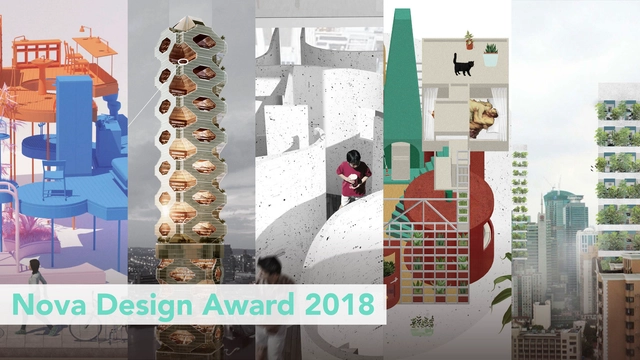
On August 6, the NOVA Design Award 2018 announced its competition finalists. The NOVA Design Award 2018 is the inaugural edition of the NOVA Design Award (NDA). Under the theme of "Future Living Space," the competition explores the possibilities of residential living over the next decade within a residential space of under 50 square meters with a ceiling height of no more than 6 meters in a first-tier Chinese city, aiming to build a physical prototype of "future living."
The competition selected five finalists from 131 submissions across more than 20 countries to enter the final round of judging.
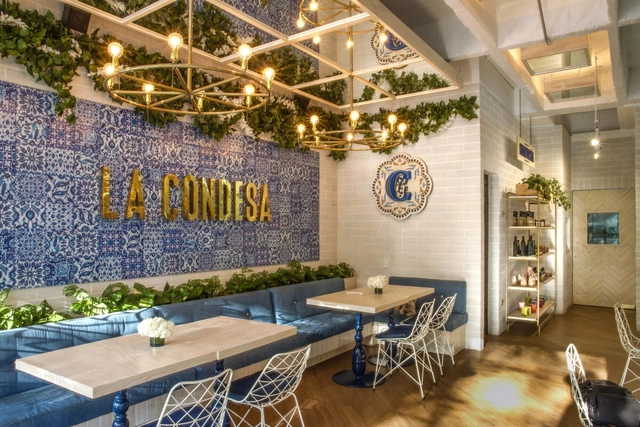

In interior design, striking a balance between aesthetic style and the functional needs of a project is essential. In this regard, it is fascinating to see the diverse solutions that Colombian architects and designers have recently proposed. We have selected eight local projects that demonstrate a compelling balance between functionality and aesthetics in interior design.
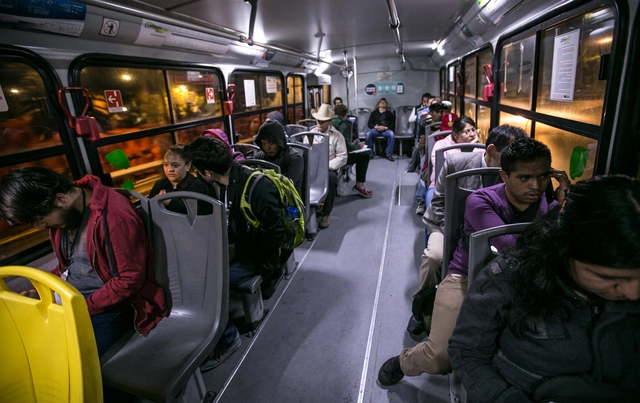
Can you imagine arriving at a bus stop in the early hours of the morning—after a party, work, or school—and knowing the exact minute your public transit will arrive? Cities like London, New York, Madrid, and Melbourne have successfully implemented night transit systems with fixed schedules, yielding various financial and safety benefits for residents while boosting tourism and encouraging sustainable mobility. What would happen if this system were applied to the second-largest avenue in the Americas, after Buenos Aires' Avenida 9 de Julio?
Mexico City already has a night transit service: the Nochebús. With 11 routes operating between midnight and 5:00 a.m., it serves late-shift workers, night-lifers, and others needing late-night transportation. However, the service faces several challenges, many of which stem from uncertainty around arrival times—largely due to a much lower frequency than daytime public transit.
Yesterday, the citizen forum "Modern Landscape, Transforming Territories" began in Chillán, an event that aims to reflect on the city's architectural and cultural heritage through various actions in the city.
Three main venues have been chosen to host all of the event's activities: the Municipal Theater, the Escuela México, and the iconic Copelec building, a landmark of modern Chilean architecture.
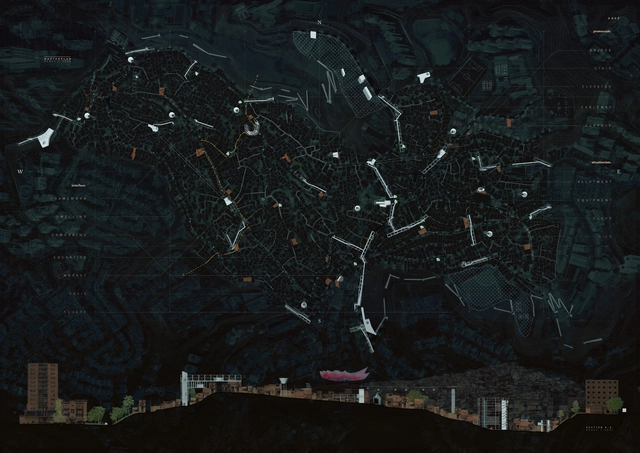
Twenty proposals for informal settlements from Brazil to Bangladesh have been awarded in Confronting Informality, the first edition of the competition organized by TU Delft's Department of Urbanism, alongside universities from around the world.
Launched last April, this ideas competition addresses the challenge of urban settlements based on the principles of the New Urban Agenda. Through their projects, architecture and urban planning students from all over the world answered the following question: how can we create healthy, safe, and resilient environments in informal settlements while simultaneously preserving social networks and a sense of community?
"We live in an urban world, but explosive, unplanned urbanization processes in developing countries mean that new informal settlements are growing in population and size—often without infrastructure, access to sanitation, or quality public spaces," the organizers explained in the competition brief.
Discover the winning projects below:

The city of Barcelona remains firm in its fight against speculation and gentrification, which are currently widening the inequality of opportunity for residents seeking access to decent and affordable housing.
To address this, Barcelona's Commission for Ecology, Urbanism, and Mobility has initially approved two new urban planning tools to tackle the housing accessibility crisis and protect the social balance of its neighborhoods. These measures respond to the demands of organizations such as the Federation of Neighborhood Associations of Barcelona (FAVB), the Mortgage Affected People's Platform (PAH), the DESC Observatory, the Neighborhood Assembly for Sustainable Tourism (ABTS), and the Tenants Union.
.jpg?1536593816&format=webp&width=640&height=580)
The millions of cars, trucks, and buses on São Paulo's roads account for over 90% of all air pollution. With residents spending up to five hours a day commuting, the metropolis is constantly gridlocked. To address this, What Design Can Do and the IKEA Foundation are calling on creative professionals from around the world to develop radical, innovative solutions for more sustainable flows of people and goods in the city.
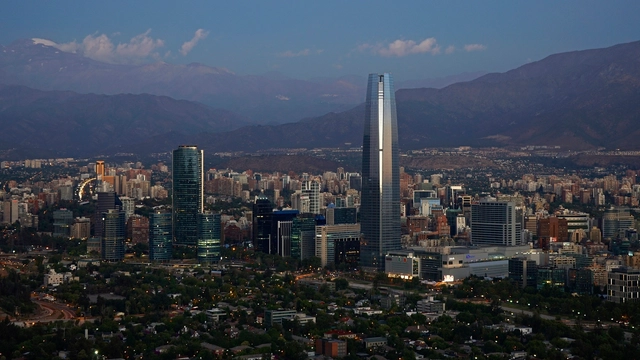
The first American Institute of Architects Committee on Design (AIA COD) Conference in South America will take place in the cities of Santiago and Valparaíso, Chile, from October 20 to 27, 2018. The event is organized by the Copperbridge Foundation in collaboration with the Chilean organizations Constructo and Massantiago.
The architecture of Santiago, Chile—inherited from the colonial era but connected to a contemporary design vision—will take center stage at the conference, providing a global perspective on “Blueprint for Better Cities,” the AIA's theme of the year chosen by its president, Carl Elefante.
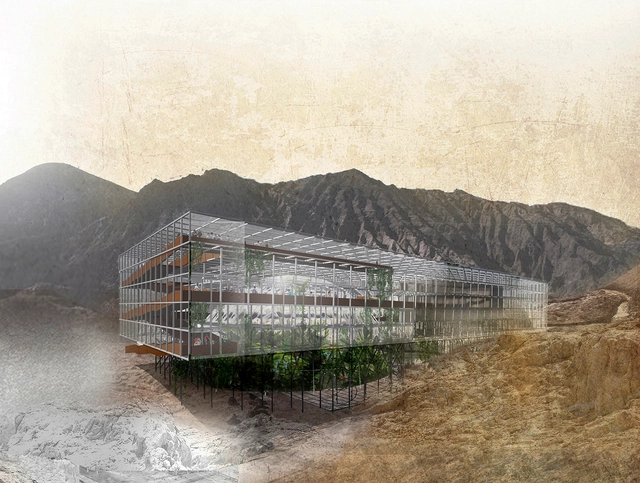
With the proposal 'Phytoremediation Machine for Mining Tailings,' the Chilean team won first place in the 11th Alacero Steel Design Competition for Architecture Students 2018 in Colombia.
The team, comprising Universidad Finis Terrae students Diego Concha, Tomás Aguirre, and Trinidad Hermosilla, presented a project that seeks to "recover and reuse mining waste through the use of plants with high mineral resistance to reduce and mitigate the site's environmental risks," as the authors explain in their project description. Their advisors were professors Andrés Echeverría and Cristián Lecaros.

The third edition of the Sharjah Architecture Triennial (SAT03) will take place from November 14, 2026, to April 14, 2027, under the title Architecture Otherwise: Building Civic Infrastructure for Collective Futures. Curated by anthropologist and curator Vyjayanthi Rao, with Tau Tavengwa serving as Associate Curator, the exhibition will bring together 32 participants working across architecture, anthropology, urbanism, art, design, education, and community-based practices. Opening to the public on November 14, the Triennial will unfold through installations, films, archives, workshops, performances, and public programs distributed across Sharjah, positioning the city itself as a site for dialogue and engagement.

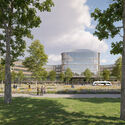
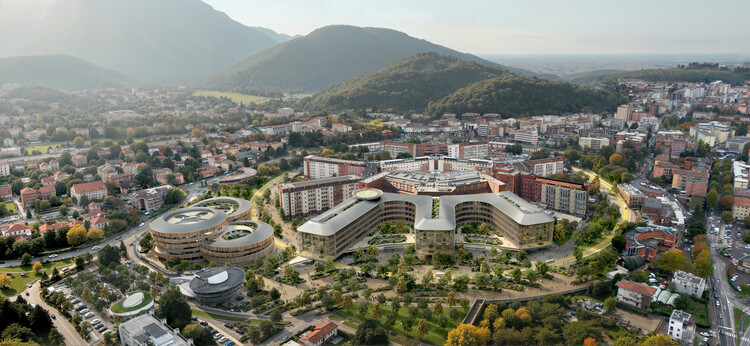
The project developed by CRA-Carlo Ratti Associati, Park Associati, Politecnica Building for Humans, Openfabric, DOTDOTDOT, Studio Mattioli, and Eckersley O'Callaghan has been selected to design the new Main Hospital and Children's Hospital in Brescia, Italy. The international competition mandate was to redevelop an existing hospital, preserving and extending a radial plan conceived by engineer Angelo Bordoni in the early twentieth century. The existing healthcare complex, Spedali Civili di Brescia, follows a hexagonal masterplan and radial layout that informs the new design for the premises. The geometry is reinterpreted to update the campus for future models of care, drawing a new CareRing around it that connects people, nature, and healthcare through the principles of One Health, the idea that human health, environmental health, and social wellbeing are inseparable.

Recent events highlighted the many ways architecture responds to changing environmental, social, and cultural conditions. Major earthquakes in Venezuela, Japan, and Northern California renewed attention to the role of planning, infrastructure, and building practices in shaping resilience to natural hazards. As these questions continue to inform the built environment, the opening of the 2026 UIA World Congress of Architects in Barcelona brought together practitioners and researchers to discuss climate, housing, public space, and the future of the profession. Recent project announcements, preservation initiatives, completed works, and new design tools further reflected the range of approaches shaping architectural practice today, from heritage conservation and adaptive reuse to environmental performance and long-term planning.

The 15th São Paulo International Architecture Biennial (BIAsp), scheduled to take place in September and October 2027, announced architects Gabriela de Matos and Pedro Rossi as the event's chief curators. Following the previous edition on the theme Extremes: Architectures for a Hot World, the duo is expected to bring critical perspectives on architecture, culture, and the city to bear on the theme Architecture, Culture, and Sovereignty. Their role is to direct the conceptual development of the Biennial, assemble a curatorial team, and run a public call for co-curators.
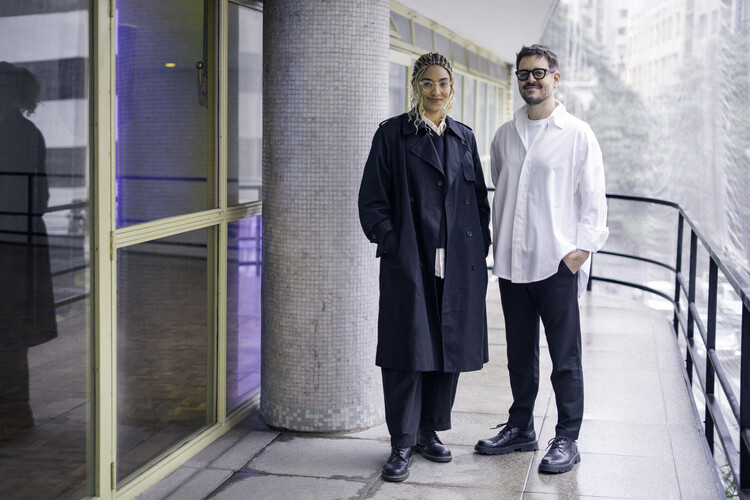

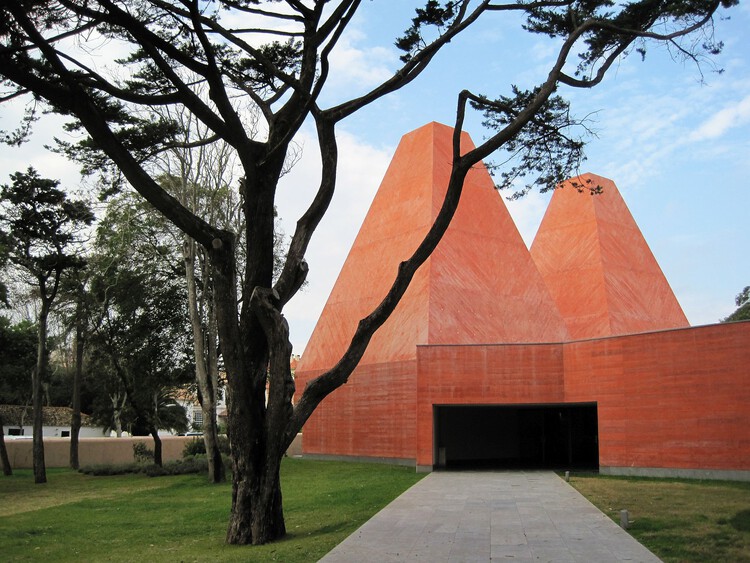
On June 30, 2026, Portuguese architect Eduardo Souto de Moura received the 2026 UIA Gold Medal, the highest distinction awarded by the International Union of Architects, during a ceremony held at the Basílica de la Sagrada Família in Barcelona. Presented as part of the 2026 UIA World Congress of Architects, taking place from June 28 to July 2, the award recognizes Souto de Moura's sustained contribution to architecture through a body of work defined by contextual sensitivity, material precision, and a lasting influence on contemporary architectural culture.

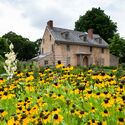
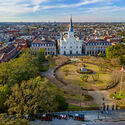
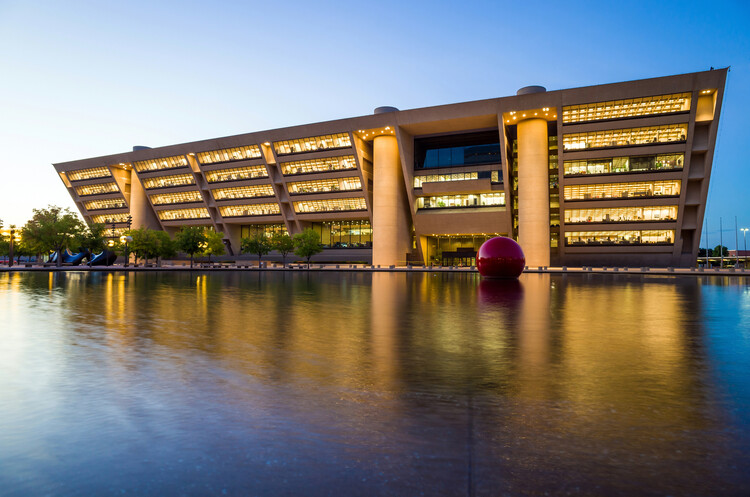
On the occasion of the 250th anniversary of the United States' Declaration of Independence, the World Monuments Fund has announced a new list of ten heritage places representing the country's history. The special initiative, titled "Irreplaceable America," recognizes historic places across the country whose preservation is considered "essential to the richness and complexity of American history," spotlighting urgent preservation needs. From the oldest botanical garden in the country to I.M. Pei's modernist Dallas City Hall, the selected sites bear witness to Indigenous heritage, artistic experimentation, and public health, colonial, and Black history.

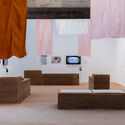
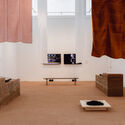
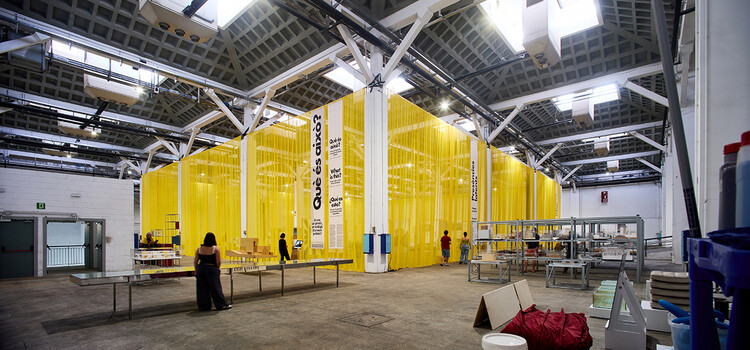
The exhibition What is This? A Spa, a Gym, a Zoo for Tiny Animals? is on view at the Palau Victòria Eugènia in Barcelona from May 11 to July 5, 2026. Organized by the Fundació Mies van der Rohe and curated by Anna Sala and Ivan Blasi, the exhibition presents the institution's archive through a new curatorial framework, bringing together architectural models, drawings, documents, films, and records of artistic interventions that have taken place at the Barcelona Pavilion since 1986. Open daily with free admission, the exhibition invites visitors to engage with the archive as both a historical collection and an evolving record of architectural discourse.

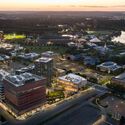
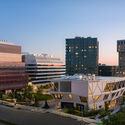
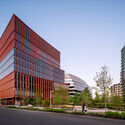
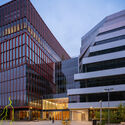
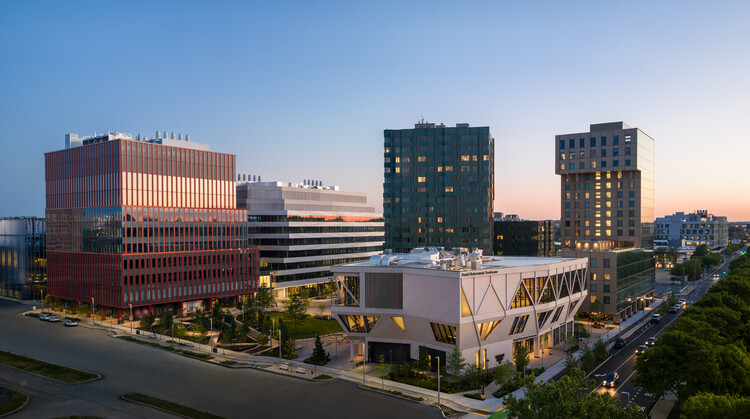
International firms Studio Gang and Henning Larsen have completed Breakthrough Properties' One Milestone. The life science development is part of the first phase of Tishman Speyer and the Harvard Allston Land Company's Enterprise Research Campus (ERC), a 14-acre mixed-use district in Boston's Allston neighborhood. Located on the southwest end of the ERC, One Milestone is intended to serve as a hub for creativity, science, and entrepreneurship. Its recently inaugurated two-building complex, spanning 47,380 sqm, was designed to serve Greater Boston's scientific community. The two firms began collaborating on the project in 2019 with the co-design of a strategic framework plan, breaking ground on One Milestone in 2023.

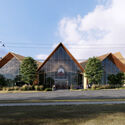
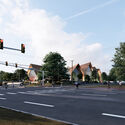
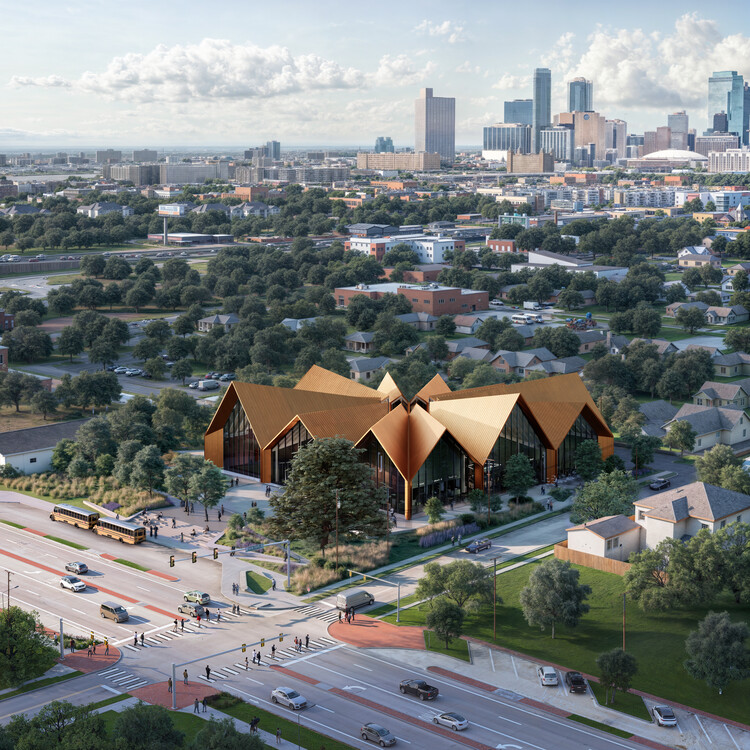
Bjarke Ingels Group (BIG) has unveiled new images of the National Juneteenth Museum, offering a closer look at the design of the 72,000-square-foot institution planned for Fort Worth, Texas. Designed in collaboration with Alligood Song Architecture and architect of record KAI Enterprises, the project is scheduled to begin construction in fall 2026 and will serve as a national center dedicated to preserving the history and legacy of Juneteenth. Led by activist Dr. Opal Lee, widely recognized as the "Grandmother of Juneteenth," the museum combines exhibition spaces with community-oriented programs intended to support both cultural preservation and neighborhood revitalization.